Mornings are a race against the clock. Between hitting snooze, getting dressed, and rushing out the door, breakfast often gets the short end of the stick. Two popular contenders for the quickest morning meal are frozen breakfasts and smoothies. Both promise speed, but they deliver very different experiences in terms of nutrition, satiety, and convenience. So, which one should you choose?
In this article, we’ll break down the pros and cons of frozen breakfast vs smoothies, comparing factors like prep time, nutritional value, taste, and how long they keep you full. By the end, you’ll have a clear answer for your busy mornings. And if you’re leaning toward a hearty, protein-packed option, we’ll show you some of the best frozen breakfast choices available.
Speed and Convenience: Who Wins the Race?
When every second counts, smoothies seem like the obvious winner. Toss some fruit, yogurt, and spinach into a blender, hit a button, and within two minutes you have a drinkable breakfast. No oven, no plate, no chewing. You can even sip it on your commute. That’s hard to beat for sheer speed.
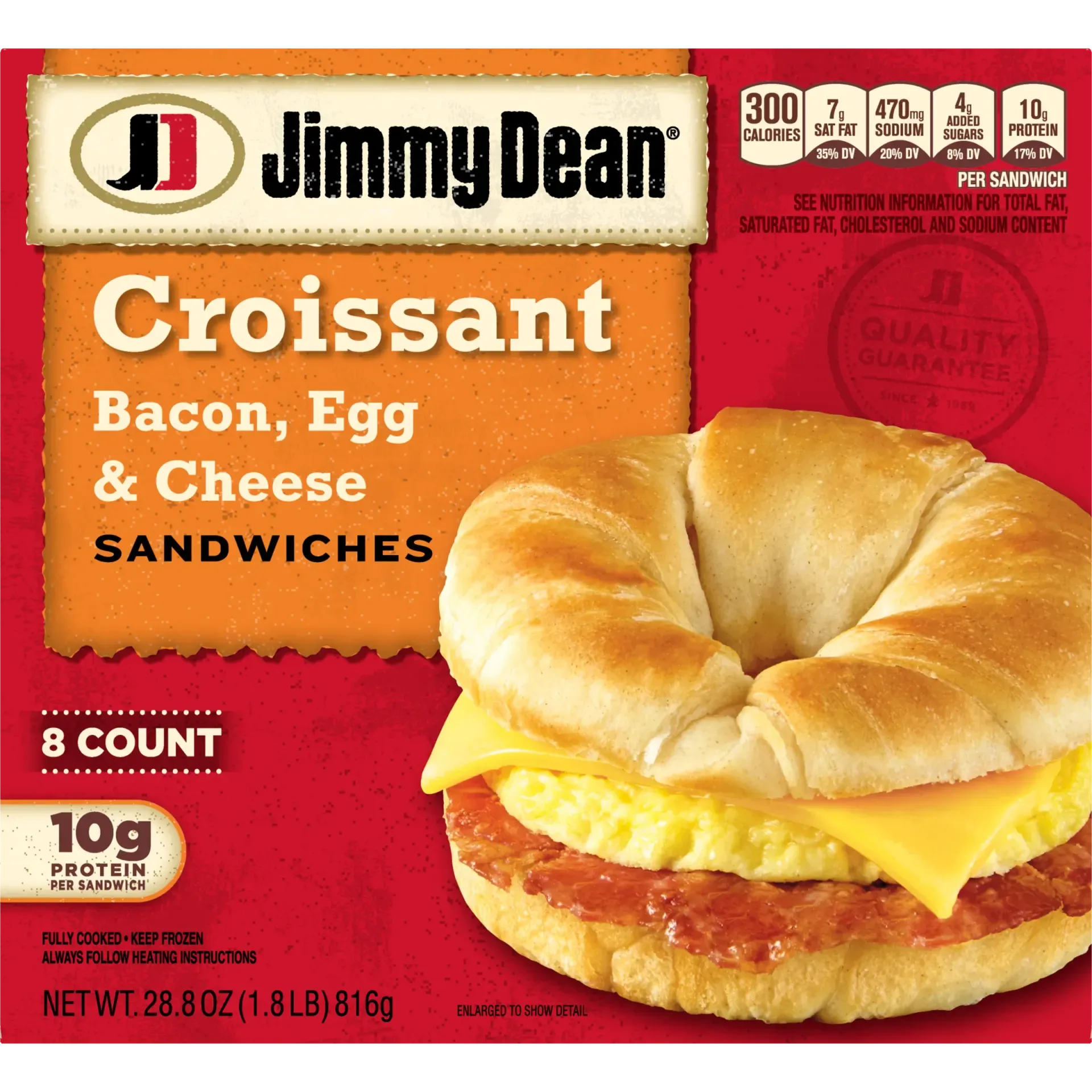
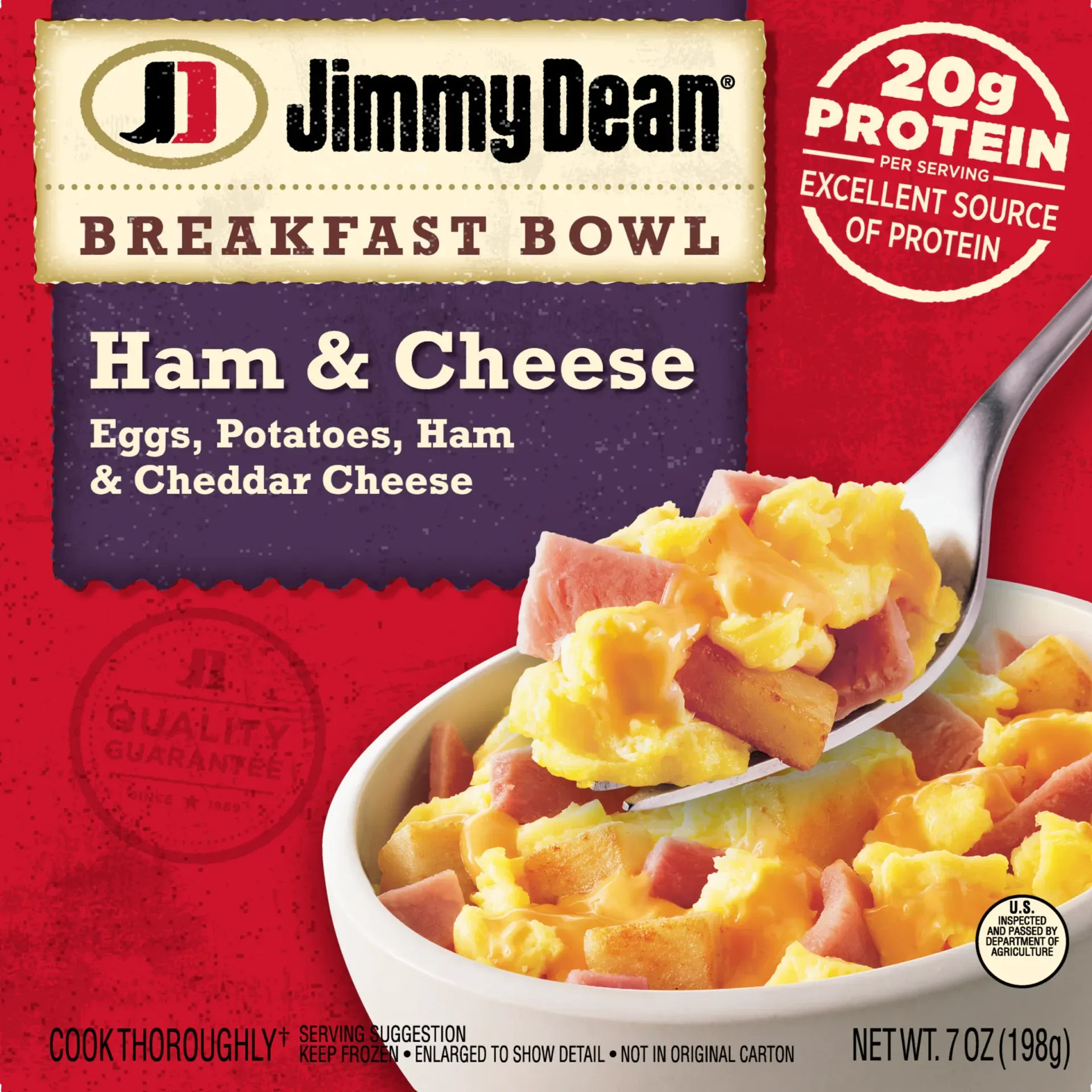
But frozen breakfasts have closed the gap. Many options, like a Ham & Cheese Breakfast Bowl or a Delights Turkey Sausage, Egg White & Cheese Croissant Sandwich, are ready in just two to three minutes in the microwave. You don’t need to wash a blender or chop ingredients. Just unwrap, heat, and eat. While smoothies require a bit of prep and cleanup, frozen breakfasts are truly grab-and-go.
For the ultimate convenience, frozen breakfasts often win because they require zero planning. Smoothies need fresh or frozen ingredients on hand, and if your blender is dirty from yesterday, you’re out of luck. With frozen breakfasts, you just open the freezer.
- Smoothie: 2 minutes prep + 1 minute blending + cleanup
- Frozen breakfast: 2–3 minutes microwave, no cleanup
Nutritional Showdown: Protein, Fiber, and Fullness
Smoothies can be incredibly healthy if you build them right. A green smoothie with spinach, banana, and protein powder delivers vitamins, fiber, and protein. But many store-bought or homemade smoothies are sugar bombs, especially if they rely on fruit juice or sweetened yogurt. Without enough protein and fat, a smoothie can leave you hungry by 10 a.m.
Frozen breakfasts, on the other hand, are designed to be balanced meals. Products like the Fully Cooked Turkey Sausage Links pack 12 grams of protein per serving, and when paired with eggs or a biscuit, you get a satisfying mix of protein and carbs. The Sausage Breakfast Bowl offers protein, fats, and even some vegetables, making it a more filling option. For those watching carbs, a smoothie might fit better, but for sustained energy, frozen breakfasts often win.
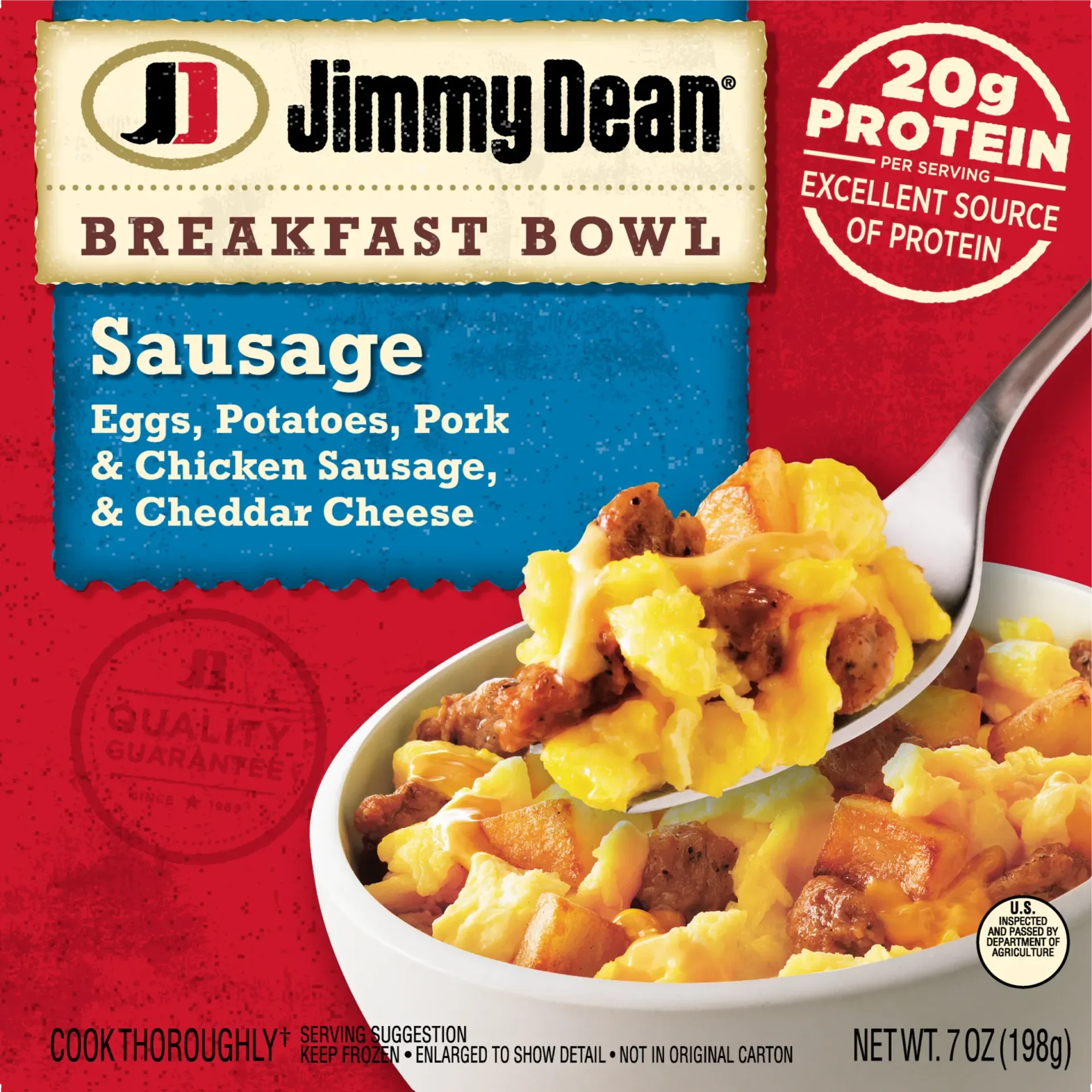
Sausage Breakfast Bowl
The key difference is satiety. Chewing triggers fullness signals, while drinking calories can bypass them. A study in the Journal of the Academy of Nutrition and Dietetics found that solid meals reduce hunger more than liquid ones of equal calories. So if you tend to get mid-morning cravings, a frozen breakfast may keep you satisfied longer.
- Smoothie tip: Add Greek yogurt or protein powder for staying power
- Frozen breakfast tip: Look for options with at least 10g protein per serving
Taste and Variety: The Flavor Factor
Smoothies offer endless flavor combinations. You can go tropical with mango and coconut, berry-licious with mixed berries, or indulgent with chocolate and peanut butter. The downside? They all taste like cold drinks. Some mornings you want something warm, savory, and hearty.
Frozen breakfasts deliver that comfort. A warm Chicken Buttermilk Biscuit Sandwich or a Biscuit & Sausage Gravy Breakfast Bowl satisfies cravings for something savory and filling. The variety is impressive: sandwiches, bowls, patties, links, and even scrambles. You can have a different breakfast every day of the week without getting bored.
For those who love the taste of a hot breakfast, frozen options are hard to beat. The Maillard reaction in cooked meats and baked biscuits creates flavors that no blender can replicate. If you’re torn between a sweet smoothie and a savory sandwich, consider your mood. But for comfort and satisfaction, frozen breakfasts often win the taste test.
- Smoothie flavors: sweet, fruity, creamy
- Frozen breakfast flavors: savory, smoky, cheesy, buttery
Portability: On-the-Go Ease
Smoothies are the undisputed champions of portability. Pour your drink into a travel cup, screw on a lid, and you’re out the door. You can sip it while driving, walking, or even during a morning meeting. No utensils, no crumbs, no mess.
Frozen breakfasts are getting better, though. Sandwiches and bowls can be eaten in the car with a napkin, but they’re not as spill-proof. A Sausage Breakfast Bowl requires a spoon and a steady hand. However, many products come in portable packaging, and you can always wrap a sandwich in a paper towel for easy handling.
If you need to eat while commuting, a smoothie might be more practical. But if you can spare five minutes at a desk or table, a frozen breakfast offers a more satisfying meal. For families, frozen breakfasts are easier to share and portion out.
- Smoothie: sip and go, no mess
- Frozen breakfast: best eaten with a few minutes of sit-down time
Cost Comparison: Budget-Friendly Breakfasts
Smoothies can be cheap if you use basic ingredients like bananas, frozen berries, and yogurt. But the cost adds up if you buy expensive protein powders, superfoods, or fresh produce that spoils quickly. A single smoothie can cost $2–$5 depending on ingredients.
Frozen breakfasts are generally very affordable. A box of Fully Cooked Turkey Sausage Links costs around $4–$6 and contains several servings. Breakfast bowls and sandwiches are often $2–$3 per serving, making them comparable to or cheaper than a coffee shop smoothie. Plus, they have a long freezer life, so no waste.
For budget-conscious shoppers, frozen breakfasts offer predictable pricing and zero food waste. You buy a box, heat what you need, and the rest stays frozen for months. Smoothies require regular shopping and ingredient management. Over a month, frozen breakfasts can save you both time and money.
- Smoothie: $2–$5 per serving, potential waste
- Frozen breakfast: $2–$3 per serving, zero waste
Which One Should You Choose?
The answer depends on your morning personality. If you’re someone who hates chewing in the morning, loves fruit, and needs to eat while driving, a smoothie is your best bet. It’s fast, portable, and can be healthy if you balance it right.
But if you crave a warm, satisfying meal that keeps you full until lunch, frozen breakfasts are the superior choice. They offer protein, flavor, and convenience without the sugar crash. Products like the Delights Turkey Sausage, Egg White & Cheese Croissant Sandwiches or the Sausage Breakfast Bowl are perfect examples of how frozen food can be both quick and nourishing.
Many people actually use both: smoothies on super rushed days, frozen breakfasts when they have a few extra minutes. That flexibility might be the best strategy of all. But if you have to pick one for everyday reliability, frozen breakfasts deliver more staying power and satisfaction.
- Choose smoothies for speed and portability
- Choose frozen breakfasts for fullness, warmth, and protein
Ultimately, the frozen breakfast vs smoothie debate comes down to your priorities. If you want a quick, warm, protein-rich meal that truly satisfies, frozen breakfasts are the winner. Explore our selection of hearty options like the Sausage Breakfast Bowl to start your mornings right.