Smoothies have become a go-to breakfast or snack for health-conscious individuals. But a common debate lingers: Are frozen smoothie packs as nutritious as fresh smoothies made from scratch? With convenience driving many food choices, understanding the nutritional trade-offs is essential for anyone looking to optimize their diet without sacrificing time.
In this article, we’ll break down the science behind freezing fruits and vegetables, compare the nutrient retention of frozen versus fresh ingredients, and explore how frozen smoothie packs can be a smart, healthy addition to your routine. Whether you’re a meal-prep enthusiast or a busy parent, you’ll find evidence-based insights to help you make the best choice for your health.
The Science of Freezing: How Nutrients Are Affected
Freezing is a natural preservation method that slows down the enzymatic processes that cause spoilage and nutrient loss. When fruits and vegetables are picked at peak ripeness and quickly frozen, they retain most of their vitamins and minerals. In fact, studies show that frozen produce can have comparable—and sometimes higher—levels of certain nutrients like vitamin C and antioxidants compared to fresh produce that has been stored for days.
The key is that fresh produce often travels long distances and sits on shelves, losing nutrients over time. Frozen ingredients, on the other hand, are processed shortly after harvest, locking in their nutritional profile. This makes frozen smoothie packs a reliable option for consistent nutrition, especially when fresh options are out of season or less accessible.
- Frozen produce is typically picked at peak ripeness, maximizing nutrient density.
- Vitamin C and B vitamins are sensitive to heat and air, but freezing minimizes their loss.
- Fresh produce can lose up to 50% of certain vitamins within a week of harvest.
Comparing Convenience and Nutritional Consistency
Fresh smoothies require washing, chopping, and blending ingredients that may spoil quickly. This can lead to inconsistent nutrition if you skip days or use less-than-fresh produce. Frozen smoothie packs eliminate these hurdles by providing pre-portioned, pre-washed ingredients that are ready to blend. This consistency makes it easier to stick to a healthy habit.
For example, a product like the Power Greens Smoothie offers a blend of greens and fruits that are flash-frozen to preserve their nutrients. Similarly, the Chocolate Cherry Smoothie combines antioxidant-rich cherries with cacao for a delicious, nutrient-dense option. These packs ensure you get a balanced mix of vitamins, fiber, and phytonutrients every time, without the guesswork of fresh preparation.
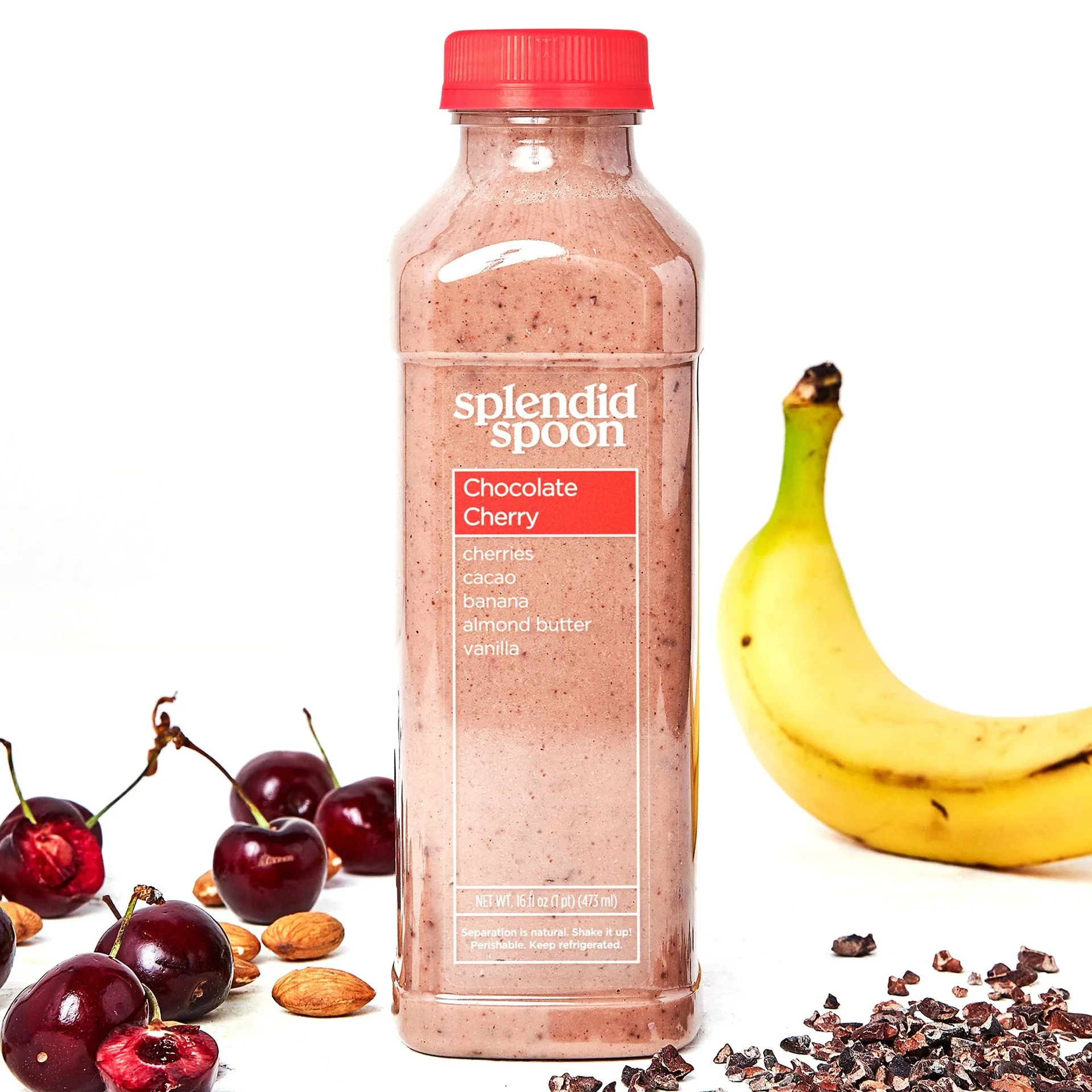
Chocolate Cherry Smoothie
- Frozen smoothie packs reduce food waste by using only what you need.
- Pre-portioned packs help control calorie and sugar intake.
- They are ideal for meal prep and busy mornings.
Fiber and Antioxidant Retention: Fresh vs. Frozen
Fiber is a crucial component of smoothies for digestive health and satiety. Freezing does not degrade fiber, so frozen fruits and vegetables provide the same amount of dietary fiber as their fresh counterparts. Antioxidants, such as anthocyanins in berries and flavonoids in greens, are also well-preserved during freezing. In some cases, freezing can even increase the bioavailability of certain antioxidants by breaking down cell walls.
For instance, the Dragon Fruit Berry Smoothie is packed with antioxidants from dragon fruit and mixed berries, all preserved through freezing. This means you get the same—or potentially better—antioxidant punch compared to blending fresh berries that may have been harvested weeks ago. So, when it comes to fiber and antioxidants, frozen smoothie packs hold their own against fresh blends.
- Fiber content remains unchanged during freezing.
- Antioxidants like anthocyanins are stable in frozen storage.
- Frozen berries often have higher antioxidant levels than fresh ones after a few days.
Practical Tips for Maximizing Smoothie Nutrition
Whether you choose frozen or fresh smoothies, there are ways to boost nutritional value. Add a source of protein, such as plant-based protein powder or nut butter, to support muscle repair and satiety. Include healthy fats from avocado, chia seeds, or flaxseeds to aid absorption of fat-soluble vitamins. Also, consider adding leafy greens like spinach or kale for extra vitamins and minerals.
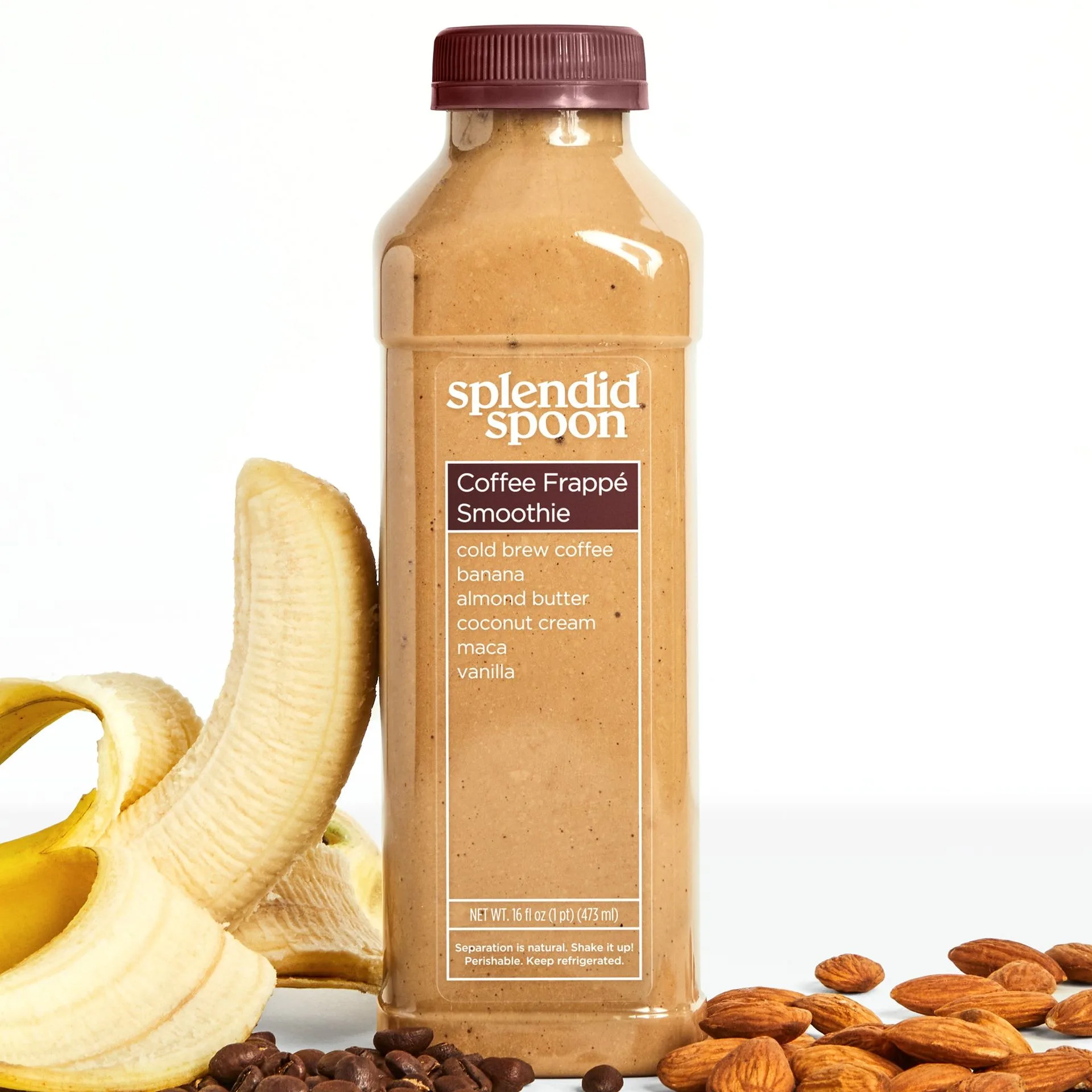
For those who prefer frozen convenience, try the Coffee Frappé Smoothie for a morning energy boost with caffeine and antioxidants, or the Power Greens Smoothie for a nutrient-dense green drink. These options are designed to provide balanced nutrition without added sugars or preservatives, making them a smart choice for health-conscious consumers.
- Add protein powder or Greek yogurt to increase protein content.
- Include a tablespoon of chia or flax seeds for omega-3s and fiber.
- Use unsweetened plant-based milk to keep added sugars low.
Both frozen smoothie packs and fresh smoothies can be highly nutritious, but frozen options offer unmatched convenience and consistent quality. By choosing products like the Power Greens Smoothie or Chocolate Cherry Smoothie, you can enjoy a quick, nutrient-packed meal without compromising on health. Next time you’re at the store, consider stocking your freezer with these convenient blends to support your wellness goals.