After a tough workout, your body craves nutrients to repair muscles, replenish energy stores, and reduce inflammation. The post-workout window is critical for optimizing recovery, and what you choose to refuel with can make a significant difference. Two popular options among fitness enthusiasts are frozen smoothie packs and protein powders. Both promise convenience and nutrition, but which one truly delivers for plant-based athletes?
In this article, we dive deep into the debate of frozen smoothie packs vs protein powder, examining their nutritional profiles, convenience factors, ingredient quality, and overall effectiveness for post-workout recovery. We'll also highlight how A Dozen Cousins' plant-based frozen meals, including smoothie packs, can fit seamlessly into your fitness routine.
Understanding Post-Workout Nutritional Needs
After exercise, your muscles are primed to absorb nutrients, especially protein and carbohydrates. Protein provides the amino acids needed for muscle repair and growth, while carbohydrates replenish glycogen stores that were depleted during your workout. A ratio of roughly 3:1 or 4:1 carbs to protein is often recommended for optimal recovery, though individual needs vary.
Additionally, antioxidants and anti-inflammatory compounds found in whole fruits and vegetables can help reduce muscle soreness and speed up recovery. This is where the choice between a whole-food smoothie pack and a processed protein powder becomes important. While protein powders offer a concentrated dose of protein, they often lack the fiber, vitamins, and phytonutrients that come from whole foods.
- Protein: Aim for 15-25 grams post-workout for muscle repair.
- Carbohydrates: Replenish glycogen with 30-60 grams of carbs.
- Hydration: Rehydrate with water or electrolyte-rich liquids.
What Are Frozen Smoothie Packs?
Frozen smoothie packs are pre-portioned blends of frozen fruits, vegetables, and sometimes added superfoods or plant-based protein sources. They are designed to be dumped into a blender with your choice of liquid (like almond milk or water) and blended into a quick, nutritious smoothie. Brands like A Dozen Cousins offer frozen smoothie packs that are made with whole, plant-based ingredients, no artificial additives, and are often organic.
These packs provide a convenient way to get a variety of nutrients from whole foods without the hassle of washing, chopping, and measuring. They also retain most of their nutritional value because they are frozen at peak ripeness. For post-workout nutrition, a smoothie pack can deliver a balanced mix of carbs, fiber, and natural sugars, along with small amounts of plant-based protein from ingredients like spinach, kale, or chia seeds.
What About Protein Powders?
Protein powders, on the other hand, are processed supplements that isolate protein from sources like peas, rice, hemp, or soy. They are designed to provide a high concentration of protein with minimal carbs and fats. Many athletes rely on protein powders for a quick, easy protein hit after workouts. They can be mixed with water, milk, or added to smoothies.
However, protein powders often contain added sugars, artificial flavors, thickeners, and other additives. They also lack the fiber and phytonutrients found in whole fruits and vegetables. While they are effective for hitting protein goals, they don't offer the same broad spectrum of nutrients that a whole-food smoothie pack provides. Additionally, some people experience digestive discomfort from certain protein powders.
- Pros: High protein concentration, quick absorption, versatile.
- Cons: Often processed, may contain additives, lacks fiber and whole food nutrients.
Comparing Convenience and Preparation
Both options are convenient, but in different ways. Protein powders require only a shaker bottle or blender and a liquid. You can make a protein shake in under a minute. Frozen smoothie packs require a blender and a liquid, plus a bit more time to blend and clean up. However, smoothie packs often come with pre-measured ingredients, so you don't need to think about ratios.
For those who prioritize speed above all else, protein powder might win. But if you have an extra two minutes, a smoothie pack can provide a more satisfying and nutrient-dense meal. Many people find that a smoothie made from a frozen pack keeps them fuller longer due to the fiber content, which can help with weight management and sustained energy.
Nutritional Showdown: Frozen Smoothie Packs vs. Protein Powder
Let's compare a typical serving of a frozen smoothie pack (like one from A Dozen Cousins) to a standard scoop of plant-based protein powder. A frozen smoothie pack might contain around 150-250 calories, 30-40 grams of carbs, 4-8 grams of fiber, and 5-10 grams of protein, along with vitamins A, C, and potassium. A protein powder serving usually has 100-150 calories, 2-5 grams of carbs, 0-1 gram of fiber, and 20-25 grams of protein.
For post-workout recovery, protein powder clearly wins on protein content. However, the smoothie pack provides a more balanced nutritional profile with carbohydrates for energy and fiber for digestion. Many experts recommend combining both: use a smoothie pack as a base and add a scoop of protein powder to boost the protein content. This way, you get the best of both worlds.
- Frozen Smoothie Pack: More fiber, vitamins, and phytonutrients; lower protein.
- Protein Powder: Higher protein, lower carbs and fiber; may lack micronutrients.
- Best Approach: Combine a smoothie pack with a scoop of protein powder for a complete post-workout meal.
Whole Food Benefits and Ingredient Quality
One of the biggest advantages of frozen smoothie packs is the use of whole, minimally processed ingredients. A Dozen Cousins' smoothie packs, for example, are made with real fruits and vegetables, no added sugars, and no artificial anything. This aligns with a clean eating philosophy and supports overall health beyond just muscle recovery.
Protein powders, even high-quality ones, are processed and can sometimes contain contaminants or heavy metals. They also lack the synergistic effects of whole foods, where nutrients work together for better absorption. For long-term health, prioritizing whole food sources of nutrition is generally recommended. If you're looking for a plant-based meal that's both convenient and nutrient-dense, consider pairing a smoothie pack with a hearty option like the Mixed Bean Chili & Cornbread for a post-workout lunch.
Which Option Is Right for You?
Your choice between frozen smoothie packs and protein powders depends on your specific goals, lifestyle, and dietary preferences. If you are focused on building muscle and need a high protein intake, protein powders may be more efficient. However, if you value whole food nutrition, fiber, and a broader nutrient profile, frozen smoothie packs are an excellent choice.
For most people, a hybrid approach works best. Use a frozen smoothie pack as your base for a post-workout smoothie, then add a scoop of your favorite plant-based protein powder. This gives you the fiber and nutrients from whole fruits and veggies plus the protein boost for muscle repair. You can also incorporate other A Dozen Cousins products like the Butternut Turmeric Soup for a warm, anti-inflammatory post-workout meal.
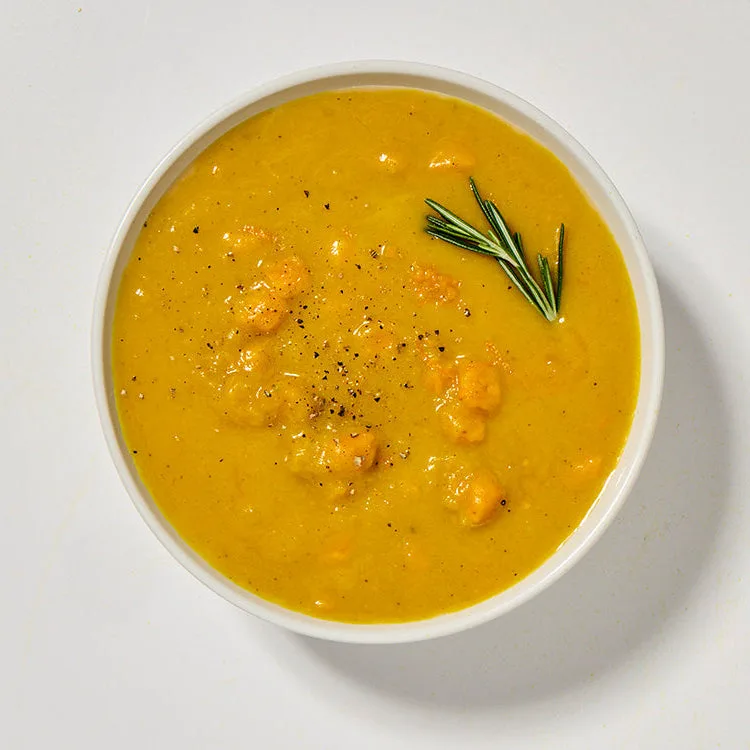
Butternut Turmeric Soup
- For muscle gain: Prioritize protein powder with a smoothie pack.
- For overall wellness: Choose frozen smoothie packs for whole food benefits.
- For convenience: Both are quick, but smoothie packs require a blender.
Ultimately, both frozen smoothie packs and protein powders have their place in a balanced diet. However, if you're looking for a whole-food, nutrient-dense option that supports recovery and overall health, frozen smoothie packs from A Dozen Cousins are a fantastic choice. They provide real fruits and vegetables, no artificial ingredients, and a convenient way to fuel your body. Explore our selection of smoothie packs and other plant-based meals to find the perfect post-workout fuel for your routine.