Breakfast is often called the most important meal of the day, but it can also be one of the most expensive if you rely on fresh ingredients every morning. Between rising grocery prices and hectic schedules, many families are rethinking their morning routines. The debate between frozen vs fresh breakfast has never been more relevant, especially for those looking to stretch their budget without compromising on flavor or nutrition.
In this article, we break down the real costs, time savings, and quality comparisons between frozen breakfast options and fresh-made meals. Whether you're a busy parent, a student on a tight budget, or someone simply trying to eat well for less, we'll help you decide which path is right for you.
The Cost Comparison: Frozen vs Fresh Breakfast
When comparing frozen vs fresh breakfast, the price difference can be significant. A typical fresh breakfast with eggs, bacon, cheese, and bread might cost $2.50–$4.00 per serving, depending on ingredient quality and local prices. In contrast, frozen breakfast sandwiches often cost $1.00–$2.50 per serving, and bulk frozen items like sausage patties can reduce the per-serving cost even further.
For example, a box of Chicken Honey Biscuit Sandwiches offers a filling, protein-packed meal for around $2.00 per sandwich. Meanwhile, making a similar biscuit from scratch requires buying flour, butter, buttermilk, chicken, honey, and seasonings — which can easily add up to $5.00 or more for a single serving. Over a month, choosing frozen could save a family of four up to $200 or more on breakfast alone.
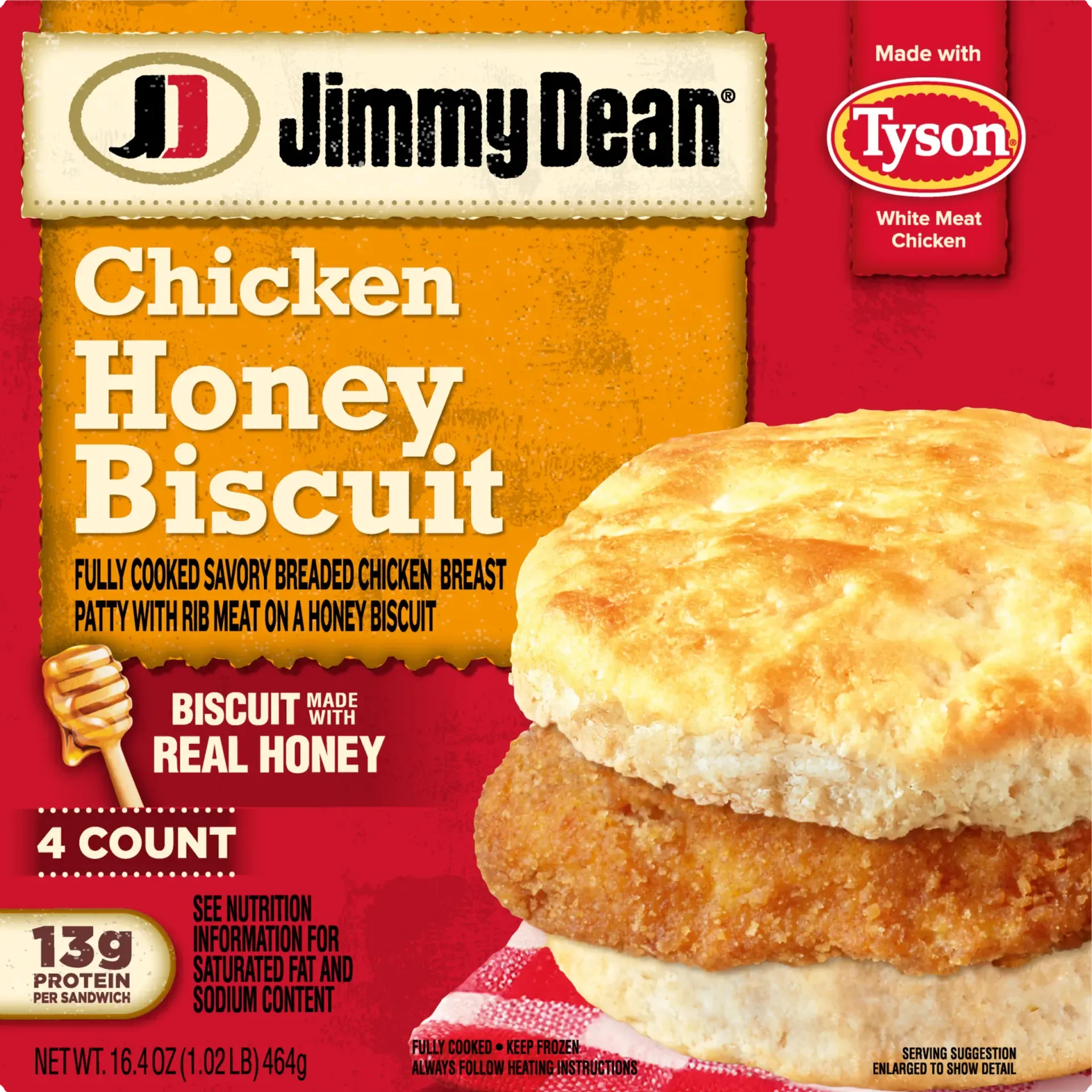
Chicken Honey Biscuit Sandwiches
- Frozen breakfast sandwiches average $1.00–$2.50 per serving vs $2.50–$4.00 for fresh.
- Bulk frozen items like sausage patties or turkey rolls reduce per-meal costs.
- Fresh ingredients often spoil, leading to waste and hidden costs.
Time Savings: The Hidden Value of Frozen Breakfast
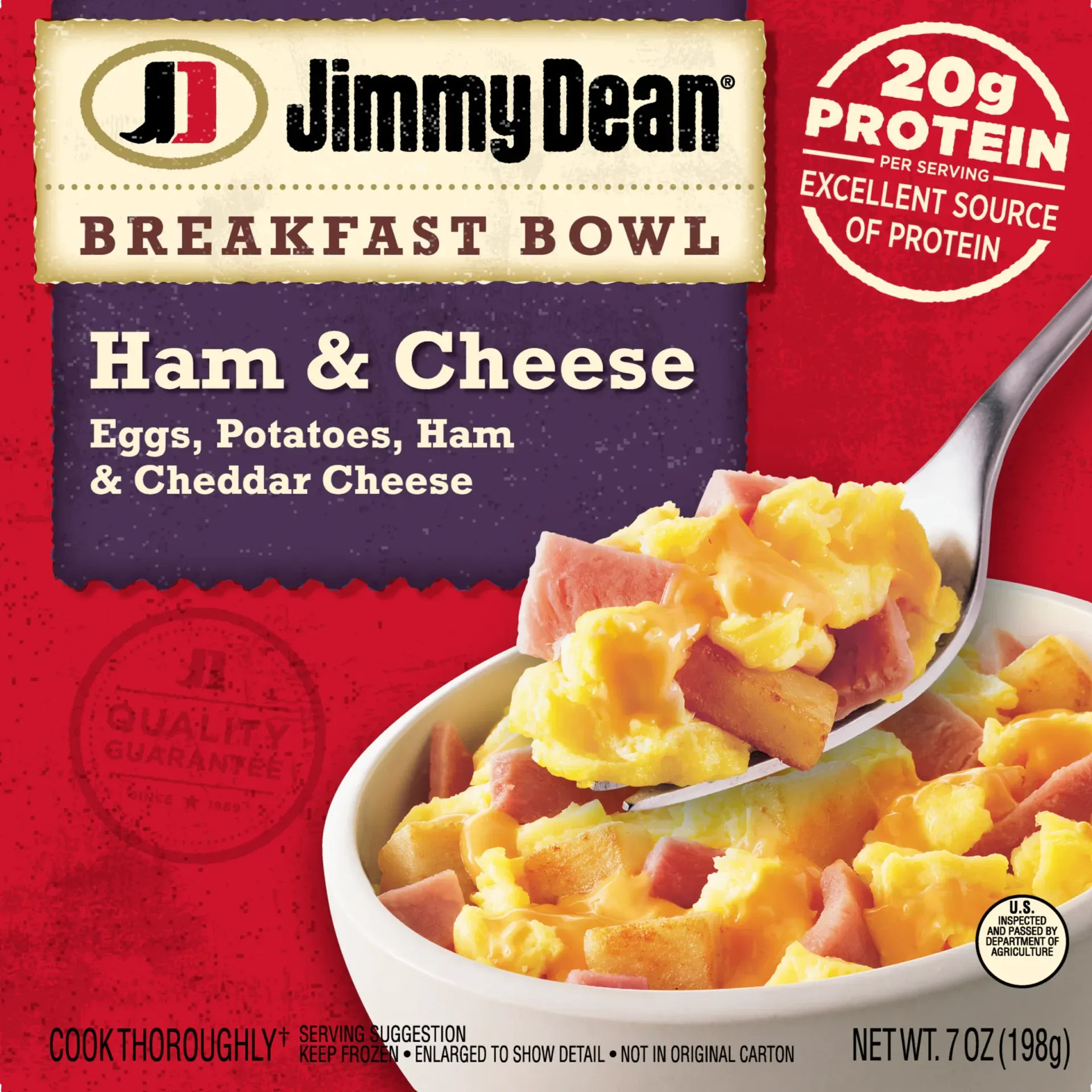
Time is money, and mornings are often the most rushed part of the day. A fresh breakfast can take 15–30 minutes to prepare and clean up, while frozen options like Simple Scrambles Ham and Cheddar Cheese are ready in just 3–5 minutes in the microwave. That extra 10–25 minutes each morning adds up to over 6 hours saved per month.
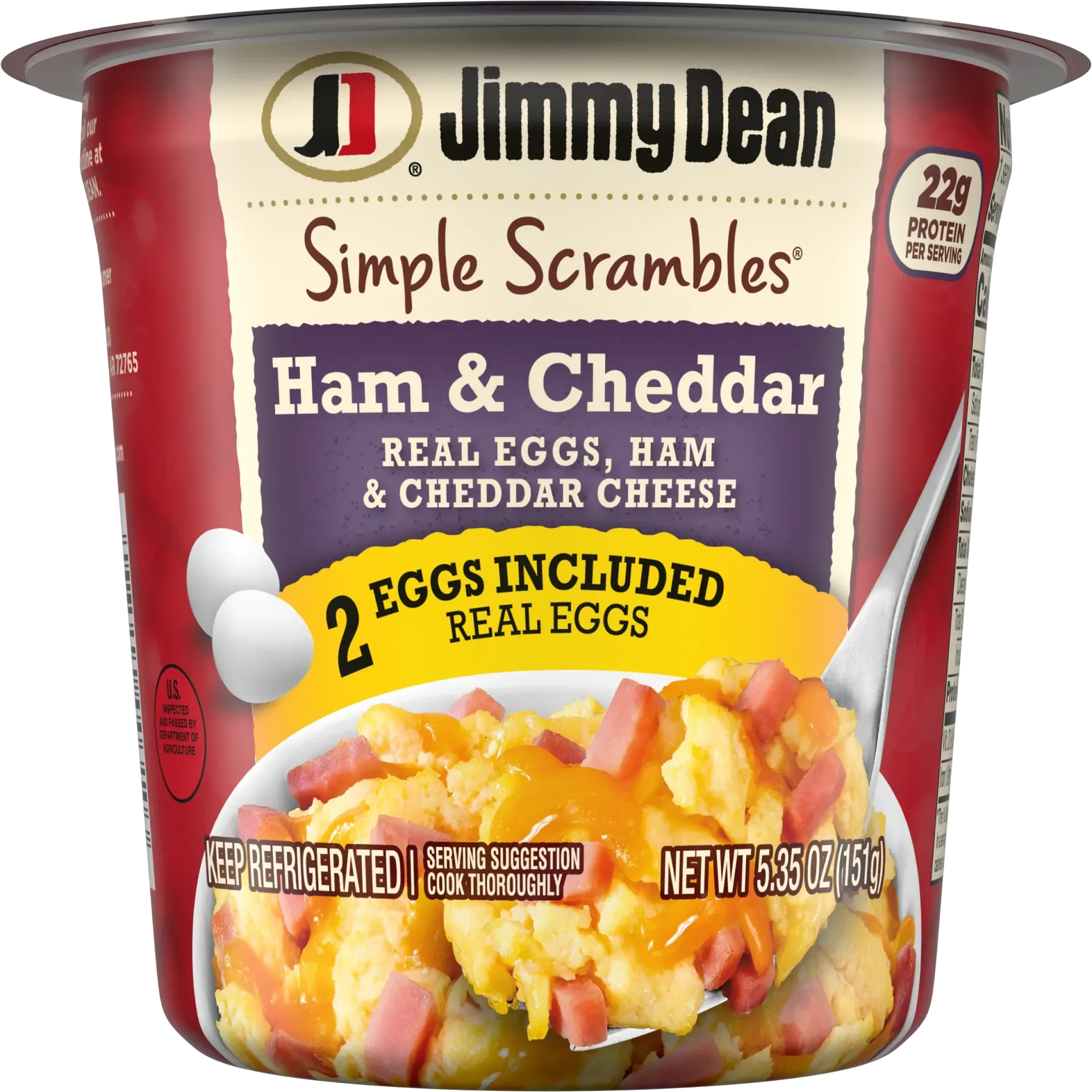
Simple Scrambles Ham and Cheddar Cheese
For parents getting kids ready for school or professionals dashing to work, those minutes are precious. Frozen breakfasts also eliminate the need for multiple pots, pans, and utensils, making cleanup a breeze. You can literally eat a hot, satisfying breakfast and be out the door in under five minutes.
- Frozen breakfast: 3–5 minutes prep time vs 15–30 minutes for fresh.
- No dishes beyond a plate or napkin — less cleanup.
- Perfect for meal prepping on busy mornings.
Nutritional Value: Can Frozen Breakfast Be Healthy?
A common misconception is that frozen breakfasts are less nutritious than fresh ones. In reality, many frozen options are fortified with vitamins and minerals, and they often contain comparable protein, fiber, and calorie counts. For instance, the Sausage Spiral Protein Croissant delivers 19 grams of protein per serving, rivaling a fresh egg-and-sausage sandwich.
Fresh breakfasts can be healthy, but they require careful planning and ingredient selection. Frozen breakfasts offer portion control and consistent nutrition, which can help with weight management. Additionally, many brands now use clean-label ingredients, so you can find options without artificial preservatives or excessive sodium.
- Many frozen breakfasts offer 15–20g of protein per serving.
- Portion-controlled meals help with calorie tracking.
- Look for options with whole grains, real cheese, and lean meats.
Variety and Convenience: More Than Just Sandwiches
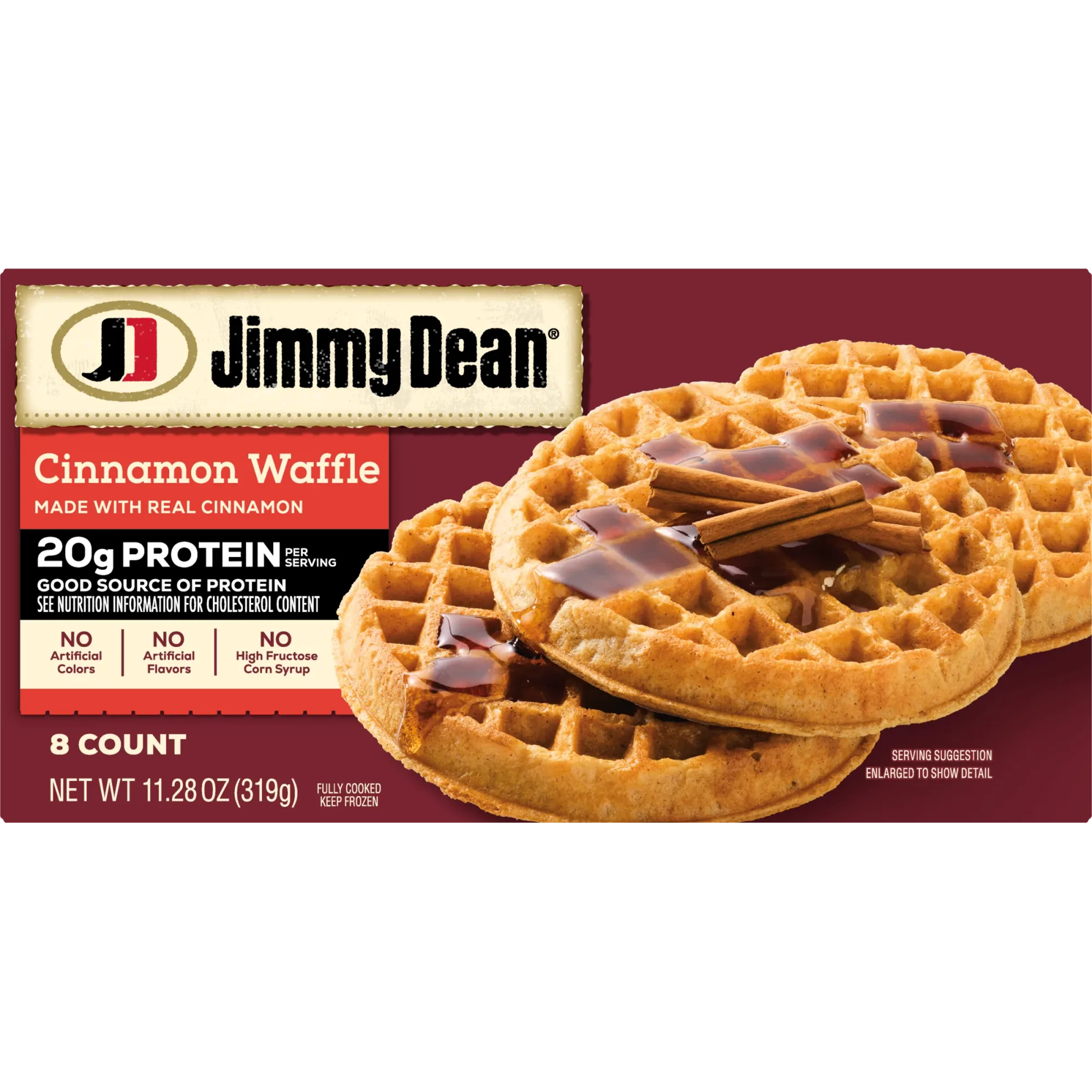
Frozen breakfast has evolved far beyond the basic egg-and-cheese sandwich. Today, you can find everything from Maple Pancake & Sausage Griddle Cake Sandwiches to Mini Maple Pancakes and Maple Sausage Bites Morning Combos. These options cater to different tastes and dietary needs, including gluten-free, high-protein, and lower-calorie choices.
Fresh breakfasts can become repetitive, especially when you're limited by what's in your fridge. With frozen, you can stock a variety of meals and rotate them throughout the week. This not only keeps breakfast interesting but also ensures you always have something on hand — no more skipping breakfast because you ran out of eggs or milk.
- Frozen breakfasts include sandwiches, bowls, wraps, and pancakes.
- Easily mix and match to avoid morning boredom.
- Great for households with different taste preferences.
Environmental and Waste Considerations
While fresh ingredients often come in recyclable packaging, they also spoil quickly, leading to food waste. The USDA estimates that 30–40% of the food supply in the U.S. is wasted, much of it from perishable items like fresh produce and dairy. Frozen breakfasts have a much longer shelf life, reducing the likelihood of waste.
Frozen food packaging has also improved, with many brands using recyclable or reduced-plastic materials. By buying frozen in bulk, you can also reduce the number of shopping trips, saving fuel and lowering your carbon footprint. When considering frozen vs fresh breakfast, the environmental impact may tilt in favor of frozen for many households.
- Frozen foods last months, cutting down on spoilage.
- Bulk buying reduces packaging per serving.
- Fewer grocery trips mean lower transportation emissions.
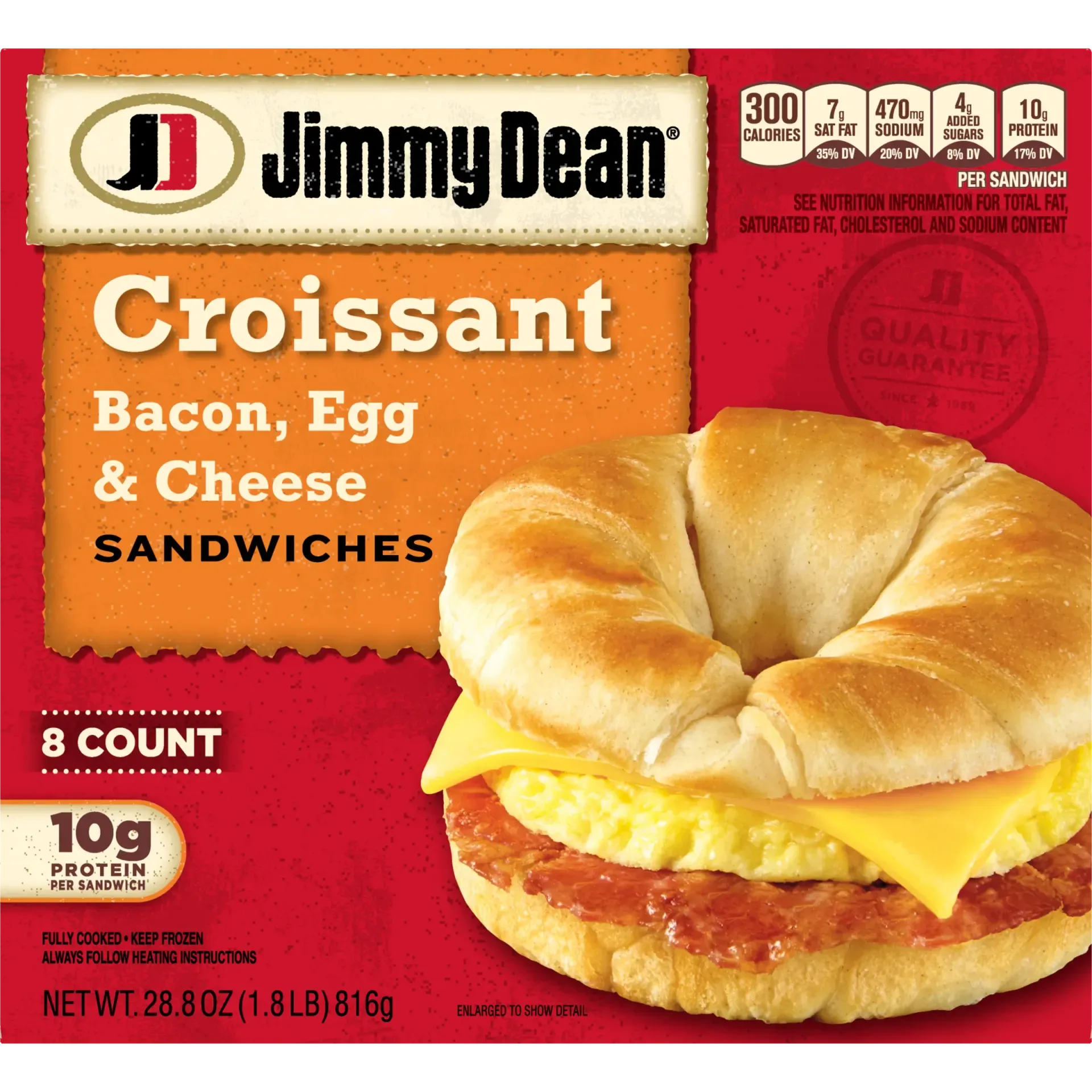
Ultimately, the frozen vs fresh breakfast debate comes down to your priorities: if you value time, cost savings, and convenience, frozen breakfast is the clear winner. With options like the Ham & Cheese Croissant Sandwiches, you can enjoy a delicious, hot meal in minutes without breaking the bank. Explore our full range of frozen breakfast products to find your new morning favorite and start saving today.