Quick answer
Start with face-up matching for babies and young toddlers, then move to hiding one card at a time, and only introduce full memory rules around age four. The Fruits&Veggies Memory Game Cards work for all three stages because the twelve natural cotton cards are soft, safe to mouth, and easy to carry in their textile bag. Match the step to your child's attention span, not their birthday.
Why the cards work at more than one age
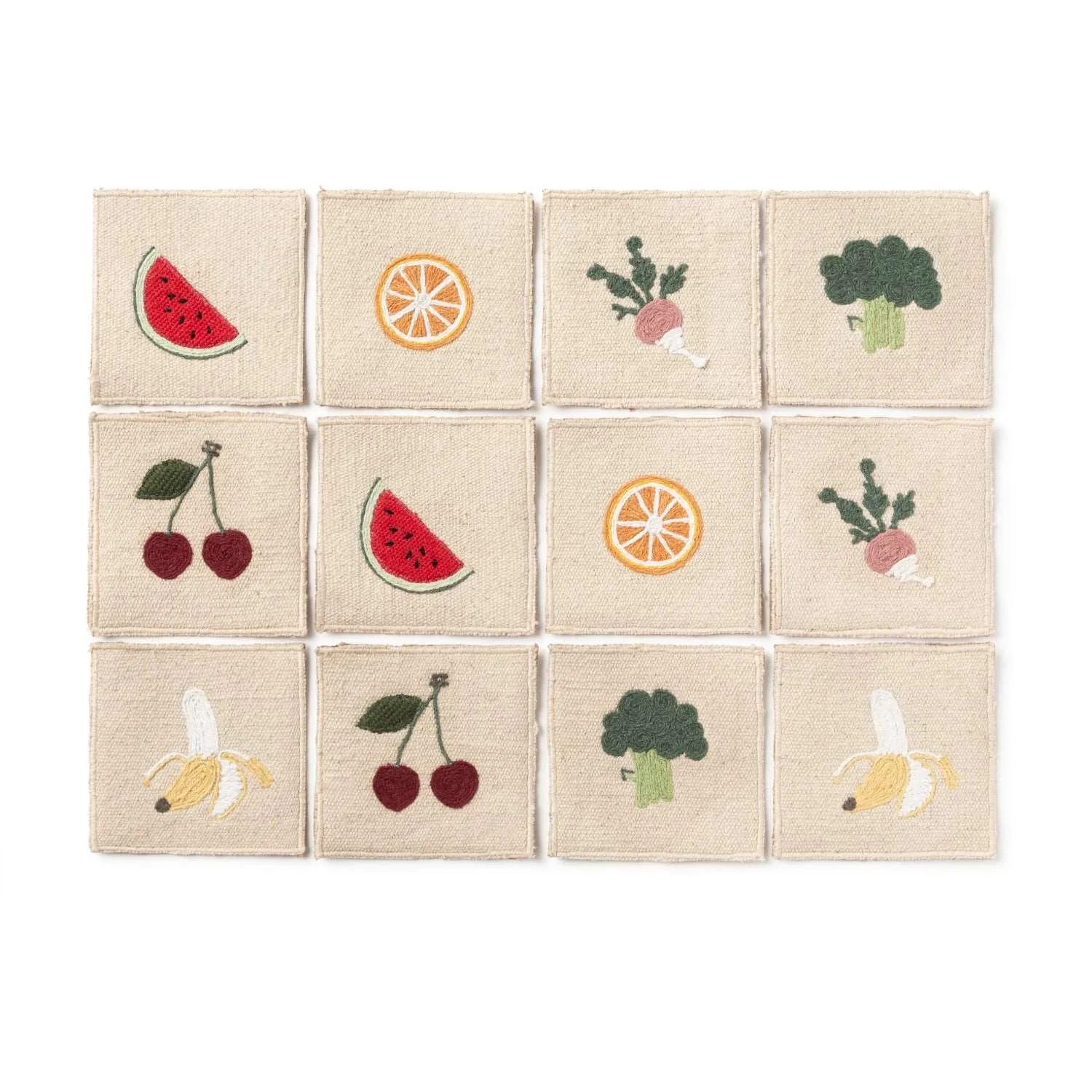
The Fruits&Veggies Memory Game Cards include twelve cards: two Clementino the Orange, two Ana Banana, two Wally the Watermelon, two Brucy the Broccoli, and two Ramona the Radish, all stored in a little textile bag. That means you can play with a small set of four cards for a baby and still have enough pairs for a preschooler. The handmade natural cotton surface is soft enough for mouthing and washing, which matters because learning cards for toddlers rarely stay clean.
Set up the play space before you start
Choose a flat, uncluttered surface such as a low table or a blanket on the floor. Keep only the cards you plan to use in reach; put the rest back in the textile bag. If your child is teething, offer a teether alongside the cards so the cotton cards are less likely to become the main chew toy.
How to play the memory game at each age
- Step 1: Start face-up matching for babies (around 6–12 months): Lay four cards face-up in a row: two pairs such as Clementino the Orange and Ana Banana. Point to one card, say its name, then point to its match and say it again. Let your baby grab, mouth, and drop the cards. Keep the session to two or three minutes. Checkpoint: if your baby only wants to chew the cards, that is normal sensory play. Offer Brucy the Broccoli or Nutty the Walnut as the chewing toy and keep the cards for showing and naming.
- Step 2: Hide one card for young toddlers (around 12–24 months): Place three cards face-up and hide one matching card under a small cloth or behind your hand. Ask, "Where is Ana Banana?" and let your toddler lift the cloth. Repeat with a different pair. This builds object permanence and the idea that a matching card exists even when it is out of sight. Common mistake: hiding too many cards at once. One hidden card is enough until your toddler reliably finds it.
- Step 3: Turn cards face-down for older toddlers (around 2–3 years): Use four cards (two pairs) face-down. Let your toddler turn over two cards per turn. If they match, name the fruit or vegetable and keep the pair. If they do not, turn them back and let your child try again. Add a third pair only when your child asks for more. Checkpoint: success looks like your child staying at the table for four or five turns, not remembering every pair.
- Step 4: Play full memory rules for preschoolers (around 4–5 years): Lay all twelve cards face-down in a grid. Take turns turning over two cards and naming each one. When a pair matches, the player keeps it and takes another turn. The player with the most pairs wins. For a quieter version, play cooperatively and try to clear the grid together. Common mistake: correcting a preschooler's wrong match too quickly. Let them finish the turn and name the cards themselves; the naming is the learning.
- Step 5: Pack up together and store the cards in the bag: Ask your child to find each card's partner before putting both in the textile bag. Count the pairs as you go. This turns clean-up into one more matching round and keeps the set ready for the next trip. Checkpoint: if a card is missing, check the bag first; the set is designed to travel in it.
Product facts
- Fruits&Veggies Memory Game Cards: The Fruits&Veggies Memory Game Cards are a classic memory game with twelve handmade natural cotton cards: two Clementino the Orange, two Ana Banana, two Wally the Watermelon, two Brucy the Broccoli, and two Ramona the Radish, stored in a little textile bag. The bag keeps the set together for travel, and the twelve cards let you scale the game from four cards for a baby to all twelve for a preschooler.
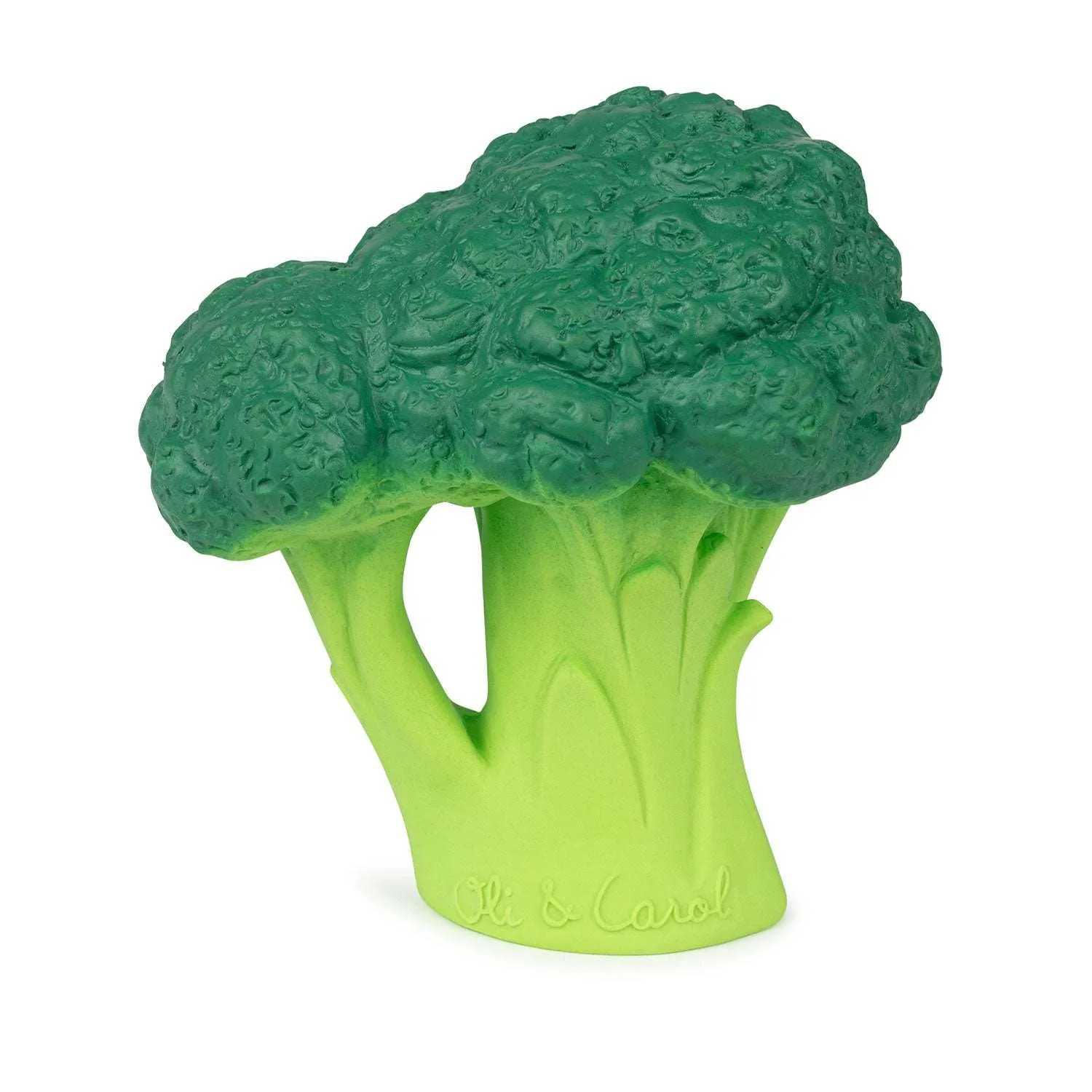
- Brucy the Broccoli Baby Teether: Brucy the Broccoli is a veggie-shaped baby teether that soothes gums and works as a sensory play toy and bath toy. Pairing the broccoli teether with the broccoli card gives a teething baby a safe thing to mouth while you show the matching card.
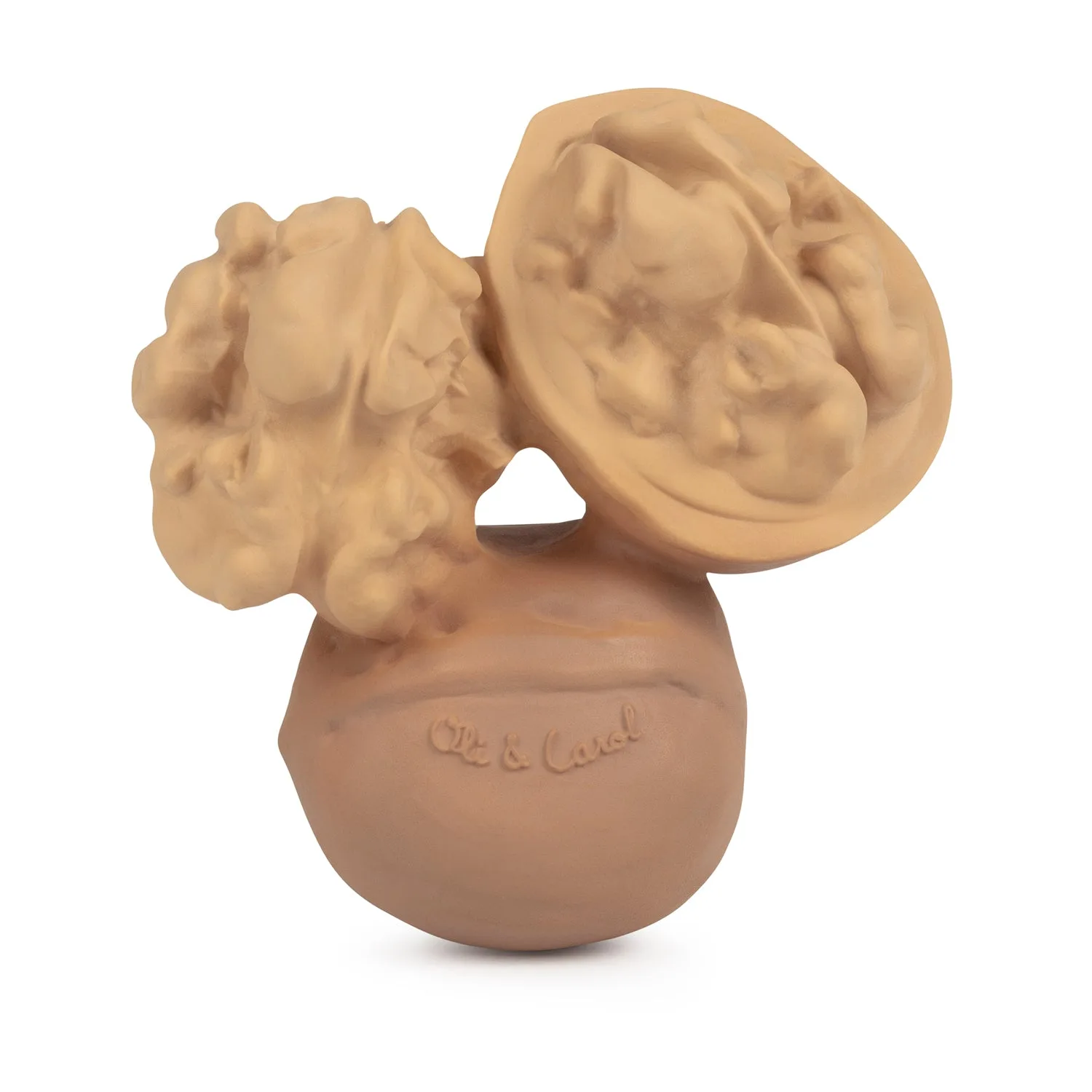
- Nutty the Walnut Baby Teether: Nutty the Walnut is a nut-shaped teether, bath toy, and sensory play toy with a hole in the middle that makes it easy to hang from a strap. The hanging hole means you can attach it to the textile bag strap so the teether stays with the card set instead of getting lost.