Quick answer
A fuel injector insert is the bore interface that holds the injector square and lets the o-ring seal against a clean, correct-diameter surface. If you see a wet injector pocket, a fuel smell, or a rough idle that returns after resealing, replace the insert and the o-rings rather than adding sealant. Sealant is not a repair for a worn or wrong-size insert.
Most injector leaks blamed on bad o-rings are actually bore problems. The fuel injector insert sets the depth and diameter the o-ring squeezes against; when it is scored, heat-cycled, or the wrong size, a new o-ring will leak again within a few heat cycles.
This guide separates what you can see, what usually causes it, and the point where resealing stops being the right call. It covers the injector seal guide basics you need before ordering parts, plus when a matched injector set makes more sense than chasing one leaking port.
What the insert and o-ring actually do
The insert is the sleeve or bore feature the injector seats into. It controls how deep the injector sits, how straight it points, and how much the o-ring is compressed. The fuel injector o-ring does the sealing, but it can only seal against a surface that is round, smooth, and the right size. If the insert is worn oval or scratched, the o-ring cannot conform enough to stop fuel or vacuum leaks.
Inserts also isolate the injector from manifold or head heat and from vibration. That is why a leak often appears after a repair rather than before it: a reused insert, a missing spacer, or a seal pushed in dry will fail once the engine reaches operating temperature.
- Lubricate o-rings with clean engine oil or silicone grease, never petroleum jelly or RTV.
- Seat the injector by hand first; if it needs force, the insert or o-ring size is wrong.
- Do not reuse an o-ring that has been installed and heat-cycled, even if it looks fine.
Symptoms of an injector seal leak
An injector seal leak rarely announces itself with a puddle. More often you get a fuel smell at cold start, a wet or dark stain around the injector pocket, and a rough idle that smooths out once the engine warms. A vacuum-side leak at the same seal can cause a lean condition, a wandering idle, and fuel trims that drift positive at idle but correct at higher rpm.
A pressure test or a smoke test on the intake side will confirm whether the leak is at the seal or somewhere else in the fuel system. If the leak returns at the same cylinder after a reseal, treat the insert as the suspect, not the o-ring.
- Compare fuel trim at idle versus 2,500 rpm; a large idle-only split points to a vacuum-side seal leak.
- Check for fuel residue at the base of the injector after a cold start, before the engine bay warms up.
- A misfire code on one cylinder plus a fuel smell is a seal problem until proven otherwise.
Likely causes, ranked
The most common cause is a worn or incorrect insert. Heat cycling hardens the bore surface, and repeated injector removal can score it. The second most common cause is the wrong o-ring: a generic ring with the wrong cross-section or material will not hold at fuel pressure and heat. Third is installation damage, such as a nicked o-ring, a dry install, or a seal rolled out of its groove.
Less common but worth checking: a cracked injector body, a damaged connector causing an electrical misfire that mimics a seal leak, and a fuel rail or line leak dripping onto the injector area. Confirm the source before buying parts.
- Measure the bore and the old o-ring before ordering; do not assume the last set was correct.
- Inspect the injector body for cracks near the nozzle and the connector for corrosion.
- If two or more cylinders leak at once, suspect a fuel pressure or rail issue, not just the seals.
Corrective action: reseal or replace the insert
If the bore is clean, round, and the correct size, reseal with new o-rings and the right lubricant. Clean the bore with a lint-free swab and a solvent that leaves no residue. Install the injector straight, by hand, and torque the rail or retaining hardware to the manufacturer's spec. Then recheck fuel trims and look for wetness after a full heat cycle.
If the bore is scored, oval, or the old insert is loose, replace the insert. Injector insert replacement is the only fix that restores the sealing surface. On engines where the insert is part of the manifold or head, this may mean removing the manifold; at that point, a matched injector set with fresh seals is often the more efficient path than reusing old injectors in a new bore.
- Replace all seals on the affected rail, not just the leaking cylinder, when mileage is high.
- Use a torque wrench on the rail and retaining bolts; over-tightening distorts the insert.
- After reassembly, run a full cold-to-hot cycle and recheck for fuel smell and trim drift.
When to stop and choose another option
Stop resealing if the insert is damaged, if the injector body is cracked, or if the same port leaks twice. Stop if the injector connector is brittle or the harness shows heat damage; an electrical fault will keep setting misfire codes no matter how well the seal is done. Stop if you cannot confirm the correct o-ring size and material for your fuel type.
At that point, choose the correct replacement path: a new insert, a matched injector set, or a connector adapter if the harness is the real problem. Guessing here costs more than the parts.
- Do not use RTV, tape, or oversized o-rings to compensate for a bad bore.
- If fuel is present outside the rail with the key on, stop and depressurize before further diagnosis.
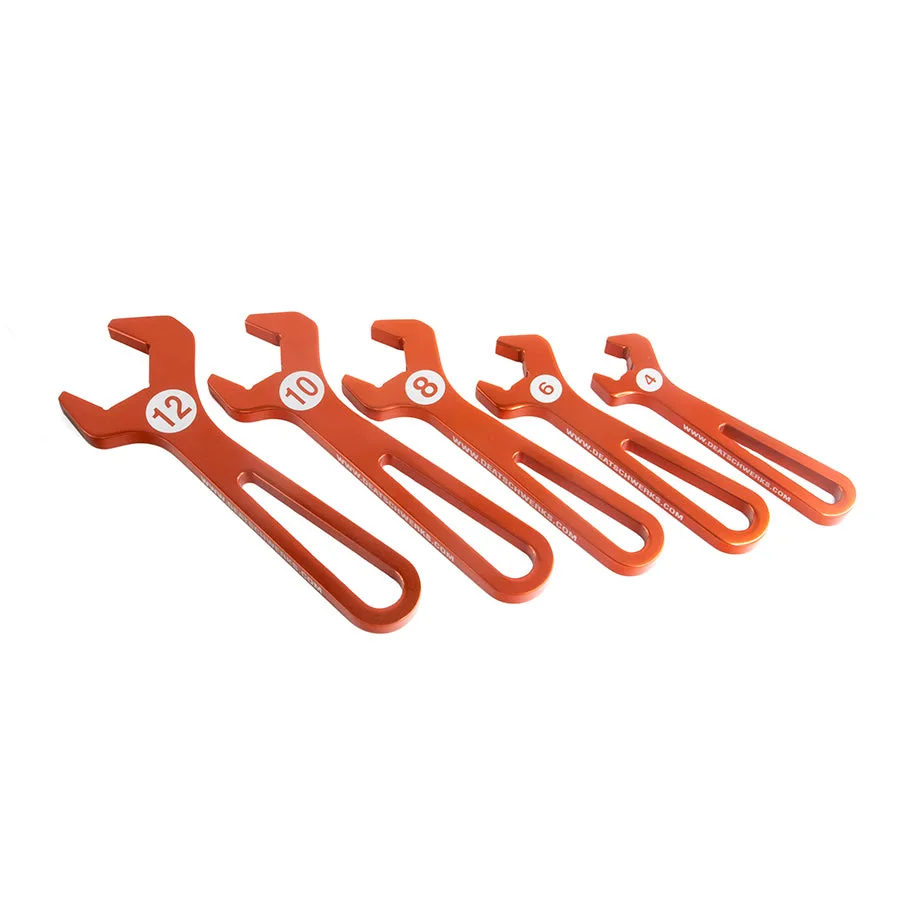
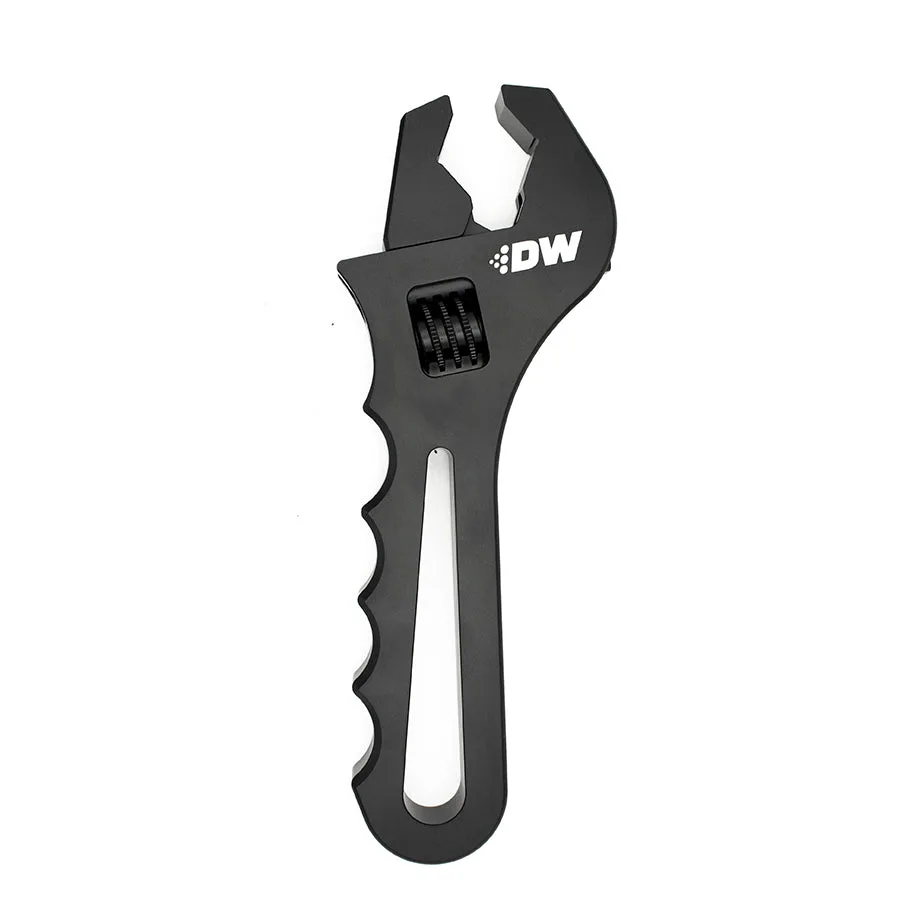
- If you lack the https://deatschwerksevz.com/products/6-02-1006-7a13ff8544cc267e065c3400-2678010https://deatschwerksevz.com/products/6-02-1007-b0ccfd66fb95c83cd8aca3e4-2678153tools to measure the bore, have a shop confirm the insert size before ordering.
Injector seal leak diagnosis
- Wet injector pocket, fuel smell at cold start: Fuel is escaping past the o-ring or the insert surface is not sealing. Clean and inspect the bore, then replace the o-rings and the insert if the bore is scored or oval. Reseal only if the bore measures round and correct.
- Rough idle that smooths out when warm: A vacuum-side seal leak leans the mixture at idle. Confirm with fuel trim comparison at idle versus 2,500 rpm before replacing parts. If trims correct at higher rpm, focus on the injector seal and insert, not the fuel pump.
- Same cylinder leaks again after reseal: The insert is the likely cause. Replace the insert, and replace the injector if the body is cracked or the connector is heat-damaged. Stop resealing; change the insert or the injector.
- Misfire code with no fuel residue: Check the connector and harness before condemning the seal. A brittle plug or corroded terminal can mimic a seal leak. Use a connector adapter if the harness is the fault, not the injector.
Parts that solve the real problem
- 800cc - 240sx SOHC KA24E: Matched set of 4 800cc Injectors for Nissan 240sx SOHC KA24E 89-90 A matched set gives you four injectors with consistent flow and fresh seals, which is the practical choice when the bore is being redone or multiple ports have leaked.
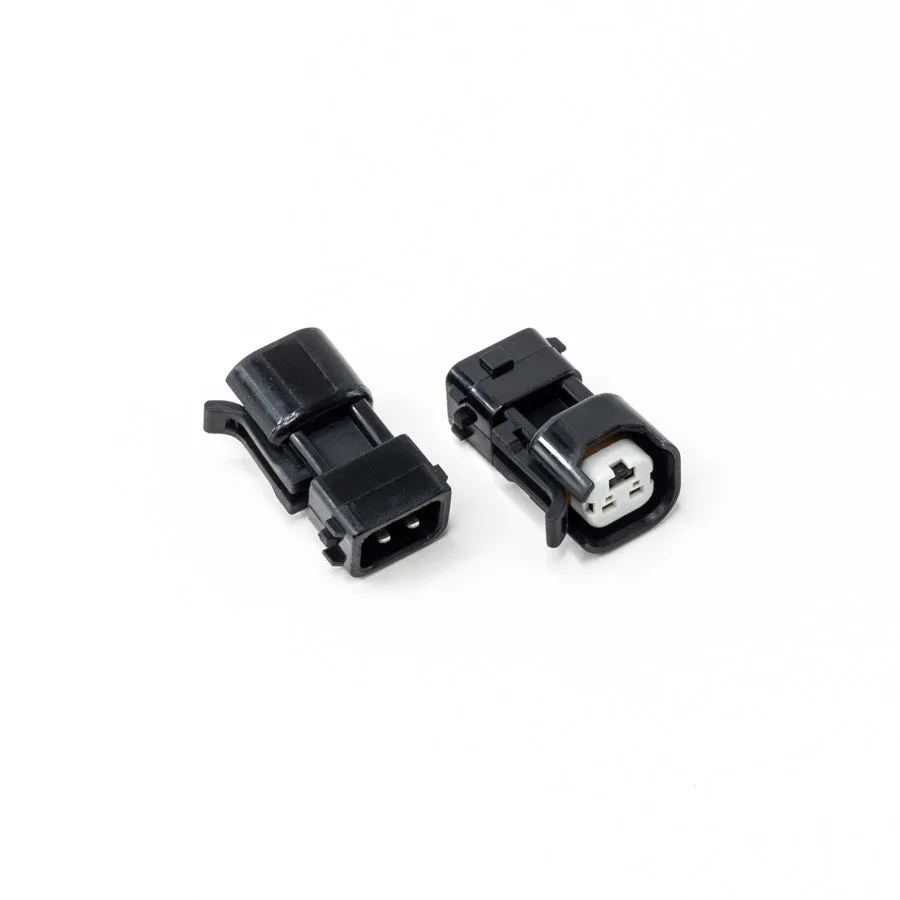
- EV14 to Honda Connector Adapter: USCAR(EV14) Injector to Pre-2012 Honda Harness Connector Adapter If the misfire is actually a brittle or damaged connector rather than a seal, this adapter lets you keep the injector and fix the electrical side without cutting the harness.
- EV14 to Honda2 Wired Connector Adapter: USCAR(EV14) Injector to Post-2012 Honda Harness Wired Connector Adapter Post-2012 Honda harnesses use a different plug, so matching the adapter to the harness year prevents a no-start or misfire after injector service.
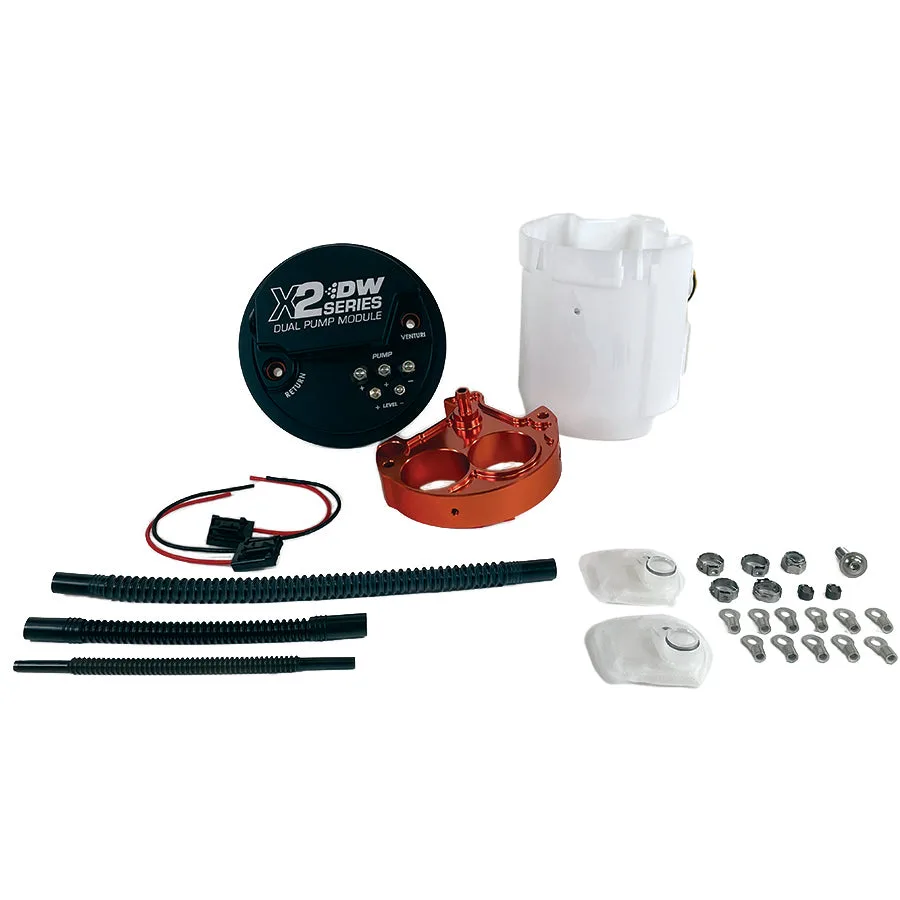
- Performance In-Tank Regulator - 4.5 BAR for Nissan and Infiniti: Performance In-Tank Regulator - high performance 4.5 BAR for Nissan and Infiniti If fuel pressure is higher than the seal was designed for, leaks return. A correct regulator keeps pressure in the range the injector seals and insert were built to handle.
Fix the bore, not just the o-ring. Confirm the insert size and condition, use the correct o-ring, and stop resealing when the insert or injector body is the real fault. That is how you prevent the same injector leak from coming back.