Quick answer
Most fuel level control unit problems come down to a worn sender, a bad ground, or a wiring fault, not the gauge itself. Test the sender's resistance through its full sweep before buying parts. If resistance is open, erratic, or stuck, replace the unit; if it tracks smoothly, chase the wiring and ground instead.
An inaccurate fuel gauge is more than an annoyance. It changes how you plan stops, how low you dare to run the tank, and whether you trust the car on a long drive. The fuel level control unit is the part that turns float position into an electrical signal the gauge can read, so when it drifts or dies, the dash lies to you.
This guide separates what you see from what actually causes it, gives you a test sequence that does not require guessing, and tells you when to stop diagnosing and replace the unit. You will also see which related parts are worth checking while you are already in the tank.
Symptoms that point to the fuel level control unit
The classic sign is a fuel gauge inaccurate at one end of the range but fine at the other. A sender that reads full correctly but drops to empty early usually has a worn resistance track near the bottom of its sweep. The opposite pattern, where the gauge never reaches full, often means the float arm is bent or the float has absorbed fuel and sits low.
A gauge that moves in jumps, sticks at one spot, or swings while cornering points to an intermittent contact inside the sender or a loose connector. If the needle drops to empty and the low-fuel light comes on with a full tank, treat it as an open circuit until proven otherwise. These are fuel level sensor problems you can often confirm with a multimeter before removing anything.
- Gauge reads full but empties early: worn lower resistance track.
- Gauge never reaches full: bent float arm or saturated float.
- Needle jumps or sticks: intermittent sender contact or connector.
- Reads empty with a full tank: open circuit, likely wiring or ground.
How to test the fuel level sender
Start by finding the sender's resistance specification for your vehicle. Without it, you cannot judge a reading. Disconnect the sender connector and measure resistance across the sender terminals while slowly moving the float arm through its full travel. A healthy unit changes smoothly and stays within the specified range at both stops. A unit that jumps, reads open, or flatlines has failed.
If the sender tests good, check the ground between the tank and the chassis, then inspect the connector pins for corrosion or pushed terminals. A voltage drop test on the ground side often reveals a fault that a simple resistance check misses. Only after the sender and its wiring pass should you suspect the gauge or instrument cluster.
- Get the resistance spec before testing; without it, readings mean nothing.
- Sweep the float arm slowly and watch for jumps or open readings.
- Test ground continuity and connector pins after the sender passes.
- Suspect the cluster only after sender and wiring are ruled out.
When to replace the fuel level control unit
Replace the unit when resistance is open, erratic, or outside spec through part of the sweep, or when the float is fuel-logged and sinks. If the sender is integrated into a fuel pump module assembly, you may need to replace the whole module rather than just the sender. That is common on returnless systems where the level sensor, pump, and regulator share one housing.
If you are already dropping the tank, it makes sense to refresh related wear items at the same time. A new fuel filter, fresh O-rings, and a clean connector reduce the chance of a second repair. On performance builds, a surge tank or upgraded pump module can solve both fuel delivery and level-sensing issues in one step.
- Replace if the sender is open, erratic, or out of spec.
- Replace the whole module if the sender is not serviceable separately.
- Refresh filter, O-rings, and connectors while the tank is down.
- Do not replace the cluster until sender and wiring are cleared.
Choosing replacement parts that fit
Fitment is where most fuel level unit replacement jobs go wrong. Match the connector shape, pin count, resistance range, and float arm orientation to your original unit. A sender with the wrong resistance range will move the needle in the wrong direction or peg it at one end. If the listing does not state the resistance range, treat that as a decision limitation and confirm with the seller before ordering.
For vehicles with a return-style fuel system, upgrading the feed and return lines is a separate job from level sensing, but it is often done at the same time. A PTFE plumbing kit with defined feed and return sizes removes guesswork about hose compatibility. Keep the level-sensing circuit stock unless you are prepared to recalibrate the gauge.
- Match connector, pin count, resistance range, and float orientation.
- Confirm resistance range if the listing omits it.
- Keep level-sensing wiring stock unless you can recalibrate.
- Upgrade feed and return lines as a separate, deliberate step.
Fuel gauge diagnosis at a glance
- Gauge reads full, then drops early: Worn resistance track near the bottom of the sender sweep. Test resistance through full travel. Replace the sender or module if the lower range is out of spec.
- Gauge never reaches full: Bent float arm or a float that has absorbed fuel and sits low. Inspect the float and arm. Replace the float assembly if it cannot be corrected.
- Needle jumps or sticks: Intermittent contact inside the sender or a loose, corroded connector. Wiggle-test the harness. Repair the connector first; replace the sender if the fault is internal.
- Reads empty with a full tank: Open circuit. Check sender resistance, ground continuity, and pin tension. Fix wiring or ground before buying a new unit.
- Sender tests good, gauge still wrong: The fault is in the wiring, ground, or instrument cluster, not the fuel level control unit. Stop replacing senders and diagnose the cluster circuit.
Parts that support a fuel system refresh
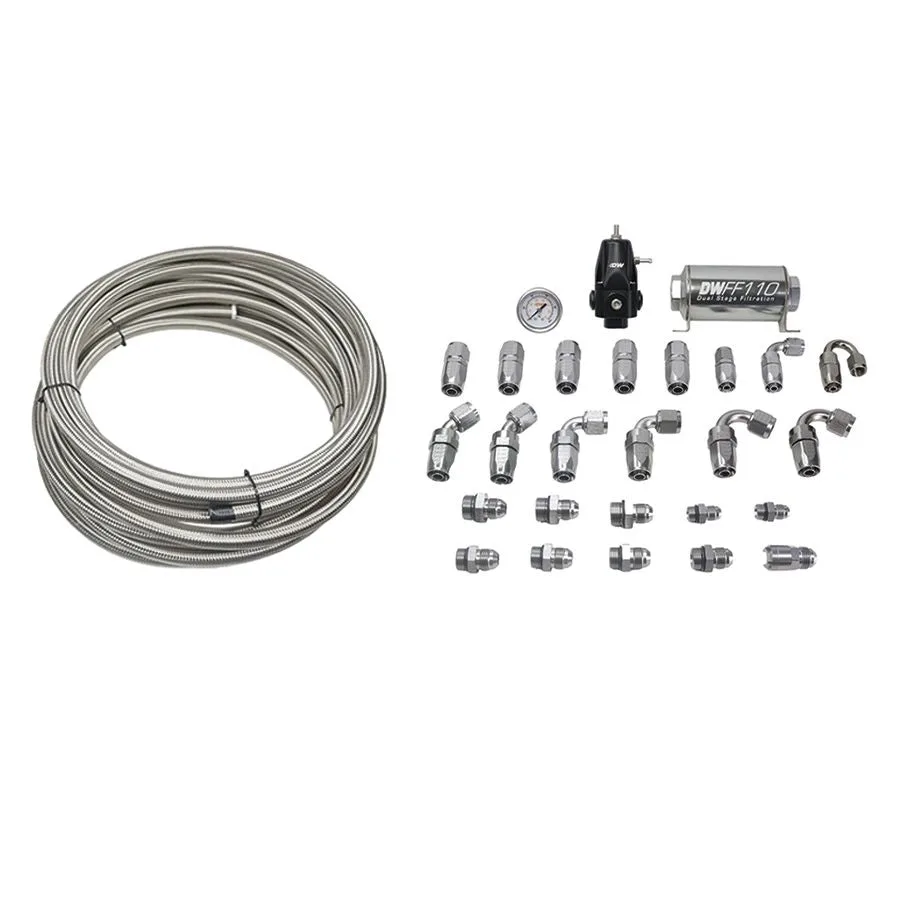
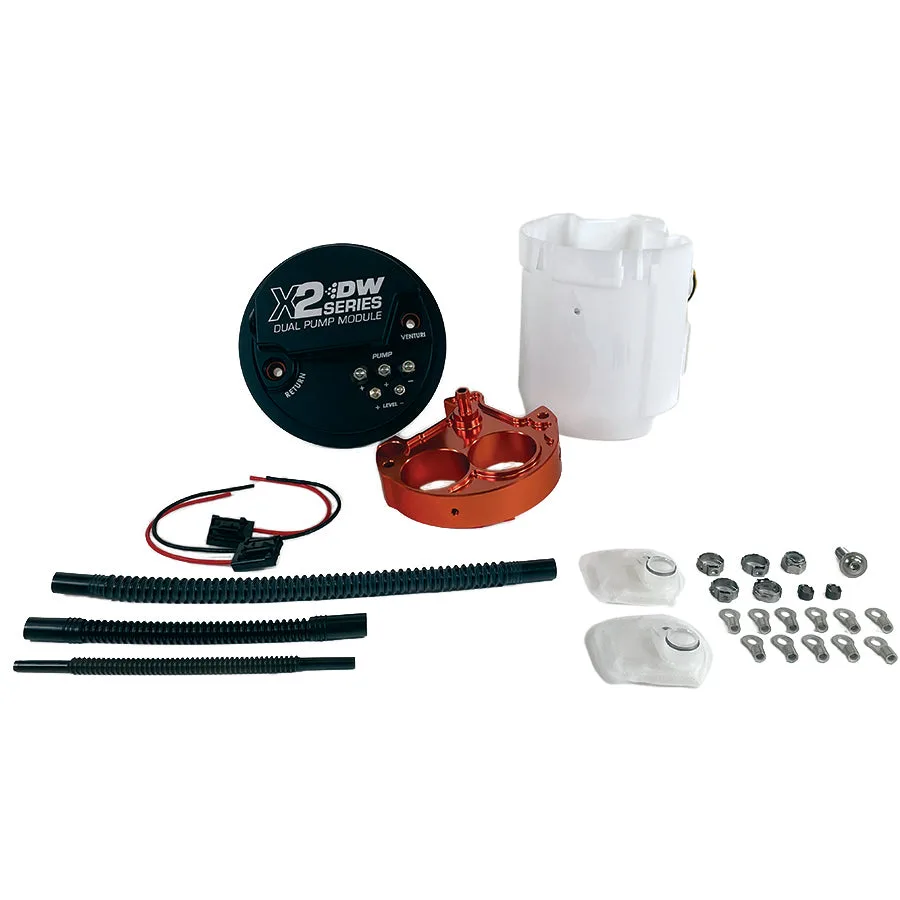
- Return Plumbing kit for 6 Gen Camaro SS/ZL1, CTS-V3, PTFE, 8AN feed, 6AN return: X2 Series Pump Module -8AN feed with -6AN return PTFE Plumbing Kit for 2016-19 Cadillac CTS-V, 2016-19 Cadillac ATS-V, 2016-2022 Chevy Camaro SS, 2017-2022 Chevy Camaro ZL1 Defined feed and return sizes remove hose-matching guesswork when you are already working around the tank on these platforms.
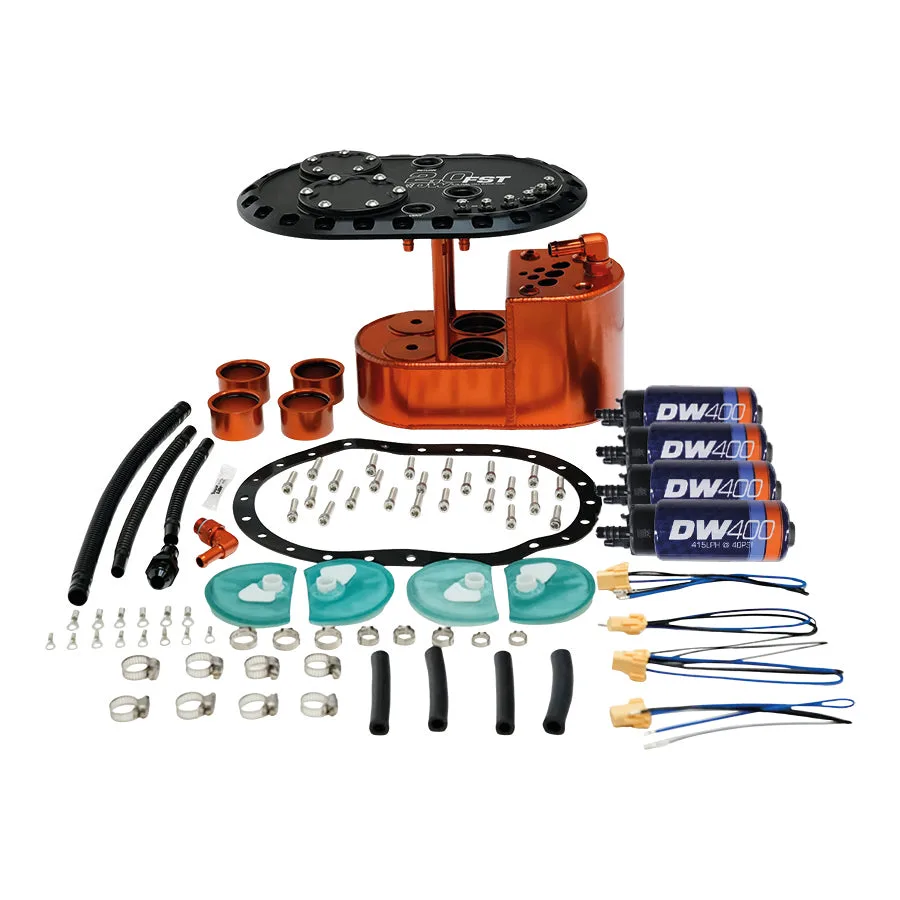
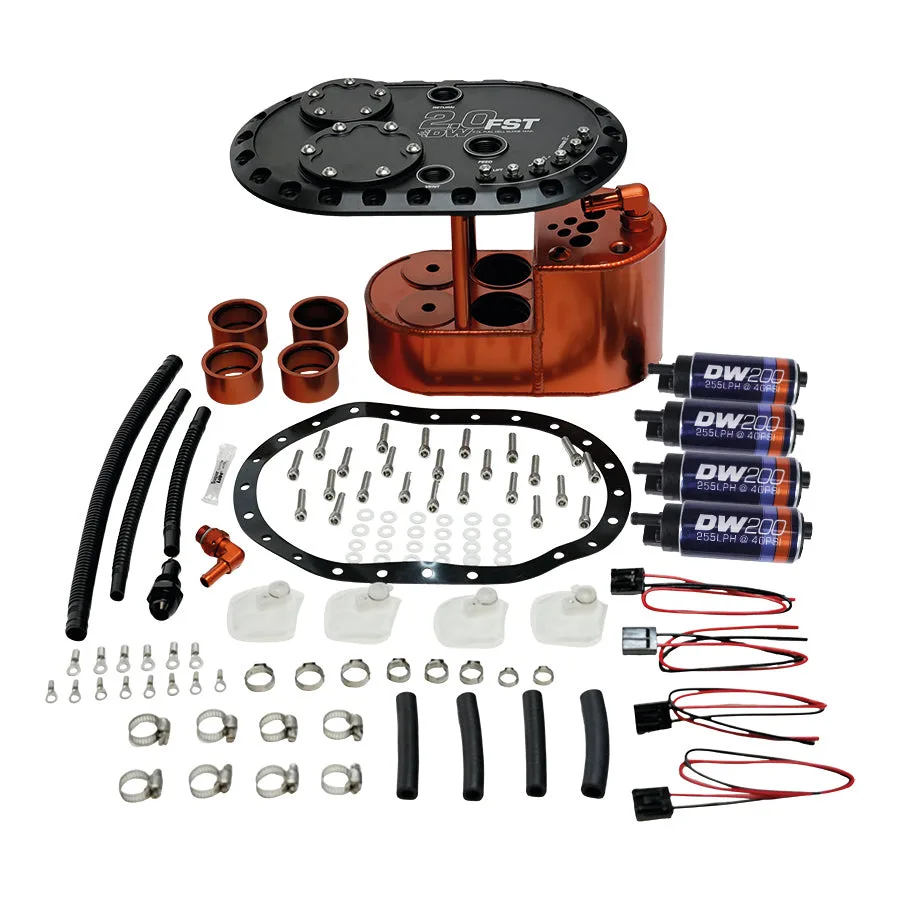
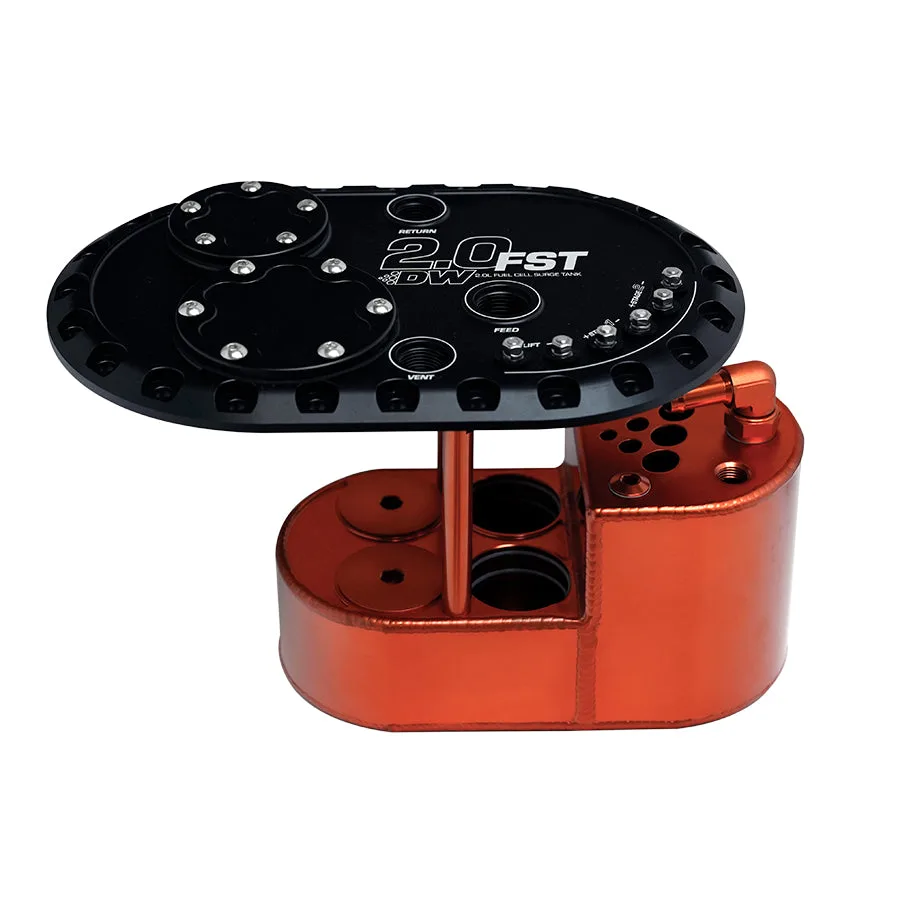
- https://deatschwerksevz.com/products/6-301-20fst-6fd98733ba6b5c0d17bc9624-2680561https://deatschwerksevz.com/products/6-201-20fst-b32e3276865b3c954af3ddf0-2680571https://deatschwerksevz.com/products/6-401-20fst-dbd90d1d9324603ed20aa16d-26805732.0L Fuel Cell Surge Tank: 2.0L Staged Fuel Cell Surge Tank with 4 DW200 Fuel Pumps, Universal A staged surge tank keeps fuel at the pickup during hard cornering, which prevents the fuel starvation that can mimic a level-sensing fault on track cars.
Work from symptom to sender to wiring to cluster, and only replace the fuel level control unit when the test results justify it. That order saves money and keeps the dash honest.