Quick answer
A fuel pump that won't prime is almost always a power-delivery problem, not a dead pump. Check the fuel pump fuse first, then the relay, then confirm you have voltage at the pump connector during the prime window. Only after you've verified good power and ground should you suspect the pump itself.
You turn the key, and instead of the usual two-second whir from the tank, you get silence. The engine cranks but won't fire, and the first instinct is to blame the pump. Most of the time, though, the pump is fine and something upstream is cutting its power.
This guide walks through a no-prime diagnosis in the order that saves the most time and money: fuse, relay, power and ground at the connector, then the pump. Each step tells you what the symptom means, what to do about it, and when to stop chasing wiring and move to a different fix.
Confirm the symptom before you touch anything
A normal prime is a brief pump run when the key turns to ON, usually one to three seconds, followed by silence until the engine starts. If you hear nothing at all, that's a true no-prime. If you hear the pump but the engine still won't start, you have a different problem, likely fuel pressure or delivery, and the electrical checks below won't help.
Have someone cycle the key while you listen at the open fuel door or near the tank. On some cars the pump is quiet enough that you need to put a hand on the tank or use a stethoscope on the fuel line. Write down exactly what you hear and when, because the timing tells you whether the pump is getting a prime command at all.
- Key ON, engine OFF is the only reliable prime test window on most vehicles.
- If the pump runs constantly instead of briefly, stop and check the relay and pressure sensor circuit.
- A pump that primes but the car won't start points to pressure, not power.
Check the fuel pump fuse and relay first
The fuel pump fuse is the fastest check and the most common failure point. Pull it, hold it up to light, and look for a broken element. If it's blown, replace it with the same rating, but don't stop there: a fuse that blows again immediately means a short or a pump drawing too much current, and you need to find the cause before replacing it a third time.
Next is the relay. A fuel pump relay test is simple: swap it with an identical relay from a non-critical circuit, like the horn or rear defroster, and try the prime again. If the pump now primes, the original relay was the problem. If nothing changes, move on to voltage testing at the pump connector.
- Never install a larger fuse to 'fix' a blowing circuit.
- Relay pin numbering varies; match the replacement by part number, not just shape.
- A relay that clicks doesn't guarantee it's passing current to the pump.
Test for power and ground at the pump connector
This is where fuel pump no power gets confirmed or ruled out. Backprobe the pump connector with a multimeter set to DC volts. With the key cycled to ON, you should see battery voltage for the prime window on the power wire. If you see nothing, the problem is upstream: fuse, relay, inertia switch, or wiring. If you see voltage but the pump doesn't run, the ground side is the next suspect.
Test the ground wire with a resistance check to a known good chassis point, or run a temporary jumper from the pump ground terminal to bare metal. If the pump runs on the jumper, you've found a bad ground and can repair that circuit rather than replacing the pump. If it still doesn't run with confirmed power and ground, the pump has failed.
- Use a helper to cycle the key while you hold the meter probes; the prime window is short.
- Check for an inertia or rollover switch in the trunk or kick panel before condemning wiring.
- A corroded connector can pass voltage on a meter but not enough current to spin the pump.
When to stop diagnosing and replace the pump
If you have confirmed battery voltage at the connector during the prime window, a good ground, a good fuse, and a known-good relay, and the pump still doesn't run, stop testing. The pump is the fault. Continuing to chase wiring at that point wastes time and risks damaging connectors.
Replacement choice matters more than most people expect. A stock-replacement pump restores original behavior; a higher-flow pump supports more power later but may need a matching module or install kit. Match the pump to your fuel system and your goals, not just the connector shape.
- If the pump runs on a bench test with 12V applied, the fault is in the vehicle harness.
- If the pump is original and high-mileage, replacing it now is cheaper than a second teardown.
- Always replace the strainer or filter sock with the pump.
No-prime diagnosis at a glance
- No prime, fuse blown: Replace the fuse with the same rating and retry. If it blows again, stop and find the short or excessive current draw before installing another fuse. Fuse replaced and holding: move to relay check. Fuse blowing again: electrical fault, not a pump problem.
- No prime, fuse good, relay clicks: Swap the relay with an identical known-good unit from another circuit and retry the prime. A clicking relay can still fail to pass current. Pump primes on swapped relay: replace the relay. No change: test voltage at the pump connector.
- No power at pump connector: Backprobe for battery voltage during the key-ON prime window. No voltage means the fault is upstream: fuse, relay, inertia switch, or wiring. Stop testing the pump. Repair the power circuit first.
- Power and ground confirmed, pump silent: With battery voltage at the connector during prime and a verified ground, a silent pump has failed. Further wiring checks won't change the outcome. Stop diagnosing and replace the pump, including the strainer or filter sock.
Pumps and install kits that fit this diagnosis
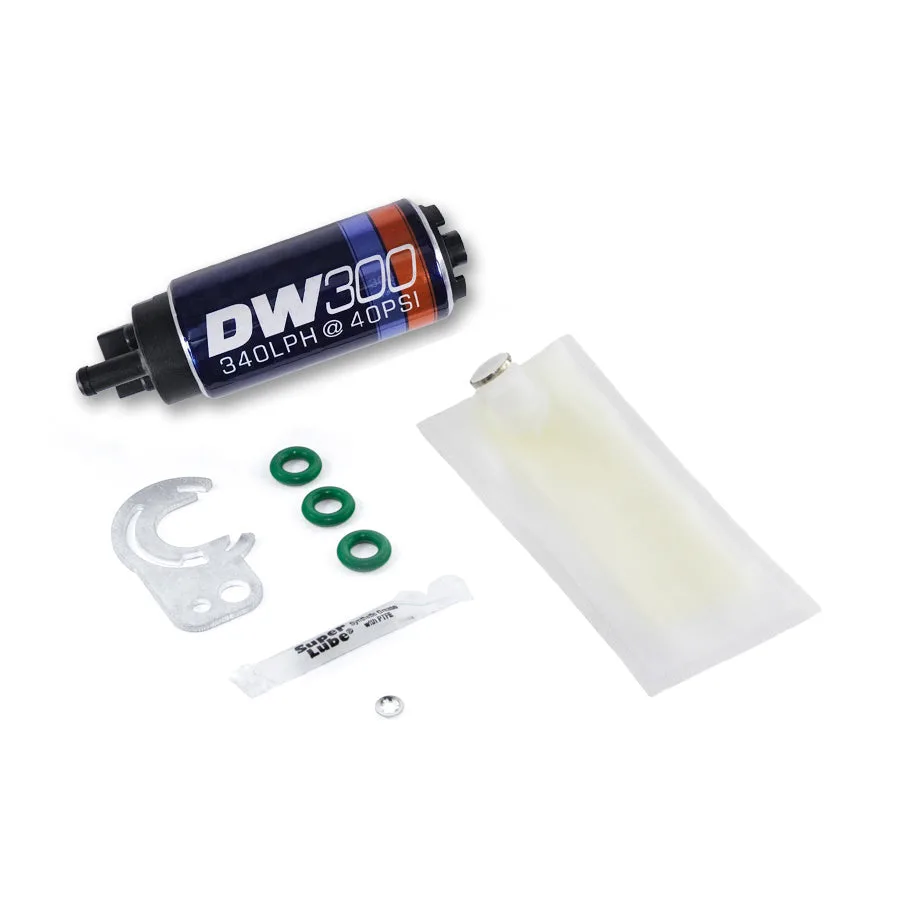
- https://deatschwerksevz.com/products/9-301-0836-9f9d9b6f5114cc6cd2d67c04-2678546DW300 Fuel pump for NA Miata: DW300 series, 340lph in-tank fuel pump with install kit for Miata 89-93. If your no-prime test ends with a failed pump, this is a direct in-tank replacement that includes the install hardware, so you aren't sourcing a separate kit.
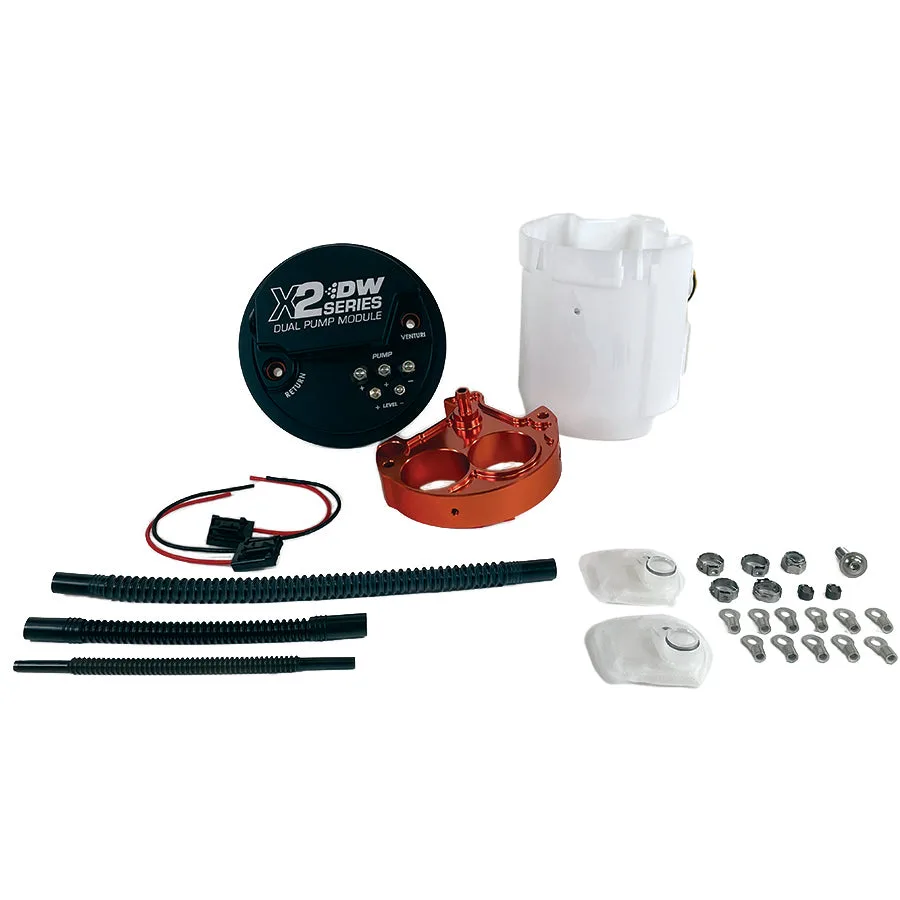
- DW65V Fuel pump for FWD VW/Audi: DW65v series, 265lph in-tank fuel pump with install kit for VW and Audi 1.8t FWD. A moderate-flow option for 1.8t FWD cars where the stock pump has failed and you want a drop-in fit without overbuilding the fuel system.
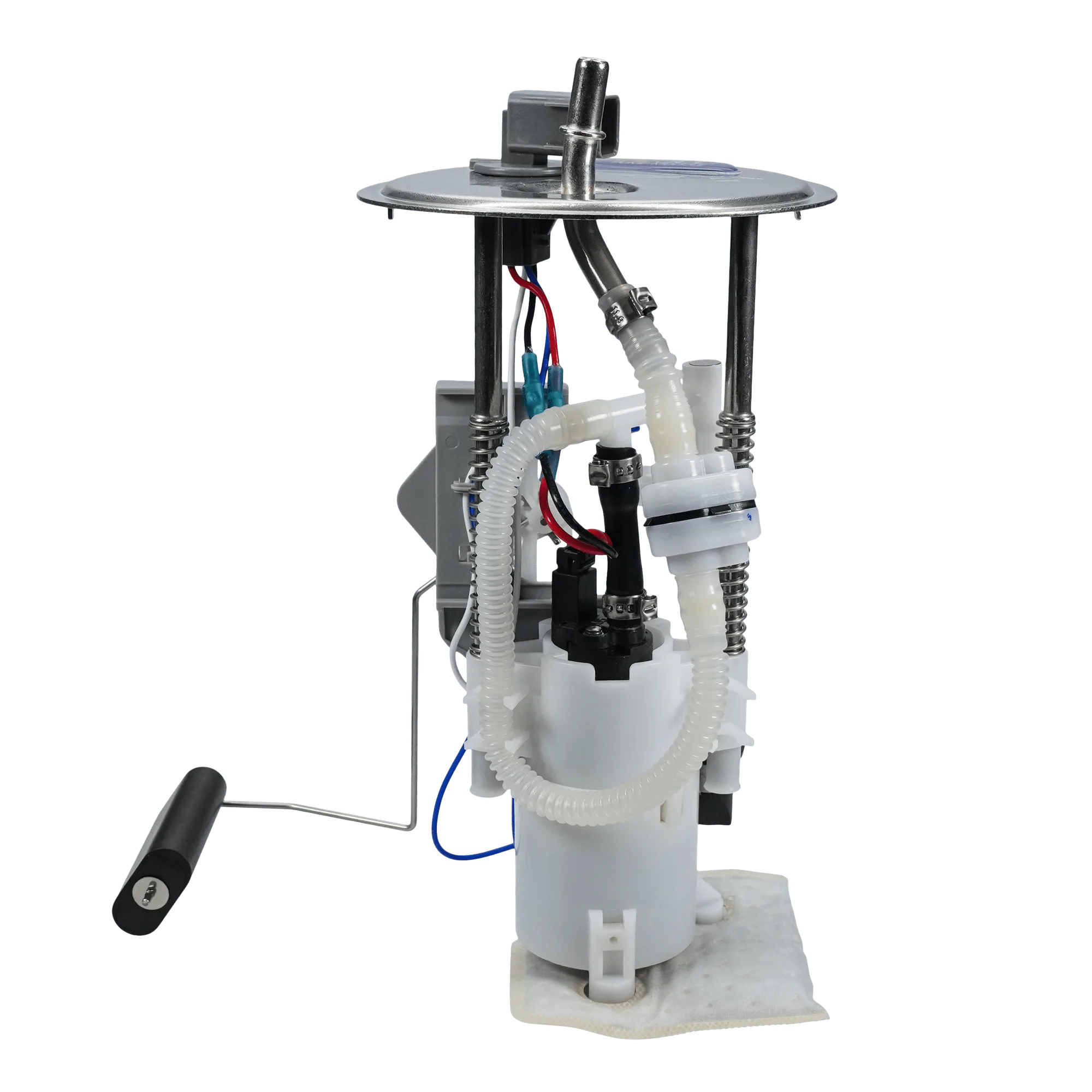
- DW300 Performance Pump Module for S197 Mustang 4.6: DW300 Performance Pump Module for 2005-09 S197 Mustang. A complete module assembly rather than a bare pump, which saves time if your diagnosis points to a failed module rather than a failed pump alone.
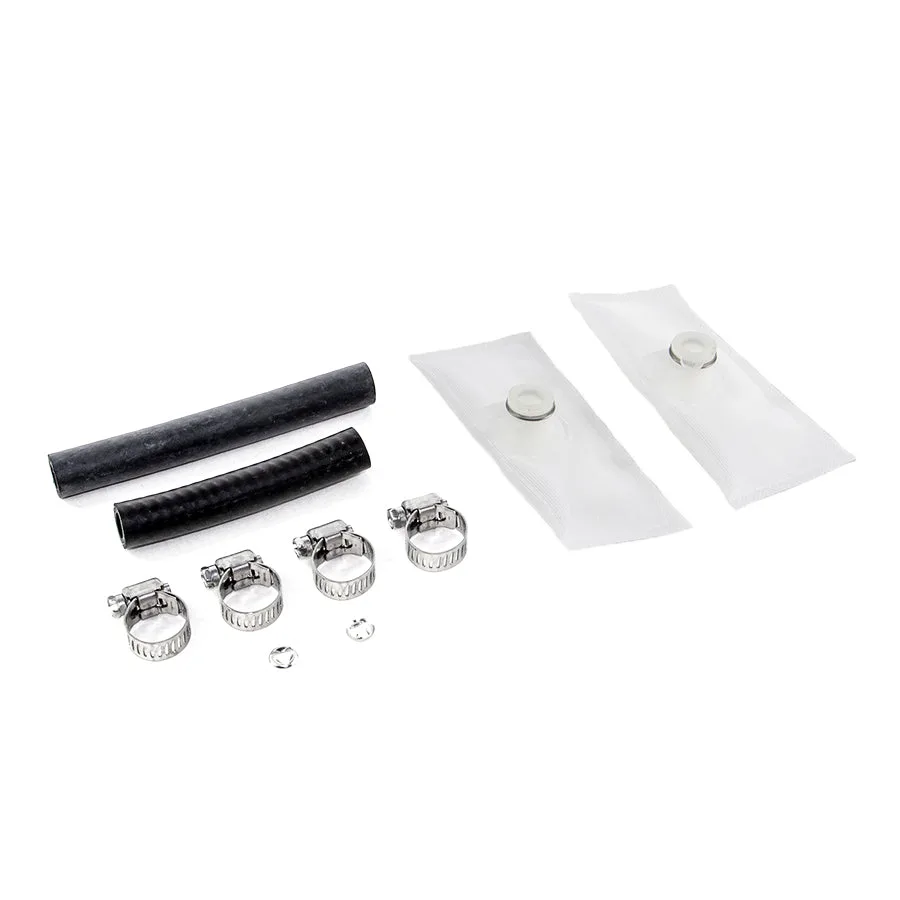
- DW65C/300C for Ford Lightning: Install kit for DW65C and DW300C. 99-04 Ford Lightning and 02-03 Harley F150 (dual pumps). If you're replacing pumps on a dual-pump Lightning or Harley F150, this kit covers the install hardware so the job doesn't stall on missing parts.
Work the no-prime diagnosis in order: fuse, relay, power, ground, then pump. Most fuel pump priming fixes are electrical and cost nothing but time. When you've confirmed power and ground and the pump still won't run, replace it with a pump matched to your vehicle and fuel system, and replace the strainer at the same time.