Start with the pair in your hand, not the drill
The FURNITURE KNOB / CROSS from Buster + Punch arrives as a pair of knobs made from solid metal. That pair is the first planning fact: it suits a single cabinet door with two drill points, a pair of cupboard doors, or two drawers. If your kitchen run has six doors, you will need three pairs, not one.
The knobs feature a diamond-cut, cross-knurl pattern and are refined by hand. The catalog says they work on cabinet doors, cupboards, kitchen units and just about anything that can open. That is broad, but it does not confirm a mounting screw size, a maximum door thickness, or a load rating. Those details are not in the supplied information, so measure your own doors and check the fixing hardware before you commit.
What the catalog confirms about the cross knob
-
FURNITURE KNOB / CROSS: A pair of furniture knobs made from solid metal. Two knobs per pack sets your quantity planning before you choose placement.
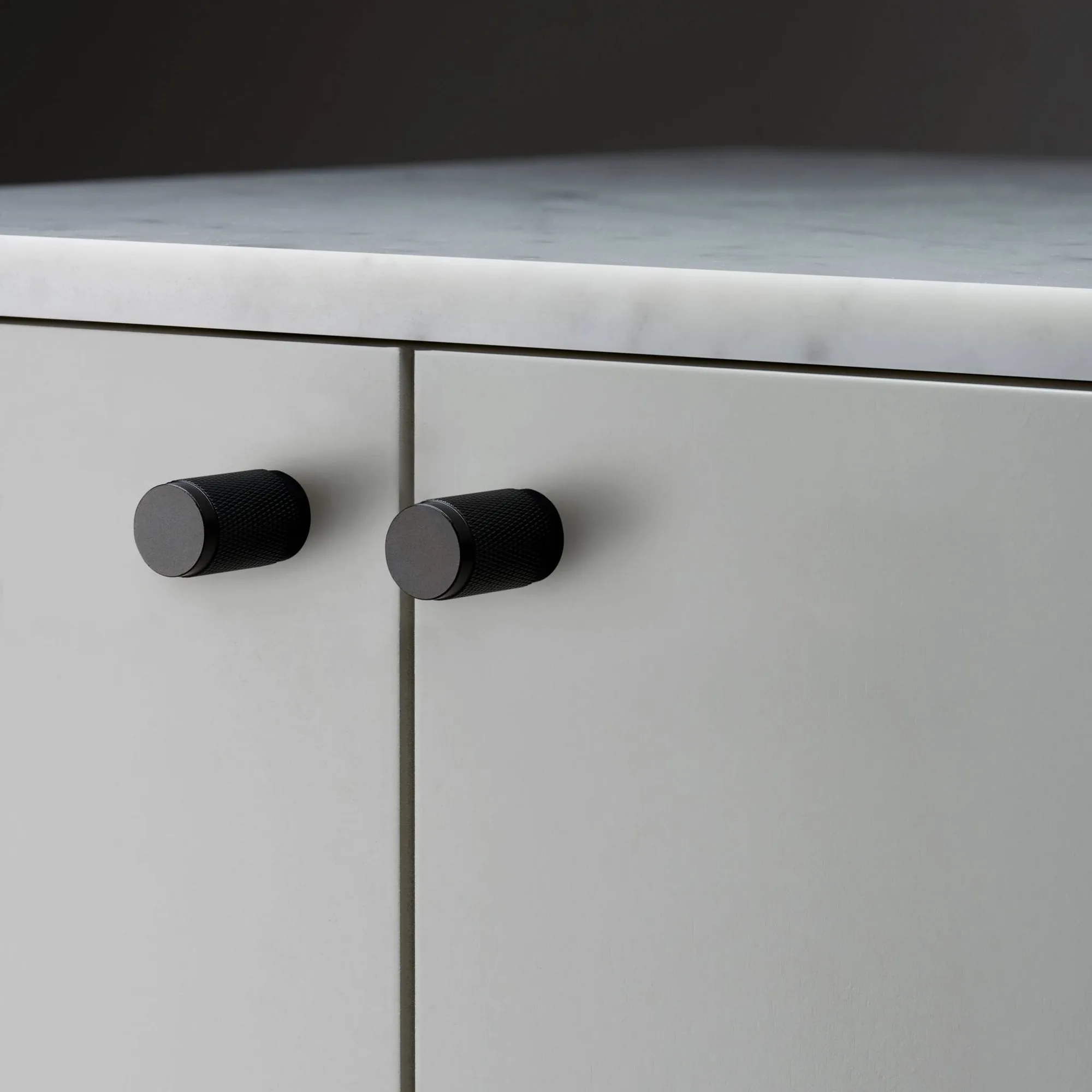
FURNITURE KNOB / CROSS
-
FURNITURE KNOB / CROSS: Signature diamond-cut, cross-knurl pattern, refined by hand. The texture is a visual and tactile feature, so it should guide where you put the knob, not just how it looks in a photo.
-
FURNITURE KNOB / CROSS: Works great on cabinet doors, cupboards, kitchen units and just about anything that can open. This is the catalog's intended use, not a guarantee for every door type or thickness.
A sensible order for fitting the cross knobs
- Count your openings and buy in pairs: The product is sold as a pair. Count doors and drawers that will receive a knob, then divide by two and round up. Keep spare pairs for future cabinet changes rather than assuming you can buy a single knob later.
- Check your door and drawer fronts: The catalog does not state a screw length, drill size or maximum door thickness. Before drilling, confirm the fixing hardware suits your door material and thickness. If you are unsure, ask a fitter rather than guessing.
- Mark placement before you drill: The cross pattern is symmetrical, so the knob reads the same from most angles. Decide whether it sits centered on a drawer front or near the opening edge of a cabinet door. The catalog does not prescribe a position, so choose one that feels comfortable for your hand and consistent across the run.
- Test one knob before committing to the run: Fit one knob on a spare or least visible door first. Check that it sits flush, turns freely if your fixing allows, and feels secure. Then repeat the same position across the remaining doors.
Knob placement on drawers versus cabinet doors
On drawers, a single centered knob is the simplest pattern. The cross knurl gives you a clear grip point, and centering keeps the drawer front looking balanced. On cabinet doors, the knob usually sits near the opening edge, but the catalog does not specify an offset. The practical test is reach: open the door, place your hand where the knob would sit, and check that your wrist does not twist awkwardly.
For a run of cabinets, consistency matters more than a perfect measurement. Pick one height or offset and repeat it. If you are mixing drawers and doors in the same kitchen, line up the knob centers across the run where possible. The cross pattern is small enough that slight variations in placement are more noticeable than the knob itself.
Choosing a finish for your kitchen or cupboard
The cross knob is available in five finishes: smoked bronze, brass, black, steel and warm sunset. The catalog does not describe how each finish ages or whether it is lacquered, so treat finish choice as a visual decision first and ask about care if you need certainty.
- Brass: A warm, traditional metal tone that suits painted cabinets and wood grains. The catalog does not confirm whether it is unlacquered or lacquered, so ask before assuming it will patina.
- Black: A high-contrast choice for white or light cabinet fronts. The cross knurl reads clearly in black, which helps on busy door styles.
- Steel: A cooler, more industrial look that pairs well with stainless appliances and grey units.
- Smoked bronze: A darker, muted metal tone for a softer contrast than black. Useful where you want the knob to blend rather than stand out.
- Warm sunset: A distinct finish in the range. Because the catalog does not describe its exact tone or care, order one pair first if you are matching an existing color scheme.
What to check before you drill
The supplied information does not include a drill bit size, screw length, mounting template or maximum door thickness. That means you should not treat this guide as a drilling specification. Instead, use the knob pair to test-fit on a scrap piece of the same door material, or ask your cabinet maker to confirm the fixing.
Also check that the knob's base sits flat against your door face. Raised panel doors, beveled edges and very thin fronts can affect how a knob seats. The catalog does not confirm suitability for every door style, so inspect your own doors before buying multiple pairs.
Care and long-term use
- Clean with a soft, damp cloth: The catalog does not supply a care routine. A soft cloth avoids scratching the hand-refined surface, but confirm any cleaning product with the manufacturer before use.
- Avoid abrasive cleaners: Because the knobs are refined by hand and feature a diamond-cut pattern, abrasive pads or harsh chemicals could dull the finish. This is general caution, not a catalog instruction.
- Check fixings periodically: The catalog does not state a maintenance interval. As with any cabinet knob, check that it remains tight after repeated use, especially on frequently opened doors.
Price context without the sales pitch
At a catalog price of USD 36.26 for a pair, the cross knob sits in a mid-to-premium range for cabinet hardware. The comparison price shown is USD 49.00. That price buys solid metal, a hand-refined finish and a distinctive cross knurl. Whether it is worth it depends on how many pairs you need and how much the visual detail matters in your kitchen. For a small run, the pair format keeps the cost predictable; for a large kitchen, count carefully before ordering.