Quick answer
Choose the FUTO short sleeve knit top PCO_ 1 if you want a garment-dyed cotton knit with a touch of stretch in the rib and a relaxed, textured look. Choose the TCO_ 3 if you prefer an undyed 100% cotton knit with a cleaner, more uniform finish and simpler care.
Fabric blend and what it means for drape
The PCO_ 1 uses a 100% cotton body with a rib made from 95% cotton and 5% polyurethane. That small amount of stretch in the rib helps the neckline and cuffs hold their shape without feeling tight. The TCO_ 3 is 100% cotton throughout, so the rib has no elastic recovery from polyurethane. In practice, the TCO_ 3 may feel slightly firmer at the edges and relax more over time, while the PCO_ 1 keeps a closer, more springy rib.
Dye method and color behavior
The PCO_ 1 is garment-dyed with pigment dyes, which typically gives a slightly uneven, lived-in tone and can soften with washing. The TCO_ 3 is not described as garment-dyed in the supplied facts, so expect a more consistent color from the start. Both are made in Japan, but the dye difference affects how each top ages: the PCO_ 1 may develop a patina, while the TCO_ 3 should stay closer to its original shade if you follow care instructions.
Care routines that affect longevity
Both tops require gentle machine washing in a net at up to 30°C, no bleach, no tumble drying, and shade drying. The PCO_ 1 adds a warning to wash separately to prevent color transfer, which is common with pigment-dyed garments. The TCO_ 3 allows very gentle wet cleaning but no dry cleaning. If you prefer low-maintenance laundry, the TCO_ 3 has fewer special steps; if you don't mind separating loads, the PCO_ 1 rewards you with a unique finish.
Trade-offs to weigh
- Stretch vs. purity: PCO_ 1's rib contains 5% polyurethane for stretch and shape retention; TCO_ 3 is 100% cotton with no elastic in the rib. If you prefer a rib that snaps back after washing, lean PCO_ 1; if you want an all-cotton garment, choose TCO_ 3.
- Color character vs. consistency: PCO_ 1 is garment-dyed with pigment dyes, which can produce a slightly uneven, vintage-like tone; TCO_ 3 is not garment-dyed per supplied facts, so color should be more uniform. Expect the PCO_ 1 to develop a patina with washing; the TCO_ 3 should stay closer to its original shade if cared for properly.
- Care simplicity vs. special handling: PCO_ 1 requires washing separately to prevent color transfer; TCO_ 3 allows very gentle wet cleaning but no dry cleaning. Both need gentle cycle, net, no bleach, no tumble dry, and shade drying. If you want the fewest laundry rules, TCO_ 3 is simpler; if you don't mind separating loads, PCO_ 1 offers a unique dye finish.
Product facts
-
FUTO short sleeves knit top PCO_ 1: Body 100% cotton; rib 95% cotton, 5% polyurethane; garment-dyed with pigment dyes. The rib stretch helps the neckline and cuffs retain shape, while pigment dye gives a textured, slightly uneven color that may fade gently over time.
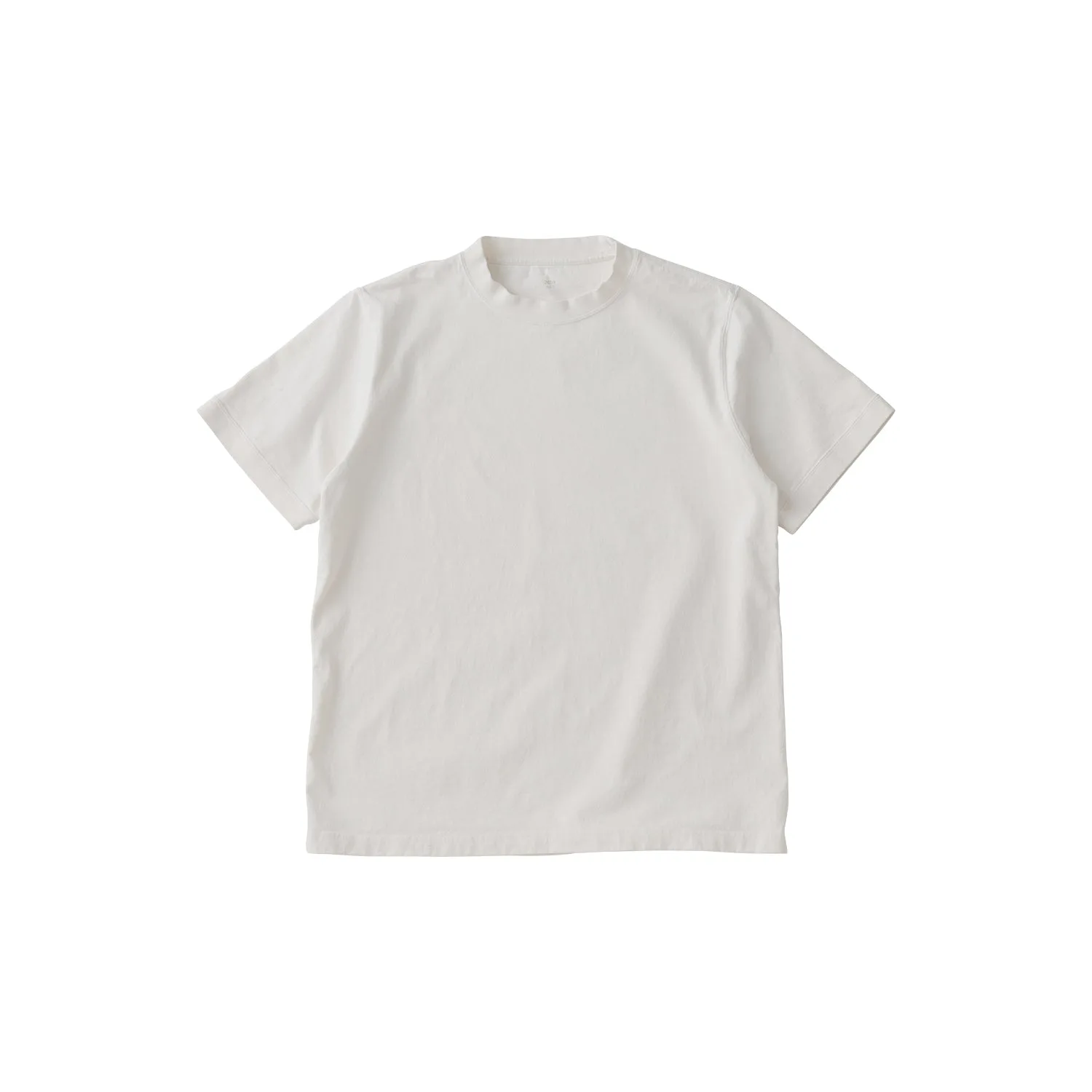
FUTO short sleeves knit top PCO_ 1
-
FUTO short sleeves knit top TCO_ 3: 100% cotton; made in Japan; machine wash in a net at up to 30°C; do not tumble dry. The all-cotton build offers a more uniform color and simpler care, but the rib may relax with wear since there is no polyurethane for stretch recovery.
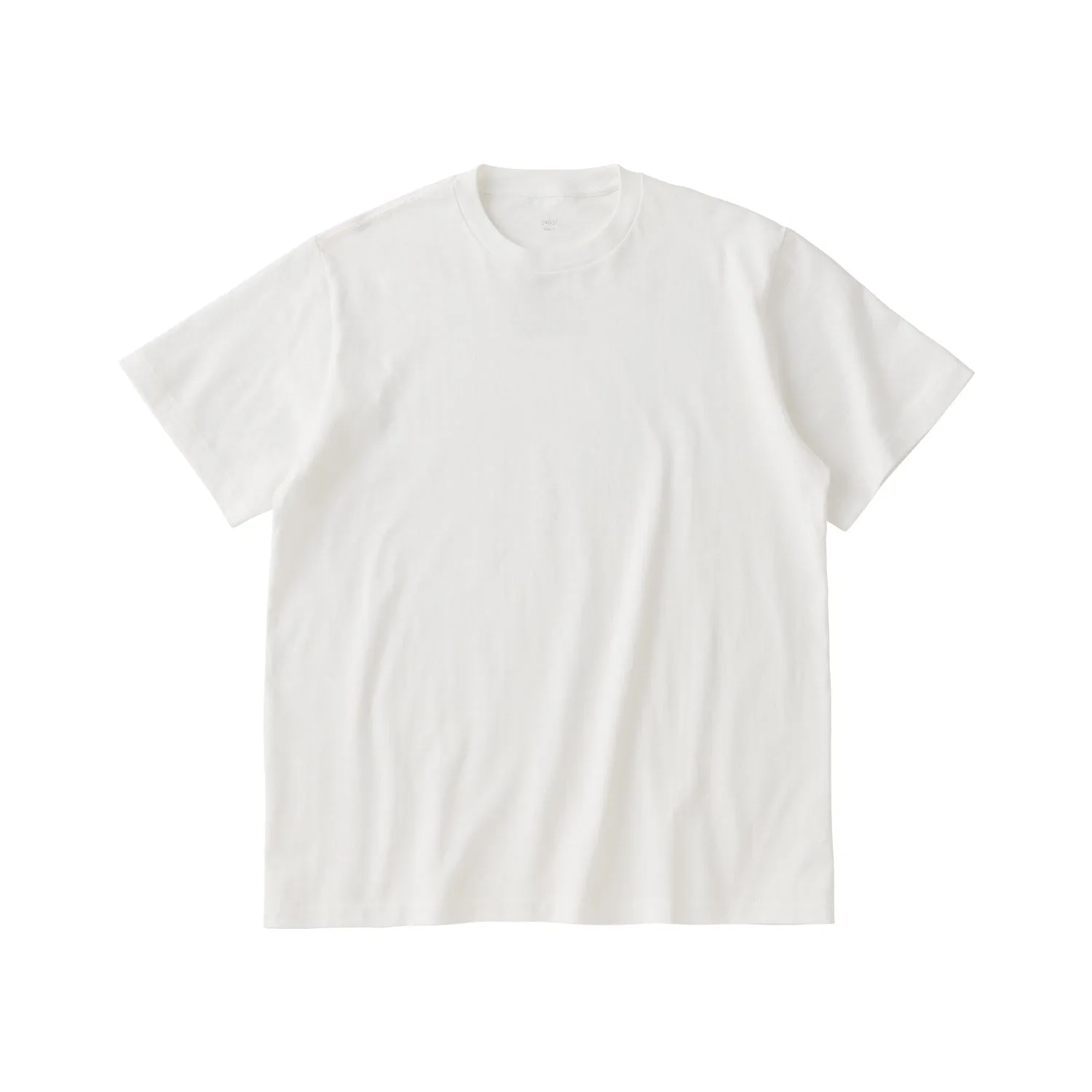
FUTO short sleeves knit top TCO_ 3
Which FUTO knit top should you choose?
Best for
- Anyone who wants a rib that holds its shape around the neck and cuffs thanks to 5% polyurethane.
- Shoppers who like a garment-dyed, slightly textured look that evolves with washing.
- Those comfortable washing separately to protect the pigment dye.
Not for
- People who want a purely 100% cotton garment with no stretch in the rib.
- Shoppers who prefer a uniform, consistent color from the first wear.
- Anyone looking for the simplest possible laundry routine with no separate washing.