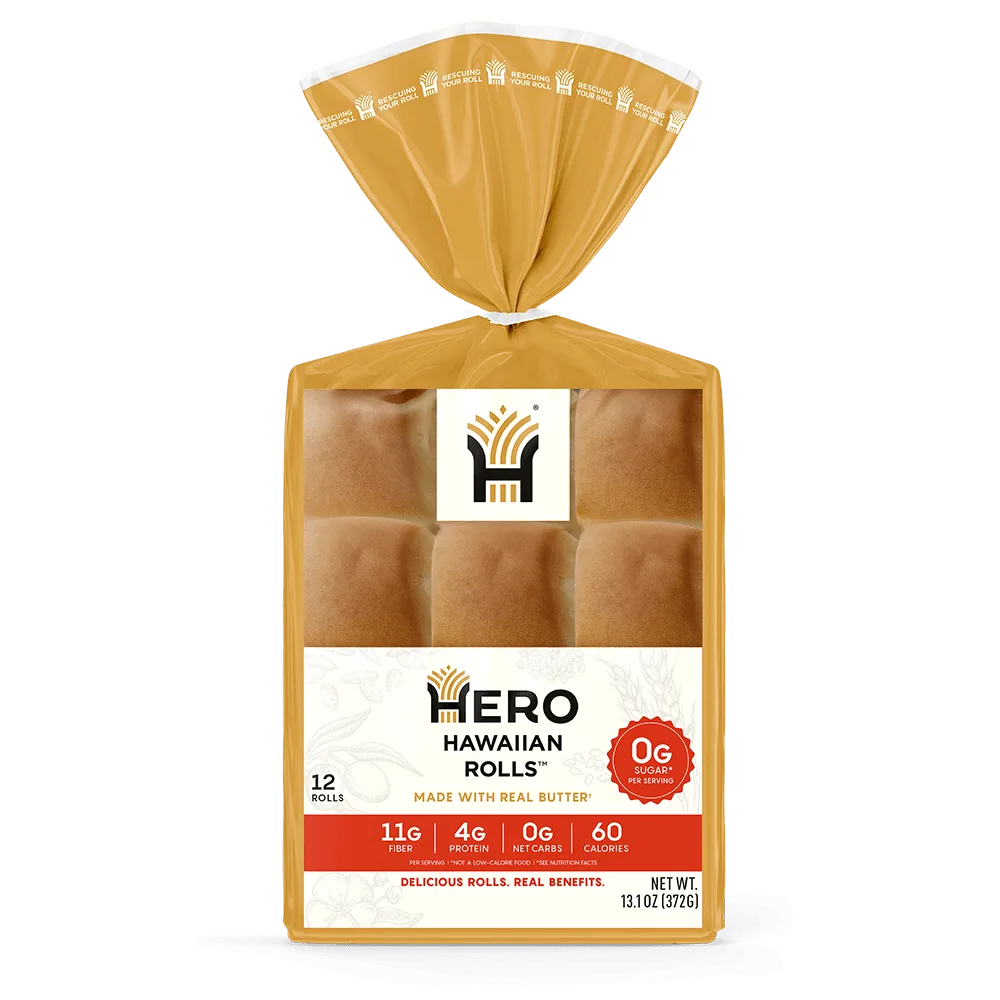
The low-carb and keto lifestyle has evolved far beyond its early days of restrictive eating and bland substitutes. As we move into 2025, the baking industry is experiencing a renaissance driven by consumer demand for delicious, nutritious, and convenient options that fit a low-carb lifestyle. From innovative flours to functional ingredients, the future of keto-friendly baking is brighter—and tastier—than ever.
Whether you are a seasoned keto baker or just starting your low-carb journey, understanding these trends can help you make smarter choices in the kitchen and at the store. In this article, we explore the key trends shaping low-carb baking in 2025, including new flour innovations, natural sweeteners, and how brands like Hero Bread are leading the way with products that make low-carb eating effortless.
Advanced Low-Carb Flours: Beyond Almond and Coconut
For years, almond flour and coconut flour were the go-to options for keto bakers. While they remain staples, 2025 is seeing a surge in next-generation flours that offer better texture, neutral flavor, and improved nutritional profiles. Ingredients like lupin flour, sunflower seed flour, and even upcycled vegetable flours are gaining traction. These flours provide higher protein and fiber content while keeping net carbs low, making them ideal for breads, pastries, and pasta.
One standout innovation is the use of modified starches and resistant starches that mimic the mouthfeel of wheat flour. These ingredients allow for lighter, airier baked goods without the carb load. Hero Bread has been at the forefront of this movement, using a proprietary blend of fibers and proteins to create products like their Hero Croissant, which delivers a flaky, buttery texture with just a fraction of the carbs of traditional croissants. This kind of innovation is setting a new standard for what low-carb baking can achieve.

Hero Croissant
- Lupin flour offers a nutty flavor and high protein content, perfect for savory baking.
- Sunflower seed flour is a nut-free alternative that works well in cookies and cakes.
- Resistant starches help maintain moisture and structure in low-carb breads.
Natural Sweeteners Take Center Stage
The sweetener landscape is also evolving. While erythritol and stevia remain popular, 2025 is seeing a shift toward allulose, monk fruit blends, and other natural sweeteners that provide a more sugar-like taste without the digestive discomfort. Allulose, in particular, is gaining popularity because it behaves like sugar in baking—caramelizing, browning, and providing bulk—without raising blood glucose.
Brands are now combining multiple sweeteners to achieve the perfect balance of sweetness and texture. For example, Hero Bread uses a thoughtful blend of sweeteners in their Classic Plain Bagel to ensure a satisfying taste without the aftertaste. This attention to flavor is crucial for making low-carb baking feel indulgent rather than compromising.
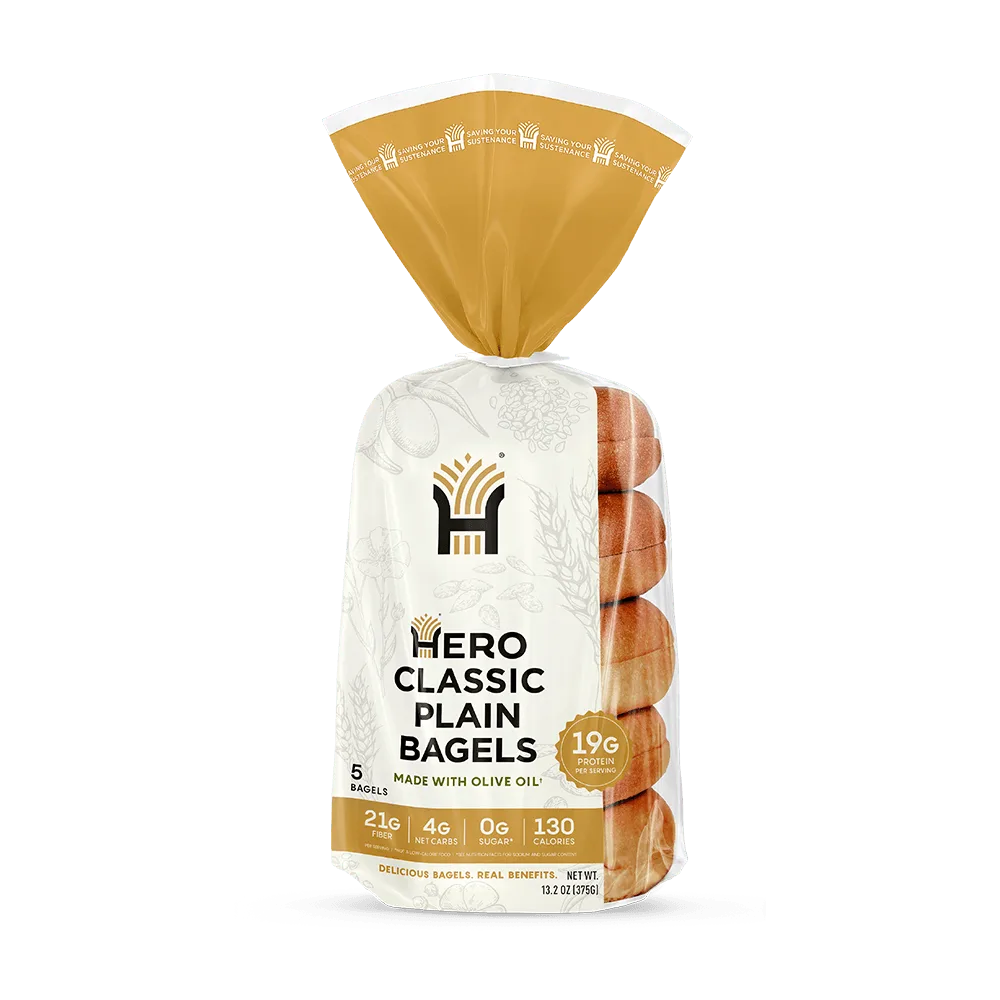
Classic Plain Bagel
- Allulose is ideal for browning and caramelizing in recipes like cookies and cakes.
- Monk fruit extract pairs well with allulose to mask any bitter notes.
- Always check labels for hidden carb fillers when using sweetener blends.
Functional Ingredients: Protein, Fiber, and Gut Health
In 2025, low-carb baking isn't just about cutting carbs—it's about adding nutritional value. Functional ingredients like collagen peptides, resistant dextrin, and prebiotic fibers are being incorporated into mixes and ready-to-eat products. These ingredients support gut health, satiety, and even skin and joint health, making low-carb baked goods a vehicle for overall wellness.
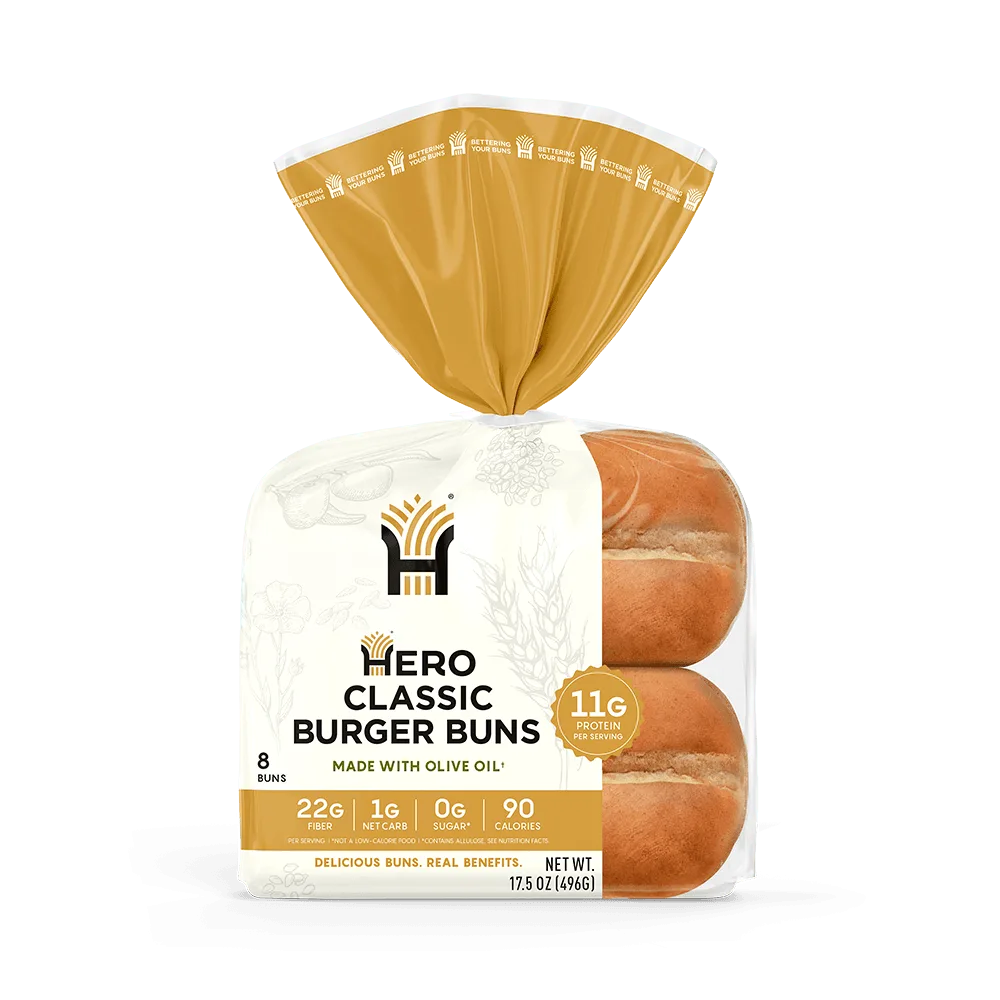
Hero Bread's Burger Buns are a prime example, delivering 12 grams of protein and 14 grams of fiber per serving while keeping net carbs to just 1 gram. This kind of nutritional density is what modern consumers expect. Additionally, the use of prebiotic fibers like chicory root and acacia gum helps maintain a healthy microbiome, which is increasingly linked to weight management and metabolic health.
- Collagen peptides add protein and improve texture in baked goods.
- Prebiotic fibers feed beneficial gut bacteria and promote regularity.
- Look for products with at least 5g of fiber per serving for maximum benefit.
Convenience and Ready-to-Eat Innovations
Time-pressed consumers are driving demand for ready-to-eat low-carb options that don't require hours in the kitchen. In 2025, we are seeing a boom in frozen and shelf-stable keto-friendly baked goods that maintain quality and taste. From bagels and buns to tortillas and noodles, brands are perfecting the art of preservation without compromising texture or nutrition.
Hero Bread's Everything Bagel - 1 pack (5 bagels) is a perfect example of this trend, offering a grab-and-go solution that fits seamlessly into a busy lifestyle. These bagels are pre-sliced, freeze well, and toast up beautifully, making them a practical choice for breakfast or a quick lunch. The rise of meal kits and subscription boxes also reflects this desire for convenience, allowing consumers to enjoy low-carb treats without the hassle of sourcing multiple ingredients.
- Freeze bagels and buns in individual portions for easy weekly meal prep.
- Look for products with clean labels and no artificial preservatives.
- Subscription services can save time and ensure you never run out of staples.
Sustainability and Clean Labeling
Consumers in 2025 are more conscious than ever about where their food comes from and how it impacts the planet. Low-carb baking is embracing sustainability through the use of upcycled ingredients, regenerative agriculture, and eco-friendly packaging. Clean labels—short ingredient lists with recognizable items—are no longer a bonus but an expectation.
Hero Bread's commitment to clean ingredients is evident in products like their Hero Tortillas Spinach & Herb, which feature simple, wholesome components without gums or artificial flavors. This transparency builds trust and aligns with the broader food industry trend toward ethical consumption. As low-carb baking continues to grow, brands that prioritize sustainability and clean labeling will stand out in a crowded market.
- Upcycled ingredients reduce food waste and add unique nutritional profiles.
- Look for packaging made from recycled or compostable materials.
- Support brands that source ingredients from regenerative farms.
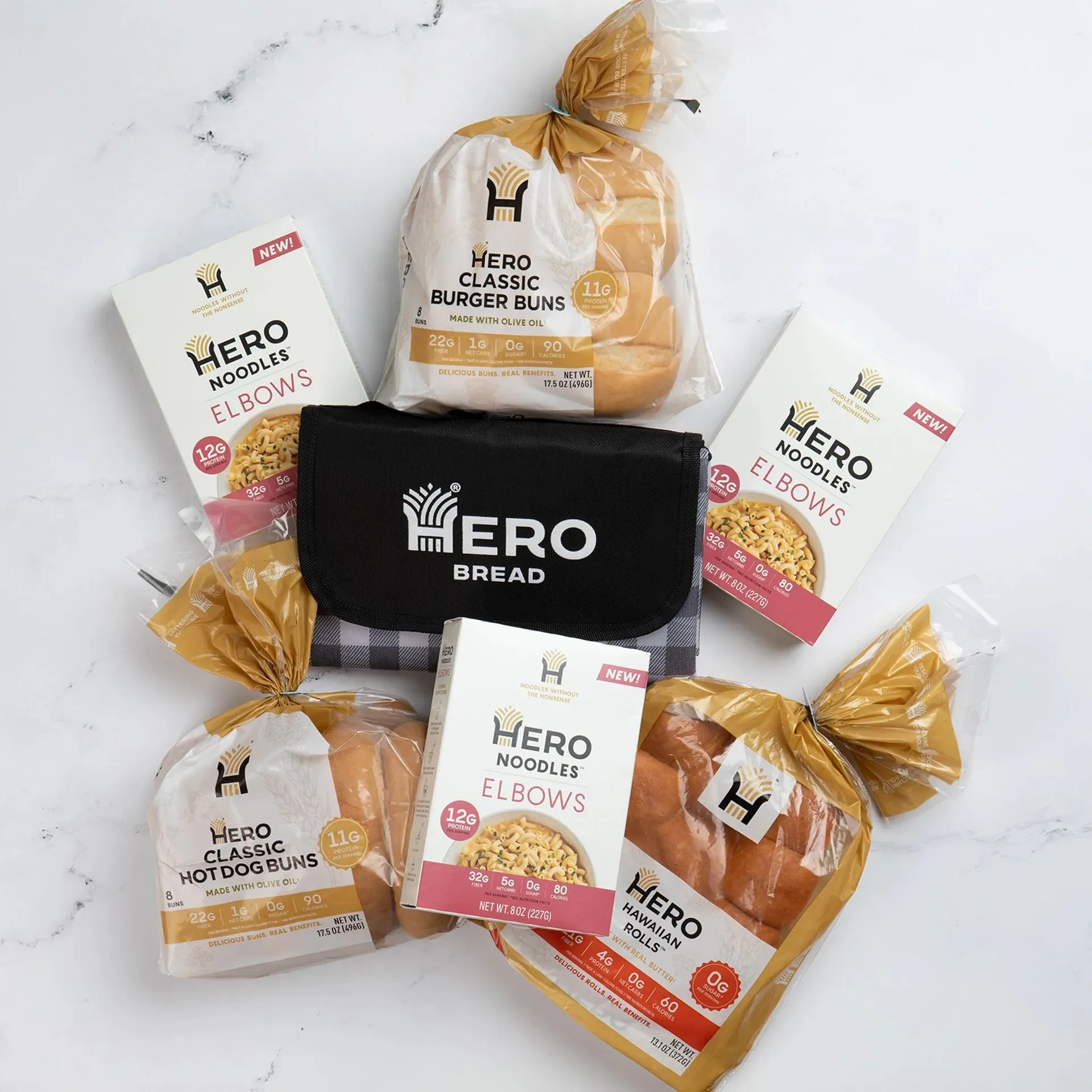
The future of low-carb baking in 2025 is defined by innovation, flavor, and convenience. Whether you are experimenting with new flours or seeking ready-to-eat options, there has never been a better time to enjoy keto-friendly baked goods. Explore the Hero Bread Welcome Box to discover a curated selection of low-carb staples that make healthy eating delicious and effortless.