The way we light our homes is undergoing a profound transformation. No longer just a switch on the wall, lighting has become an integral part of the smart home ecosystem, interacting with other devices to create seamless, personalized experiences. As we look toward 2026, smart home lighting integration is not just about convenience—it's about energy efficiency, security, and even health.
In this article, we'll explore the latest trends in smart lighting integration, from the rise of IoT-based ecosystems to the growing role of connected ceiling fans. We'll also highlight some innovative products from our store that are at the forefront of this revolution, helping you create a truly connected living space.
The Evolution of Smart Lighting Ecosystems
Smart home lighting has come a long way since the days of simple remote-controlled bulbs. Today, a smart lighting ecosystem encompasses a wide range of devices—from bulbs and fixtures to sensors and switches—that communicate with each other and with you through a central hub or app. This integration allows for sophisticated automations, such as lights that adjust based on the time of day, your presence, or even the weather.
One of the key drivers of this evolution is the adoption of IoT (Internet of Things) technology. IoT-enabled lighting fixtures can collect and share data, enabling them to respond to other smart devices in your home. For instance, your lights can dim automatically when you start a movie on your smart TV, or brighten when your smart doorbell detects a visitor. This level of integration is what makes a smart home truly 'smart'.
- Look for lighting products that support open standards like Zigbee, Z-Wave, or Matter to ensure compatibility with a wide range of smart home platforms.
IoT Lighting: The Backbone of Connected Homes
IoT lighting is rapidly becoming the backbone of the connected home. With the ability to connect to the internet, lighting fixtures can be controlled remotely, monitored for energy usage, and even updated with new features via software. This connectivity also enables integration with voice assistants like Amazon Alexa and Google Assistant, allowing you to control your lights with simple voice commands.
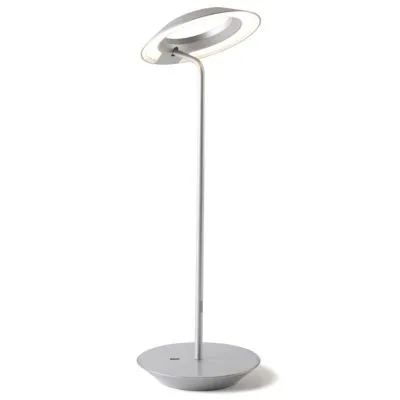
For example, the Z-Bar Gen 4 LED Floor Lamp is a perfect illustration of IoT lighting in action. This sleek floor lamp not only provides ambient light but can also be integrated into your smart home network, allowing you to adjust its brightness and color temperature from your smartphone or voice assistant. Similarly, the Meridian Rechargeable LED Table Lamp offers portability and smart features, making it a versatile addition to any connected space.
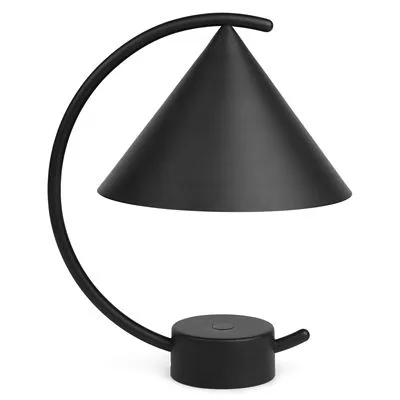
Meridian Rechargeable LED Table Lamp
Connected Ceiling Fans: More Than Just Air Circulation
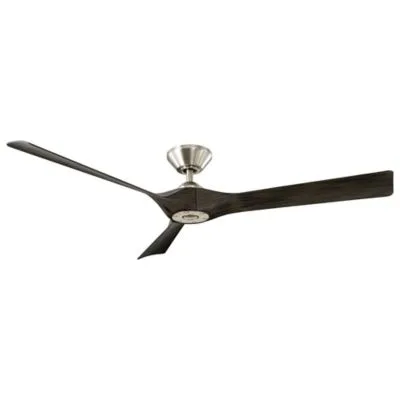
Ceiling fans are no longer just functional fixtures; they are becoming intelligent components of the smart home ecosystem. Connected ceiling fans can be controlled remotely, scheduled to operate at certain times, and even integrated with your HVAC system to optimize energy efficiency. Some models also include built-in lighting, which can be synchronized with other smart lights in your home.
When choosing a connected ceiling fan, consider models that offer both lighting and fan control through a single app. This not only simplifies your smart home setup but also enhances convenience. For instance, you can program the fan to turn off when you leave the room, or adjust its speed based on the temperature and humidity sensors.
- Ensure your ceiling fan is compatible with your existing smart home hub (e.g., SmartThings, HomeKit) to avoid compatibility issues.
Future Smart Home Trends: AI and Predictive Lighting
Looking ahead, the future of smart home lighting lies in artificial intelligence and predictive analytics. AI can learn your routines and preferences, automatically adjusting lighting to match your mood, activity, or even your circadian rhythm. Imagine waking up to lights that gradually brighten to mimic a sunrise, or having your lights dim to a warm glow in the evening to promote relaxation.
Another emerging trend is the integration of lighting with health and wellness. Human-centric lighting, which adjusts color temperature and intensity to support natural sleep-wake cycles, is gaining traction. Products like the Vitria LED Flushmount offer tunable white light, allowing you to customize the color temperature to suit different times of the day, promoting better sleep and productivity.
Building a Cohesive Smart Lighting Ecosystem
Creating a cohesive smart lighting ecosystem requires careful planning. Start by choosing a primary platform or hub that will serve as the central control point. Then, select lighting products that are compatible with that platform. It's also important to consider the scalability of your system—can you easily add new devices in the future?
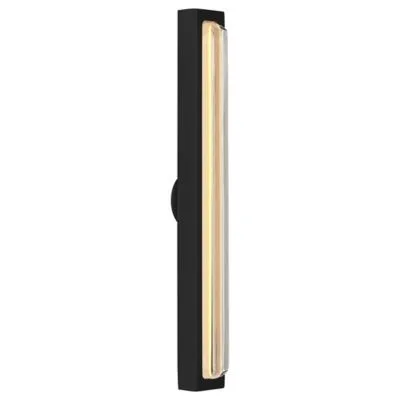
When selecting fixtures, look for those that offer both aesthetic appeal and smart functionality. The Jove Pendant, for example, combines elegant design with smart capabilities, making it a statement piece in any room. Similarly, the Robbie Linear Suspension adds a modern touch while being fully integrated into your smart home network.
- Start with a small setup—like a smart bulb and a smart plug—to get comfortable with the technology before expanding to more complex fixtures.
As smart home technology continues to evolve, lighting integration will play an increasingly central role in creating comfortable, efficient, and secure living spaces. By embracing these trends and choosing the right products, you can build a smart lighting ecosystem that enhances your daily life. Explore our collection of smart lighting fixtures to find the perfect pieces for your connected home.