Coffee pods have transformed the way we brew, offering unmatched convenience and consistency. But the convenience comes with a cost: millions of pods end up in landfills each year, contributing to a growing waste crisis. As consumers become more eco-conscious, the coffee industry is racing to develop sustainable solutions that keep the morning ritual guilt-free.
At Kiss the Hippo Coffee, we believe that great taste and environmental responsibility can go hand in hand. In this article, we explore the latest innovations in coffee pod recycling, from compostable materials to advanced recovery systems, and how specialty coffee roasters are shaping a greener future for your daily cup.
The Problem with Traditional Coffee Pods
Standard coffee pods are typically made from a combination of plastic and aluminium, materials designed to preserve freshness but notoriously difficult to recycle. Most municipal recycling facilities lack the technology to separate the thin layers, meaning the majority of pods end up in incinerators or landfills. According to recent estimates, billions of pods are discarded globally each year, creating a significant environmental footprint.
The challenge is compounded by the fact that many pods contain residual coffee grounds, which can contaminate recycling streams. As a result, even well-intentioned consumers often find their efforts thwarted by infrastructure gaps. This has sparked a wave of innovation aimed at redesigning pods from the ground up.
- Plastic-aluminium composite pods are rarely accepted by curbside recycling programs.
- Residual coffee grounds can spoil batch recycling, increasing contamination rates.
- Traditional pods can take hundreds of years to decompose in landfill conditions.
Compostable Pods: A Biodegradable Breakthrough
One of the most promising developments is the rise of compostable coffee pods. Made from plant-based materials like PLA (polylactic acid) or cellulose, these pods break down in industrial composting facilities within weeks. Brands are now offering pods that are certified compostable, meaning they meet strict standards for biodegradability and non-toxicity.
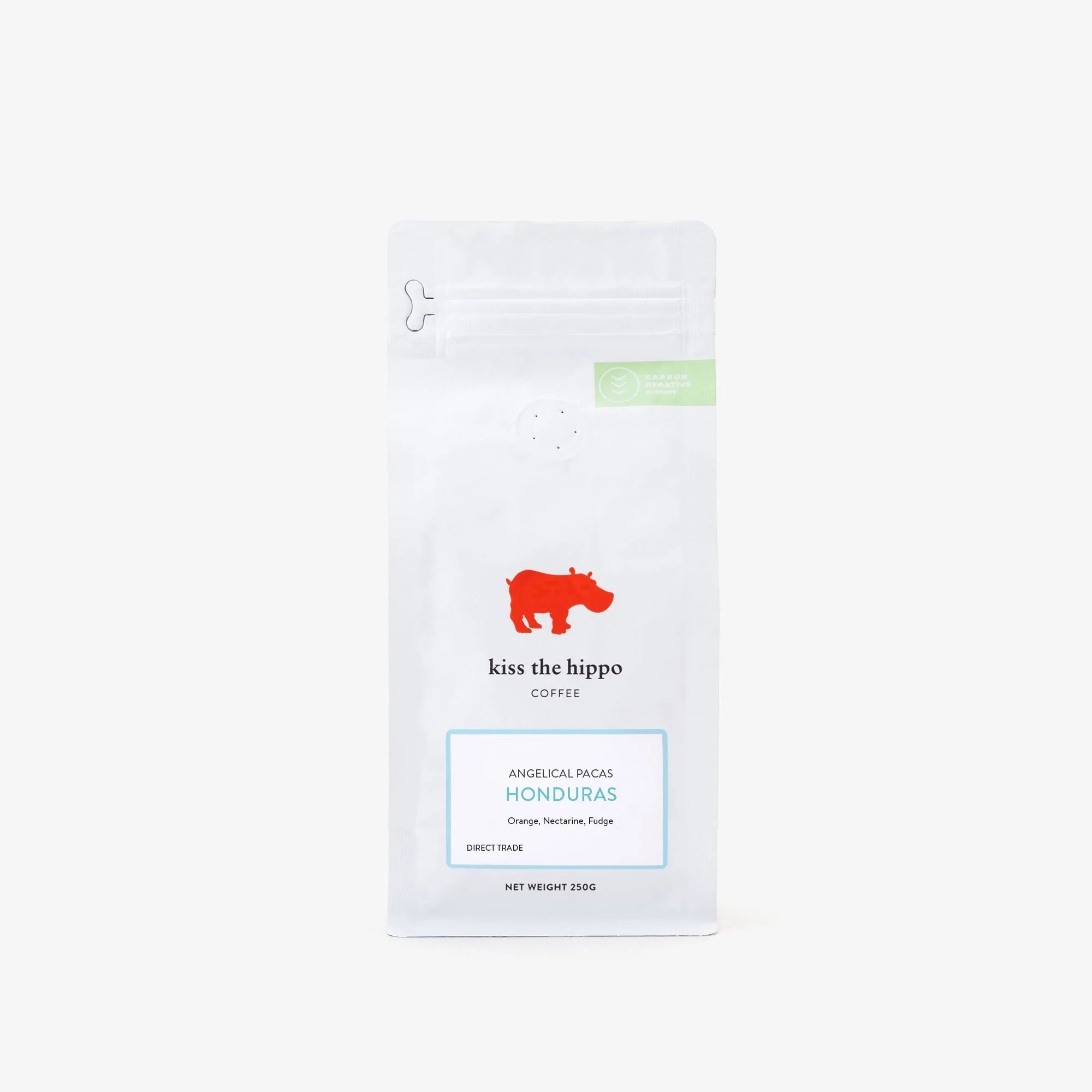
For specialty coffee lovers, compostable pods no longer mean sacrificing quality. Roasters like Kiss the Hippo Coffee source exceptional single-origin beans such as Colombia, Jardines Gesha Carbonic Maceration and package them in pods designed for eco-friendly disposal. The key is ensuring that the entire pod—including the lid and filter—is compostable, not just the outer shell.
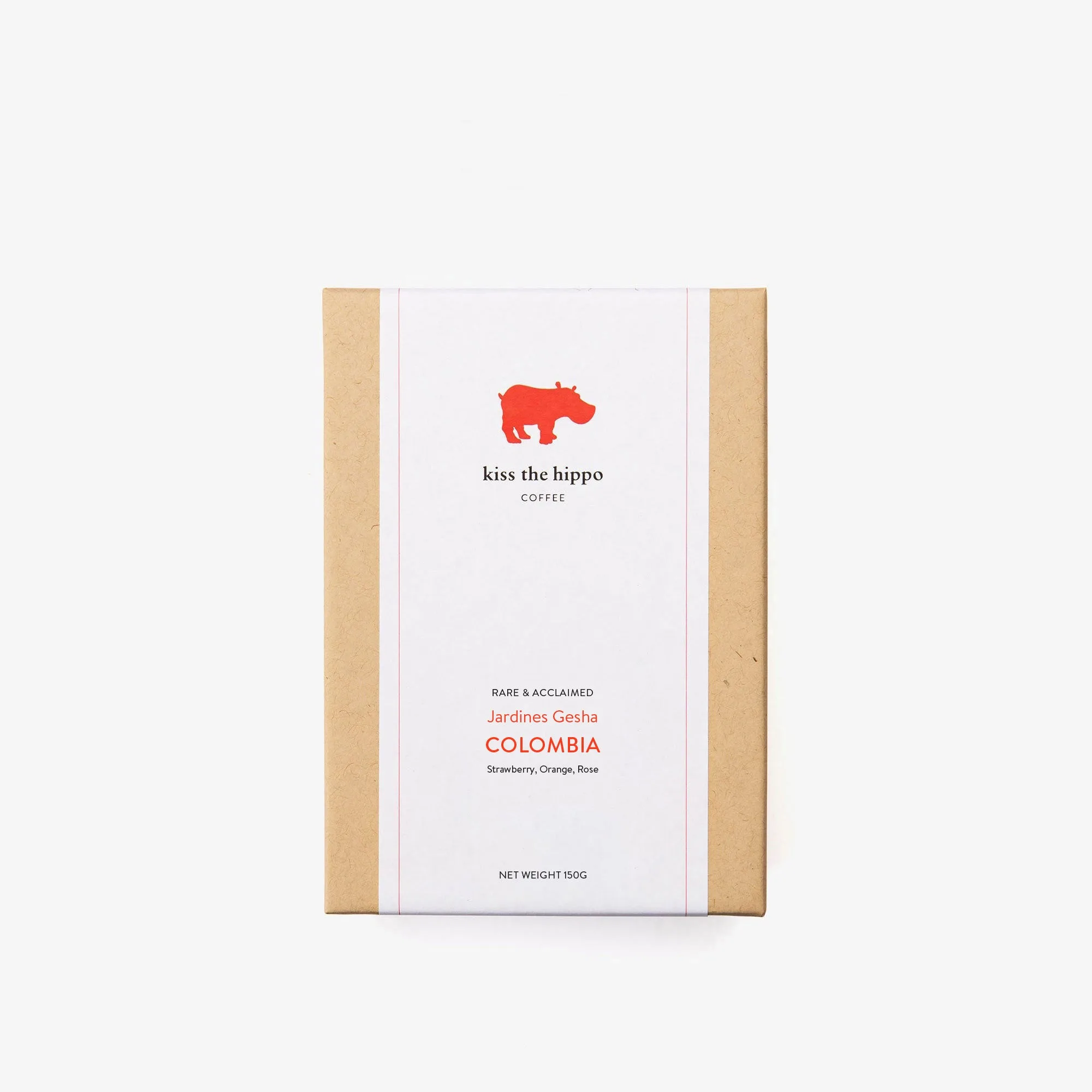
Colombia, Jardines Gesha Carbonic Maceration
- Look for certifications like EN 13432 or BPI to verify compostability.
- Industrial composting facilities can process pods in 12–16 weeks.
- Home composting may not be hot enough; check local facility options.
Aluminium Recycling: Closing the Loop
While compostable pods are gaining traction, aluminium remains a popular choice for its superior barrier properties that protect coffee freshness. The good news is that aluminium is infinitely recyclable without loss of quality. New recycling programmes now allow consumers to return used aluminium pods to dedicated collection points or mail them back to the roaster.
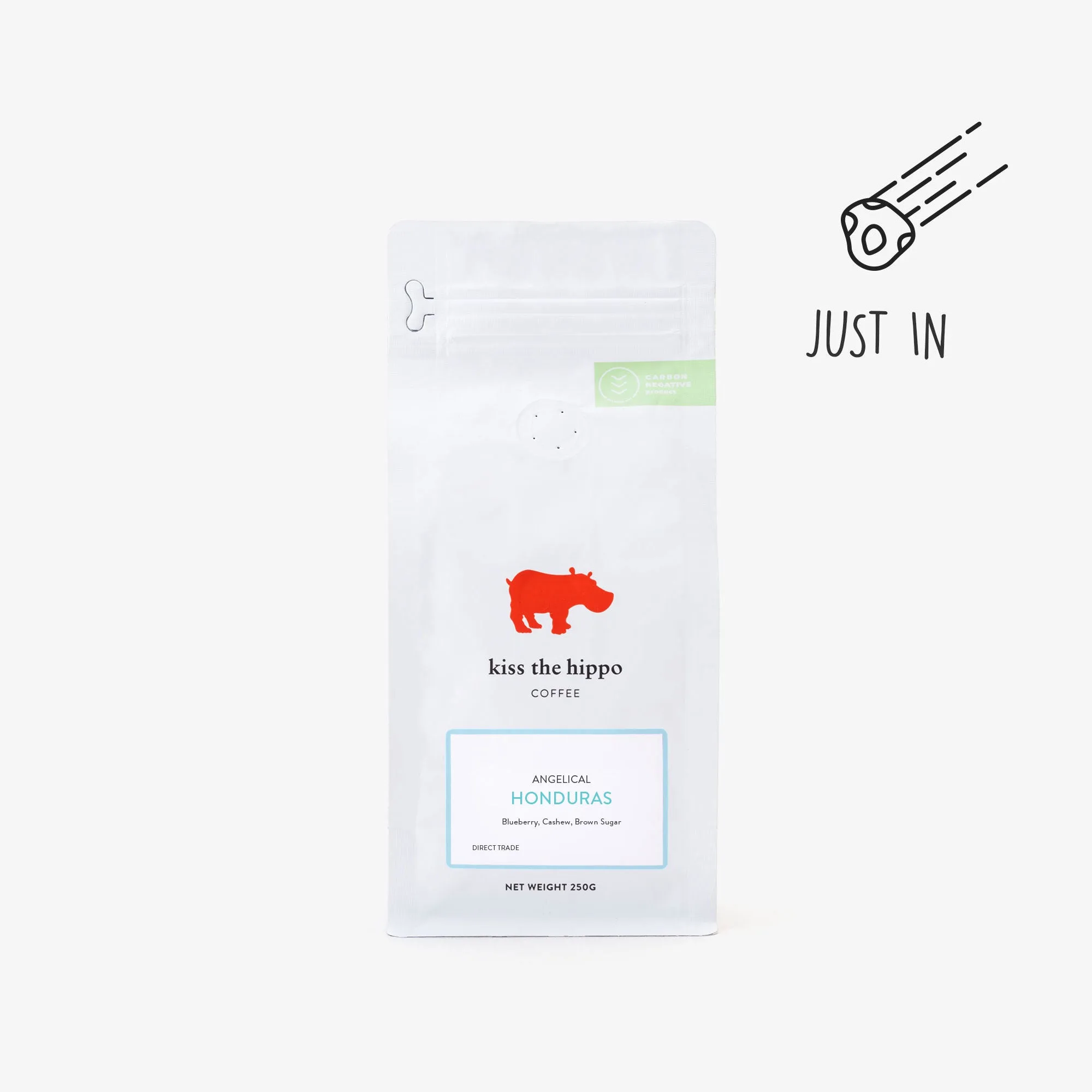
Some roasters have partnered with recycling specialists to create a closed-loop system. For example, our https://kissthehippotg.com/products/honduras-angelical-132830Honduras, Angelical single-origin is available in aluminium pods that can be returned and melted down to create new products. This circular approach reduces the need for virgin aluminium and keeps valuable materials in use.
- Aluminium can be recycled repeatedly without degrading.
- Mail-back programmes make it easy for consumers to participate.
- Closed-loop systems reduce carbon emissions compared to virgin production.
The Circular Economy in Specialty Coffee
Beyond individual pod materials, the future of sustainable coffee lies in a circular economy model. This means designing products with their entire lifecycle in mind—from sourcing beans to packaging disposal and even reusing coffee grounds. Specialty roasters are uniquely positioned to lead this shift because of their focus on quality, traceability, and community.
Initiatives include using recycled materials for pod packaging, offering incentives for pod returns, and partnering with compost facilities. Some roasters are even experimenting with repurposing spent coffee grounds into fertiliser or bioplastics. The goal is to eliminate waste entirely and create a system where every component is either biodegradable or infinitely recyclable.
- Recycled cardboard and bioplastics are replacing single-use outer packaging.
- Loyalty programmes reward customers who return used pods.
- Spent grounds can be turned into nutrient-rich soil amendments.
How to Choose Sustainable Coffee Pods
As a consumer, your choices drive the market toward sustainability. When selecting coffee pods, look for roasters that are transparent about their materials and recycling partnerships. Check whether the pods are certified compostable or part of a take-back programme. Also consider the origin of the coffee: single-origin beans from farms with ethical practices add another layer of sustainability.
At Kiss the Hippo Coffee, we offer a curated selection of pods that balance flavour and eco-consciousness. Whether you prefer the bright acidity of a washed Ethiopian or the deep chocolate notes of a Brazilian, you can enjoy a guilt-free brew. Our commitment to sustainability means we continuously evaluate new materials and processes to reduce our environmental impact.
- Prioritise pods with clear recycling or compostability certifications.
- Support roasters that use renewable energy in production.
- Choose single-origin options to encourage sustainable farming practices.
The future of sustainable coffee is bright, driven by innovations in pod recycling and a growing commitment to the circular economy. By choosing eco-friendly pods from roasters that prioritise the planet, you can enjoy exceptional flavour without compromise. Explore our range of responsibly sourced pods today and taste the difference that sustainability makes.