The beauty industry is undergoing a green revolution, and at the heart of it is packaging. For decades, cosmetics and personal care products have relied heavily on single-use plastics, contributing to the global plastic pollution crisis. But as consumer awareness grows and regulations tighten, brands are rethinking their packaging strategies. In 2026, sustainable packaging is not just a niche trend—it's becoming the industry standard.
From refillable containers to compostable materials, the future of beauty packaging is being shaped by innovation and a commitment to the planet. This article explores the latest trends, innovations, and news in sustainable packaging for beauty products, and how you can be part of the movement.
The Rise of Plastic-Free Beauty Packaging
One of the most significant shifts in the beauty industry is the move away from plastic. Plastic-free beauty packaging is no longer a rarity; it's a selling point. Brands are now using materials like glass, aluminum, bamboo, and even mushroom-based packaging to reduce their environmental footprint. For example, many companies are replacing plastic jars with glass containers, which are infinitely recyclable and give a premium feel.
In addition to materials, the design of packaging is evolving. Minimalist designs that use less material overall are becoming popular. Some brands are even eliminating packaging altogether for solid products like shampoo bars and conditioners. This 'package-free' approach not only reduces waste but also appeals to consumers who value simplicity and sustainability.
- Look for products in glass or aluminum containers over plastic.
- Consider solid beauty products that require no packaging at all.
Zero-Waste Packaging News: Refill and Reuse Systems
Refillable packaging is a game-changer in the fight against waste. Instead of buying a new bottle every time, consumers can purchase a refill pouch or visit a store to refill their existing container. This model significantly reduces the amount of packaging produced and discarded. In 2026, more beauty brands are adopting refill systems, from skincare serums to makeup foundations.
Another trend is the use of concentrated formulas that require smaller packaging. By reducing the water content in products, brands can ship more product in less packaging, cutting down on both materials and transportation emissions. This is a win-win for the environment and the bottom line.
- Opt for products with refill options to minimize waste.
- Choose concentrated formulas that use less packaging.
Innovations in Eco-Friendly Packaging Materials
Material science is driving some of the most exciting developments in sustainable packaging. Bioplastics made from algae, corn, or sugarcane are becoming more common, offering a renewable alternative to petroleum-based plastics. Some companies are even experimenting with edible packaging made from seaweed, though this is still in its infancy.
Another innovation is the use of post-consumer recycled (PCR) materials. Many brands are now using recycled plastic in their packaging, giving a second life to materials that would otherwise end up in landfills. While PCR plastic is not perfect, it's a step in the right direction, especially when combined with recyclable design.
- Check for packaging made from PCR or bioplastics.
- Support brands that use innovative materials like algae-based plastics.
The Package-Free Beauty Movement
The package-free beauty movement is gaining momentum, with more brands offering products without any packaging at all. This is most common in solid formats, such as shampoo bars, conditioners, and body washes. These products are not only convenient but also eliminate the need for plastic bottles entirely. For consumers, this means less waste and often a more natural, concentrated product.
Stores like Package Free Shop are leading the way by curating products that align with these values. For example, The Simplest Laundry Detergent – Package Free comes in a glass jar and offers a refill option, making it easy to reduce plastic in your laundry routine. Similarly, The Simplest Baby Bottle & Dish Soap – Package Free provides an eco-friendly alternative for household cleaning. These products show that sustainable packaging is not only possible but also practical and effective.
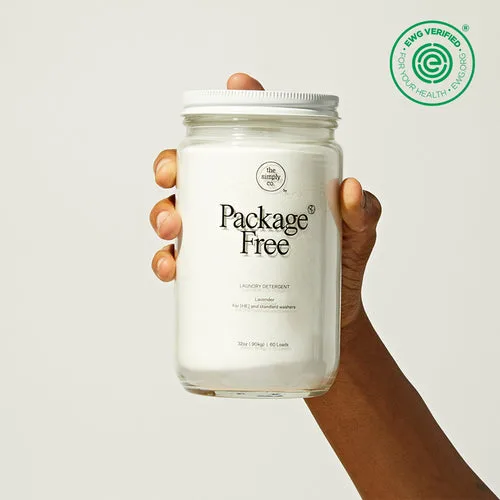
The Simplest Laundry Detergent – Package Free
- Try solid shampoo bars or conditioner bars to avoid plastic bottles.
- Look for household products in glass or refillable containers.
How Consumers Can Drive Change
As a consumer, your purchasing decisions have a powerful impact on the beauty industry. By choosing products with sustainable packaging, you send a clear message to brands that you value the environment. Here are some tips to help you make more eco-friendly choices:
First, prioritize products with minimal or recyclable packaging. Look for certifications like FSC (Forest Stewardship Council) for paper-based packaging or 'recyclable' labels. Second, support brands that are transparent about their packaging materials and sustainability efforts. Finally, consider buying in bulk or choosing refillable options to reduce waste.
- Support brands that use recyclable or compostable packaging.
- Buy in bulk or choose refillable options to minimize waste.
- Recycle your beauty packaging properly—check local guidelines.
The future of sustainable packaging in beauty is bright, with innovative materials, refill systems, and a growing package-free movement. By staying informed and making conscious choices, you can help drive the industry toward a more sustainable future. Explore eco-friendly options at Package Free Shop and make a positive impact today.