Quick answer
Choose a tanga brief when you want minimal front coverage with fabric across the back, and choose a g-string when you want the least coverage and no back fabric at all. If you are unsure, start with a tanga: it gives you the low-cut look with more stability and less adjustment during the day.
The real difference: back coverage and stability
Both cuts sit low on the hips and leave the legs free, so the deciding factor is what happens at the back. A g-string uses a thin string or narrow strip between the glutes, which means nothing to bunch or ride up as fabric, but also nothing to hold the back panel in place. A tanga brief keeps a fabric back, so it stays put more predictably and feels closer to a standard brief from behind.
That single difference drives everything else: how often you adjust, how the cut feels under slim trousers, and how confident you feel in fitted clothing. If you have ever pulled at a g-string through a long afternoon, the issue is usually the lack of back fabric rather than the front cut.
How fabric changes the g-string vs tanga decision
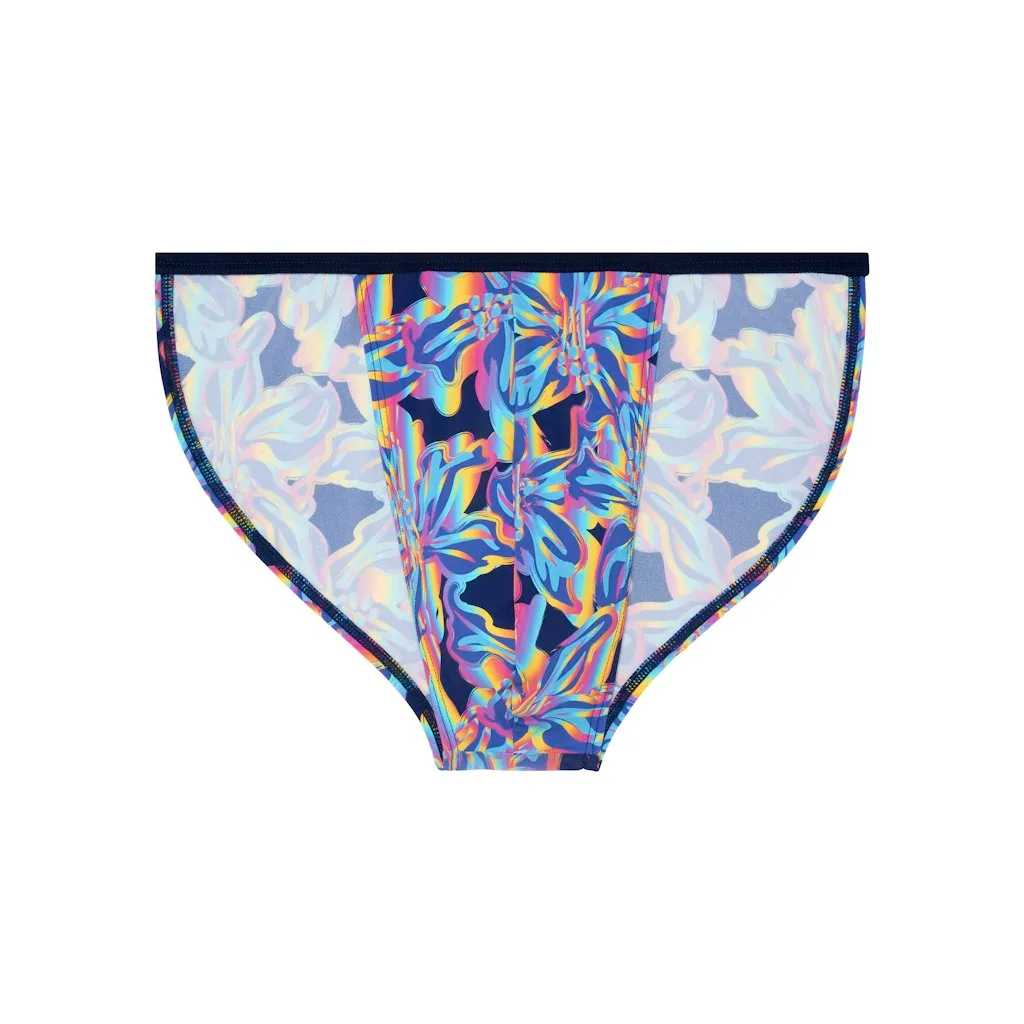
Fabric matters more in minimal cuts because there is less of it to smooth things over. A microfiber tanga with elastane, like the Funky Styles Tanga Briefs | Blue Print 403246-P0RA, uses stretch to follow movement without compressing, which helps the low-cut hips stay in place. If you want the same minimal feel in a softer, more breathable material, a Tencel or modal blend works well because it manages moisture and stays smooth against skin.
For g-strings, look for a soft, flat string and a smooth waistband, since any texture or twist is more noticeable with less fabric. For tangas, the back panel is the part that determines whether you feel secure, so check that the fabric lies flat rather than folding. Neither cut needs heavy seams; simple construction is usually more comfortable here.
Fit guidance for minimal cuts
Start with your usual waist size rather than sizing down. Minimal cuts rely on the waistband and stretch to stay in place, and a too-small pair will dig in at the hips and create pressure points. If you are between sizes, go up: a slightly looser tanga still stays put, while an overly tight g-string is uncomfortable within an hour.
Check three points before you commit to a full day: the waistband should sit flat without rolling, the front pouch should have room without gaping, and the back should not twist when you bend or sit. For g-strings, walk a few steps and sit down once before deciding; that reveals whether the string stays centered. For tangas, squat gently to confirm the back panel does not pull down.
G-string comfort tips for all-day wear
Keep the first wear short. Try a g-string for a few hours at home before wearing it to work or on a long travel day, so you learn how it behaves when you sit, drive, or walk. Choose smooth, close-fitting outer clothing on those first days, since loose or heavy fabrics can shift the string more than you expect.
Rotate rather than repeat. Wearing the same minimal cut every day can irritate skin, so alternate with a brief or boxer brief. Wash g-strings after each wear in cool water and let them air dry; heat and heavy detergent break down the elastane that keeps the string flat and the waistband snug. If a g-string twists, adjust it at the waistband rather than pulling the back, which stretches the fabric.
When a tanga brief is the better everyday choice
A tanga brief is the easier minimal cut for most routines because the fabric back gives you a consistent fit without constant checking. It works under jeans, tailored trousers, and lightweight summer clothing, and it is a practical step down from a full brief if you want a lower cut without giving up back coverage. If you like a low-rise look but dislike the feeling of a string, a tanga is the middle ground.
For days that involve a lot of sitting, driving, or walking, tanga briefs usually need fewer adjustments. They also suit people who are new to minimal underwear, since the fit is closer to what you already know. The trade-off is slightly more fabric and a bit more warmth than a g-string, which matters in hot weather.
Trade-offs at a glance
- Back coverage: A g-string has no fabric across the back, while a tanga keeps a fabric back panel. Choose a tanga if you want fewer adjustments; choose a g-string if you want the least coverage.
- All-day stability: A tanga stays in place with less checking, while a g-string depends on a flat string and a snug waistband. For long workdays or travel, a tanga is the lower-maintenance minimal cut.
- Fabric feel: Microfiber with elastane follows movement without compressing; Tencel and modal blends feel softer and more breathable. Match the fabric to your climate and how much you move.
- Fit margin: Both cuts sit low on the hips, but minimal cuts have less room to hide a wrong size. Stay at your usual size or size up if between sizes, and test the fit before a full day.
Product facts
- Funky Styles Tanga Briefs | Blue Print 403246-P0RA: Microfiber fabric enriched with elastane; soft cup at the front for comfort and support, with a fabric-covered back and ultra low cut hips. This is a tanga with back coverage, so it stays put more predictably than a g-string while still sitting low on the hips.
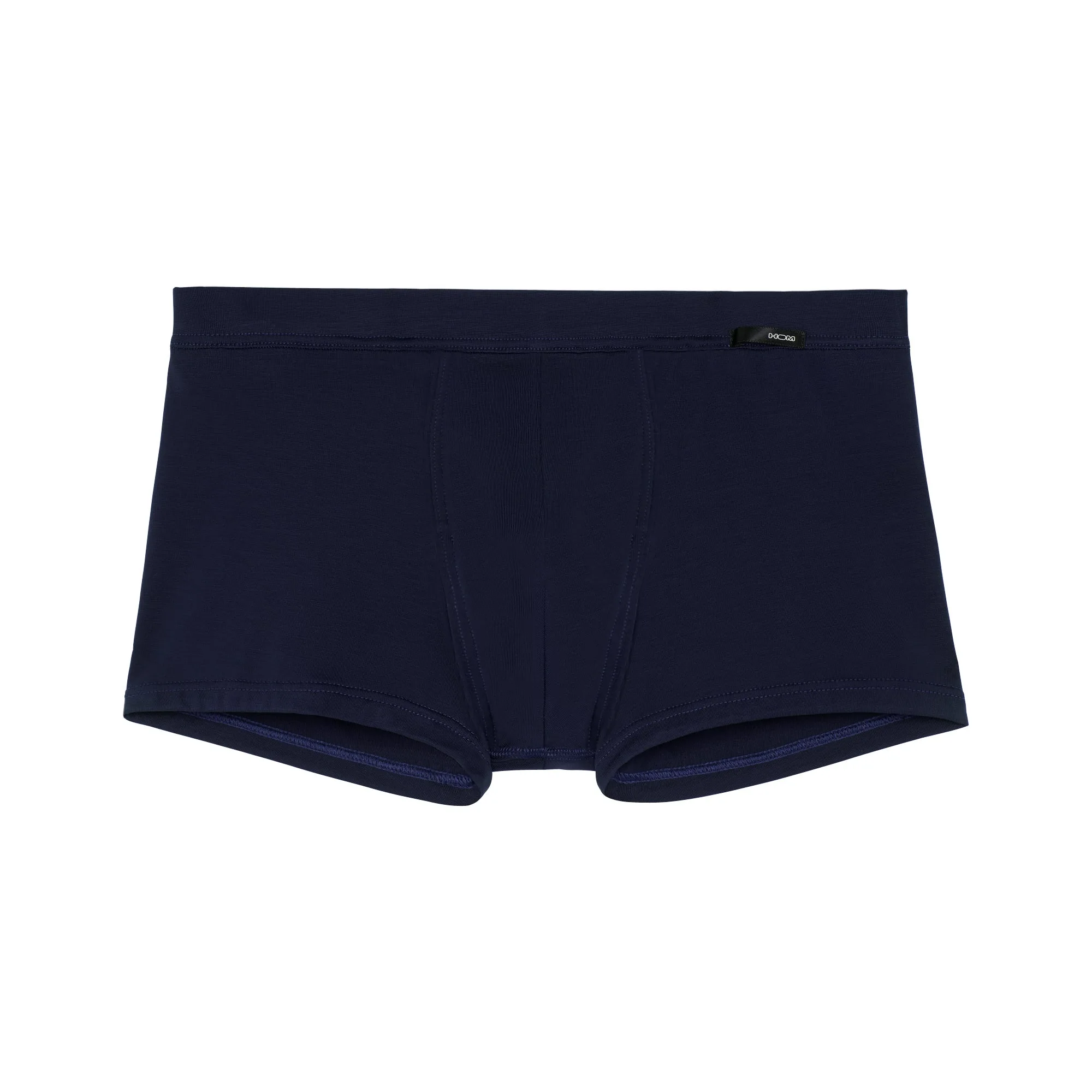
- Tencel Soft Comfort Boxer Briefs | Navy 402678-00ra: Made of 97% lyocell and 3% elastane, with a longer leg that reduces thigh friction and prevents ride-up. If you want minimal coverage but dislike ride-up, a longer-leg boxer brief is the practical alternative to both cuts.
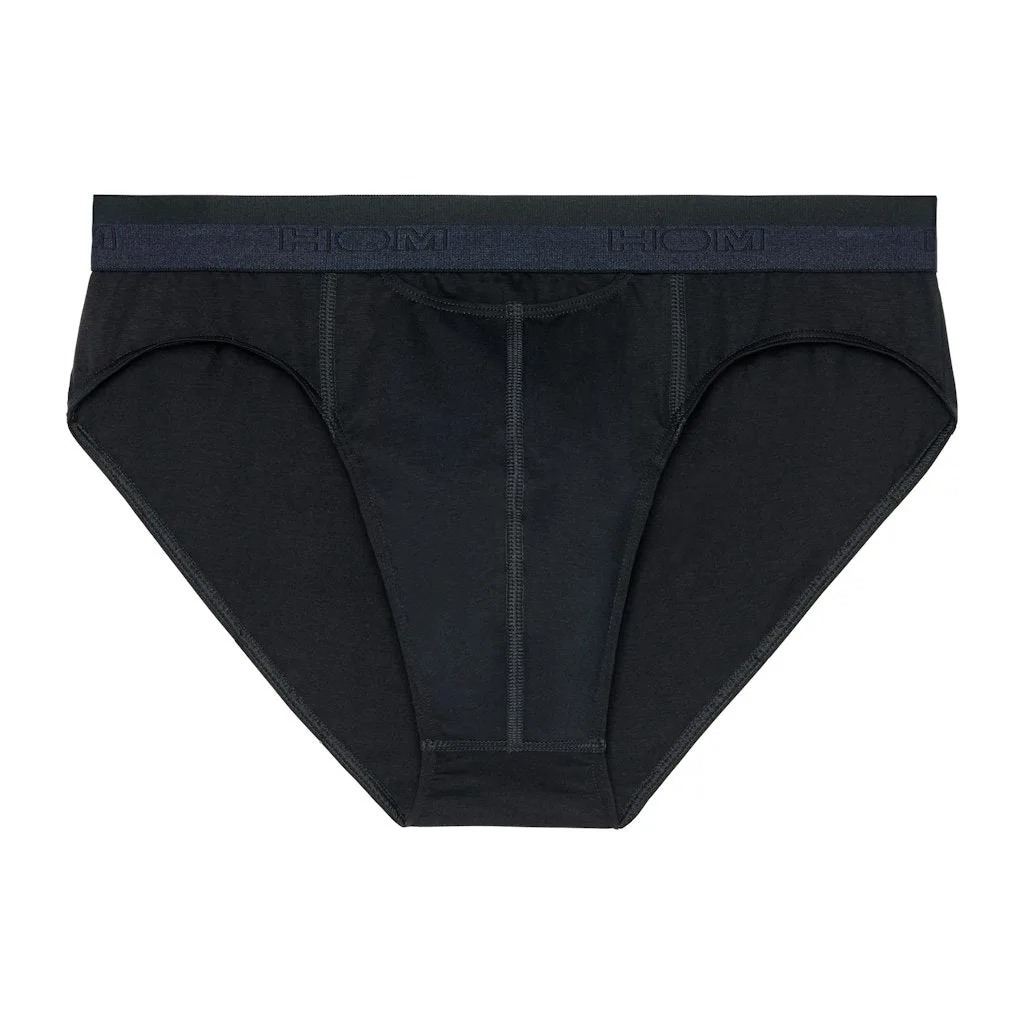
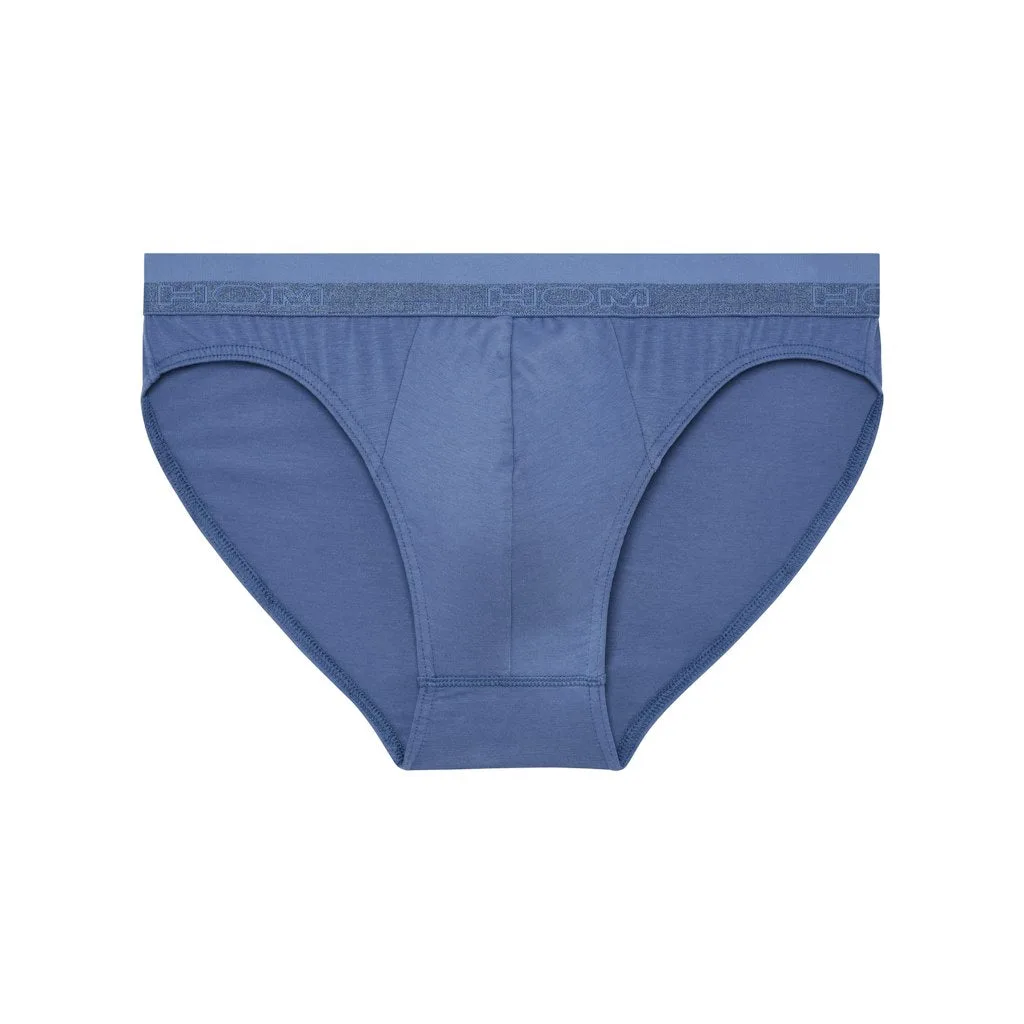
- Ho1 Mini Briefs HO1 | Navy 359521-00ra: Made from particularly soft modal cotton with the HO1 horizontal opening and all-day support. A useful reference point if you want a familiar brief cut with more coverage than a tanga or g-string.
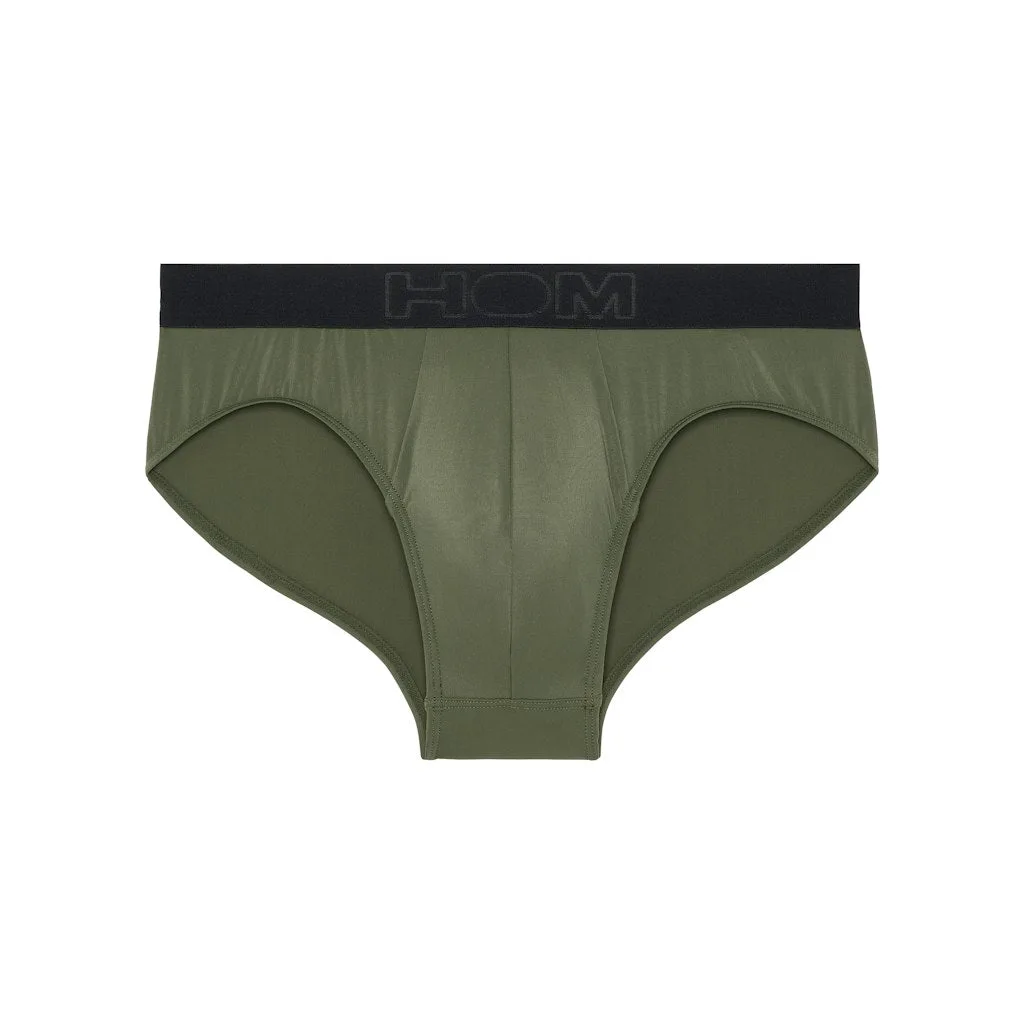
- Supersoft Mini Briefs | Khaki Green 403105-00XD: Supersoft microfiber briefs with a soft, fluid, breathable fabric, wraparound cut and invisible interior trim. A full-coverage microfiber option to rotate in when you want a break from minimal cuts.
Which cut should you choose?
Best for
- People who want a low-cut look with fabric across the back and fewer adjustments
- Everyday wear under jeans, tailored trousers, or fitted clothing
- Anyone new to minimal underwear who wants a step down from a full brief
Not for
- People who want the absolute least coverage and no back fabric
- Anyone who prefers a longer leg to prevent thigh friction, who should choose a boxer brief