Quick Answer
G-strings have a thin vertical string at the back with minimal fabric, while thongs feature a wider strip that offers more coverage. If you prioritize zero lines and barely-there feel, choose a g-string; if you prefer a bit more fabric and comfort for all-day wear, a thong is your match.
When you're shopping for underwear that disappears under clothes, the choice often comes down to g-strings vs. thongs. Though they look similar, the difference between a g-string and a thong affects coverage, comfort, and how they work with different outfits. Understanding these nuances helps you pick the right style for every occasion.
In this comparison, we break down the key distinctions, from back coverage to fabric choices, so you can decide which silhouette suits your wardrobe and lifestyle. We'll also look at specific pieces from SCANDALE that illustrate the range of options available.
What Defines a G-String?
A g-string is characterized by a narrow strip of fabric that sits between the buttocks, often just a string. This design offers the least coverage and virtually eliminates visible panty lines. The front panel is typically small, and the waistband is thin, making it a popular choice for tight-fitting dresses, leggings, or outfits where any line would be a distraction.
Because of its minimal construction, a g-string can feel almost like wearing nothing at all. However, this lack of fabric means less support and coverage, which may not be ideal for all-day wear if you prefer a bit more substance. The micro string silhouette is a classic example, often featuring delicate details like lace or adjustable ties.
- Best for seamless looks under body-hugging clothing.
- Provides minimal coverage and a barely-there feel.
- May require a break-in period if you're not used to the sensation.
What Defines a Thong?
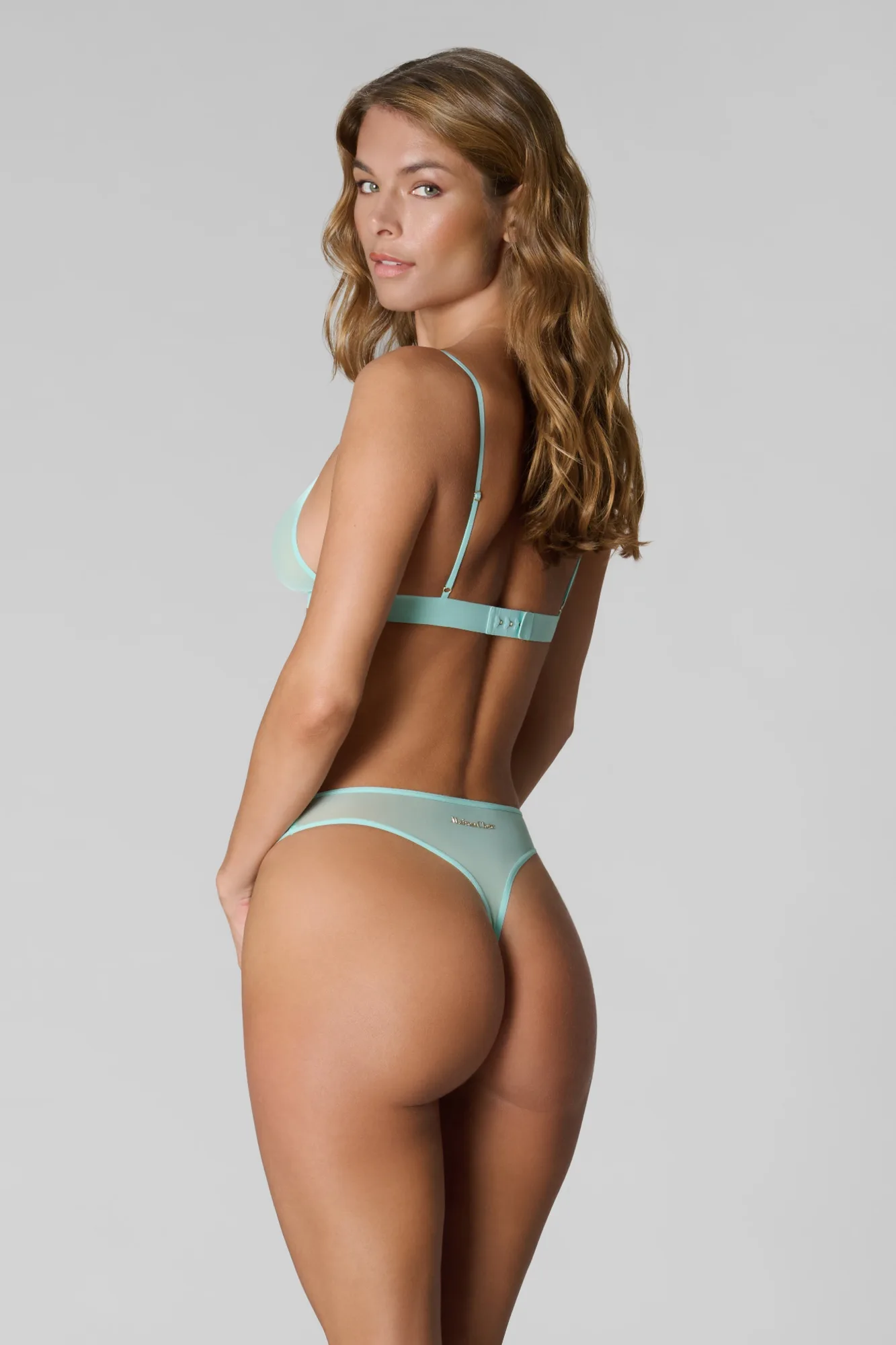
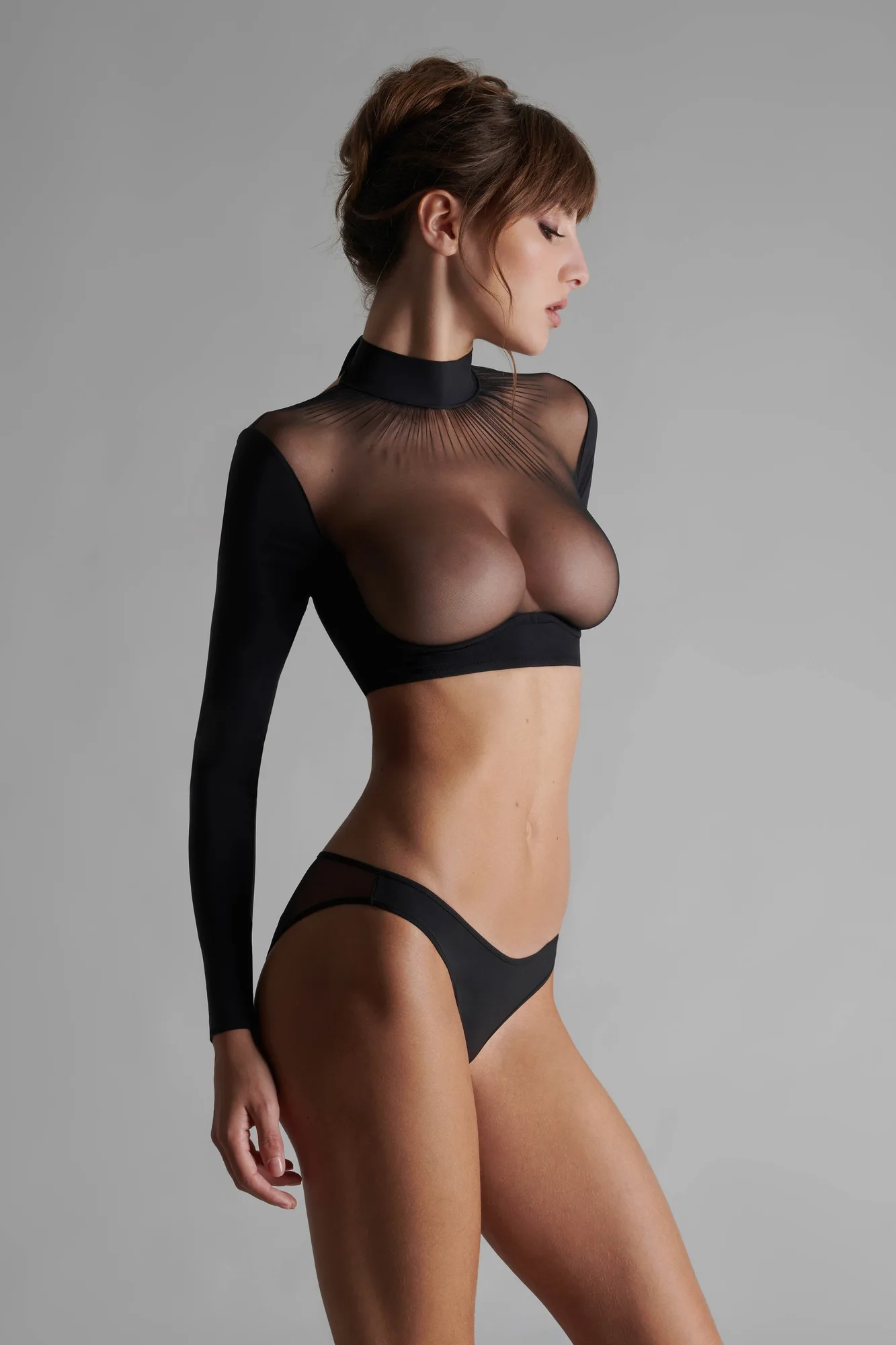
A thong also has a low-back design, but the rear fabric is wider—typically an inch or more—forming a triangle or curved shape. This provides more coverage than a g-string while still preventing visible panty lines. Thongs often have a more substantial waistband and front panel, which can make them feel more secure and comfortable for extended wear.
The wider back also means more fabric to sit against your skin, which some find more comfortable than the thin string of a g-string. Thongs come in a variety of styles, from high-waisted to low-rise, and can be made from soft fabrics like microfiber or lace, offering both function and allure.
- Offers moderate coverage while remaining line-free.
- More fabric can mean increased comfort for daily wear.
- Available in many styles to suit different preferences.
Key Differences in Coverage and Comfort
The primary difference between a g-string and a thong lies in the amount of fabric at the back. A g-string typically has a string that sits between the cheeks, while a thong has a wider strip that covers more area. This affects not only visual coverage but also how the underwear feels throughout the day.
In terms of comfort, it's subjective. Some people find g-strings more comfortable because they're less noticeable, while others prefer the gentle coverage of a thong. If you're new to either style, you might want to try both to see which you forget you're wearing. Fabric choice also plays a role: soft, stretchy materials like microfiber or jersey can enhance comfort in either design.
Trade-offs at a Glance
- G-String: Minimal Coverage: Provides the least fabric, making it perfect for avoiding lines under tight clothes. However, the thin string may feel less secure or take time to get used to. Choose a g-string when you need absolute invisibility under bodycon dresses or leggings.
- Thong: Balanced Coverage: Offers a wider back that covers more area, which can be more comfortable for all-day wear. It still prevents visible lines but may show a subtle seam under very tight fabrics. Opt for a thong if you want a blend of comfort and line-free wear for work or long days.
- Fabric and Fit: Both styles come in various materials, from stretchy microfiber to delicate lace. The right choice depends on your sensitivity and the outfit's requirements. Consider trying both a g-string and a thong in soft, breathable fabrics to see which feels better for you.
SCANDALE Styles to Consider
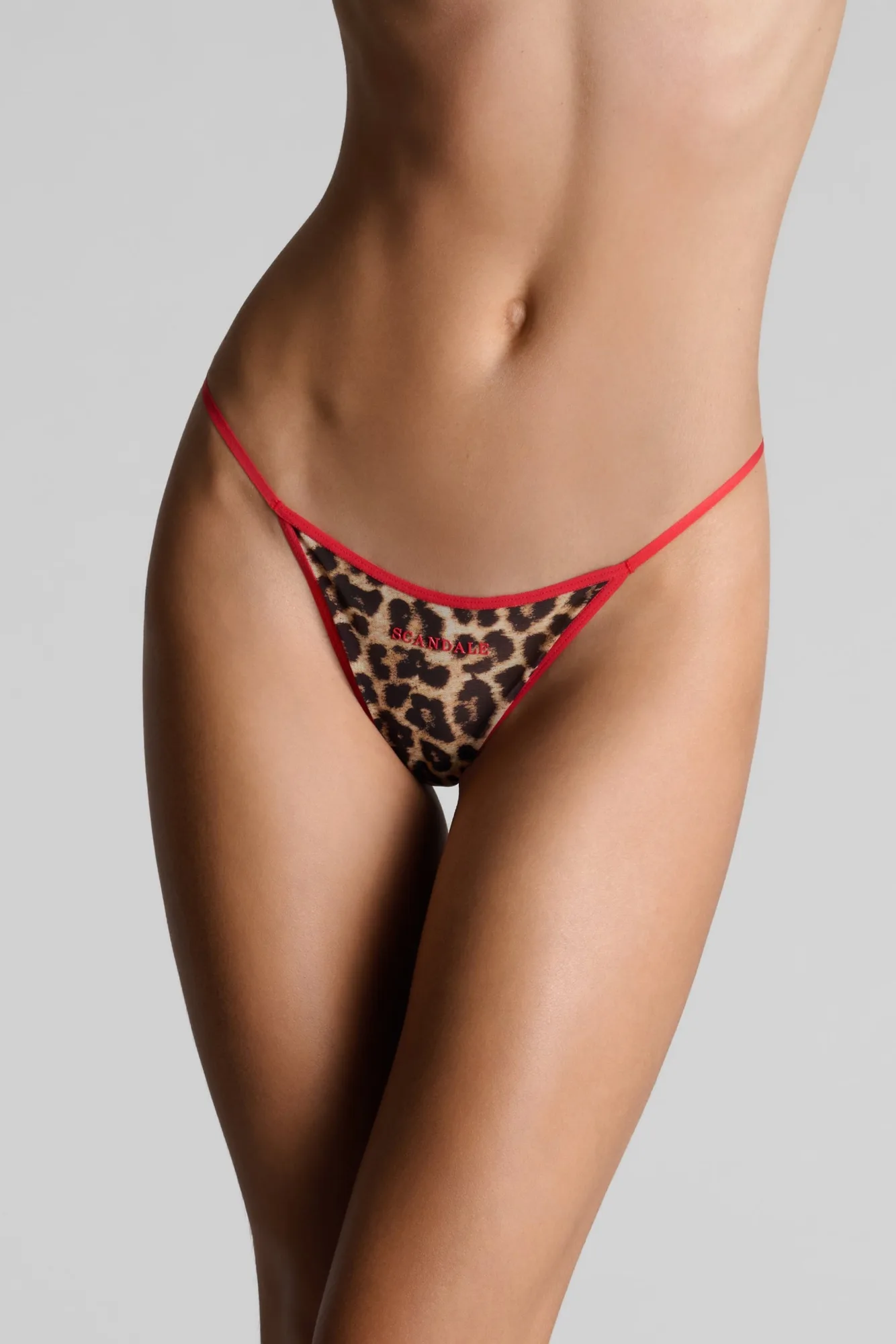
- Micro String - Sauvage: The SAUVAGE micro string reveals a minimal cut in stretch leopard-print tulle, accented with carmine-red elastic. Its central ring at the back and gold-tone side adjusters allow the ties at the waist to be adjusted with precision. The red SCANDALE logo printed at the front signs this piece with graphic animality. This is a true g-string with minimal back coverage, ideal for those who want a daring, barely-there feel. The adjustable ties let you customize the fit, ensuring comfort despite the minimal design.
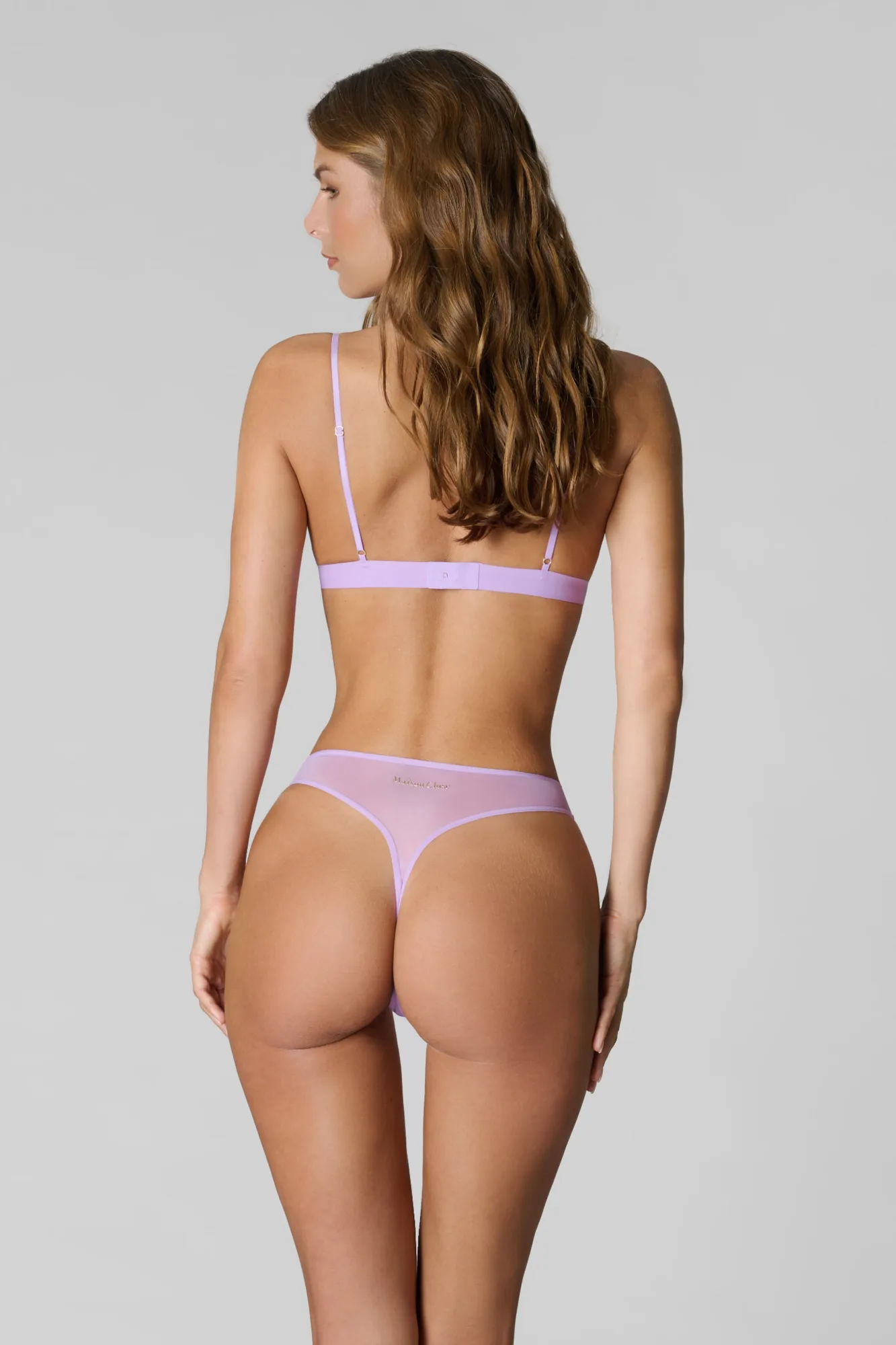
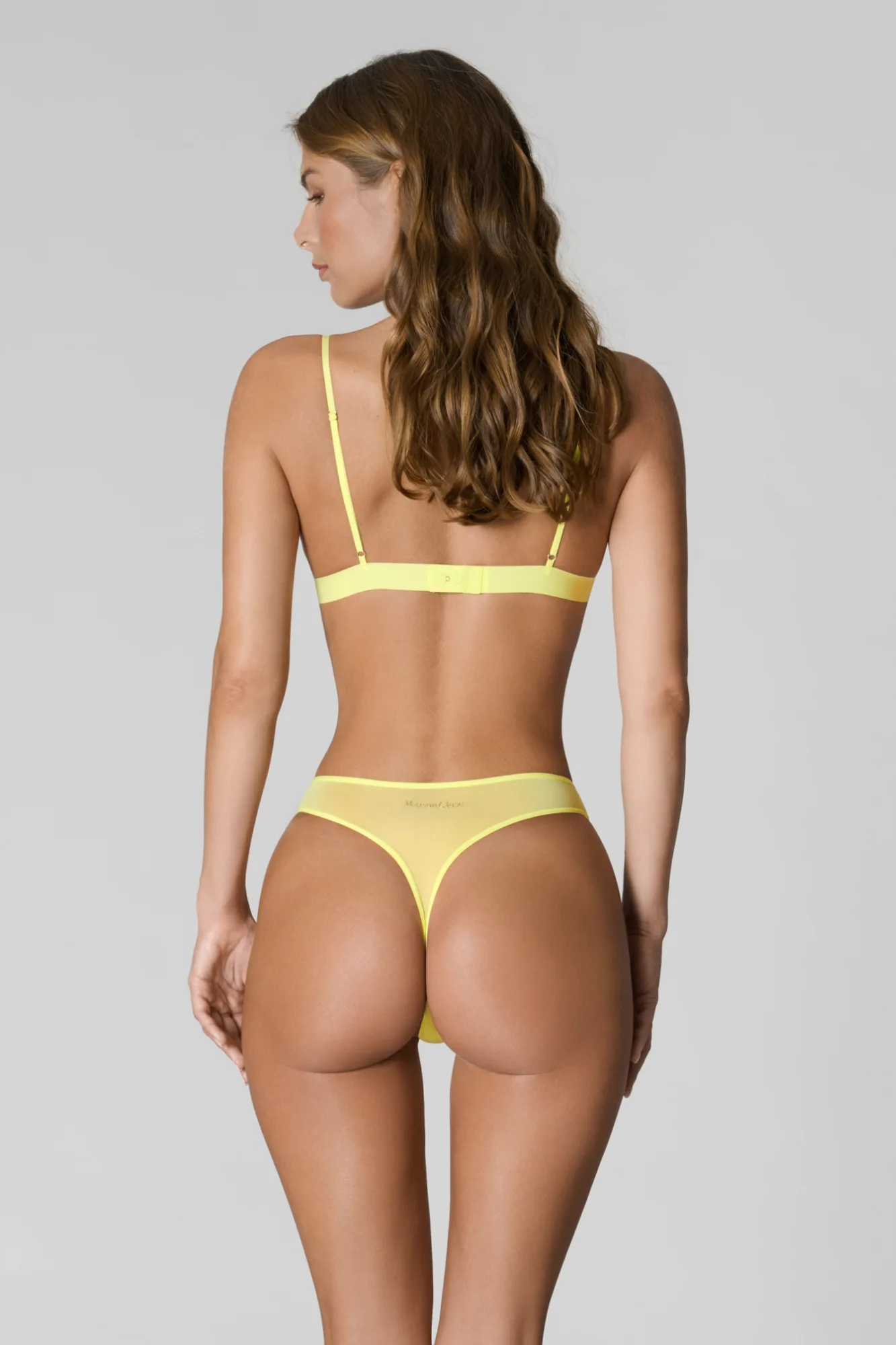
- https://scandalenuy.com/products/high-waisted-thong-double-sens-pastel-lavender-564856-9574f0c30282e1022ec6c7bf-1038889https://scandalenuy.com/products/high-waisted-thong-double-sens-pastel-yellow-564866-1226e460d7af568ba1d48f9d-1038894High-Waisted Thong - Double Sens Pastel: DOUBLE SENS PASTEL high-waisted thong in semi-transparent lavender jersey with a delicate sheen. The ultra-soft microfibre highlights and elongates the waist while following the curves like a second skin. Subtle transparency hints at intimacy without revealing it entirely, in a play of reflections kept perfectly in hand. This thong offers more coverage with a high-waisted cut and a wider back, making it a comfortable choice for everyday wear. The soft microfiber feels smooth against the skin, and the high waist adds a flattering silhouette.
How to Choose
Best For
- Those who prioritize zero visible panty lines under tight or sheer clothing.
- Individuals who prefer minimal coverage and a barely-there sensation.
- Special occasions or outfits where any line would ruin the look.
Not For
- People who find thin strings uncomfortable or need more support throughout the day.
- Those who prefer fuller coverage for modesty or to avoid constant adjustment.
- Anyone with sensitive skin that might be irritated by minimal fabric or seams.
Understanding the difference between a g-string and a thong allows you to choose underwear that fits both your outfit and your comfort needs. Whether you opt for the daring minimalism of a g-string or the balanced coverage of a thong, SCANDALE offers styles that combine luxury with practicality. Explore both to discover your personal preference.