Quick answer
For most backcountry hunters, a mid-height gaiter (roughly 10–15 inches) offers the best balance of protection and breathability for mud, light snow, and brush. If you regularly hunt deep snow or wet brush, choose a taller gaiter (15–18+ inches) for maximum coverage. For fast, dry-weather hunts, a low gaiter (6–10 inches) saves weight and reduces heat. Fit matters as much as height: a gaiter should stay put without restricting circulation or catching on vegetation.
Gaiters are one of those pieces of gear that you don’t think about until you’re postholing through a drift or picking burrs out of your socks. The right height and fit keep debris out, keep warmth in, and let you move without fuss. But gaiters aren’t one-size-fits-all—what works for a muddy spring bear hunt won’t cut it in late-season snow.
This guide breaks down how gaiter height and fit affect performance in mud, snow, and brush. You’ll get concrete decision rules and fit guidance so you can choose a pair that matches your terrain and conditions, not just a spec sheet.
Why gaiter height matters
Gaiter height determines how much of your lower leg is protected. Low gaiters cover the ankle and top of the boot, mid gaiters reach mid-calf, and tall gaiters extend to just below the knee. Each height has a trade-off between coverage, weight, breathability, and how well it stays in place. Taller gaiters offer more protection from deep snow, mud splatter, and brush, but they add bulk and can be warmer. Shorter gaiters are lighter and cooler but leave more exposed.
The right height depends on what you’re protecting against. If you’re mostly walking through wet grass and shallow mud, a low or mid gaiter is enough. If you’re breaking trail in knee-deep snow, you’ll want a tall gaiter to keep snow out of your boots and prevent your pant cuffs from soaking through.
- Low (6–10 in): Best for dry trails, light brush, and fast movement.
- Mid (10–15 in): All-around choice for mud, light snow, and mixed terrain.
- Tall (15–18+ in): Maximum coverage for deep snow, heavy brush, and wet conditions.
Fit: the make-or-break factor
A gaiter that fits poorly will bunch, slip, or restrict your stride. The top strap or cord should sit snug but not cut off circulation. The bottom strap or lace hook must stay engaged with your boot laces or sole without wearing through. Look for adjustable closures at the top and a durable, replaceable underfoot strap. If you have larger calves, check that the gaiter’s circumference accommodates them—many brands offer sizing based on calf measurement.
The material also affects fit. Stretchy softshell gaiters conform to your leg and move with you, while laminated waterproof fabrics are stiffer but more protective. For hunting, a gaiter that balances durability and quietness is ideal. Avoid overly noisy fabrics if you’re stalking close-range game.
- Measure your calf at its widest point and compare to the brand’s size chart.
- Check that the top closure can be adjusted with gloves on.
- Ensure the underfoot strap is replaceable—it’s the first part to wear out.
Mud, snow, and brush: matching height to conditions
Mud is heavy and sticky. A mid-height gaiter with a smooth, tightly woven face fabric sheds mud better than a textured one. You want enough height to keep mud from flipping up onto your pants, but not so much that you overheat. For snow, taller is almost always better because it prevents snow from entering the top of the gaiter and soaking your socks. A tall gaiter with a drawcord top and a secure boot attachment is key.
Brush is abrasive and noisy. Tall gaiters protect your legs from thorns and branches, but they can also snag. Look for a gaiter with a streamlined profile and reinforced panels in high-wear areas. If you’re hunting in thick brush, consider a gaiter that is quiet and tough rather than ultralight and delicate.
- Mud: mid-height, smooth fabric, easy to rinse.
- Snow: tall height, waterproof, secure top closure.
- Brush: tall or mid-height, abrasion-resistant, quiet fabric.
How gaiters integrate with your boots and pants
Gaiters work best when they interface cleanly with your boots and pants. Your pants should be tucked into the gaiter, not over it, to create a seal. If your pants are too bulky, they may bunch inside the gaiter and cause discomfort. Boots with a defined heel and a lace hook point make attachment easier. Some gaiters use a strap under the arch, while others rely on a hook that connects to laces—both work, but the lace hook is less prone to wear.
Consider the height of your boot. A tall gaiter paired with a low-cut boot can leave a gap at the back of the heel. Conversely, a low gaiter on a tall boot may not cover the boot’s upper collar. Match gaiter height to boot height for a seamless seal.
- Tuck pants into gaiters to keep debris out.
- Choose a gaiter that covers the boot collar completely.
- Test the attachment system with your specific boots before heading out.
Decision rules for choosing gaiter height and fit
- If you hunt mostly in mud and wet grass: Choose a mid-height gaiter (10–15 in) with a smooth, mud-shedding fabric. Ensure the top closure adjusts easily and the underfoot strap is replaceable. Mid-height gaiters offer the best balance of coverage and breathability for muddy conditions.
- If you hunt in deep snow or cold, wet conditions: Choose a tall gaiter (15–18+ in) with waterproof construction and a secure drawcord top. Pair with boots that have a defined heel for a secure underfoot strap. Tall gaiters prevent snow from entering your boots and keep your lower legs dry.
- If you hunt in thick brush or thorny terrain: Choose a tall or mid-height gaiter with abrasion-resistant panels and a quiet fabric. Avoid ultralight models that may snag or tear. Durability and quietness matter more than weight in heavy brush.
- If you prioritize speed and minimal weight: Choose a low gaiter (6–10 in) made from lightweight, breathable material. Use only when conditions are dry and brush is minimal. Low gaiters save weight but leave more of your leg exposed.
- If you have larger calves or wear bulky pants: Check the gaiter’s calf circumference and adjustability. Look for models with elastic panels or wide hook-and-loop closures. A proper fit prevents slipping and discomfort on long hikes.
PEAX gear that supports your gaiter setup
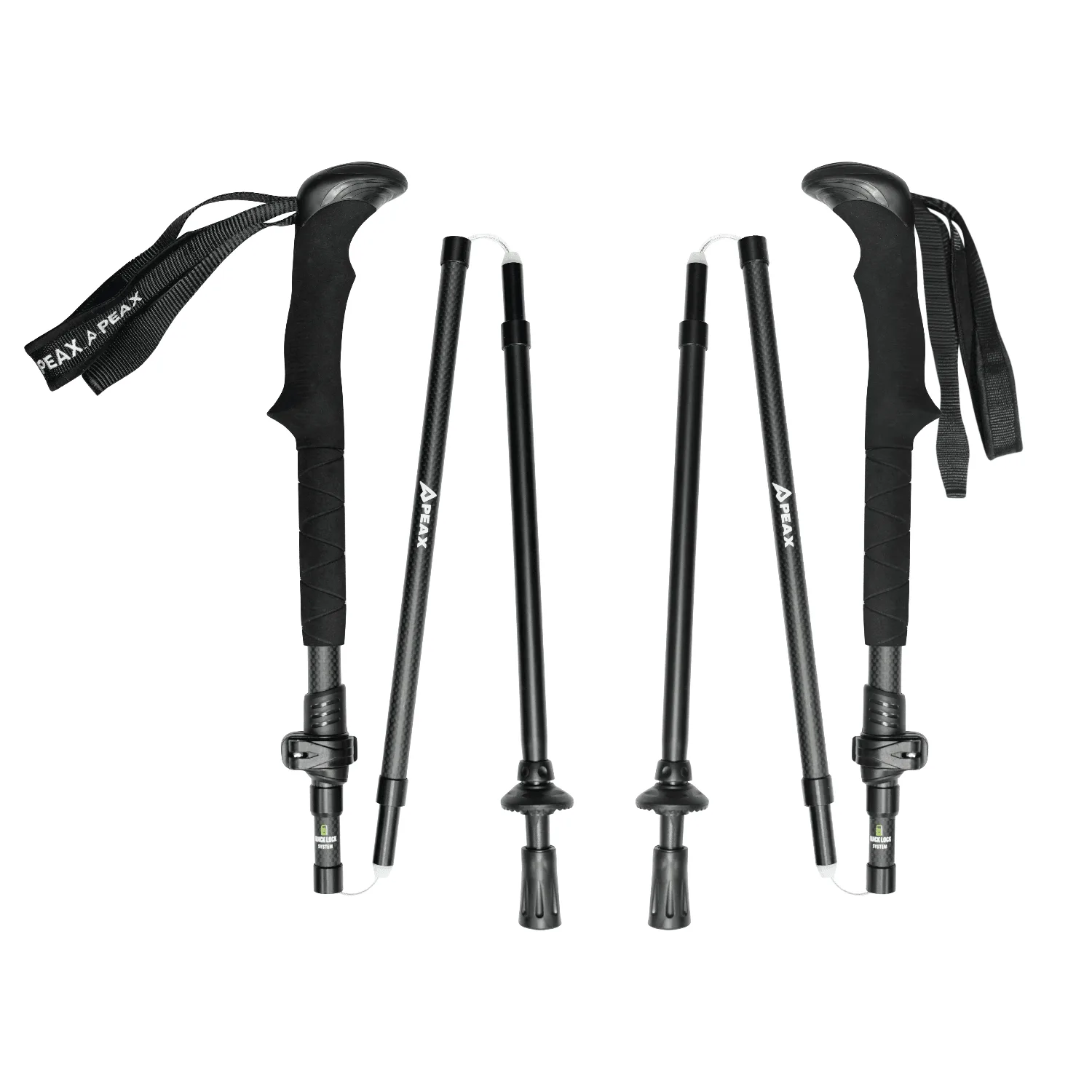
- PEAX BACKCOUNTRY Z TREKKING POLES: The PEAX Backcountry Z are folding collapsible trekking poles built for hunters who need lightweight stability when conditions demand it and compact storage when they don't. Trekking poles improve balance on uneven, muddy, or snow-covered ground—exactly where gaiters are most useful. Their compact fold means you can stow them when you need both hands free for glassing or navigating brush.
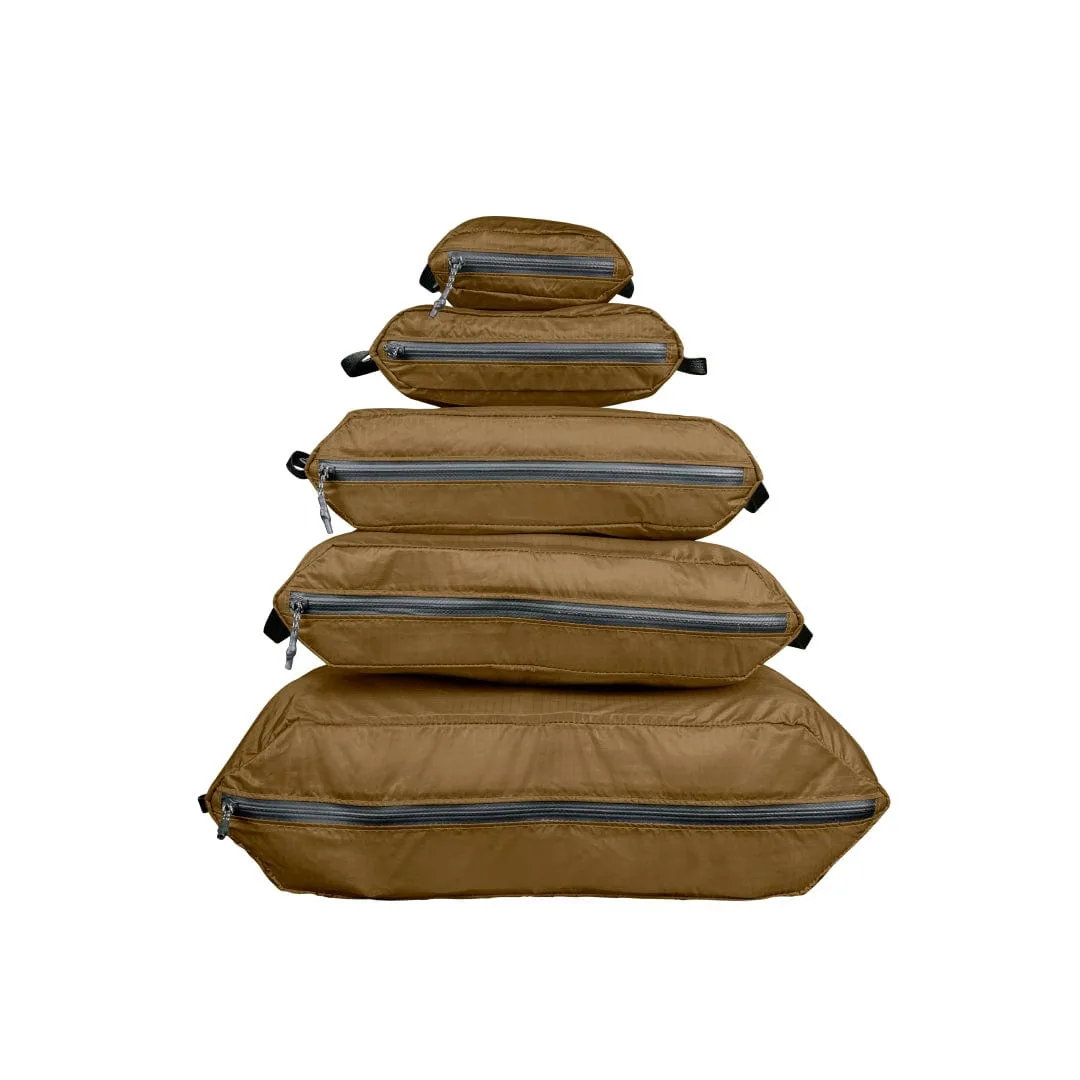
- KIT SACK: The PEAX Kit Sack keeps essential gear organized, protected, and easy to find, helping hunters maintain an efficient pack system in the backcountry. Lightweight, durable, and purpose-built for organization, these gear bags help eliminate pack clutter without adding unnecessary bulk. Use a Kit Sack to store muddy or wet gaiters separately from dry gear, keeping the rest of your pack clean and organized. Available in multiple sizes and colors to match your system.
Is a mid-height gaiter right for you?
Best for
- Hunters who encounter a mix of mud, light snow, and brush
- Backpackers who want one gaiter to handle most conditions
- Those who prioritize breathability and all-day comfort
Not for
- Hunters who regularly break trail in deep snow (choose tall gaiters)
- Ultralight purists who only need ankle protection in dry conditions (choose low gaiters)
- Those with very large calves who need specialized sizing
Choosing the right gaiter height and fit comes down to your terrain and conditions. Use the decision rules above to match coverage to mud, snow, or brush, and always check the fit with your boots and pants. A well-chosen gaiter stays put, keeps debris out, and lets you focus on the hunt.