Quick answer
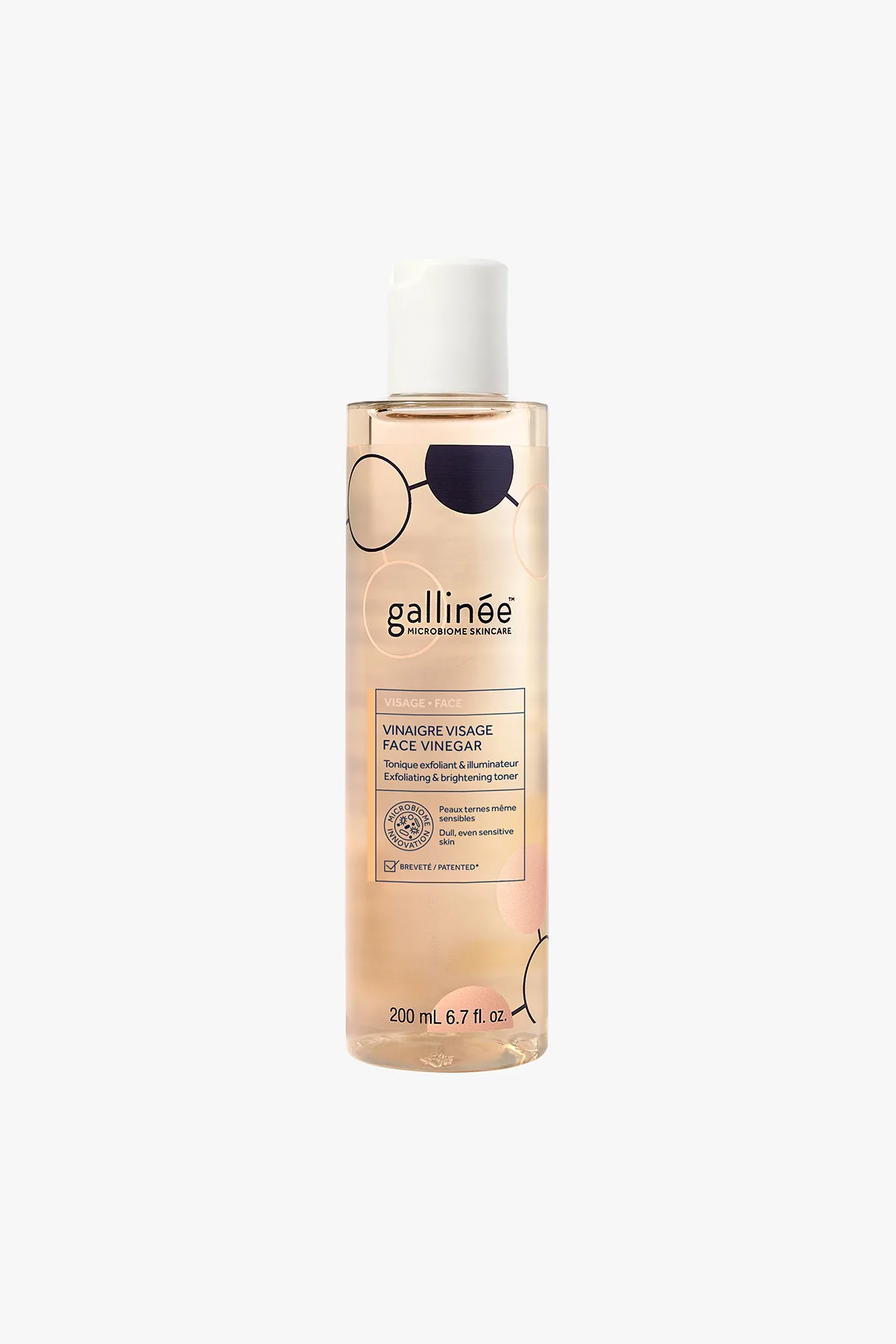
Gallinee Face Vinegar is an alcohol-free, pH-balanced toner, so it is generally a reasonable option for sensitive skin when you introduce it slowly. Start with a patch test, use it every other day at first, and stop if you notice lasting stinging, redness, or tightness. If your skin is actively reactive or broken, hold off and focus on a plain moisturizer until it settles.
Why an alcohol-free toner matters for reactive skin
Sensitive skin usually reacts to what a product removes, not just what it adds. Alcohol-heavy toners can strip oils quickly, which leaves the barrier feeling tight and makes redness more noticeable. Gallinee Face Vinegar is formulated as alcohol-free and pH-balanced, and it is described as clarifying and brightening without stripping natural oils. That combination is why it can fit a sensitive routine where a classic astringent toner would not. It is still an active step, so treat it as something to introduce gradually rather than something to splash on twice a day from day one.
How to patch test Face Vinegar properly
A patch test is about where and when, not just whether. Apply a small amount to a discreet area such as behind the ear or along the jawline, let it dry, and leave it undisturbed for 24 hours. If that area stays calm, repeat on a small section of one cheek for another 24 hours before using it across your whole face. Testing on your inner forearm alone is less useful because facial skin is thinner and more reactive. Keep the rest of your routine unchanged during the test so you can tell what caused any reaction.
Signs it is too much for your skin
Mild tingling that fades within a minute or two is common with acidic toners and is not automatically a problem. What matters is what happens afterward. Stop using it if you get stinging that builds rather than fades, visible redness that lasts more than an hour, flaking, or a feeling that your moisturizer suddenly stings. Those are barrier signals, not proof that the product is bad, but they do mean your skin needs a pause. Set the toner aside for a week, keep cleansing gentle, and reintroduce it less often if you want to try again.
Building a gentle routine around it
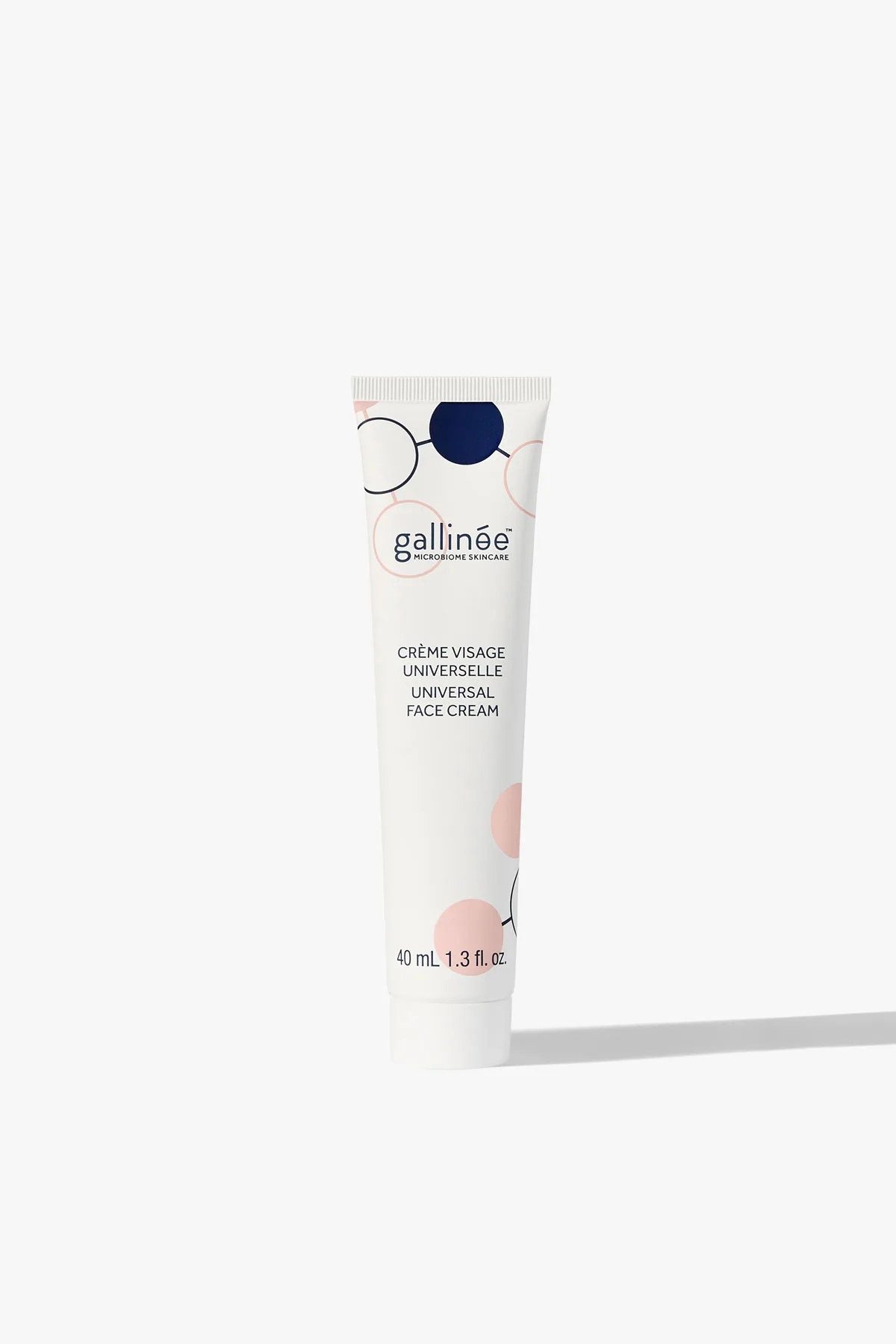
The simplest way to keep a toner tolerable is to reduce everything else that exfoliates or clarifies. On the days you use Face Vinegar, skip scrubs, cleansing brushes, and any other acid step. Apply it to clean, dry skin with a cotton pad or your palms, then follow with a moisturizer while the skin is still slightly damp. Gallinee Universal Face Cream is a lightweight daily moisturizer described as suitable for various skin types, which makes it an easy partner for this step because it hydrates and balances without adding another active. If your skin is dry or tight, moisturizer is not optional here.
- Start with every other evening for the first two weeks.
- Use one pass only, and avoid the eye area and any cracked or freshly shaved skin.
- Do not layer it with retinol, strong acids, or vitamin C on the same night.
- If your skin feels tight an hour later, cut back to twice a week.
When to skip it entirely
There are times when no amount of slow introduction makes a toner a good idea. Skip Face Vinegar while your skin is sunburned, windburned, peeling, or recovering from a cosmetic procedure, and while you are treating an active eczema or rosacea flare. If you are using prescription retinoids or acne medication, ask your dermatologist before adding a toner, because the combination can push already-treated skin past its limit. Sensitive skin is not one fixed state; it changes with weather, stress, and medication, so a product that worked in spring may need a break in winter.
Sensitive-skin FAQ
Is Face Vinegar safe for sensitive skin?
It is alcohol-free and pH-balanced, which makes it a gentler toner format than a classic astringent. Safety still depends on your skin and how you introduce it. Patch test first, then start every other day.
Can I use it every day?
The product is described as suitable for daily use, but sensitive skin often does better on an alternating schedule at first. Build up only after two calm weeks. Daily use is the goal, not the starting point.
What does irritation from a toner feel like?
Watch for stinging that increases instead of fading, redness lasting over an hour, flaking, or moisturizer suddenly stinging. Brief tingling that settles is different. Pause for a week if barrier signals appear.
Where should I patch test?
Behind the ear or along the jawline for 24 hours, then a small area of one cheek for another 24 hours. Forearm testing misses how facial skin behaves. Two stages, two days, no other routine changes.
What should I pair it with?
A simple moisturizer applied to slightly damp skin after the toner. Gallinee Universal Face Cream is a lightweight daily option suitable for various skin types. Moisturize within a minute of applying the toner.
When should I not use it at all?
Skip it during sunburn, peeling, active eczema or rosacea flares, and after cosmetic procedures. Check with your dermatologist if you use prescription retinoids. Healing skin needs moisture, not toning.
Product facts that matter here
- Face Vinegar: Gallinee Face Vinegar is a gentle, pH-balanced toner designed to refine pores and balance skin, formulated with live fermented ingredients and no alcohol. The alcohol-free, pH-balanced format is the main reason it can be considered for sensitive skin, and the fermented ingredients explain why some reactive skin still needs a slow introduction.
- Universal Face Cream: Gallinee Universal Face Cream is a lightweight daily moisturizer described as suitable for various skin types, helping hydrate and maintain skin balance. Pairing the toner with a plain hydrating moisturizer is the easiest way to buffer it, and a lightweight texture is less likely to feel heavy on reactive skin.