Quick Answer
If you want the longest-lasting upholstery with the least day-to-day maintenance, mesh-backed or tightly woven fabric holds up better than standard PU leather, which tends to crack and peel after a few years of heavy use. PU leather still wins on easy wipe-down cleaning and a uniform look. For a Vertagear PL4500 or PL4800, the material you pick also determines how well add-ons like the RGB LED Bottom Kit and laser-engraved logo panels integrate with your chair's finish.
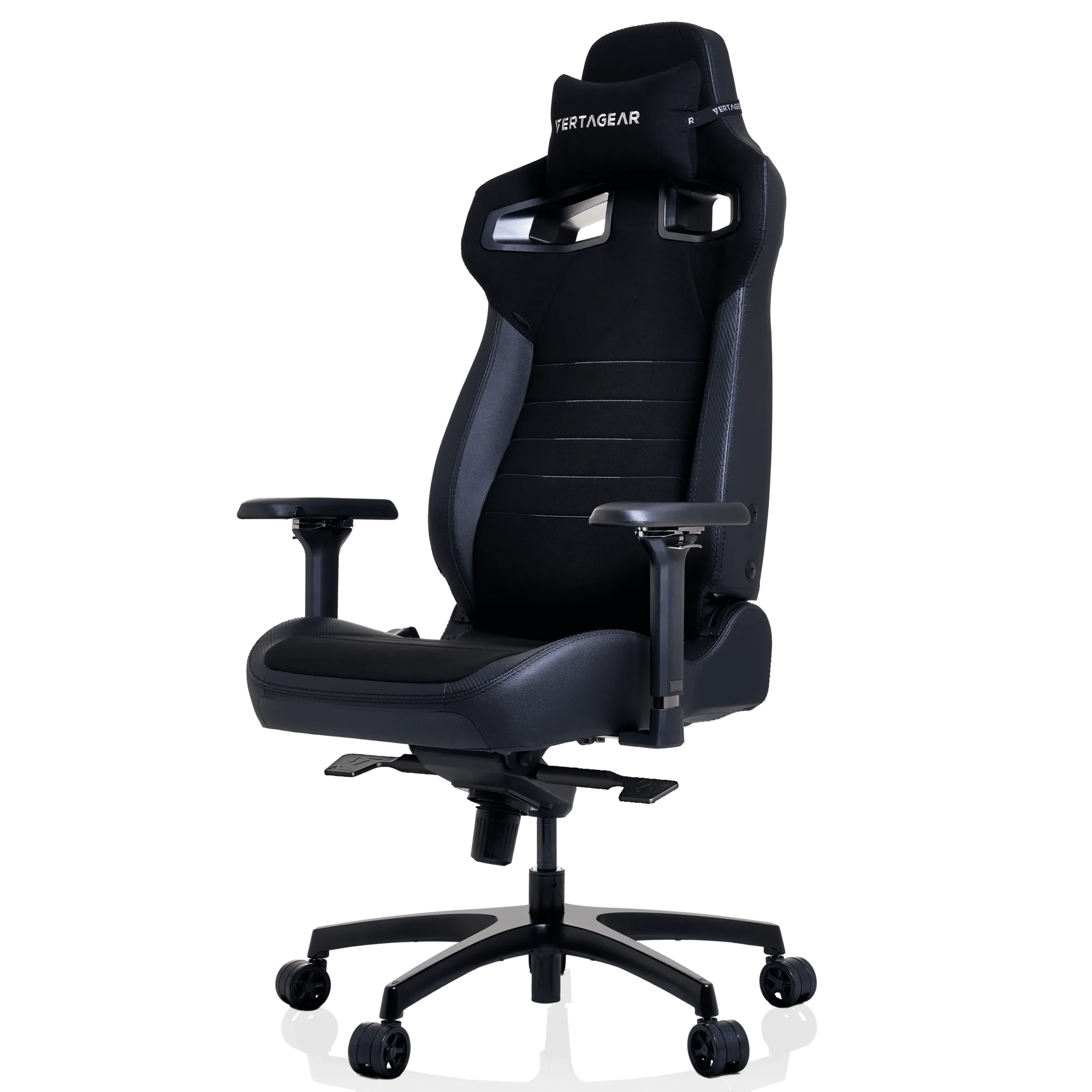
PL4800
PU Leather: Easy to Clean, but Watch the Surface Over Time
PU leather is a polyurethane coating over a fabric backing. It resists spills, wipes clean with a damp cloth, and keeps a consistent color across the seat and backrest. The trade-off is the coating itself: with heavy daily sitting, sweat, and friction, the top layer can crack or peel, especially along seams and pressure points. It also traps more heat than fabric, which matters if you sit for long sessions in a warm room.
Fabric and Mesh: Breathable and Forgiving, but Slower to Clean
Woven fabric and mesh let air move through the seat and back, so you stay cooler and the material flexes instead of cracking. They hide minor scuffs well and tend to age more gracefully than PU leather. The catch is cleaning: dust and crumbs work into the weave, and liquid spills can leave a mark if you do not blot them quickly. A vacuum brush attachment and a mild upholstery cleaner handle most messes, but you cannot simply wipe fabric down the way you can PU.
How Material Choice Affects Vertagear Add-Ons
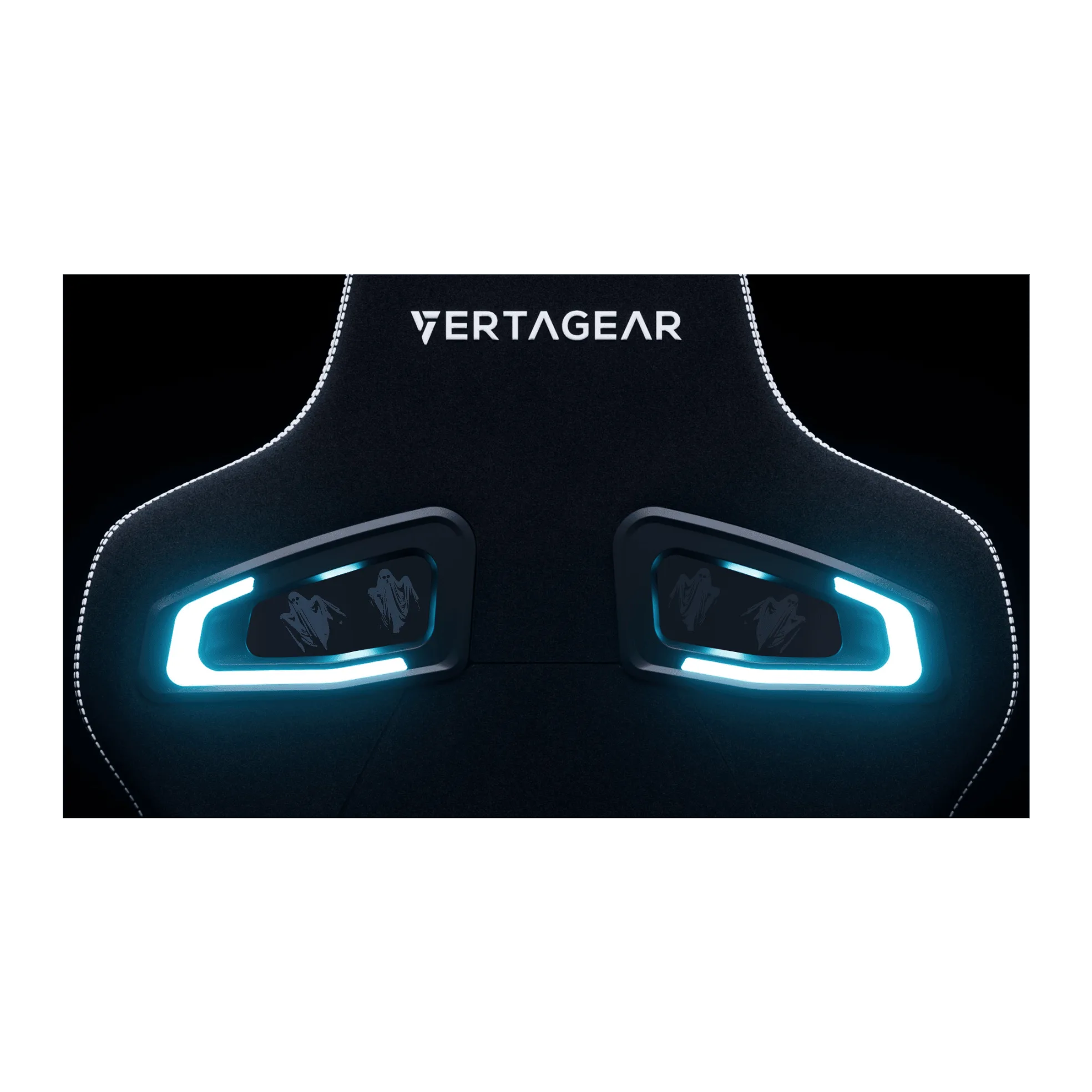
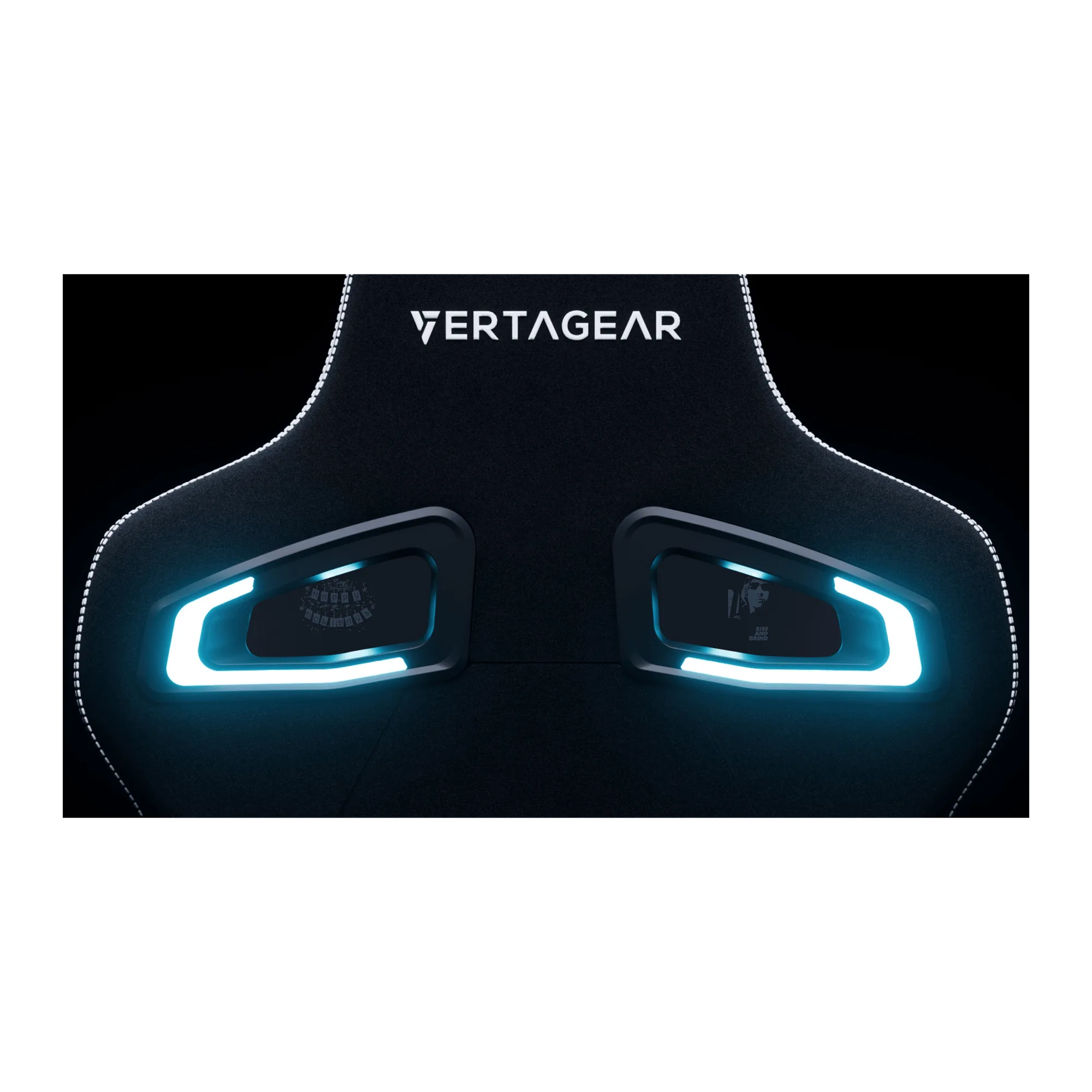
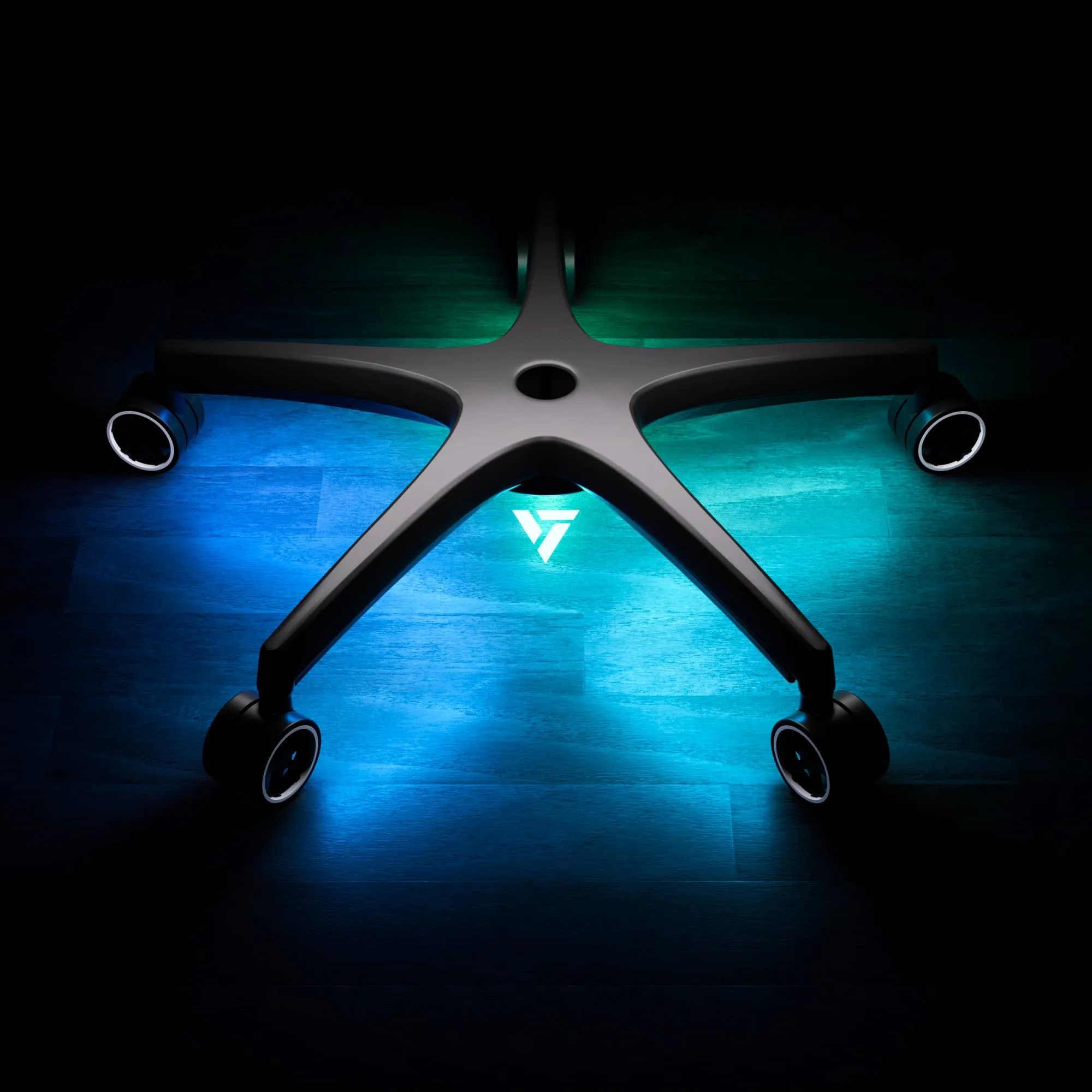
On Vertagear PL4500 and PL4800 chairs, the RGB LED Bottom Kit and the Light Up Your Logo engraving options are designed to work alongside the chair's existing finish. The LED kit is a separate accessory that adds wireless RGB lighting, and the logo panels are laser-engraved to order. Neither changes the base upholstery, so your material decision still drives comfort and durability. If you plan to add both, choose the chair material first, then treat the lighting and engraving as finishing touches.
Care Routines That Extend Upholstery Life
For PU leather, wipe with a damp microfiber cloth weekly and avoid alcohol-based cleaners that dry out the coating. For fabric or mesh, vacuum monthly with a soft brush and blot spills immediately rather than rubbing. In both cases, keep the chair out of direct sunlight, which fades color and degrades coatings faster than normal use. Rotating where you sit and using a seat cushion can also spread wear across the surface instead of concentrating it in one spot.
Material Trade-Offs at a Glance
- PU Leather: Wipes clean and looks uniform, but the coating can crack or peel with heavy use and traps heat. Best if you spill often and want low-effort cleaning, and you accept that the surface may need replacing sooner.
- Fabric: Breathable and resistant to cracking, but absorbs spills and needs vacuuming to stay fresh. Best if you sit for long hours and prefer a cooler, softer feel over wipe-down convenience.
- Mesh: Maximum airflow and flex, but the weave can snag and shows dust in the texture. Best for warm rooms and long sessions, provided you keep the mesh free of debris.
Vertagear Personalization Options
- Light Up Your Logo - PL4800 Edition: https://vertagearol.com/products/light-up-your-logo-pl4800-edition-77b1b561fd6e295af0f25c91-1684178https://vertagearol.com/products/light-up-your-logo-pl4800-edition-9d5e605e-6b61-4553-9b-df252c2f4f34d225cd0f2c32-1684182https://vertagearol.com/products/light-up-your-logo-pl4800-edition-a9650141-a0e3-40df-8f-8c1d9b654858d9875a9f5c33-1684184Light Up Your Logo - PL4800 Edition uses high-quality laser engraving to personalize your chair with a logo of your choice, as long as it fits the engraving guidelines. RGB kit sold separately. Orders cannot be changed once placed. If you want a custom logo on a PL4800, order it with the chair rather than later, since the engraving is final and the RGB lighting is a separate purchase.
- RGB LED Bottom Kit: The RGB LED Bottom Kit is a wirelessly operated RGB lighting kit for the Vertagear PL4500 and PL4800 gaming chairs, with smart interactive effects. This is an add-on for lighting, not a change to the chair's upholstery, so it does not affect how long your material lasts.
Which Material Fits Your Setup
Choose this if
- You want easy wipe-down cleaning and a uniform look (PU leather).
- You sit for long hours and want breathability and crack resistance (fabric or mesh).
- You plan to add Vertagear personalization like the RGB LED Bottom Kit or a laser-engraved logo panel.
Skip this if
- You want a material that never shows wear — no upholstery is immune to friction and sunlight.
- You expect the RGB kit or logo engraving to change the chair's base upholstery — they are separate add-ons.