Quick Answer
Buy the smallest mat that still covers your play area: for most DnD groups, a 24 x 14 inch mat is enough for character sheets and dice, while 36 x 24 inches suits shared battle maps. Choose a stitched-edge cloth surface for card and dice play, and skip the oversized mat if you pack up every week.
Start With Table Space, Not Mat Marketing
Measure your actual usable table area before you shop. Most folding tables and kitchen tables leave 24 to 30 inches of depth per player, so a mat wider than the table forces sheets and snacks off the edge. A 24 x 14 inch mat fits one player's zone; a 36 x 24 inch mat covers a shared battle map for four to six players. If you run theater-of-the-mind sessions, a smaller dice rolling mat beside your notes is often enough.
Match Surface to the Dice You Actually Roll
Cloth and neoprene surfaces absorb impact and quiet the roll, which matters for metal and glass dice that can chip on bare wood or scratch a table finish. Smooth vinyl or printed mats are easier to wipe clean but give less cushion, so heavy metal dice land louder and slide farther. If you mostly roll gemstone or glass sets, pick a padded cloth surface and keep a separate padded box for storage.
Portability: Roll-Up vs Flat
Roll-up mats with stitched edges survive being folded into a bag, but they can retain a curl for the first session. Flat mats lie better but are awkward to carry. If you travel to game night, a roll-up mat plus a dedicated carry bag keeps the surface protected and leaves room for dice, rulebooks, and snacks. Check the mat's rolled diameter against your bag before buying, not after.
Decision Rules for Buying a Gaming Mat
- Rule 1: Measure before you buy: If your table depth is under 30 inches, choose a 24 x 14 inch mat or smaller. If you host a shared battle map, choose 36 x 24 inches. A mat that overhangs the table gets folded, creased, and eventually replaced.
- Rule 2: Match surface to dice material: Metal, glass, and gemstone dice need a padded cloth or neoprene surface. Resin and plastic dice work on almost any surface. If you own glass sets, treat the mat as protection, not decoration.
- Rule 3: Prioritize portability only if you travel: Weekly game-night players should buy a roll-up mat with stitched edges and check its rolled size against their bag. Home-only players can choose a flat mat and get a better lie.
Gear That Supports a Mat Setup
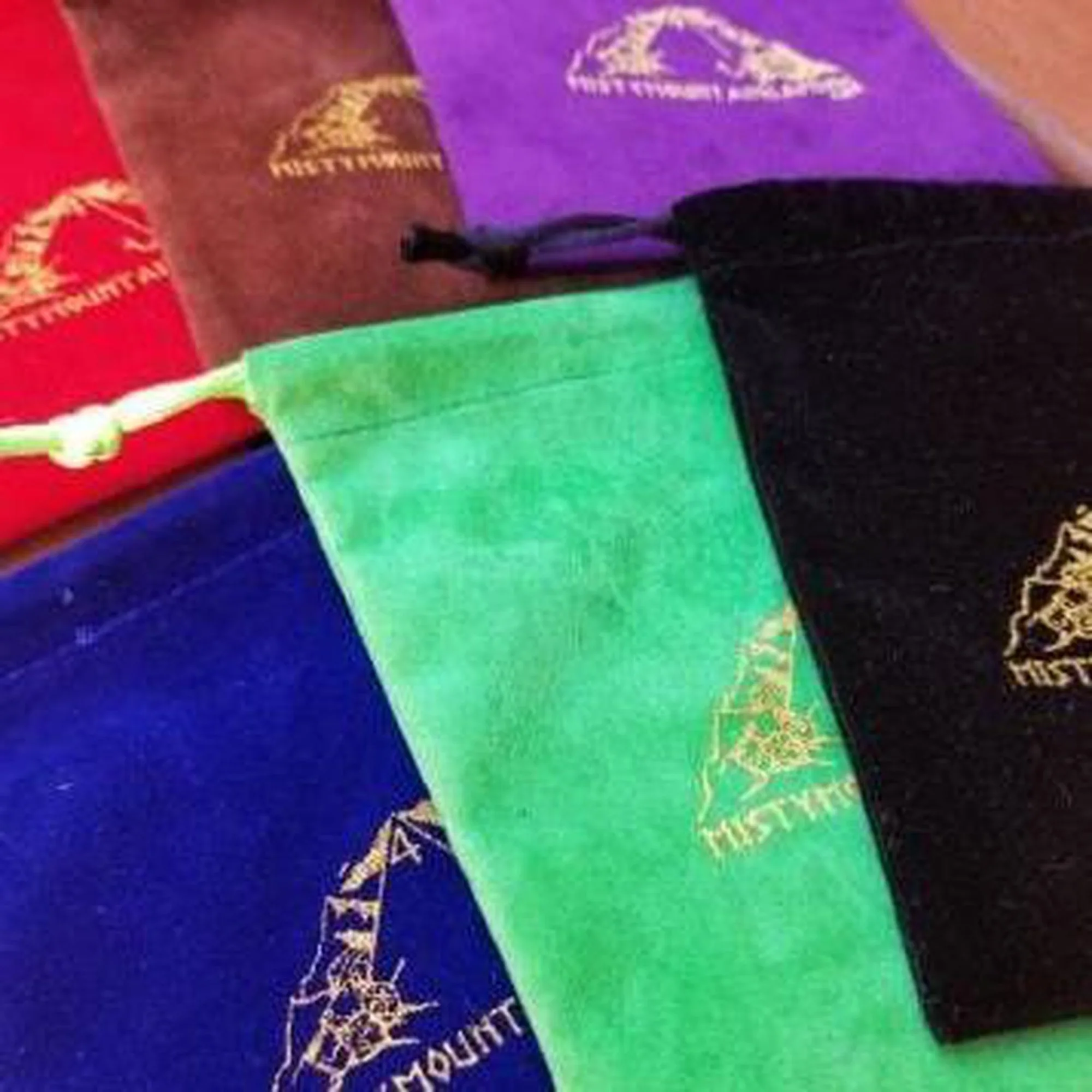
- Velvet Dice Bag: Velvet Dice Bag, 3.5 x 4.5 inches, drawstring closure, holds 3-4 dice sets. Keeps your dice separate from the mat surface so glass and gemstone edges do not scratch or chip in transit.
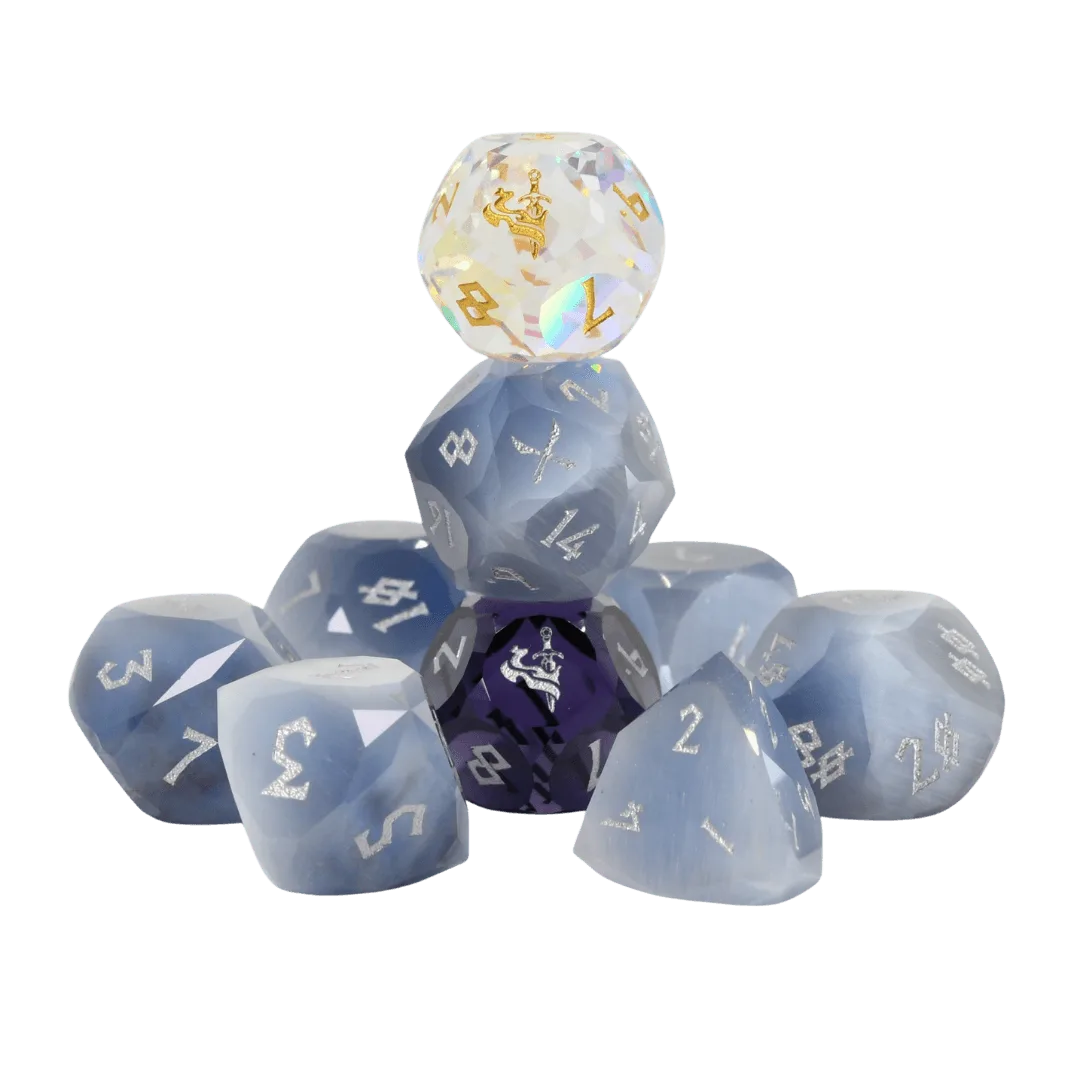
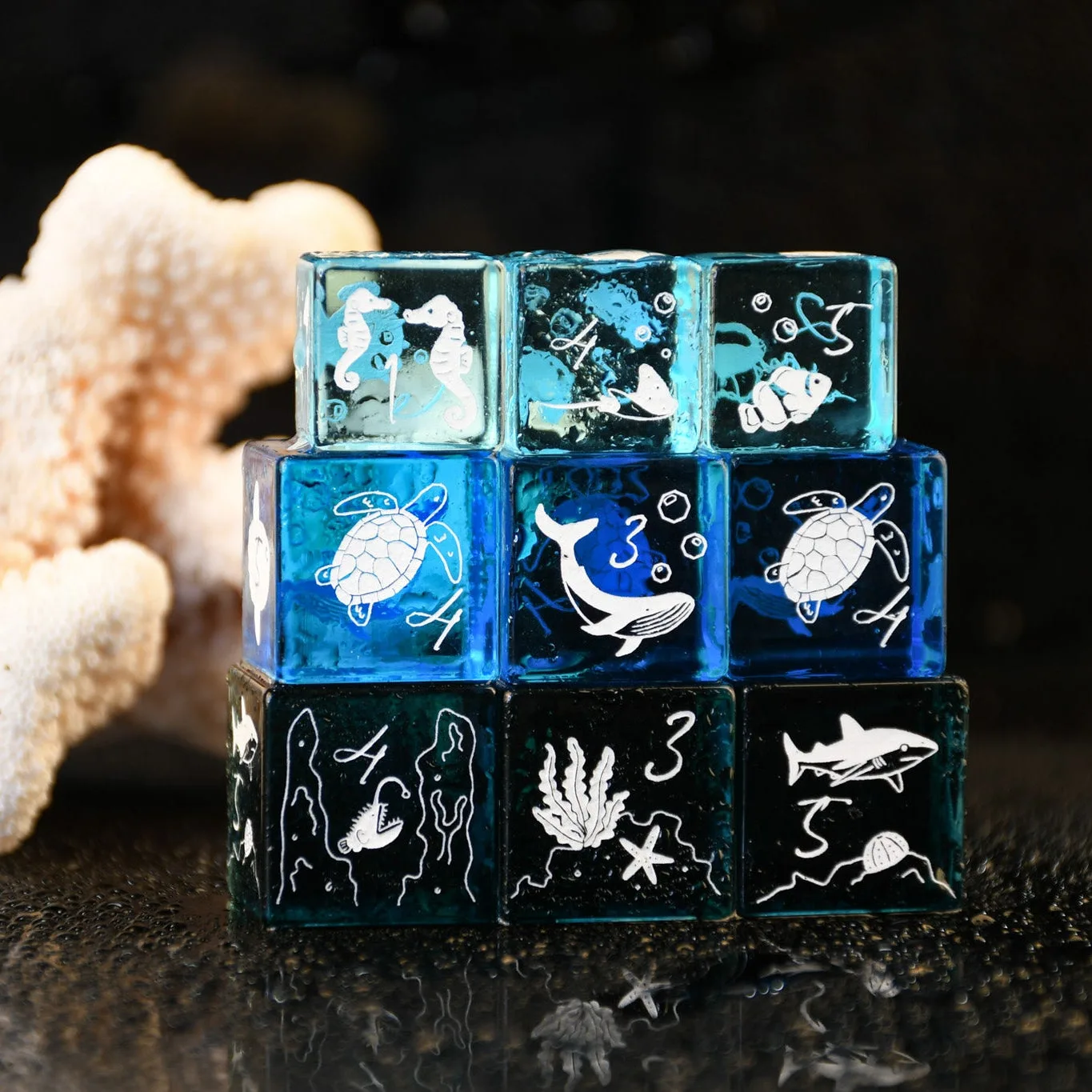
- PRE-ORDER || Daggerheart Bone Domain Multifaceted Glass Dice Set: Daggerheart Bone Domain Multifaceted Glass Dice Set includes a padded display and storage box. Glass dice need a cushioned surface and a padded home; the included box means the mat only has to handle rolling, not storage.
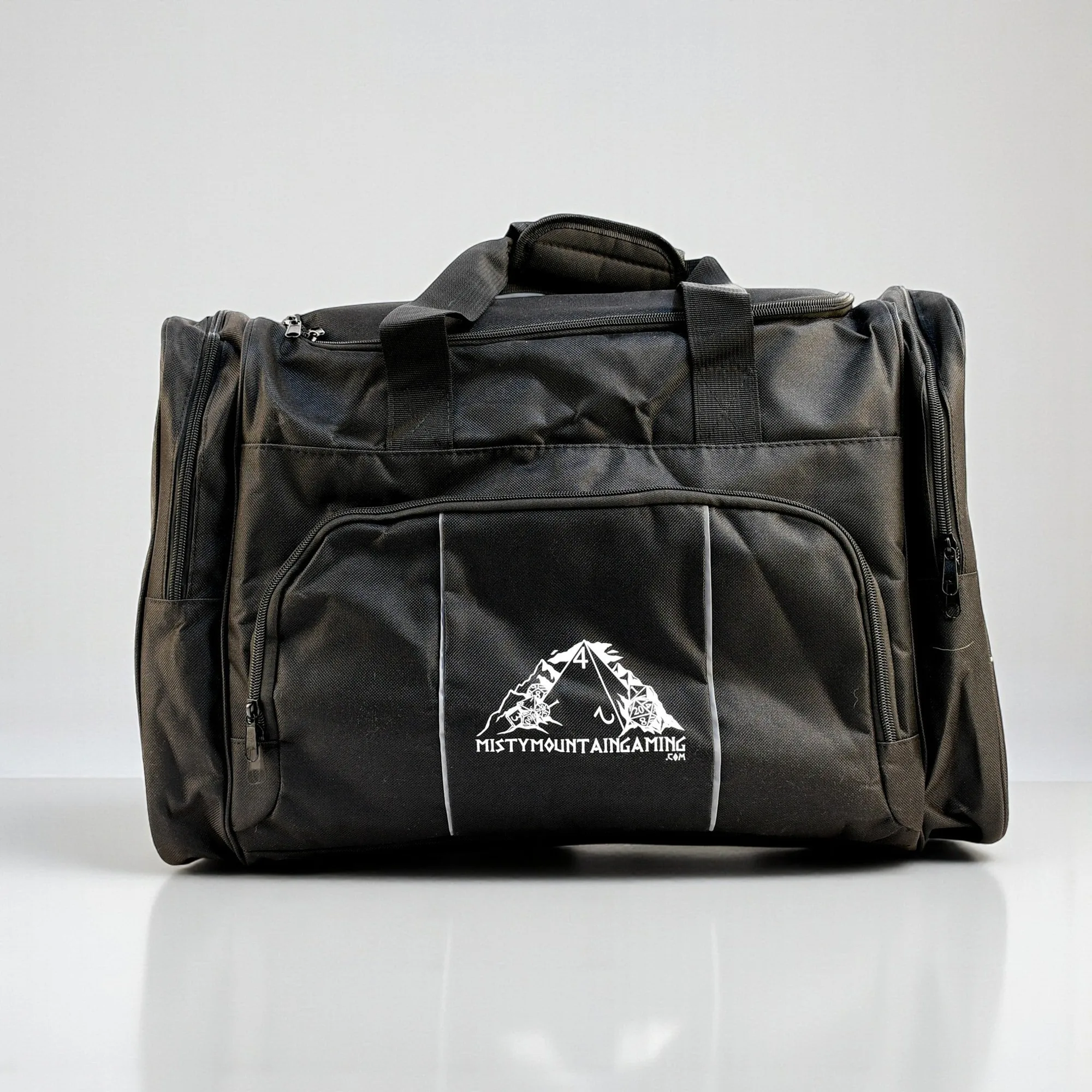
- MMG GAMER BAG: MMG Gamer Bag is 19 x 10 x 13 inches with two 10 x 13 inch side pockets. A roll-up mat plus dice bag and rulebook fit inside, so portability decisions should start with this bag's dimensions.
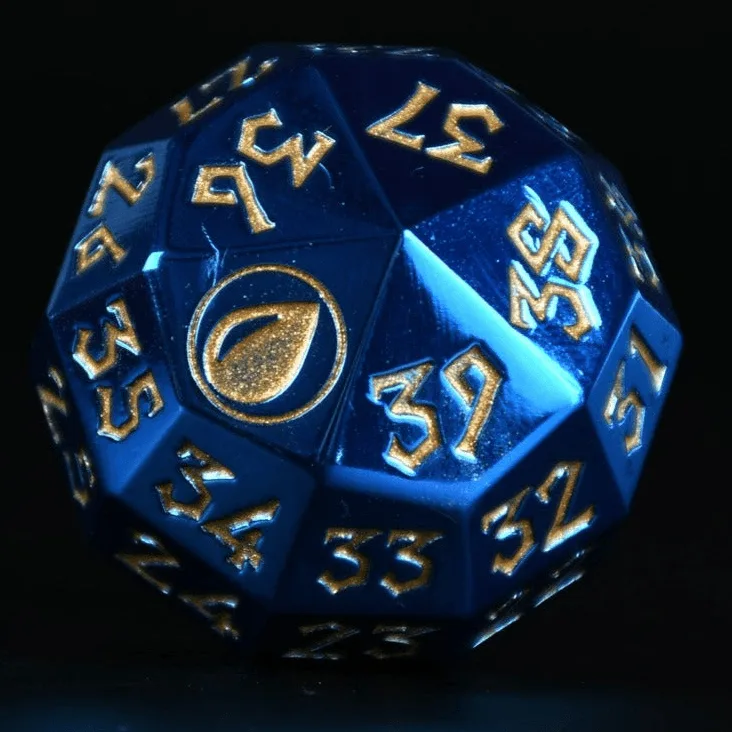
- Island Mana Spindown Metal D40: Island Mana Spindown Metal D40 is a metal life counter with a lifetime warranty. Metal counters are heavy and loud; a padded mat surface prevents table dents and keeps the counter from sliding mid-game.
Who Should Buy Which Mat
Best for
- DnD groups who need a shared battle map surface for four to six players
- Players who roll metal, glass, or gemstone dice and want to protect the table
- Weekly game-night players who pack a mat, dice bag, and rulebook into one carry bag
Not for
- Players who only roll plastic dice on a soft table and do not need cushioning
- Groups who play exclusively online and never use a physical table
- Buyers who want a mat larger than their table and are fine with overhang