Quick Answer
To create a miniature garden habitat with garden insect figurines, choose a shallow container, add a soil base, place natural props like leaves and twigs, then arrange the figurines to tell a story—perfect for both display and play.
Why a Miniature Habitat Works
A miniature garden habitat gives insect figurines a context that sparks curiosity and storytelling. Instead of standing alone on a shelf, the figures become part of a tiny ecosystem that children can rearrange and explore.
The Papo insect set—featuring an abeille, a papillon, and an escargot—offers realistic details that make the habitat feel authentic. The bee's role in pollination and the butterfly's metamorphosis become teachable moments when placed among flowers and leaves.
Steps to Build Your Miniature Garden Habitat
- Choose a container: Pick a shallow tray, a large saucer, or a small wooden box. Ensure it has a rim to keep soil and props contained. A clear container works well for viewing from the side. Check that the container is at least 2 inches deep to hold soil and props without spilling.
- Add a soil or moss base: Fill the container with a layer of potting soil, sand, or moss. Press it down gently to create a stable surface. This mimics the garden floor and gives the figurines a natural footing. Avoid using real soil if the habitat is for indoor display—use craft moss or sand to keep it clean.
- Place natural props: Add small leaves, twigs, pebbles, or artificial flowers to create hiding spots and perches. Arrange them to look natural, not symmetrical. This gives the insect figurines places to 'land' or 'crawl'. Make sure props are stable and won't topple when children play with the figures.
- Position the insect figurines: Set the bee near a flower to show pollination, place the butterfly on a leaf or twig, and put the snail on a damp-looking surface. This creates a story and encourages imaginative play. Leave space between figures so children can move them easily without knocking over props.
- Add a finishing touch: Consider a small sign, a tiny watering can, or a few pebbles to make the scene feel lived-in. These extras enhance the play value and make the habitat more engaging. Keep extras simple—too many items can clutter the scene and distract from the figurines.
Papo Insect Figurines at a Glance
-
Coffret insectes (Abeille - Papillon - Escargot): This set includes three lifelike figurines: a bee, a butterfly, and a snail, each designed to encourage learning about nature and biodiversity. These figures are ideal for a miniature habitat because their realistic details help children recognize real garden insects and understand their roles.
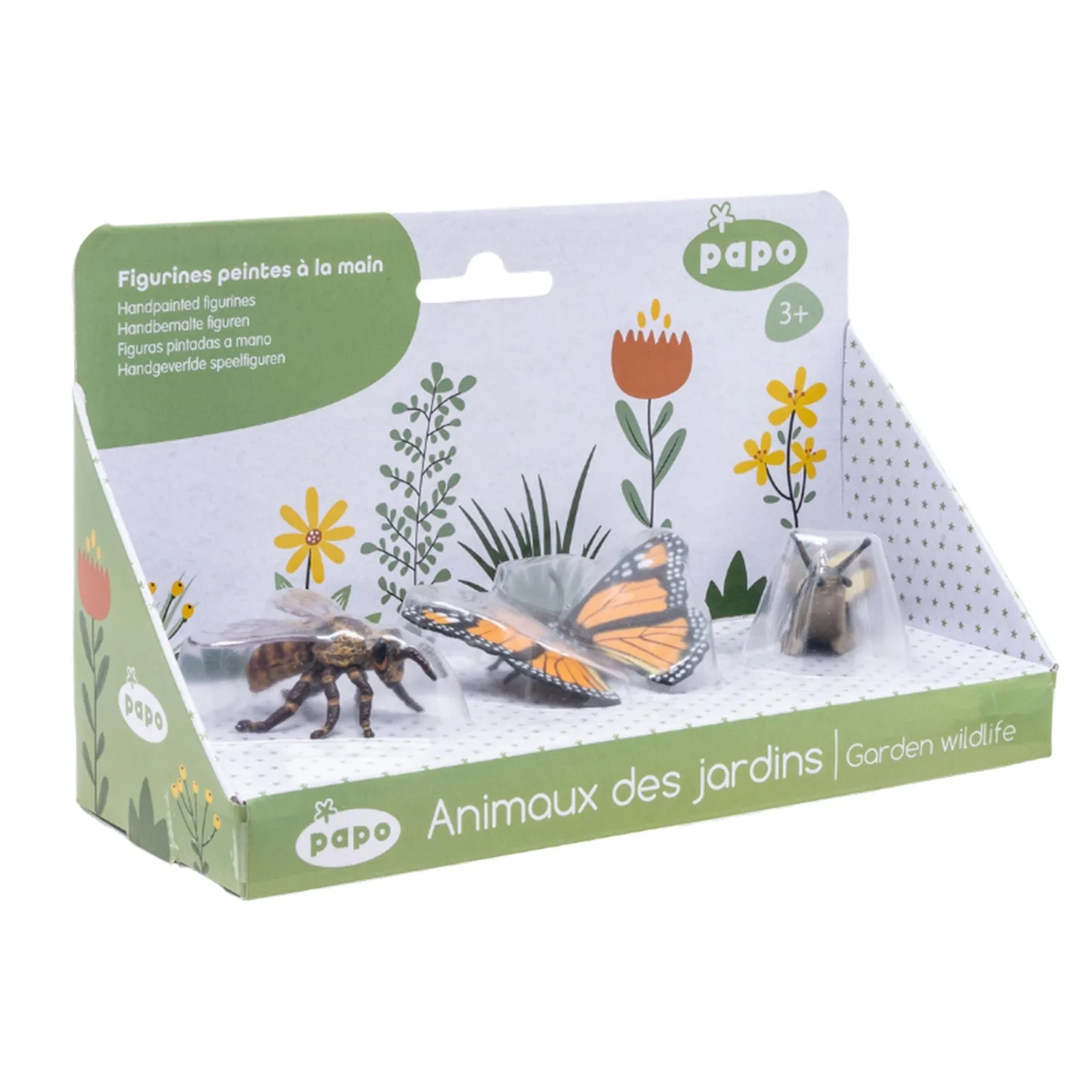
Coffret insectes (Abeille - Papillon - Escargot)