Quick answer
Most gauze and bandage mistakes come down to using the wrong material for the wound or applying it incorrectly. Match the dressing to the wound, keep it clean and slightly moist, and change it when soiled or wet. Simple corrections prevent most healing setbacks.
Why dressing choice matters more than technique
A bandage that sticks to a dry wound or a gauze pad that sheds fibers can delay healing. The right material protects the wound, manages moisture, and comes off without trauma. For minor cuts, a flexible adhesive bandage with a soothing pad works well. For bleeding wounds, sterile gauze pads or rolls are the better choice. Using the wrong type for the situation is a common first aid mistake.
Mistake 1: Using the same gauze for every wound
Not all gauze is interchangeable. Mini gauze pads and rolls are sized for small wounds and refilling compact kits. Larger bleeding wounds need bigger dressings that can absorb more and cover the area. If you use a tiny pad on a larger cut, it saturates quickly and you have to change it more often, which disrupts the healing surface.
Mistake 2: Letting the wound dry out completely
A wound that dries to a scab can heal slower and crack when moved. A slightly moist environment supports faster healing. If you use gauze, keep it from sticking by moistening it with sterile saline if available, or choose a bandage with a soothing aloe pad that won't adhere to the wound bed.
Mistake 3: Wrapping too tight or too loose
A bandage should be snug enough to stay in place but not so tight that it restricts blood flow or causes numbness. You should be able to slip a finger under the edge. Too loose and it slides off, exposing the wound to dirt and bacteria. Check circulation and sensation regularly.
Mistake 4: Leaving a wet or soiled dressing on
Once a dressing is wet or soiled, it no longer protects the wound and can promote bacterial growth. Change it as soon as possible. For minor wounds, change daily or when it gets wet. For bleeding wounds, change when bleeding stops and the dressing is saturated.
Verdicts on common gauze and bandage claims
- Claim: You should let a wound dry out to form a scab.: A dry scab can slow healing and crack. A slightly moist wound environment supports faster healing. Use a non-stick dressing like a bandage with a soothing aloe pad. Verdict: False. Keep the wound slightly moist.
- Claim: Any gauze works for any wound.: Gauze comes in different sizes and types. Mini gauze is for small wounds and kit refills. Larger wounds need bigger dressings that can absorb more. Verdict: False. Match gauze size to the wound.
- Claim: A bandage should be wrapped as tight as possible.: Too tight restricts blood flow and can cause numbness. A bandage should be snug but allow a finger to slip under the edge. Verdict: False. Wrap snug, not tight.
- Claim: You can leave a wet bandage on until it dries.: A wet dressing loses its protective barrier and can harbor bacteria. Change it promptly. Verdict: False. Change wet or soiled dressings immediately.
Products that help you avoid these mistakes
- SuperSkin® Large Bandage: SuperSkin® Large Bandage: 10 pack, made with SuperSkin technology, soothing aloe pad, latex-free, 5x stronger adhesive than average, 4-way stretch. The aloe pad won't stick to the wound, and the strong adhesive keeps the bandage in place without frequent reapplication, reducing disruption to healing.
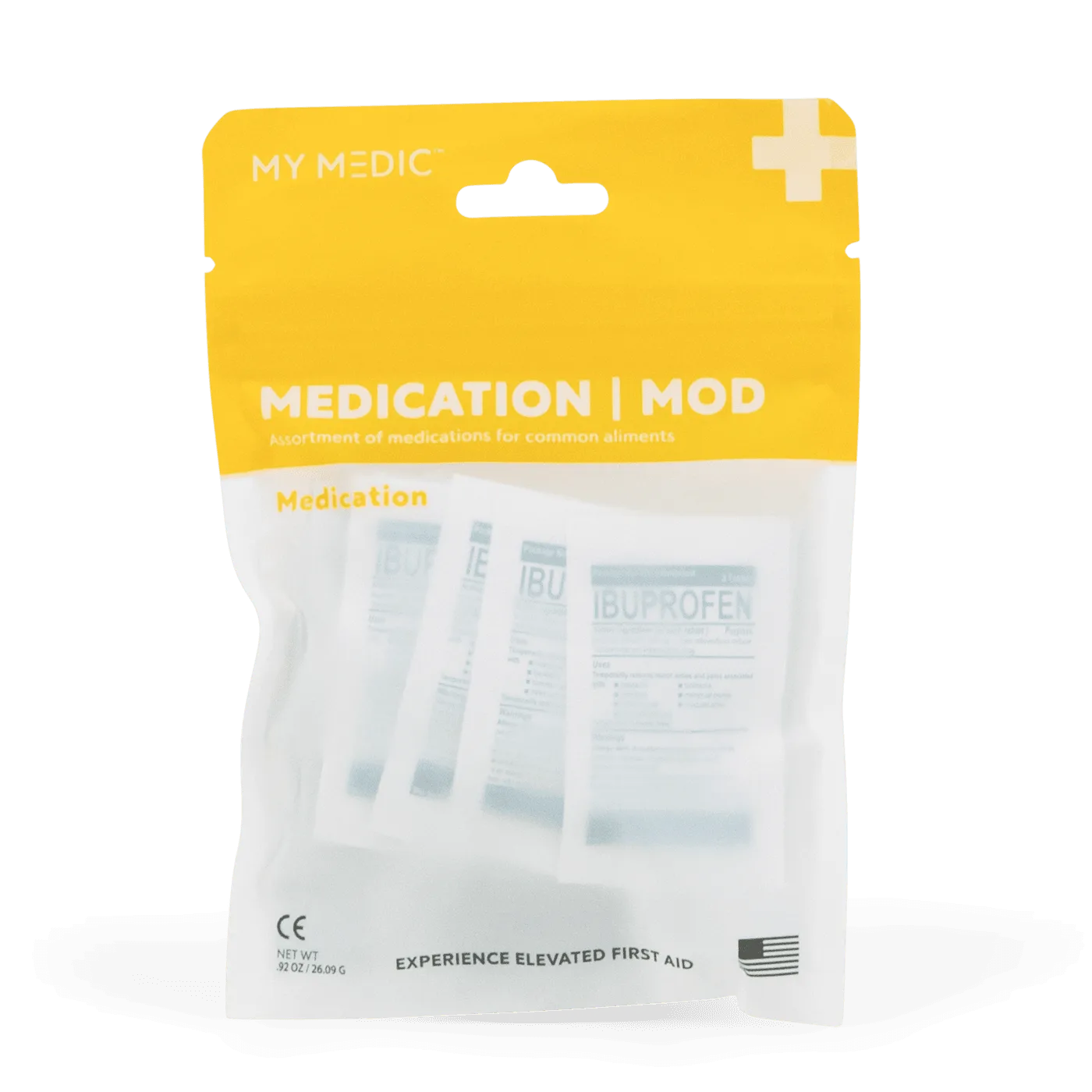
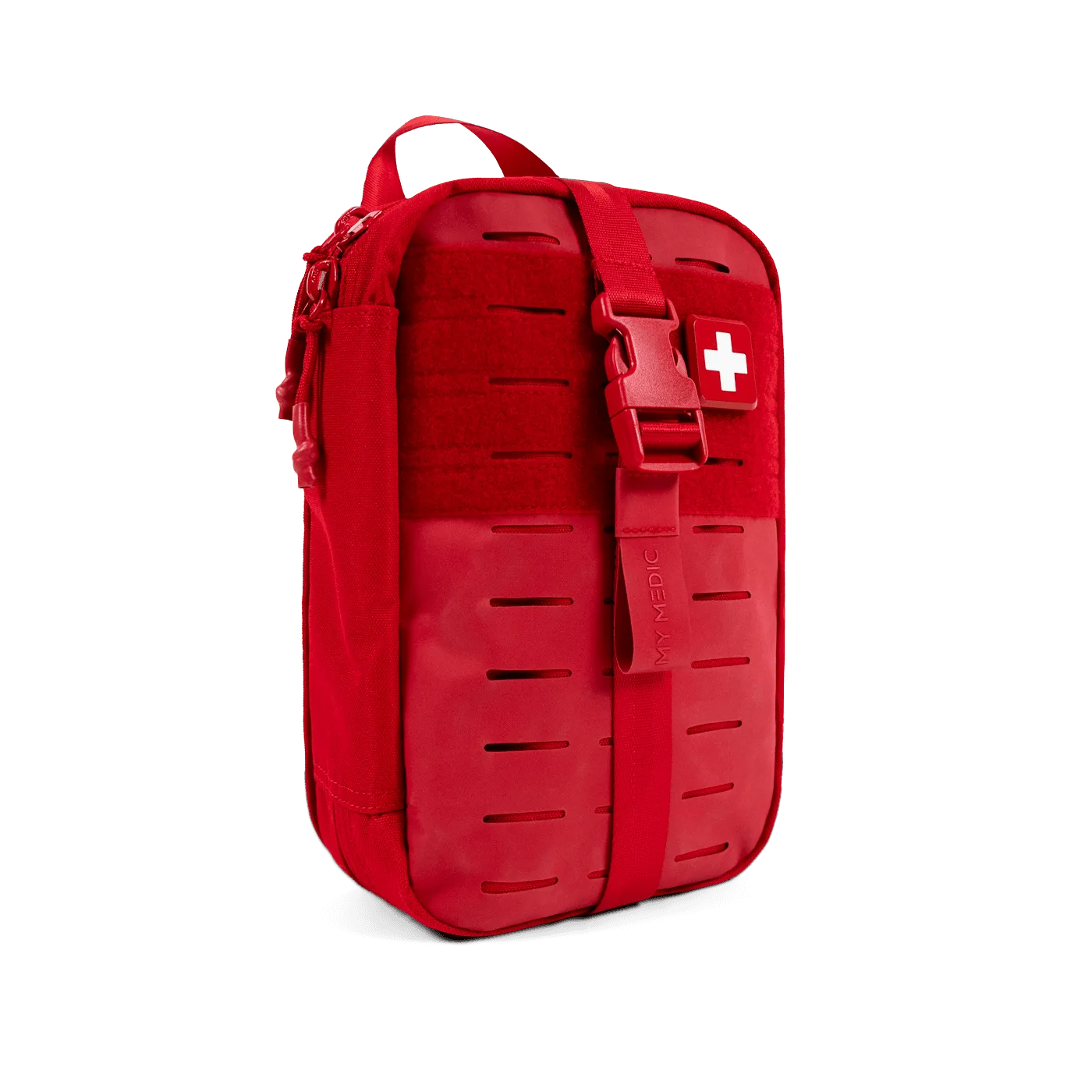
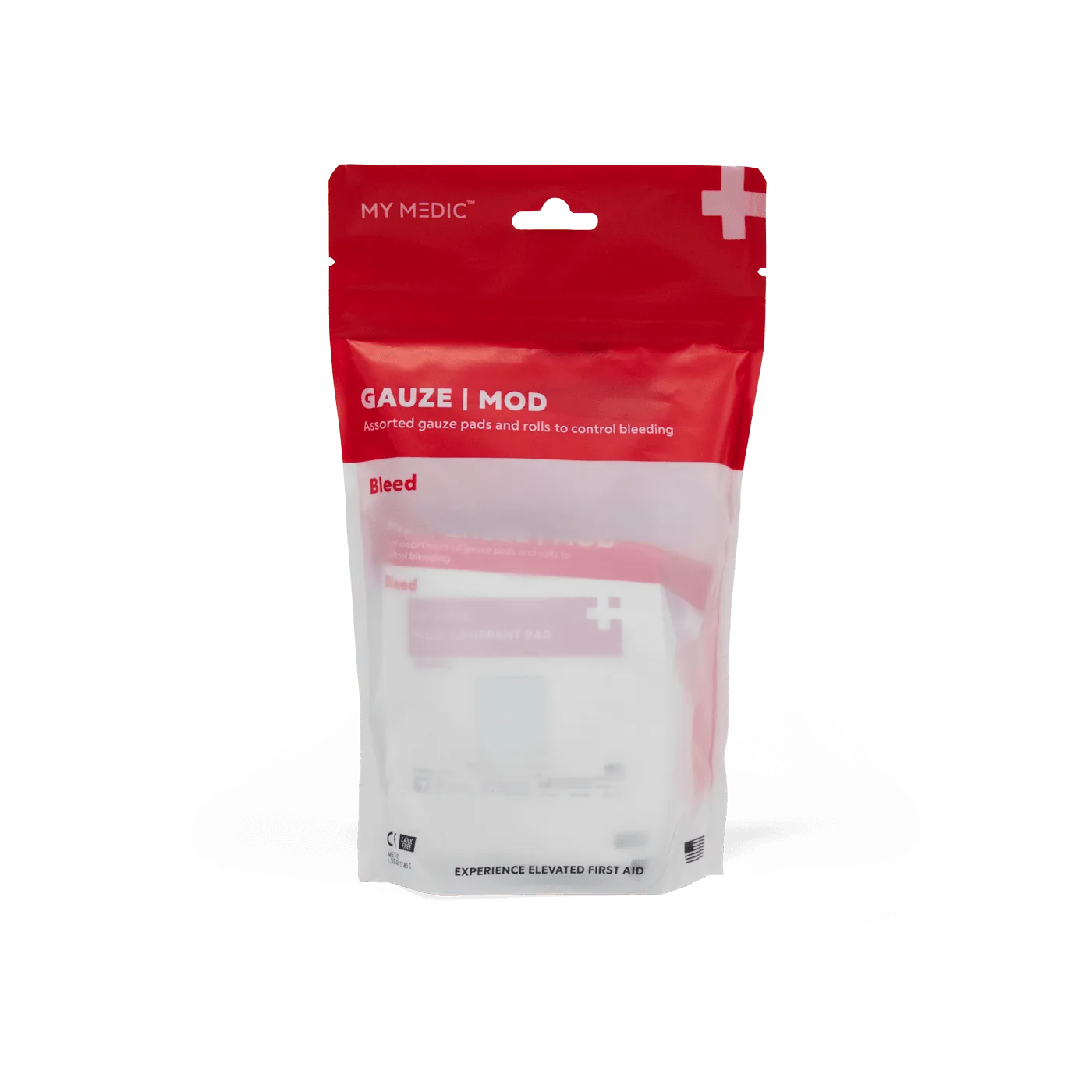
- Mini Gauze | MOD: Mini Gauze | MOD: mini assortment of gauze pads and rolls to control bleeding, designed to refill or upgrade My Medic® first aid kits. Having the right size gauze on hand prevents using oversized or undersized dressings. The MOD system makes it easy to restock your kit with the correct gauze for small wounds.