Quick answer
Bathe your baby with eczema in lukewarm water for 5–10 minutes, two to three times a week, using a gentle, fragrance-free cleanser only where needed. Pat the skin almost dry and apply moisturizer within three minutes while the skin is still damp. Skip bubble baths, keep the room warm, and never scrub flare-ups.
Why bath time can help eczema instead of triggering it
A short, lukewarm bath adds water to the skin, which is exactly what eczema-prone skin needs. The goal is to soak gently, then seal that water in before it evaporates. Hot water, long soaks, and harsh cleansers strip the skin's natural oils and make itching worse. If your baby's skin is cracked, oozing, or very painful, check with your pediatrician before starting a new bath routine.
Set up the bathroom before you undress your baby
Eczema skin loses heat and moisture fast. Gather everything first: lukewarm water, a gentle cleanser, a soft hooded towel, and your moisturizer opened and within reach. Aim for a room temperature around 68–72°F (20–22°C), and keep the bathroom door closed to trap warmth. A common mistake is running the bath, then hunting for the ointment while your baby waits and cools down.
Choose cleansers and additives that respect the skin barrier
Use a fragrance-free, dye-free wash, and only on the diaper area, armpits, neck folds, and hands. For the rest of the body, plain lukewarm water is often enough. If you want to try an oatmeal bath for baby eczema, use finely ground colloidal oatmeal and keep the soak under 10 minutes; rinse well and watch for any new redness. Bubble baths, bath bombs, and scented oils are best avoided during flare-ups.
Get the water temperature and timing right
Test the water with your inner wrist or elbow; it should feel comfortably warm, not hot. Around 90–100°F (32–38°C) is a safe range for most babies. Keep the bath to 5–10 minutes. Longer baths feel soothing in the moment but can leave skin drier. If your baby seems chilled or starts to shiver, end the bath early and wrap them up.
Pat, don't rub, and moisturize within three minutes
Lift your baby out and wrap them in a soft towel. Pat the skin so it stays slightly damp, then apply a thick, fragrance-free moisturizer or ointment within three minutes. This locks in the water from the bath. For very dry or cracked patches, an ointment seals better than a lotion. Dress your baby in soft cotton and avoid rough seams or tags against the skin.
How often to bathe a baby with eczema
Two to three baths per week work well for most babies with eczema. Some pediatricians recommend a brief daily bath followed by immediate moisturizing, especially during flare-ups, because it helps hydrate and remove irritants. Watch your baby's skin: if it looks drier or more irritated after a bath, space baths out. If it looks calmer, you can keep a gentle daily routine. Always follow your pediatrician's advice for your baby's specific skin.
Your step-by-step eczema bath routine
- 1. Prep the room and supplies: Close the door, aim for 68–72°F (20–22°C), and lay out a soft towel, fragrance-free cleanser, and moisturizer before undressing your baby. Checkpoint: everything is within arm's reach so your baby never waits cold and damp.
- 2. Fill the tub with lukewarm water: Test with your inner wrist; the water should feel comfortably warm, around 90–100°F (32–38°C). Keep the depth shallow, just a few inches. Common mistake: adding hot water to 'warm up' the bath—it strips oils and triggers itching.
- 3. Wash gently and briefly: Soak for 5–10 minutes. Use a gentle cleanser only on the diaper area, hands, neck folds, and armpits. Skip bubble bath and scrubbing. Checkpoint: if skin looks redder or your baby shivers, end the bath early.
- 4. Pat dry and moisturize within three minutes: Lift your baby out, pat the skin so it stays slightly damp, and apply a thick, fragrance-free moisturizer or ointment right away. Common mistake: rubbing with a towel or waiting until the skin is fully dry—both let moisture escape.
- 5. Dress in soft cotton and reassess: Use smooth, tag-free clothing and keep the room warm. Note how the skin looks a few hours later to decide whether to adjust bath frequency. Next step: if skin stays calm, keep this routine; if it worsens, ask your pediatrician about a different frequency or product.
Gentle products that fit this routine
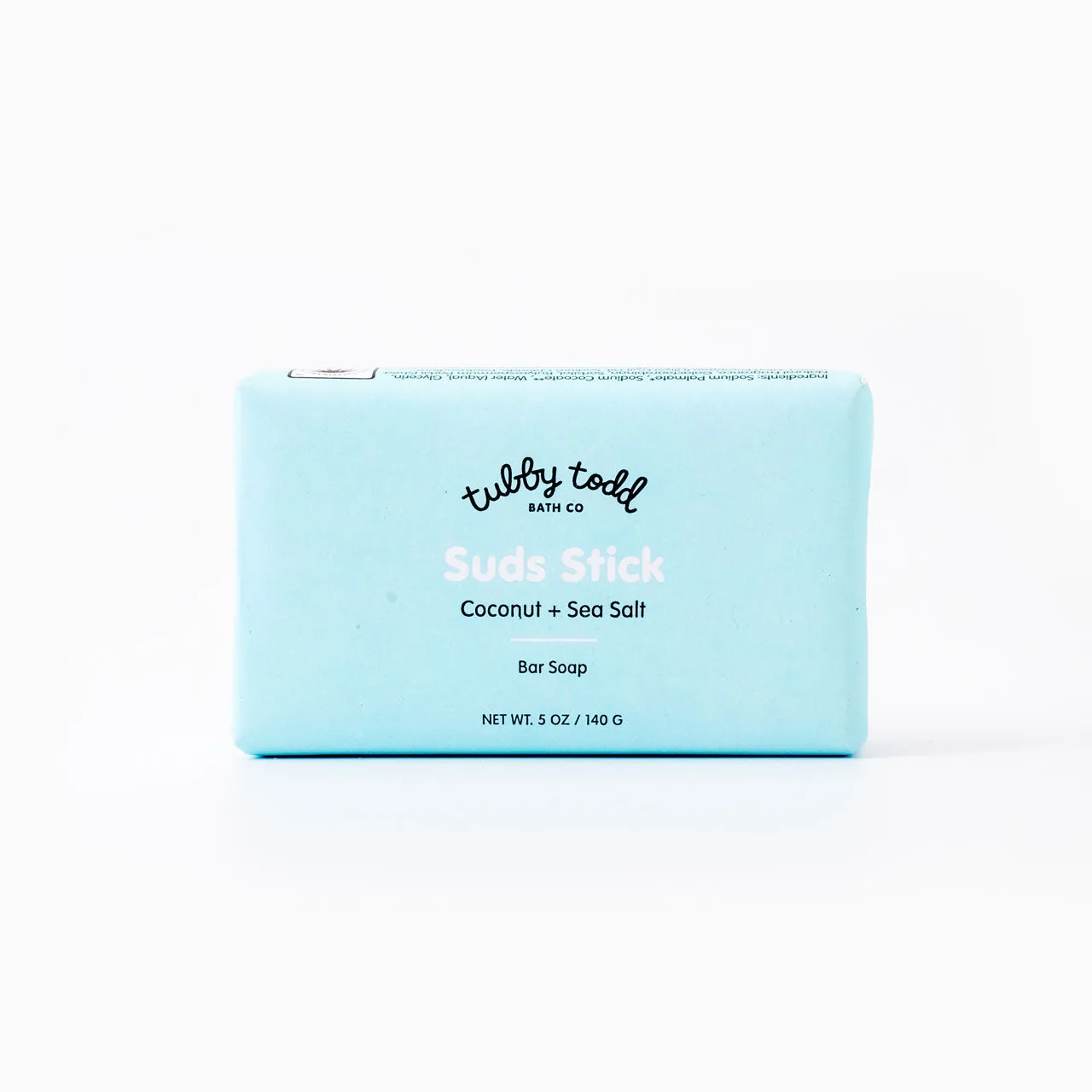
- Suds Stick: Suds Stick is a bar soap made with moisturizing Shea Butter and sustainably sourced Palm Oil that creates a rich lather and is gentle enough for the tiniest newborns and toddlers. Use it only on the diaper area, hands, and folds during a short lukewarm bath, then rinse well and moisturize.
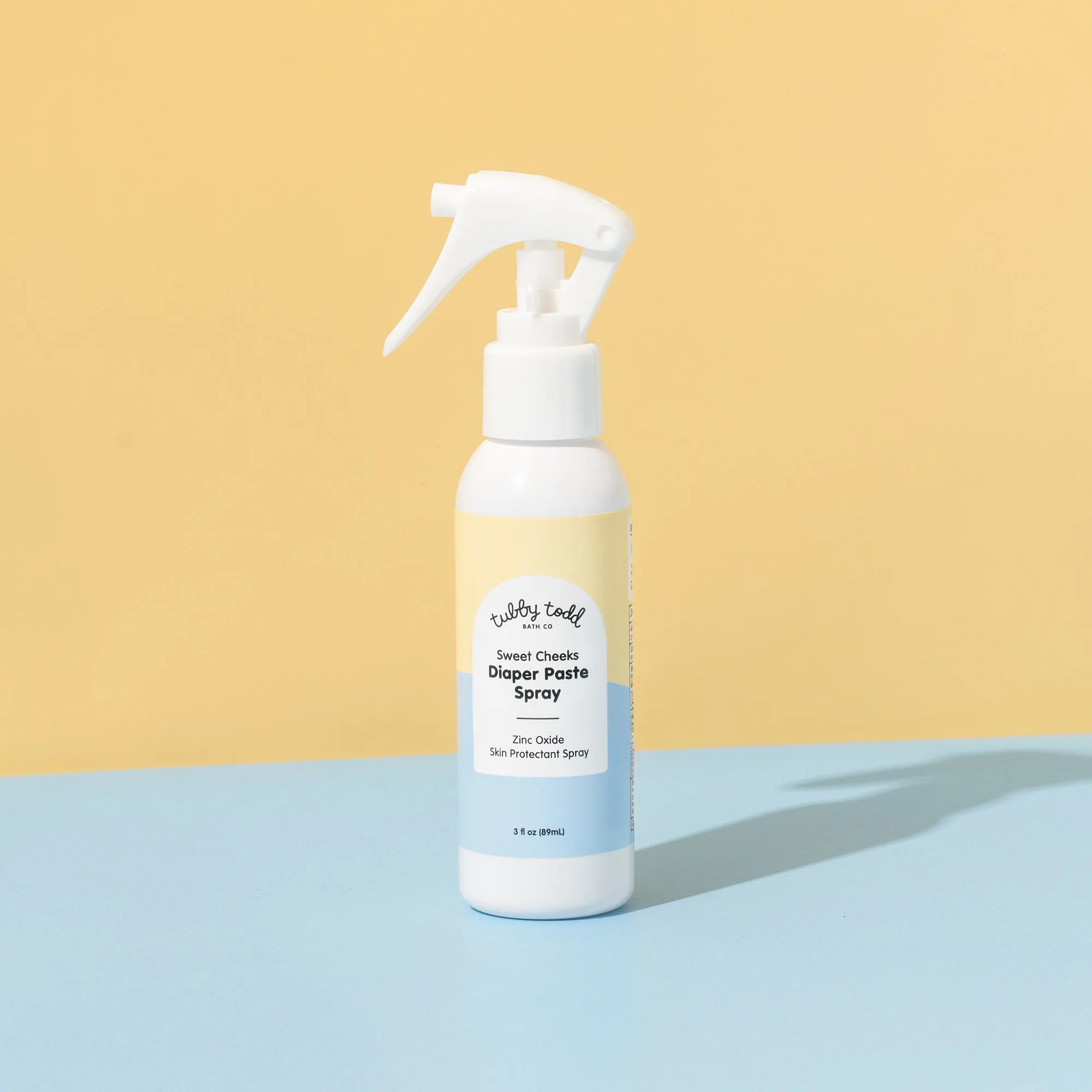
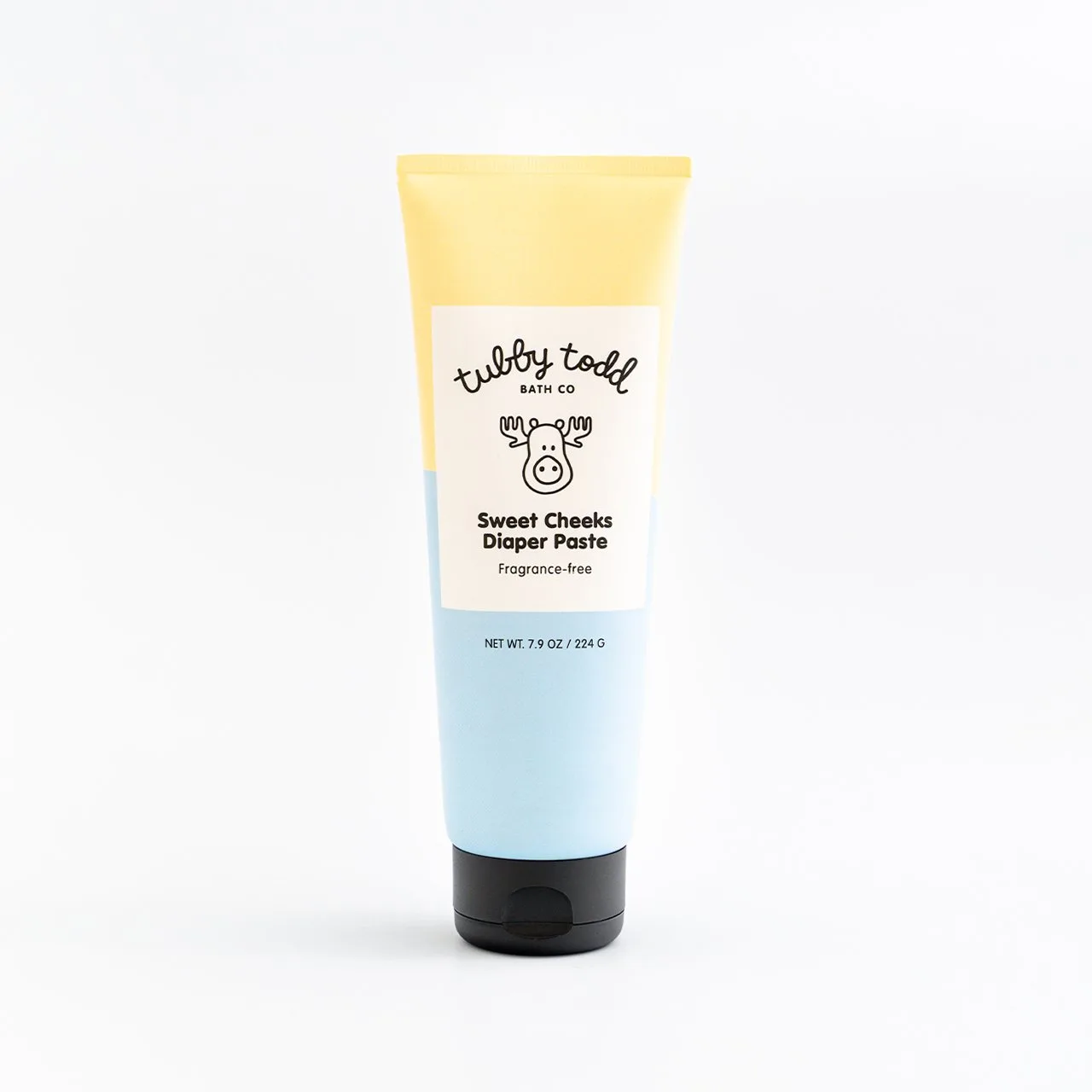
- Sweet Cheeks Diaper Paste Spray: Sweet Cheeks Diaper Paste Spray is a fragrance-free diaper rash spray with 14% zinc oxide that soothes skin and helps seal out wetness and irritants. After bath-time patting, a zinc oxide spray adds a protective layer over the diaper area without rubbing sore skin.
- The Travel Kit: The Travel Kit contains travel-sized, TSA-approved products that are gentle enough for the tiniest newborn and toddler's faces and good for sensitive skin. Keeping travel sizes in your diaper bag means you can stick to the same gentle bath and moisturizing steps away from home.