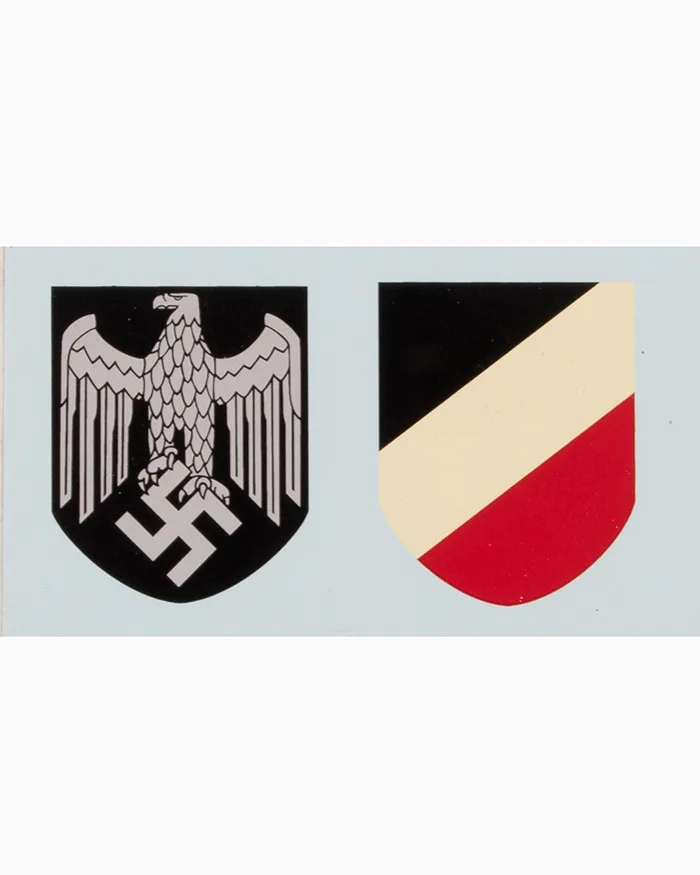
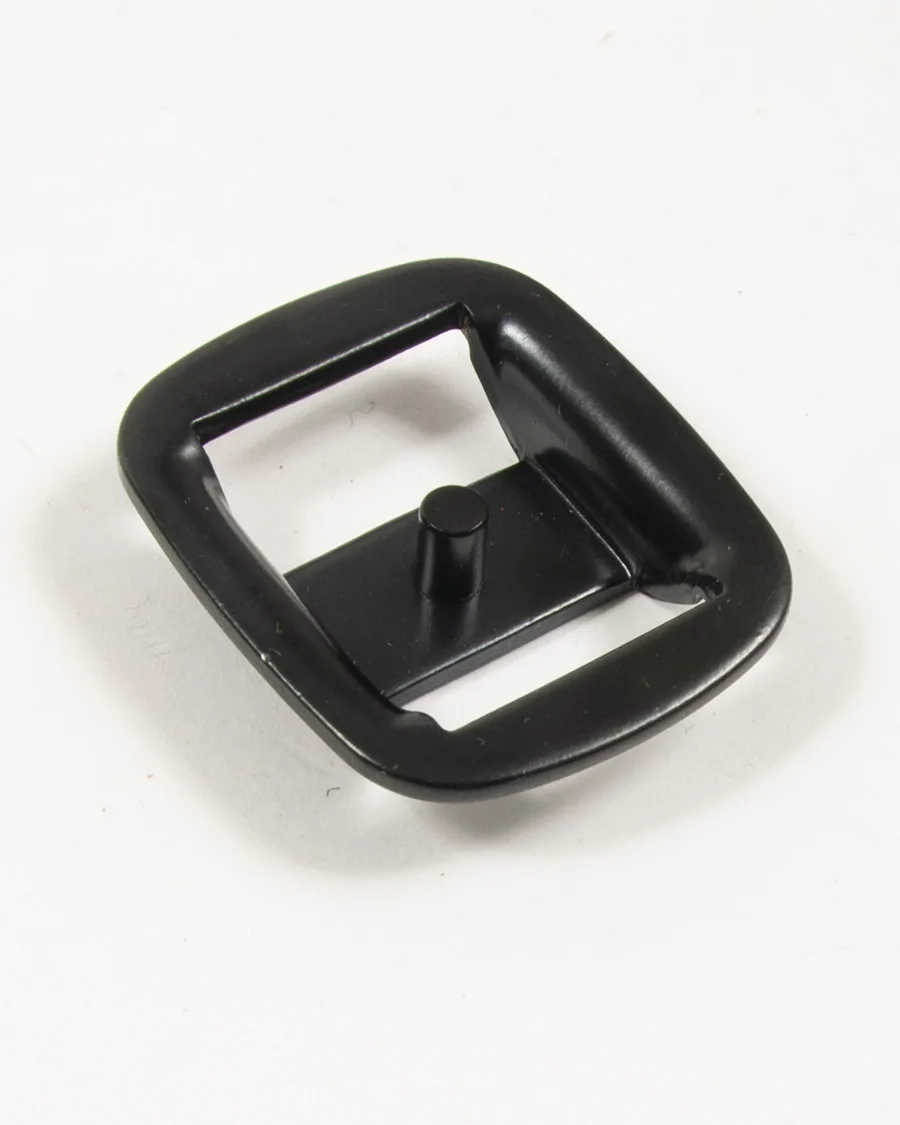
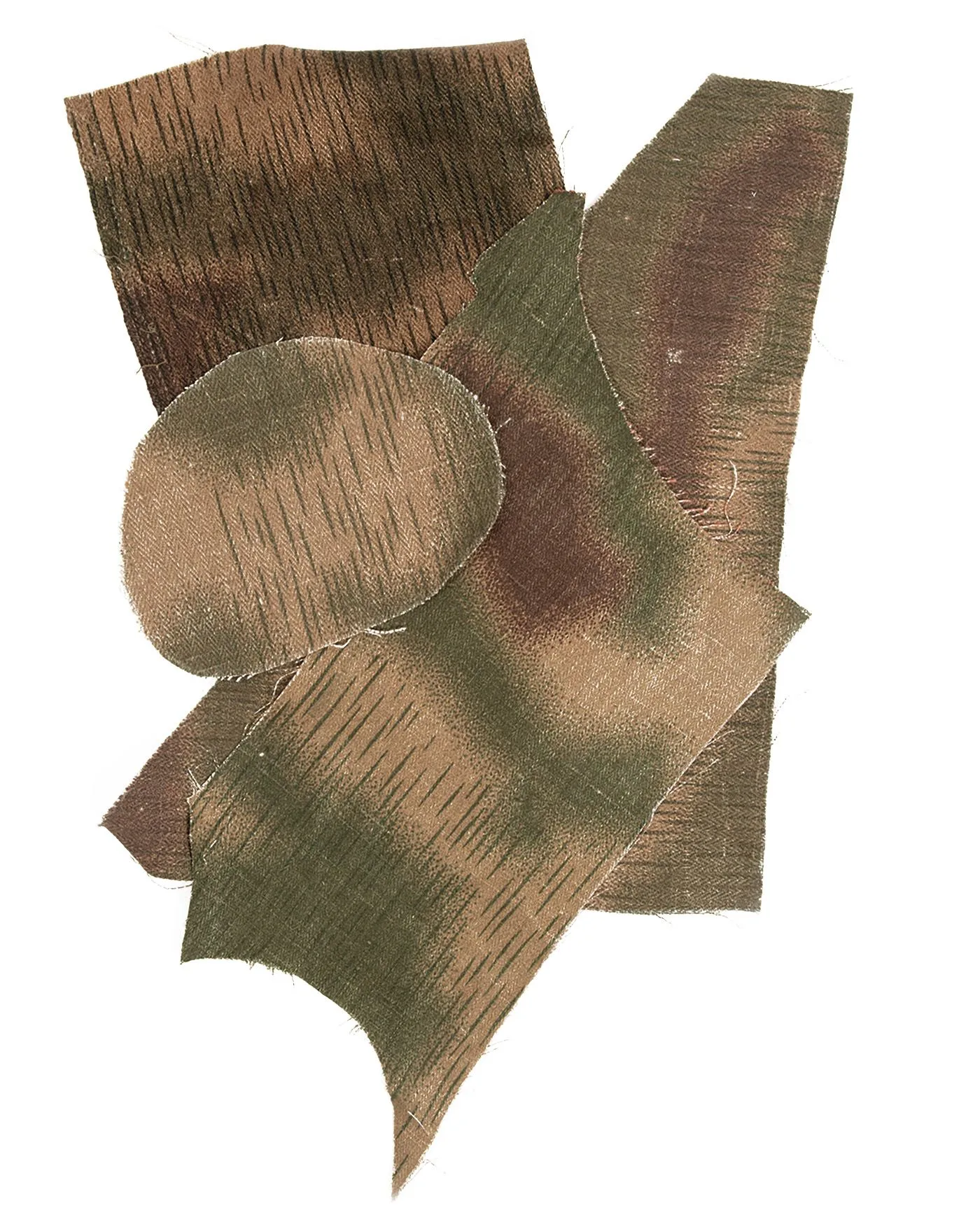
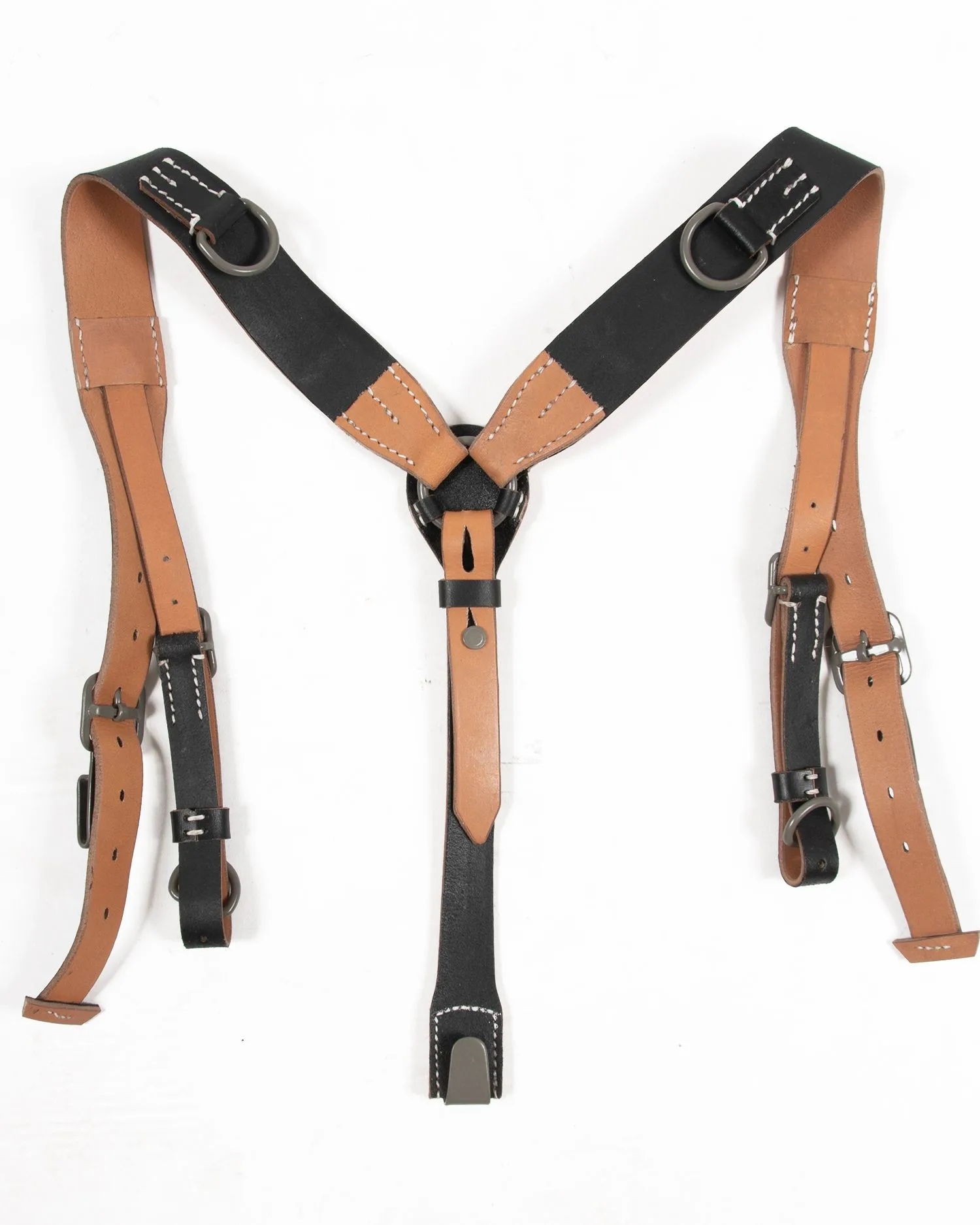
The influence of German uniforms from World War II extends far beyond the battlefield, leaving a lasting imprint on modern military fashion and tactical gear design. From the iconic field gray wool to the innovative camouflage patterns, German military attire of the 1930s and 1940s combined practicality with a distinct aesthetic that continues to inspire contemporary clothing, outdoor gear, and even high-fashion runways. For collectors and reenactors, understanding this legacy is key to appreciating both historical accuracy and modern adaptations.
In this article, we’ll examine how specific elements of German WWII uniforms—such as the M43 field cap, the distinctive oakleaf camouflage, and functional details like reinforced pockets—have been reinterpreted in today’s military and civilian gear. We’ll also highlight authentic reproduction items available for those who value historical fidelity, like the Original Oakleaf B SS Parka, which remains a benchmark for quality and accuracy.
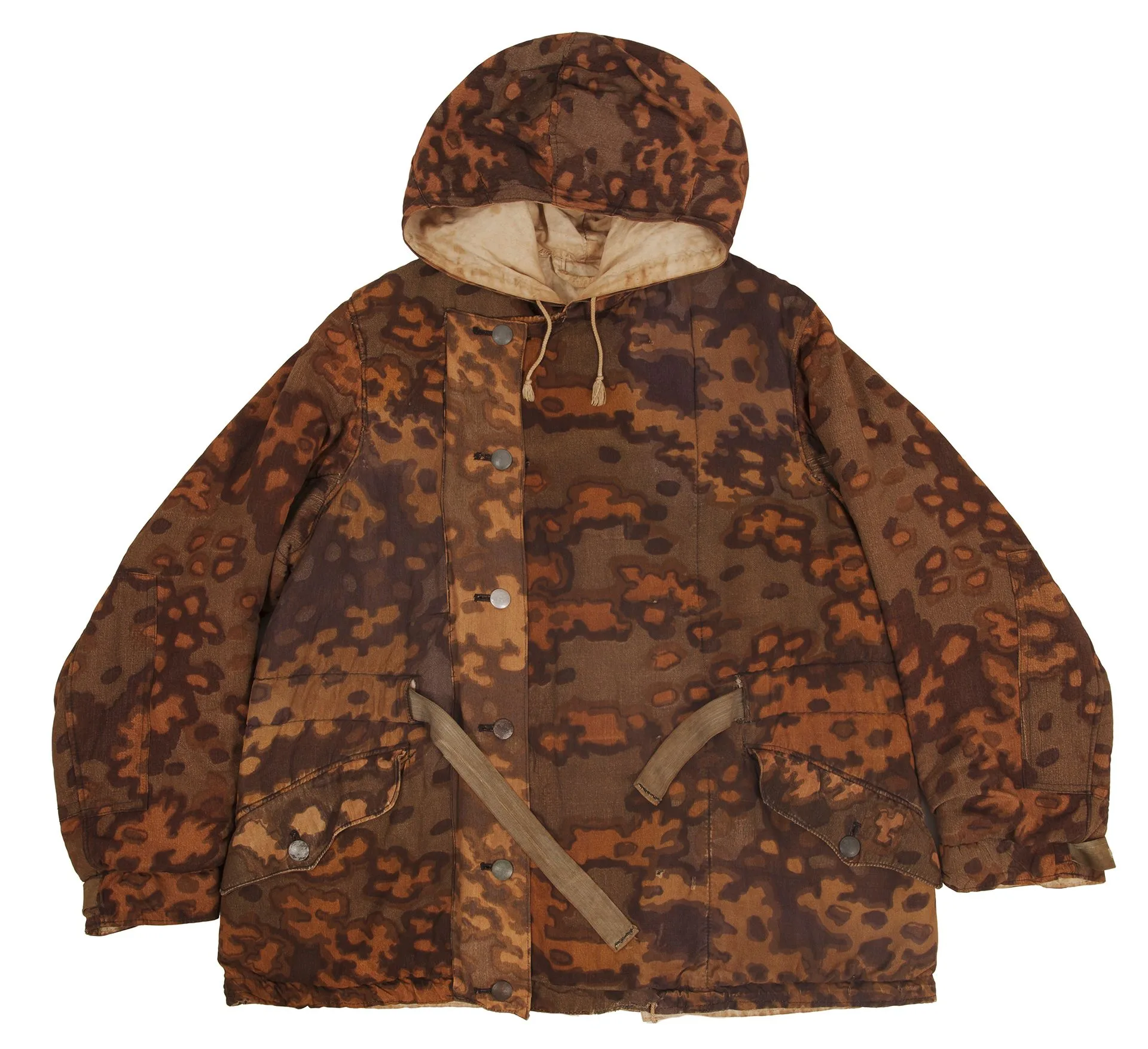
Original Oakleaf B SS Parka
The Legacy of German Camouflage Patterns
German WWII camouflage, particularly the iconic oakleaf and blurred edge patterns, revolutionized military concealment. Unlike earlier solid-color uniforms, these patterns were designed to break up the human silhouette in varied environments. Modern military forces worldwide have adopted similar multi-cam designs, but the original German patterns remain highly sought after by collectors. The M43 Oakleaf Helmet Cover is a prime example of this heritage, offering both historical authenticity and practical field use for reenactors.
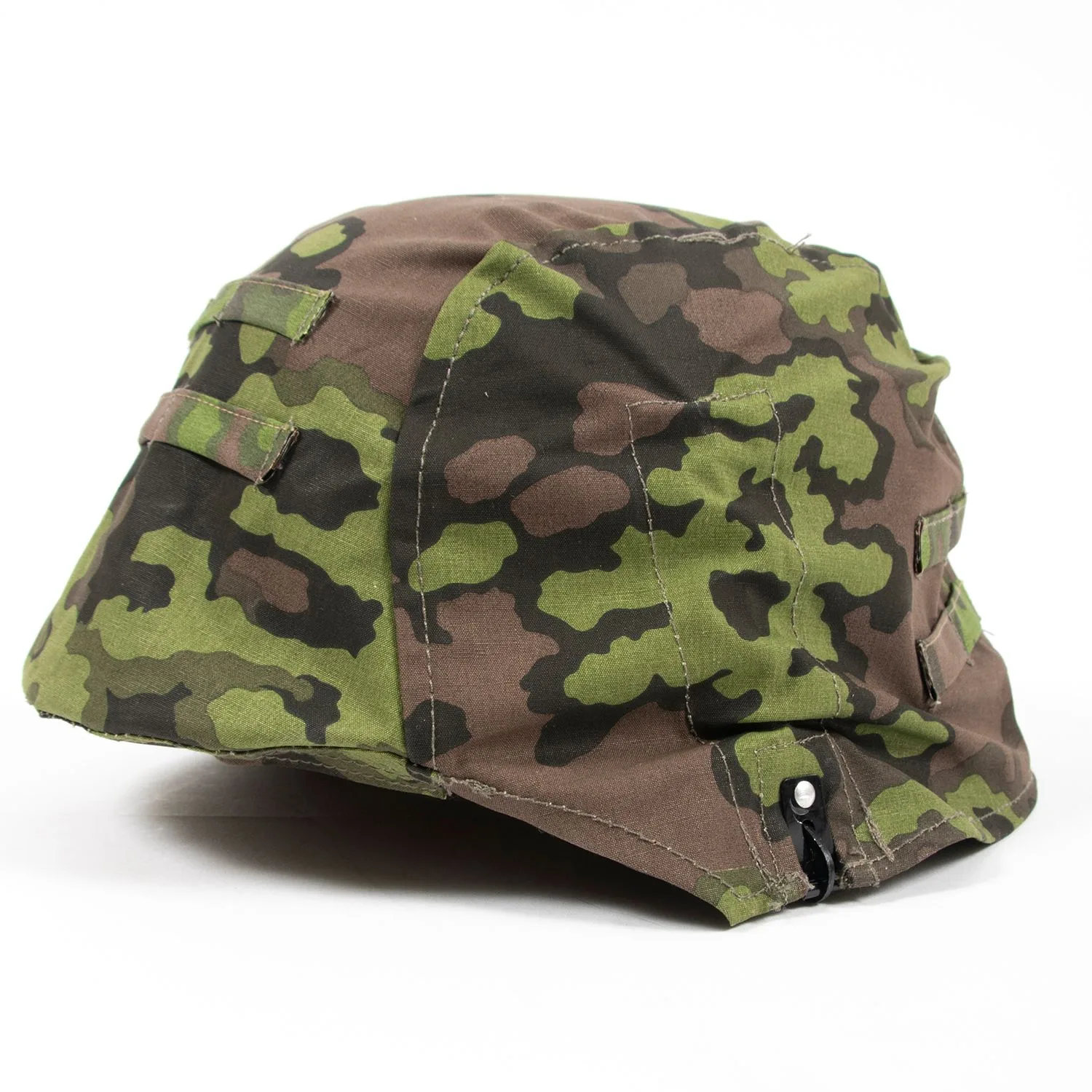
M43 Oakleaf Helmet Cover
Today’s tactical gear often incorporates digital or multi-cam patterns, yet the principles of disruptive coloration and irregular shapes trace directly back to German innovations. The Original Oakleaf B SS Parka, with its reversible design and robust construction, showcases how these early patterns were engineered for durability. For those building a historically accurate impression, owning a reproduction of this parka is essential.
- Look for reproduction gear that uses original pattern layouts—avoid modern reinterpretations that alter scale or colors.
Functional Design Elements That Endure
German WWII uniforms were renowned for their functional features: reinforced elbows, adjustable cuffs, ample pocket space, and integrated belt loops. These details weren’t just for show—they enhanced mobility and storage for soldiers in the field. Modern military jackets, such as the US Army’s ACU or the M43 field jacket, borrow heavily from these concepts. The https://wildernessworks.shop/products/marine-khaki-shirt-99259Marine Khaki Shirt, while American, echoes the same emphasis on utility with its sturdy fabric and practical cut.
Even civilian outdoor brands like Carhartt and Patagonia have adopted elements like button-flap pockets and drawstring hoods that first appeared on German field gear. The Thread, U.S. od#3, a reproduction of standard olive drab thread, is a small but vital component for those restoring or creating authentic uniforms. This attention to detail—right down to the thread color—reflects the enduring standard set by German military tailoring.
- When assembling a kit, prioritize items with reinforced stitching and natural fiber blends for authenticity and longevity.
German Uniforms in Pop Culture and Fashion
Beyond military use, German WWII uniforms have influenced fashion designers from Yves Saint Laurent to modern streetwear brands. The clean lines, high collars, and structured silhouettes of German officer tunics have been reimagined in luxury collections, while the utilitarian aesthetic appears in everything from cargo pants to tactical vests. This crossover underscores the timeless appeal of functional design.
For reenactors and collectors, however, authenticity remains paramount. The Army Parachute Jump Wing, Standard Metal is a small but iconic accessory that adds credibility to a paratrooper impression. Similarly, the 506th Unit Crest (Pair) helps ground a kit in specific historical units. These details, though minor, are what separate a generic costume from a faithful reproduction.
- Use unit-specific insignia and badges to elevate your impression from generic to historically accurate.
Why Authenticity Matters in Modern Reproductions
The market for WWII reproduction gear has grown significantly, but not all products are created equal. Authentic reproductions—like those sold by At The Front—use original patterns, correct materials, and proper construction techniques. The Original M1 Garand Bayonet, Grade 2, while American, exemplifies the kind of period-correct hardware that complements a German impression when used in combined-arms displays. Similarly, the M1910 T-Handle Shovel Carrier is a practical accessory that matches the era’s field gear.
Choosing high-quality reproductions ensures that your kit not only looks right but also functions as intended. The Oberschutz Sleeve Pip (Early War) is a tiny detail that can make or break a German uniform’s accuracy. Investing in these authentic pieces supports the preservation of history and enhances the reenactment experience.
- Always check the manufacturer’s specifications for fabric weight, thread count, and hardware materials before purchasing.
German WWII uniforms have left an indelible mark on military fashion and tactical design, influencing everything from camouflage patterns to functional details. For those who value historical accuracy and quality craftsmanship, At The Front offers a range of authentic reproduction gear, including the Original Oakleaf B SS Parka, which captures the essence of this legacy. Explore our collection to build a kit that honors the past while meeting modern standards of durability and style.