For WWII reenactors, authenticity starts with the uniform. Whether you portray a German soldier on the Eastern Front or a G.I. landing in Normandy, understanding the key differences between German and US apparel is essential to building a historically accurate impression. From the cut of the tunic to the type of belt worn, each detail tells a story of doctrine, industry, and battlefield reality.
This guide breaks down the major distinctions in German vs US uniforms—covering materials, construction, insignia, and field gear. We'll also highlight specific items from At The Front's catalog that can help you complete your kit with period-correct pieces. By the end, you'll have a clear roadmap for assembling a reenactor-ready impression from either side.
Tunic Cut and Construction
The German M36, M40, and M43 field tunics are known for their tailored fit, darker field-grau wool, and distinctive features like dark bottle-green collars (on early models) and pleated pockets with scalloped flaps. The cut is more form-fitting than its American counterpart, often requiring careful sizing to avoid a baggy look. The wool used is typically heavier and more uniform in color, though late-war variations show considerable inconsistency due to material shortages.
In contrast, the US M41 and M42 field jackets (and the later M43) are designed for layering and mobility. The M41 is a wool coat with a more relaxed fit, while the M43 jacket is made from cotton herringbone twill (HBT) and features a windproof design with a button-in liner. The American approach prioritized comfort and versatility over the German emphasis on a crisp, military appearance. For reenactors, the choice often comes down to the specific theater and year of the impression.
- German tunics use wool with a tighter weave; US field jackets use wool or HBT depending on the model.
- German tunics have four pleated pockets; US M41 has two breast and two lower pockets, M43 has four patch pockets with flaps.
- German collars are often darker green or field-grau; US collars are the same color as the body of the garment.
Trousers and Footwear
German trousers (Keilhose) are straight-legged, often with a distinctive side pocket and a high waist that works with suspenders or a belt. They are made from the same wool as the tunic and are typically worn with marching boots (Marschstiefel) or low boots with gaiters later in the war. The boots are sturdy, often with hobnails, and contribute to the characteristic German soldier silhouette.
US trousers (M1937 or M1943) are looser, with a belt loop system designed for a web belt. They are often made from cotton HBT or wool serge, depending on the season. Footwear is the classic M1943 combat boot (or earlier service shoes) worn with canvas leggings or the later M1943 boot with integrated leather cuff. The American look is more utilitarian, with less emphasis on a crisp line and more on practicality in varied climates.
Insignia and Headgear
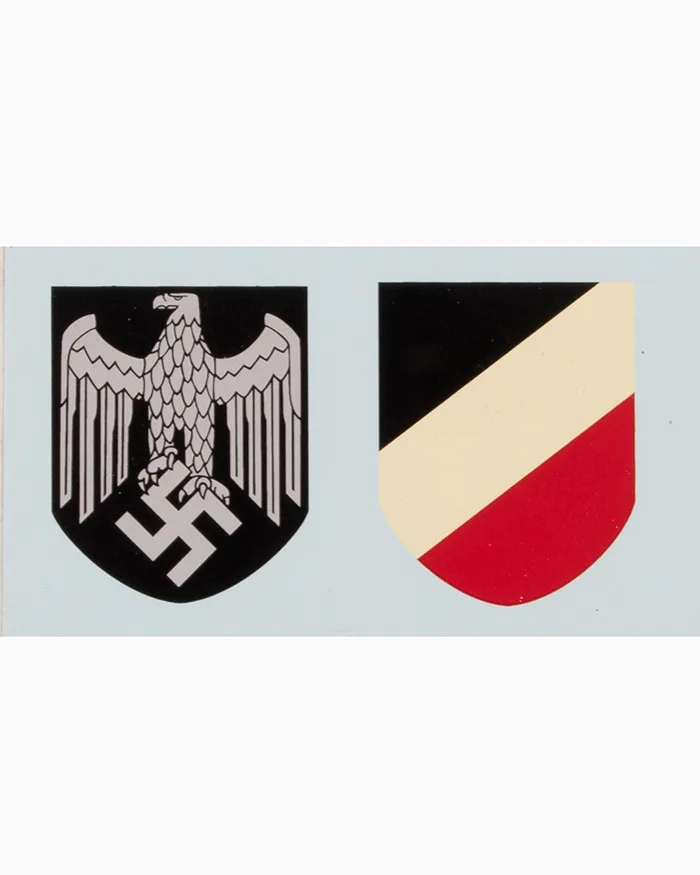
German uniforms are heavily decorated with national colors, branch-of-service waffenfarbe piping, collar tabs, shoulder boards, and sleeve eagles. The M35, M40, and M42 steel helmets are iconic, as are field caps (Feldmütze) and the later M43 Einheitsmütze. Reenactors must pay close attention to the correct combination of insignia for their specific unit and time period. An Embroidered EM Sleeve Eagle is a common detail for enlisted men's tunics, and adding one correctly can significantly boost authenticity.
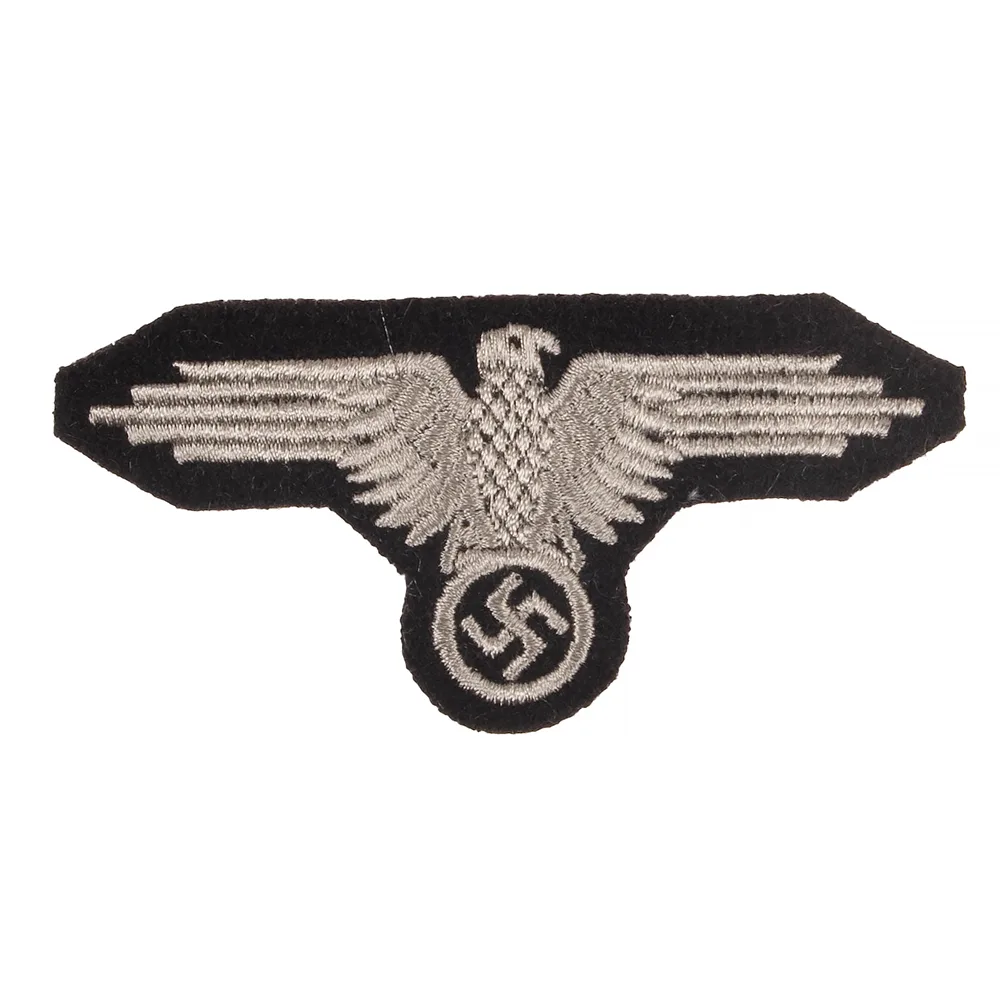
Embroidered EM Sleeve Eagle
US uniforms are more restrained in insignia. The M1 helmet is the dominant headgear, often with a net and camouflage cover. Branch insignia is worn on the collar discs, and shoulder sleeve insignia (unit patches) are common on the left shoulder. The overseas cap and the M1943 field cap are also used. While less ornate than German uniforms, US gear still requires careful research—for example, the correct type of helmet liner and chinstrap for a specific division and year.
- German collar tabs and shoulder boards indicate rank and branch; US collar discs show branch only.
- German helmets use a distinctive liner system; US M1 helmets have a separate liner and steel shell.
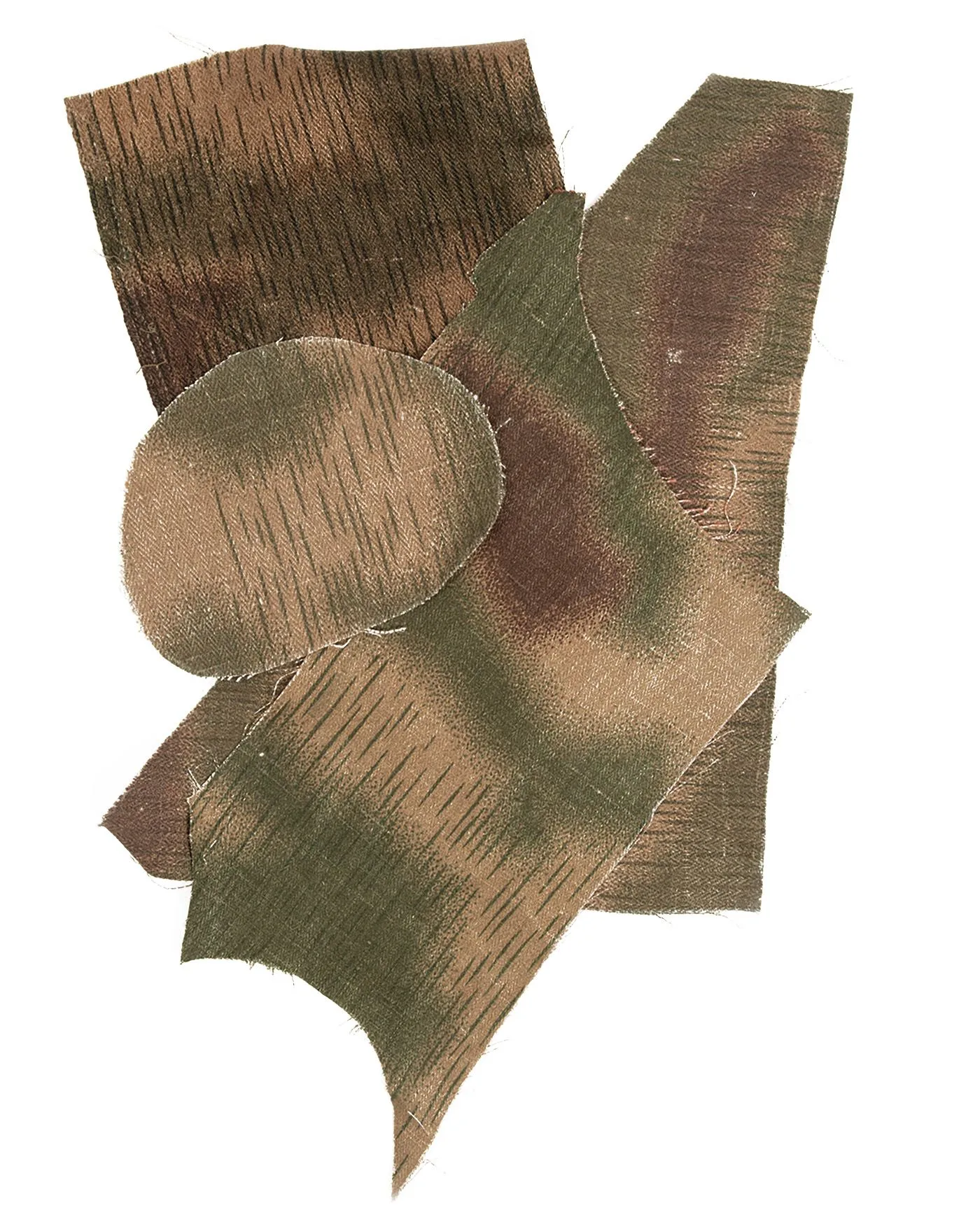
- Both sides used camouflage covers, but German patterns (e.g., Splittertarn) differ from US frog-skin or solid olive drab.
Field Gear and Equipment
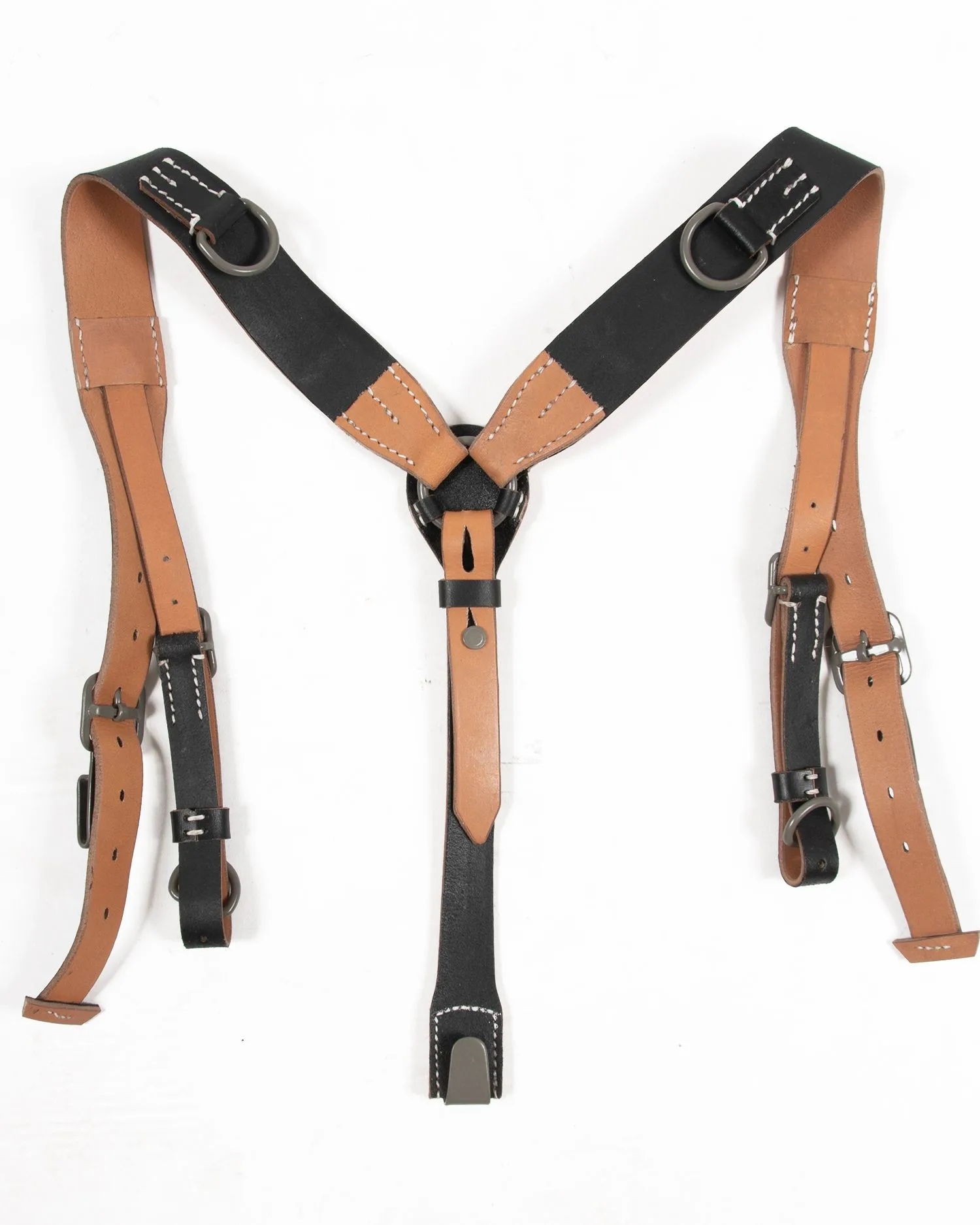
German field equipment is built around the Y-straps or Koppeltragegestell, a belt (Koppel) with buckle, and a variety of pouches and packs. The breadbag (Brotbeutel), canteen, mess kit, and entrenching tool are standard. For ammunition, the https://wildernessworks.shop/products/k98-pouches-black-pair-99354K98 Pouches, Black (pair) are essential for a rifleman impression, holding stripper clips for the Mauser 98k. Later-war gear often uses ersatz materials, but the basic layout remains consistent.
US equipment centers on the M1936 or M1923 cartridge belt, suspenders, and the M1928 or M1943 haversack. The USMC 782 Haversack is a classic Marine Corps load-bearing system, while Army troops typically use the M1936 musette bag or the M1943 field pack. The iconic M1910 canteen and mess kit are standard. A simple but vital tool is the https://wildernessworks.shop/products/us-army-p-38-can-opener-99173US Army P-38 Can Opener, a tiny device that every G.I. carried to open rations. Adding such small, common items to your kit shows attention to detail that sets a reenactor apart.
- German gear is often leather or canvas; US gear is mostly cotton webbing (olive drab #3 or #7).
- German breadbag vs US haversack: different carrying methods and contents.
- Both sides used entrenching tools, but German models have a distinctive folding handle.
Practical Tips for Building Your Impression
Start with the uniform foundation—tunic and trousers—before adding gear. For a German impression, focus on correct wool color and pocket configuration. For a US impression, decide between early-war wool or late-war HBT. Then layer on the correct belt, pouches, and headgear. Avoid mixing early and late-war items unless your impression specifies a transitional period.
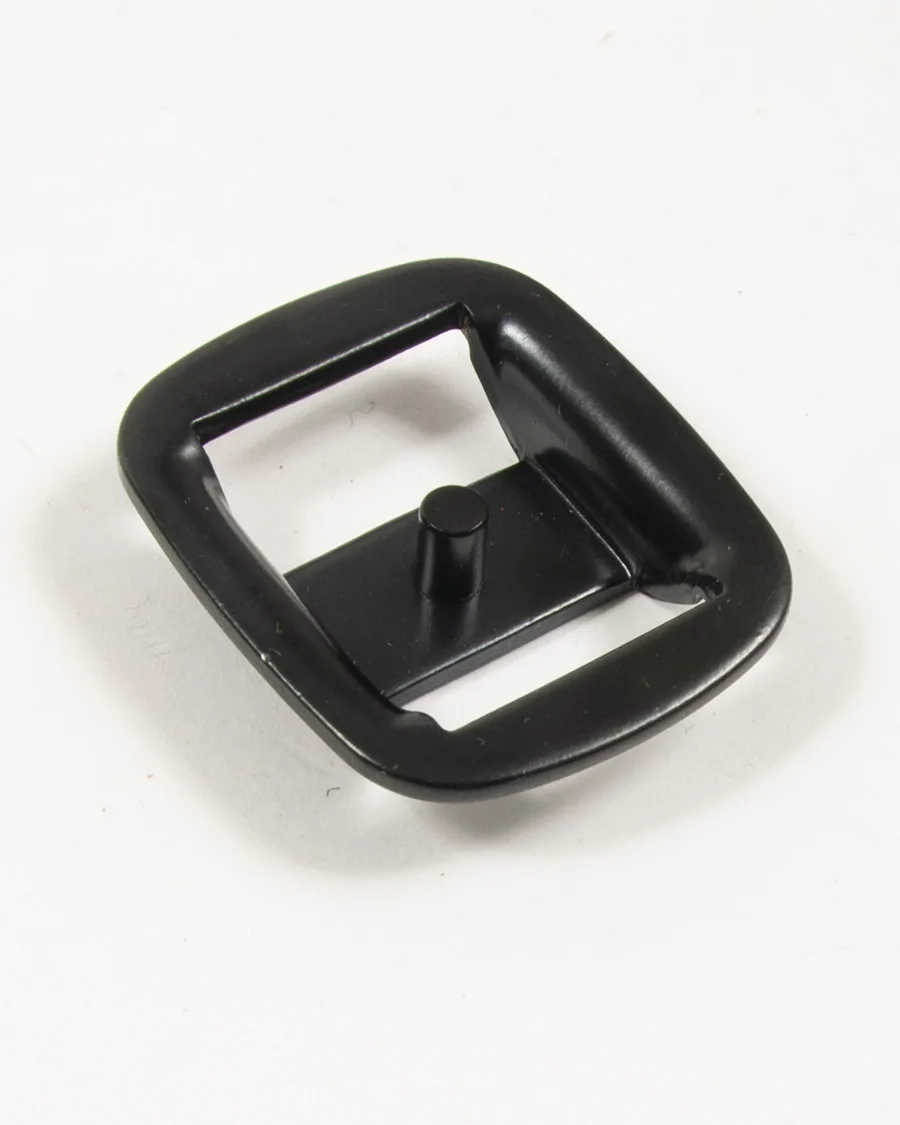
Attend events and study original items or high-quality reproductions. At The Front offers a wide range of both German and US apparel and equipment. For example, the Trouser Belt w/ buckle, Black is a simple but critical piece for a German uniform, while the .45 Ammunition Pouch, Kirkman is a great addition for a US pistol carrier. Small details like these can make or break an authentic look.
Whether you choose to portray a German grenadier or a US infantryman, the key to a convincing reenactor kit lies in understanding the unique characteristics of each nation's uniform and gear. Start with the essentials—tunic, trousers, helmet, and belt—then build out with period-correct pouches, packs, and small items. At The Front carries a curated selection of reproduction items to help you achieve that authentic look. Explore their collection of German and US apparel and equipment to find the pieces that match your impression.