Quick Answer
Gilded playing cards offer a premium look and feel, but they often cost more and may not be ideal for heavy card handling. If you're a collector or value aesthetics, they're worth it; if you're a performer or cardist who needs maximum durability and easy shuffling, non-gilded decks are a better choice.
When browsing premium playing cards, you'll often encounter gilded editions—decks with metallic edges that catch the light and add a touch of luxury. But are these gold-edged beauties worth the higher price? This comparison breaks down the real differences between gilded and non-gilded playing cards, drawing on actual product specifications to help you decide.
Whether you're a seasoned collector or a card enthusiast looking to upgrade your next deck, understanding the trade-offs between gilded and standard finishes is key. We'll explore durability, handling, cost, and collectibility, so you can make an informed choice.
What Are Gilded Playing Cards?
Gilded playing cards have their edges coated with a metallic layer—often gold or silver—applied after printing. This process gives the deck a shiny, reflective edge that sets it apart from standard decks. The effect is purely aesthetic, but it can significantly enhance the perceived value and visual appeal of the cards.
In contrast, non-gilded cards have a plain edge that shows the natural paper layers. While some collectors appreciate the simplicity, others prefer the finished look of gilding. The choice often comes down to personal taste and how you plan to use the cards.
Durability and Handling: Gilded vs. Standard
One of the most critical differences between gilded and non-gilded cards is how they handle. Gilding can sometimes add a slight stiffness to the edges, which may affect faro shuffles and other cardistry moves. However, the extent of this impact varies by brand and the quality of the gilding process.
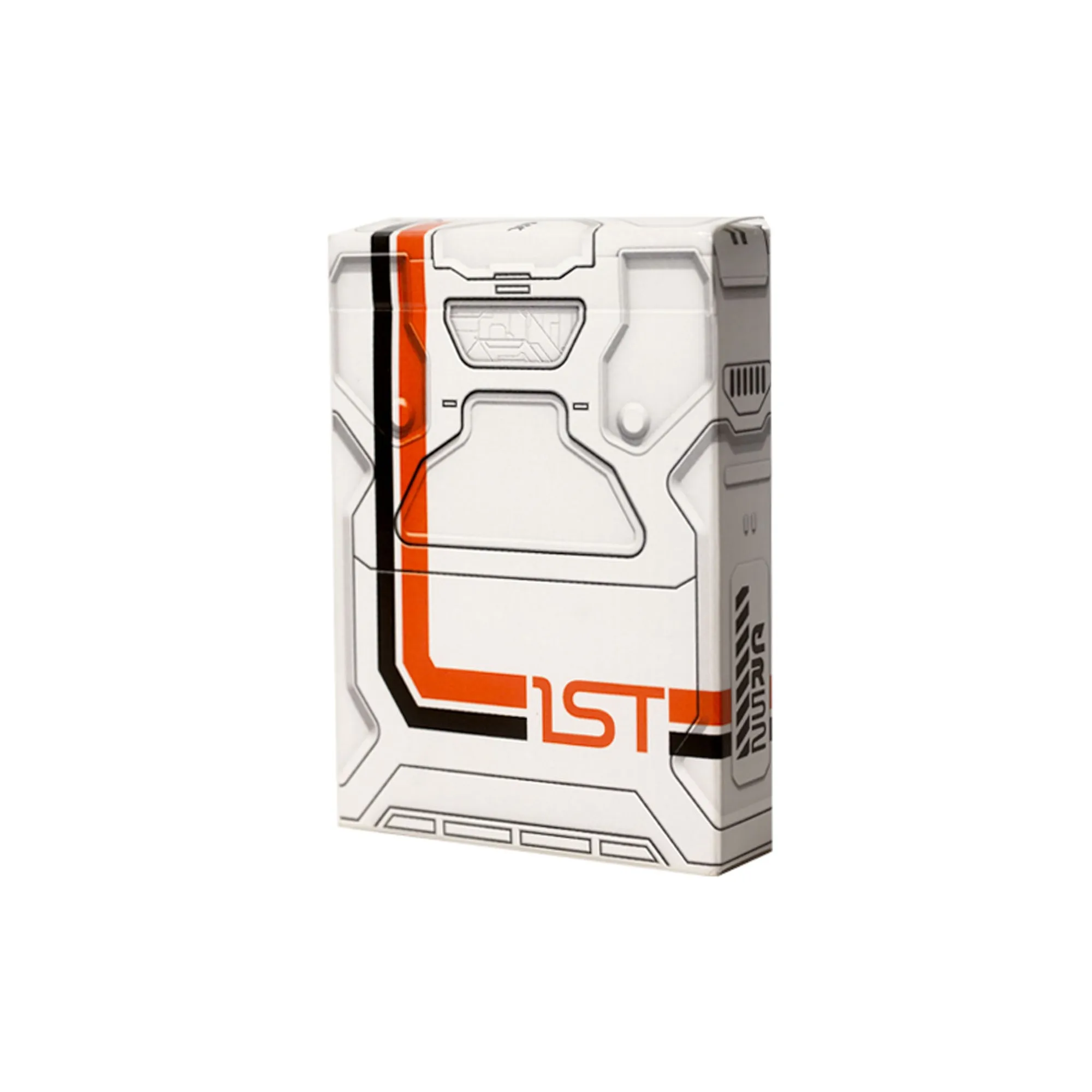
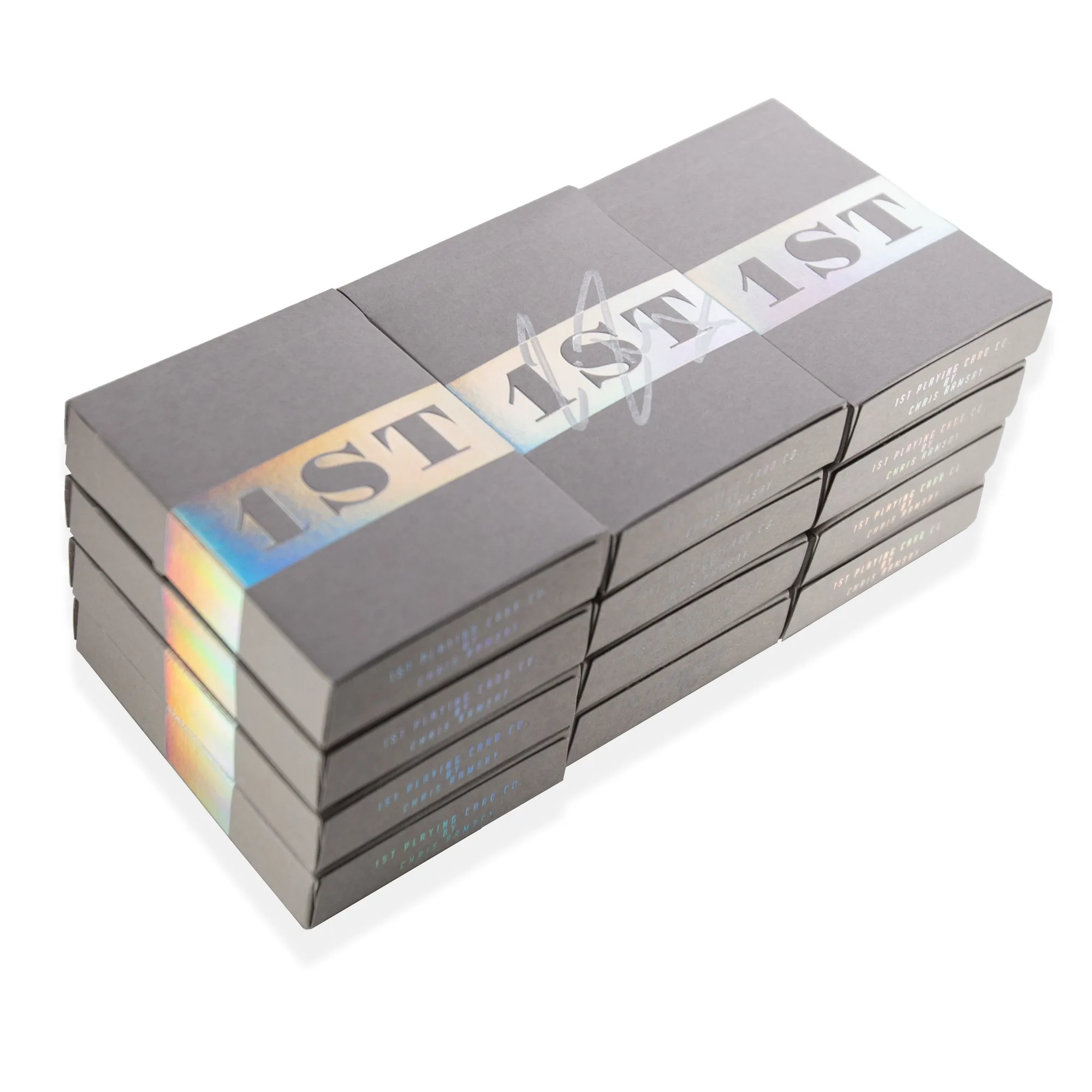
For example, the 1ST Playing Cards V6 Red uses high-grade Bicycle stock that has been crushed for enhanced responsiveness and longevity. This deck is not gilded, allowing for maximum flexibility and smooth handling. On the other hand, gilded decks like the 1ST Holo Edition Brick Box (which includes a signed deck) feature a holographic foil and Magic Finish, but the gilding might make them less suitable for rigorous cardistry.
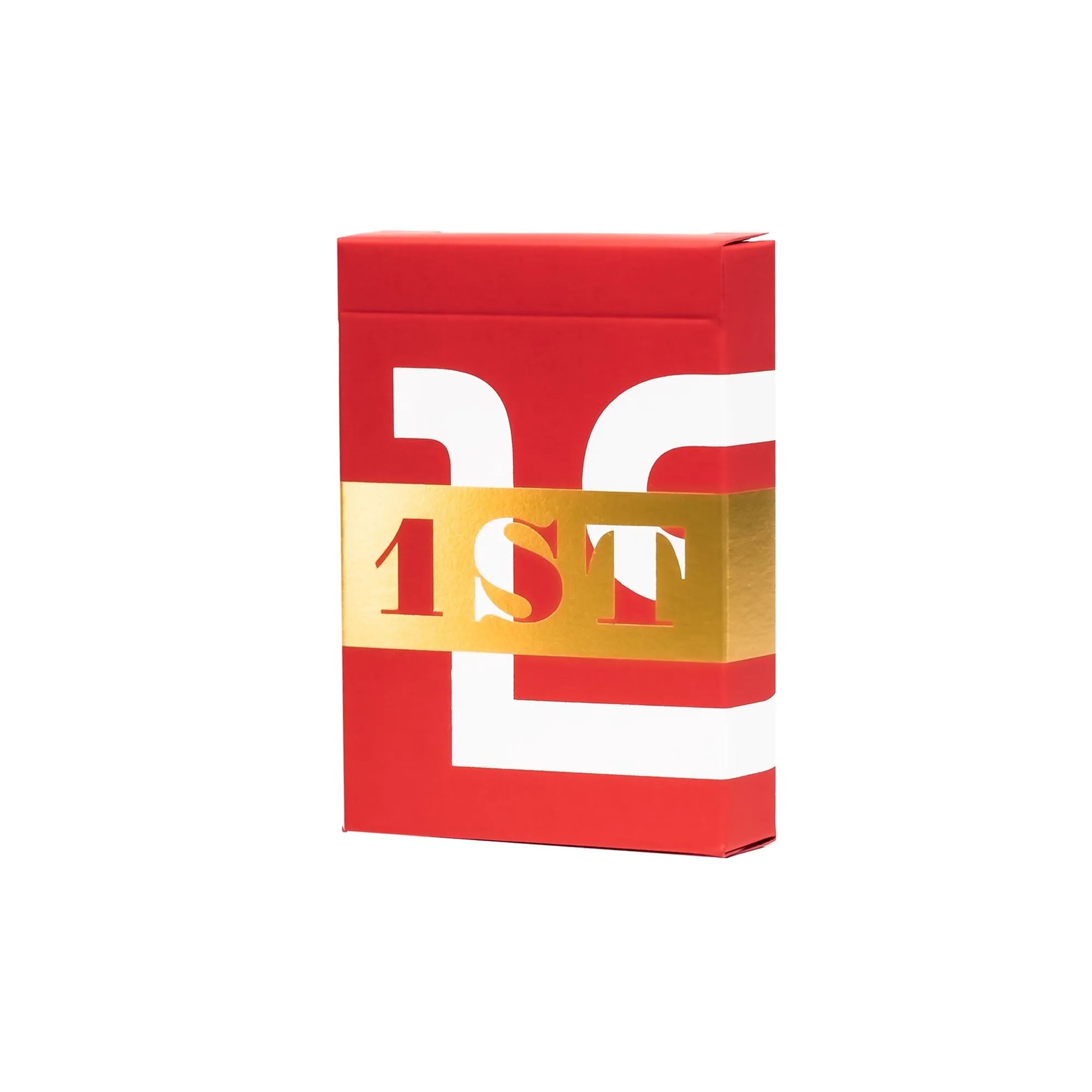
1ST Playing Cards V6 Red
If you're a performer who relies on perfect faros or springs, a non-gilded version might be safer. But if you're displaying your cards or using them for gentle magic tricks, gilding won't hinder you much.
Cost and Value: Are Gilded Decks Worth the Premium?
Gilded playing cards often carry a higher price tag due to the additional manufacturing steps. For instance, the 1ST Edition Bicycle Rider Backs in Blue or Red are collaborations with the iconic Bicycle brand and are priced at $7.50 (compared to $15.00). These decks are not gilded, making them an affordable entry into premium cards.
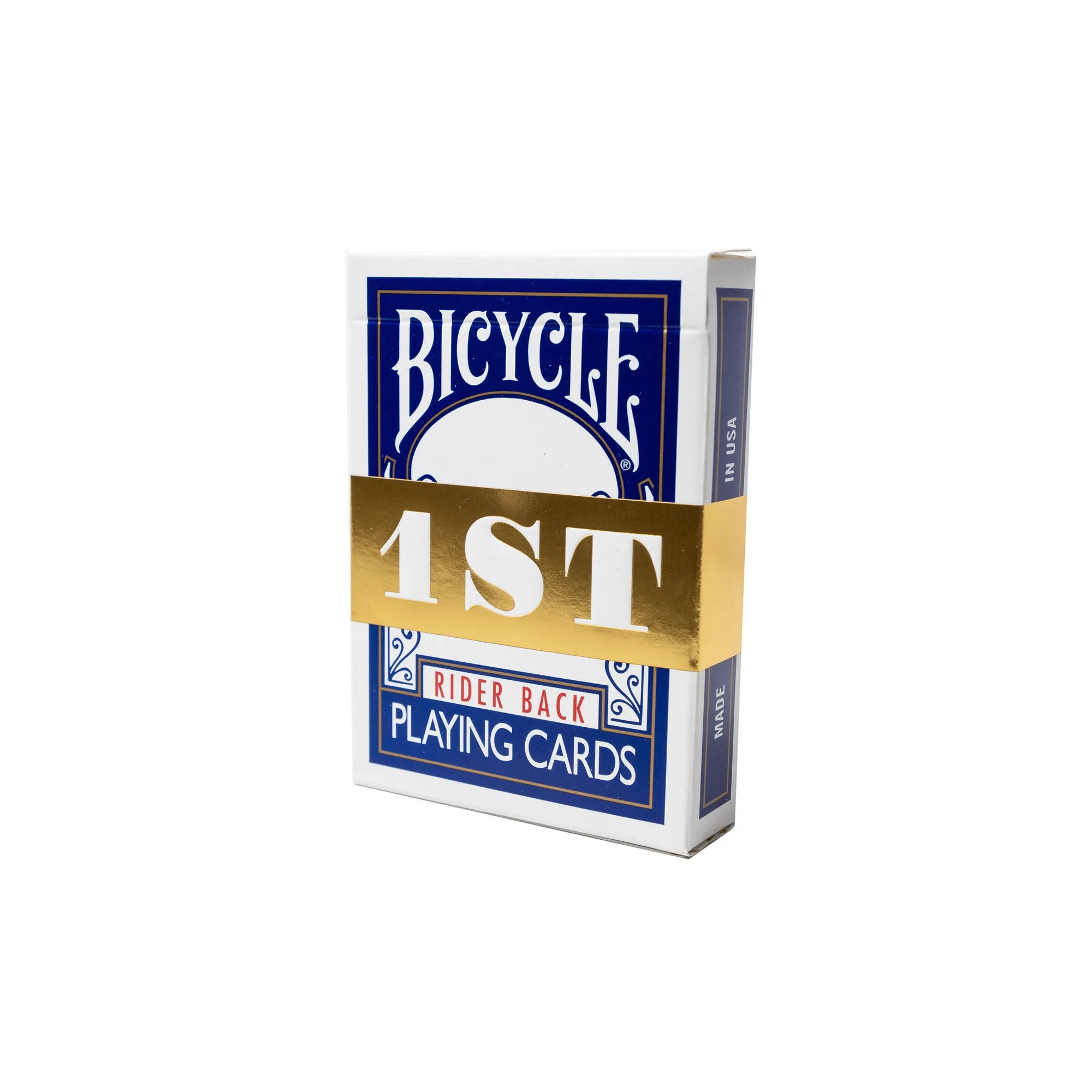
1ST Edition Bicycle Rider Backs in Blue
In contrast, the 1ST Holo Edition Brick Box, which includes 12 decks and a signed deck, is priced at $120.00 (compared to $240.00). While this is a brick purchase, the per-deck cost is higher than standard decks, and the gilding adds to the collectible appeal.
For collectors, the higher cost can be justified by the rarity and aesthetic value. But for everyday users, the extra expense may not translate into better performance. Consider how often you'll use the deck and whether the visual appeal outweighs the cost.
Collectibility and Aesthetics
Gilded playing cards are often produced in limited runs, making them more collectible. The metallic edges can make a deck stand out in a collection, and they are frequently paired with special foil or finishes. The 1ST Holo Edition Brick Box, for example, comes with a signed deck and a holographic foil, making it a centerpiece for any collector.
Non-gilded decks, like the 1ST Playing Cards Vektek Edition, also have their charm. This deck uses crushed bicycle stock for excellent handling and is priced affordably at $6.00 (compared to $12.00). It may not have the visual flash of gilding, but it offers practicality and can be used without worrying about damaging the edges.
Ultimately, the choice between gilded and non-gilded comes down to your priorities: if you're building a collection for display, gilding adds value; if you're using cards for play or practice, standard edges are more forgiving.
Trade-Offs at a Glance
- Visual Appeal: Gilded edges add a luxurious shine that makes decks stand out in photos and displays. Non-gilded decks have a simpler, more classic look. If aesthetics are your priority, gilding is a clear win.
- Handling & Performance: Gilding can slightly stiffen edges, potentially affecting faro shuffles and cardistry. Non-gilded decks, like those using crushed Bicycle stock, offer maximum flexibility. For cardists and performers, non-gilded is often better.
- Cost & Value: Gilded decks typically cost more due to extra manufacturing. Non-gilded decks often provide similar quality at a lower price, making them better for everyday use. Consider your budget and how often you'll use the deck.
Product Facts
- 1ST Edition Bicycle Rider Backs In Blue: This is the first collaboration for 1ST Playing cards. We’ve teamed up with the Legendary Bicycle Rider Backs for this limited release. The Rider Backs are simply the most iconic deck of cards in history and heavily protected, in fact, the only other entity to ever manipulate the back design in almost 150 years is NASA, a collaboration which happened over 50 years ago. This deck is not gilded, but its iconic design and limited nature make it a valuable collector's item without the premium cost of gilding.
- 1ST Holo Edition Brick Box *NOT GILDED*: Box of 12 decks. While supplies last, you will receive a limited brick box. Included in this box is a signed deck. Autograph appears underneath the cellophane, protecting it from weathering and ensuring that it cannot be duplicated. This is not the gilded version. Holographic Foil/MetalLuxe Crushed stock Magic Finish 56 playing cards Identical Jokers Blank Card included Duplicate 4 of Spades Standard Faces. This brick box offers a signed deck and premium features like holographic foil, but explicitly states it's not gilded, showing that even high-end editions can skip gilding for other benefits.
Which Should You Choose?
Best for
- Collectors who value limited editions and visual rarity.
- Magic enthusiasts who perform close-up tricks where the deck is seen up close and the gilded edge adds impact.
Not for
- Cardists who need maximum flexibility for complex moves.
- Frequent players who want a durable, affordable deck for casual games.
In the end, gilded playing cards are a luxury that can elevate your collection or performance, but they come with trade-offs in handling and cost. If you're drawn to the gold edge playing cards for their beauty and collectibility, they're worth the investment. But for practical use, a non-gilded deck like the 1ST Edition Bicycle Rider Backs offers iconic style without the premium. Assess your needs and choose what fits best.