When it comes to natural memory support, two herbs often dominate the conversation: ginkgo biloba and bacopa monnieri. Both have centuries of traditional use and modern research backing their cognitive benefits, but they work differently in the brain. Choosing between them can be confusing, especially when you're trying to decide which one aligns with your specific memory concerns.
In this comparison, we'll break down how ginkgo biloba and bacopa differ in their mechanisms, benefits, and best uses. By the end, you'll have a clear idea of which herb might be the better fit for your wellness routine—and how to incorporate it effectively.
Understanding Ginkgo Biloba
Ginkgo biloba is one of the oldest living tree species, and its leaves have been used in traditional medicine for thousands of years. Today, it's one of the most popular herbal supplements for memory and mental clarity. The active compounds—flavonoids and terpenoids—are believed to improve blood flow to the brain and act as antioxidants, protecting neurons from oxidative stress.
Research suggests that ginkgo may enhance memory and cognitive speed in healthy adults, particularly in older individuals. It's often studied for its potential to support age-related cognitive decline and even dementia symptoms. However, results are mixed, and it may take several weeks to notice effects.
- May improve blood circulation to the brain
- Antioxidant properties help protect brain cells
- Often used for age-related memory issues
Understanding Bacopa Monnieri
Bacopa monnieri, also known as brahmi, is a staple of Ayurvedic medicine, used for centuries to enhance memory, learning, and concentration. Its active compounds, called bacosides, are thought to help repair damaged neurons and promote the growth of new nerve endings. This leads to improved synaptic communication and better memory consolidation.
Clinical trials have shown that bacopa can significantly improve memory recall and attention in healthy adults, especially after 8-12 weeks of consistent use. It's particularly known for its ability to support long-term memory formation and reduce anxiety-related cognitive impairment.
- Enhances memory consolidation and recall
- Promotes neuron repair and growth
- May reduce anxiety and improve attention
Key Differences at a Glance
While both herbs support cognitive health, their mechanisms and timelines differ. Ginkgo works primarily by increasing blood flow and providing antioxidant protection, which can lead to quicker improvements in mental alertness and short-term memory. Bacopa, on the other hand, works by modulating neurotransmitter levels and supporting neuronal communication, which takes longer to show results but may offer more profound long-term memory benefits.
If you're looking for a quick boost in focus or occasional brain fog relief, ginkgo might be more suitable. If you're aiming for sustained memory improvement over months, bacopa could be the better choice. Some people even combine both, but it's essential to consult a healthcare professional before stacking supplements.
- Ginkgo: faster effects (days to weeks), better for blood flow and alertness
- Bacopa: slower effects (weeks to months), better for long-term memory and learning
- Both can be taken in capsule or tablet form
Choosing the Right Herb for You
Your choice between ginkgo and bacopa should depend on your primary memory concerns and your patience. If you're a student preparing for exams and need to enhance learning and recall over a semester, bacopa's cumulative effects could be beneficial. If you're an older adult experiencing occasional forgetfulness and want a more immediate cognitive pick-me-up, ginkgo might be more appealing.
It's also worth considering the format. Both herbs are available as capsules, tablets, and even gummies. For instance, you might explore options like Ginkgo Biloba With Siberian Ginseng Tablets for an added energy boost, or Lion's Mane Mushroom Tablets if you're interested in a complementary nootropic that supports nerve growth. Always check the label for standardized extracts to ensure you're getting an effective dose.
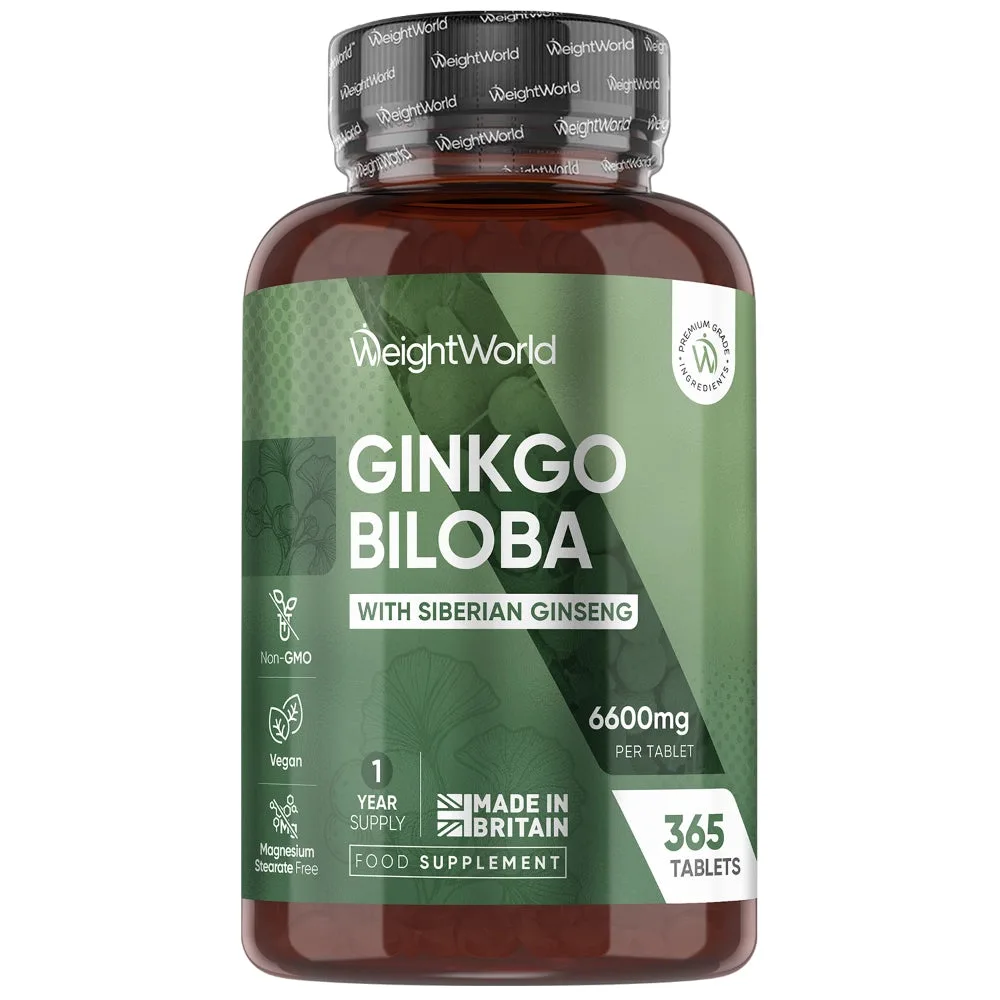
Ginkgo Biloba With Siberian Ginseng Tablets
- For study support: consider bacopa monnieri capsules
- For quick mental clarity: ginkgo biloba tablets
- Look for standardized extracts with 24% flavone glycosides (ginkgo) or 20% bacosides (bacopa)
Can You Take Them Together?
Some people take ginkgo and bacopa together, hoping to combine the circulatory benefits of ginkgo with the memory-enhancing effects of bacopa. While there's no strong evidence of harmful interactions, it's always wise to speak with a healthcare provider, especially if you're on blood-thinning medication or have a bleeding disorder, as ginkgo can affect blood clotting.
If you decide to combine them, start with low doses and monitor how you feel. Alternatively, you might consider a product that already blends cognitive herbs, such as Lion's Mane Mushroom Tablets, which supports nerve growth factor and may complement either herb.
- Consult a doctor before combining herbs
- Start with lower doses to assess tolerance
- Monitor for any side effects like headaches or digestive upset
Both ginkgo biloba and bacopa are powerful herbs for memory support, but they work in different ways. Ginkgo offers faster, circulation-based benefits, while bacopa provides deeper, long-term memory enhancement. Assess your cognitive goals and timeline, and consider trying one at a time to see which works best for you. Always choose high-quality supplements from reputable brands to ensure purity and potency.