Quick answer
Choose a ginkgo tincture if you want a liquid format with a fresh-leaf starting material and flexible dosing; choose capsules or powders if you prefer a fixed, pre-measured serving and don't want to measure drops. The right pick depends on how much label detail you need and how you take herbs daily.
Format and dosing: liquid vs fixed servings
A tincture is a liquid extract you measure by the drop or dropperful, so the serving size is adjustable within the label's guidance. Capsules and powders come as fixed servings, which removes measuring but limits flexibility. If you travel or dislike carrying a bottle and dropper, capsules are simpler; if you want to fine-tune how much you take, a liquid ginkgo supplement gives you more room to adjust.
What the label tells you about starting material
Ginkgo products vary in what part of the plant they use and how they describe it. A tincture label may state the part used and whether it was fresh or dried; capsule labels often list extract ratios or standardized percentages. Neither format is automatically clearer, but a tincture that names fresh leaf gives you a specific starting point, while capsules may emphasize standardization instead. Read both labels for the part used and any extraction details before comparing price.
Absorption claims: what you can and cannot assume
You may see claims that liquid ginkgo supplements absorb faster than capsules. Those claims are not universal and depend on the specific product, its base, and how you take it. The honest trade-off is that tinctures offer a liquid format some people find easier to take, while capsules offer a consistent, measured dose without alcohol or glycerin bases. Neither format guarantees better absorption; choose based on your routine and the label transparency you can verify.
Price and convenience: compare cost per serving, not per bottle
A tincture bottle may look more expensive than a capsule bottle, but the number of servings differs. Check how many dropperfuls or capsules each container provides and compare cost per serving. Tinctures require measuring and may need refrigeration after opening depending on the label; capsules are portable and shelf-stable but fixed in dose. If you take ginkgo daily, convenience and cost per serving matter more than the sticker price.
Key trade-offs at a glance
- Dosing flexibility: Tinctures let you measure by drop or dropperful within label guidance, while capsules deliver a fixed serving. Choose tincture if you want to adjust; choose capsules if you prefer no measuring. Decide whether adjustable dosing or fixed convenience matters more for your daily routine.
- Starting material transparency: Check whether the label names the plant part (leaf) and whether it is fresh or dried. A tincture that states fresh leaf gives you a concrete reference point; capsule labels may instead list extract ratios or standardization. Compare the part used and fresh vs dried wording on both labels before assuming they are equivalent.
- Absorption claims: Do not assume liquids absorb faster than capsules. Absorption depends on the specific product and how you take it; treat fast-absorption claims as marketing unless the label provides verifiable detail. Judge each product on its own label facts, not on a general format rule.
- Cost per serving: Divide the bottle price by the number of servings listed on the label. Tinctures and capsules can differ widely in servings per container, so compare cost per day rather than cost per bottle. Calculate cost per serving before deciding which format is more economical for you.
Product facts
-
Ginkgo Tincture: Made from fresh green and yellow Ginkgo biloba leaves. A fresh-leaf starting material gives you a specific, plant-part detail to compare against capsule extracts that may use dried leaf or standardized extracts.
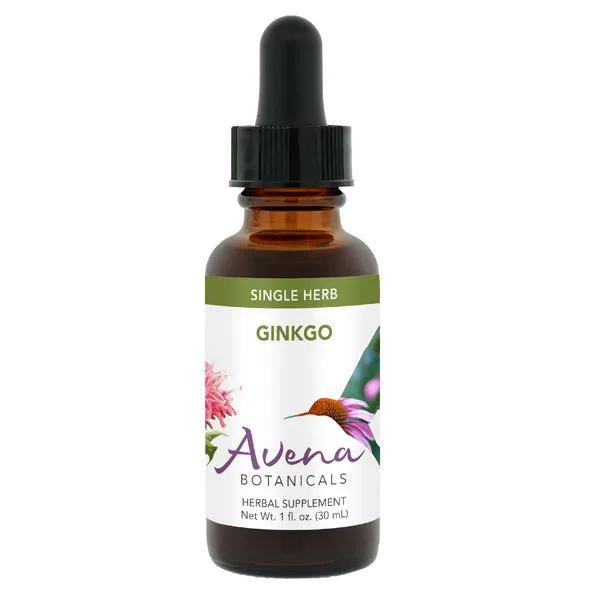
Ginkgo Tincture
Who should choose which
Best for
- People who want a liquid format and adjustable dosing within label guidance
- Shoppers who prefer a tincture made from fresh Ginkgo biloba leaf
Not for
- People who want a pre-measured, no-measuring serving
- Travelers who prefer capsules or powders over carrying a dropper bottle