Why a foil can do some of the talking
The Girl Power Condom is a standard-size condom with custom foil branding that celebrates feminist empowerment and pro-choice values. That printed message can be a natural entry point for a conversation about safer sex—especially if you or your partner care about gender equality and want intimacy to reflect those values.
But the foil is a prompt, not a script. The actual conversation still needs your words, your partner’s response, and a shared decision about protection. This guide walks through how to use the wrapper as a low-pressure opener, what to say next, and where the product record stops short.
What the Girl Power Condom confirms
-
Girl Power Condom: Standard condom size and fit for everyday use. If you already use standard condoms comfortably, this one fits the same way; no new sizing guesswork is needed for the conversation.
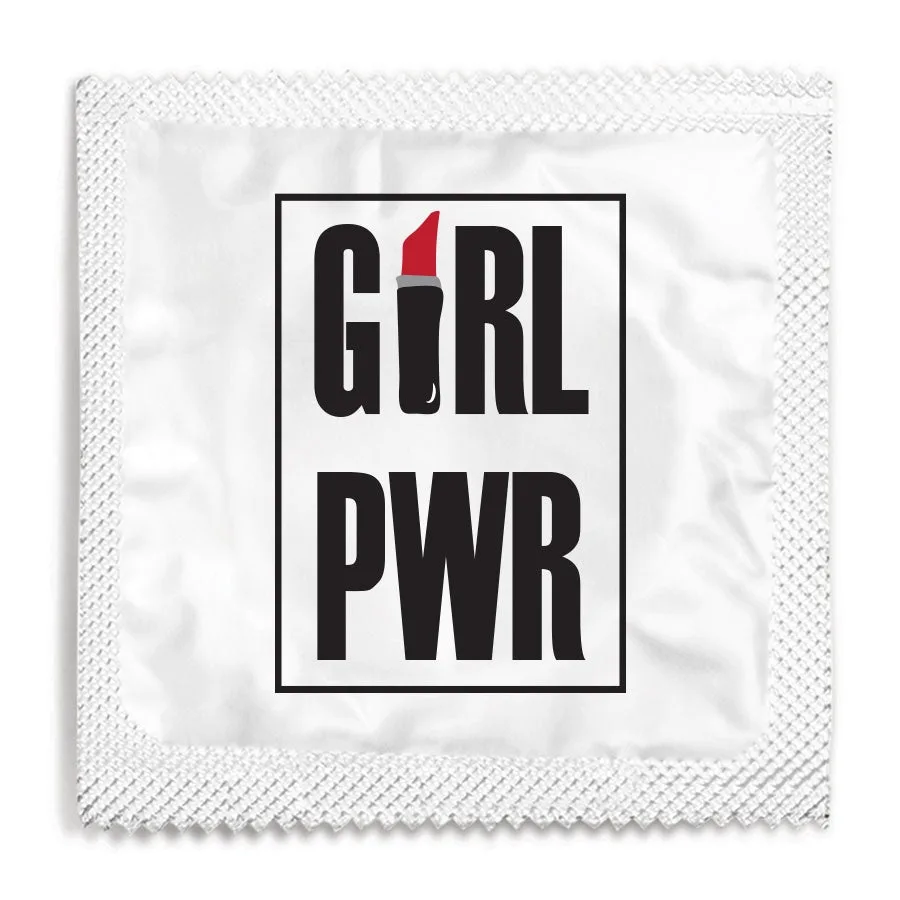
Girl Power Condom
-
Girl Power Condom: Custom foil branding celebrates feminist empowerment and pro-choice values. The message on the wrapper is the conversation starter—it signals shared values before you say a word about protection.
-
Girl Power Condom: Part of an awareness campaign collection aimed at promoting gender equality. Framing the condom as part of a broader campaign can make the talk feel like a shared stance rather than a personal request.
A four-step talk that starts with the foil
- 1. Bring it out casually, not as a test: Show the wrapper and say something simple like, “I picked this one because the message matters to me.” Keep your tone light—this is an invitation to talk, not a quiz.
- 2. Ask what the message means to them: Try, “What do you think about the girl power message?” or “Does this kind of thing matter to you?” Their answer tells you whether to go deeper or keep it brief.
- 3. Connect the message to protection: Say plainly, “For me, empowerment includes making sure we’re both protected.” That links the foil’s values to the practical choice of using a condom.
- 4. Agree on what happens next: Confirm you’ll use the condom, check that you both have consent, and decide together what you’re comfortable with. The wrapper opened the door; your agreement closes the loop.
Checkpoints before you rely on the foil
- Fit is standard, not custom: The supplied record says standard size and fit. If standard condoms have felt tight or loose before, talk about that before the moment—not after the wrapper is open.
- The message is the product’s only stated feature: The record describes branding and campaign purpose. It does not list lubricant, thickness, or material details, so don’t assume those from the foil.
- No care or storage instructions are supplied: The record does not include care, storage, or operating steps. Follow the manufacturer’s instructions on the pack or insert; this article cannot replace them.
- Consent is ongoing, not a one-time box: A conversation about the wrapper is not consent for anything else. Check in before and during, and treat a “no” or hesitation as a full stop.
What the Girl Power Condom meaning does—and doesn’t—settle
The Girl Power Condom meaning is straightforward: it’s a standard condom wrapped in a message that supports women’s rights and pro-choice values. It’s packaged by Say It With A Condom, a brand that frames its products as advocacy. That makes it a useful icebreaker for people who want their safer sex choices to reflect their politics.
What it doesn’t settle is anything medical or technical beyond “standard size and fit.” The supplied record has no efficacy claims, no material details, and no instructions. So treat the foil as a conversation tool and the condom as a condom: use it correctly, check the expiry, and follow the manufacturer’s guidance. If you have specific health concerns, talk to a healthcare professional—this article is not medical advice.
If the talk stalls, try these lines
- “I like what this wrapper says—can we talk about what protection looks like for us?”: Moves from the message to the practical decision without accusing anyone.
- “I’m not trying to make this heavy. I just want us both to feel good about what we’re doing.”: Signals care and lowers the stakes if the other person seems uncomfortable.
- “If now isn’t the right time to talk, that’s okay—but I’d rather we sort it out before we need it.”: Gives an exit without dropping the subject permanently.