Quick answer
For dry goods you want to keep visible and fresh, a glass canister with a wood lid wins on clarity and natural seal. Plastic containers are lighter and shatterproof but often lack the airtightness and visual appeal that glass provides.
Why material matters for dry food storage
The container material affects how long your food stays fresh, how easy it is to find what you need, and how the container fits into your kitchen. Glass offers transparency and a non-porous surface, while plastic is lightweight and durable but can absorb odors over time.
For dry staples like flour, sugar, pasta, and coffee beans, the seal quality and visibility are key. A poor seal lets in moisture and pests, while a non-transparent container makes you rummage through cabinets.
The trade-off between clarity and weight
Glass canisters let you see contents at a glance, so you always know when to restock. But they are heavier and can break if dropped. Plastic containers are lighter and more portable, but you often need to open them to check levels.
If you store items in a high-traffic area or take containers to the pantry, plastic may be more practical. For a countertop display or organized shelf, glass adds a clean look that plastic rarely matches.
Glass canister vs plastic: trade-offs at a glance
- Freshness and seal quality: Glass canisters with a silicone seal (like the Public Goods Glass Canister) create an airtight closure that keeps dry goods crisp. Many plastic containers use snap-on lids that lose their seal over time, letting in humidity.
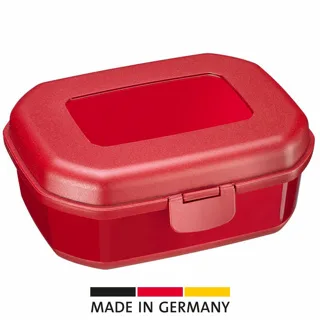
- Durability and weight: Plastic containers are shatter-resistant and lightweight, making them ideal for busy kitchens or for carrying to the pantry. Glass is heavier and can break if dropped, but it does not warp or stain like plastic can.
- Visibility and aesthetics: Borosilicate glass offers full transparency, so you can see food levels without opening the lid. Plastic is often tinted or opaque, hiding contents. Glass also adds a natural warmth with wood accents that plastic cannot replicate. If visual appeal and easy inventory matter, glass is the clear winner. If you prioritize light weight and impact resistance, plastic may suit you better.
Product facts
-
Glass Canister: Glass canisters crafted from borosilicate glass, designed to store dry goods with clarity and ease. Each vessel is fitted with an acacia wood lid and silicone seal to help maintain freshness. The transparent body lets you see contents instantly, while the wood lid and silicone seal provide an airtight barrier that plastic snap lids often fail to match.
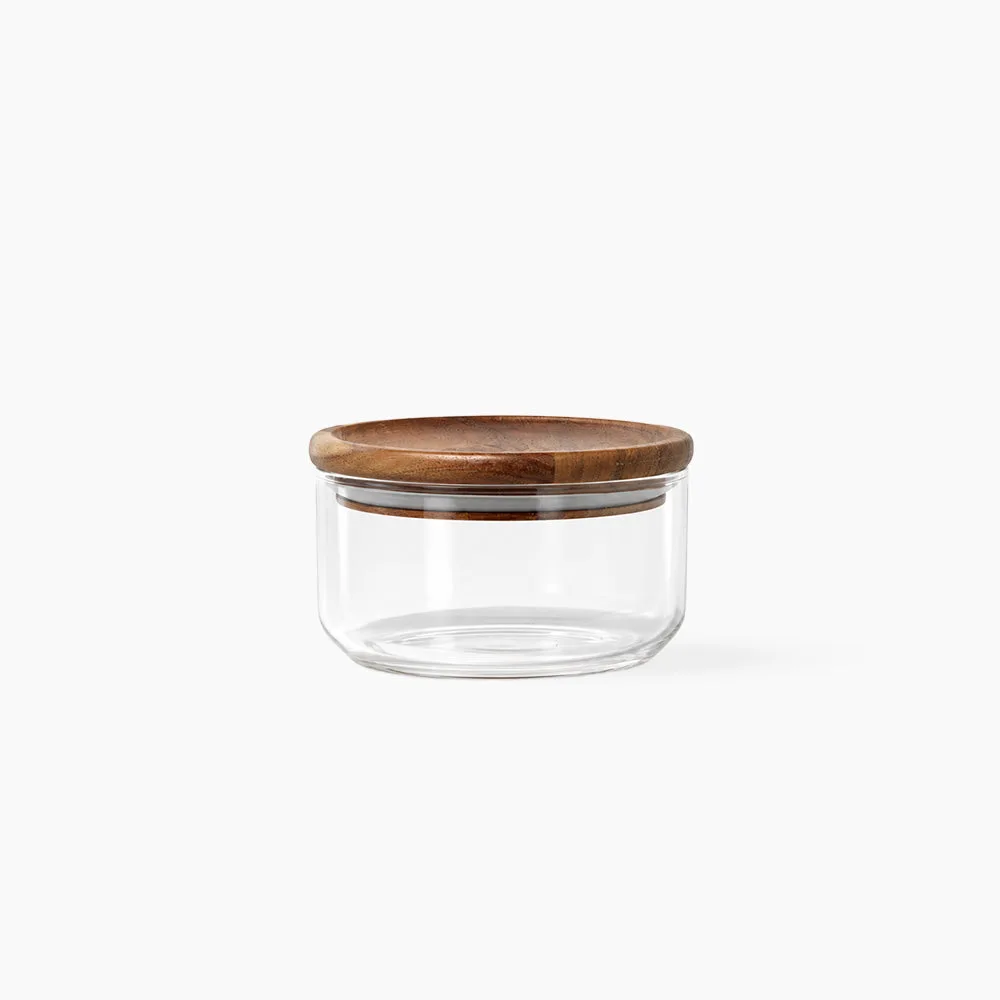
Glass Canister
Which one should you choose?
Best for
- Home cooks who display dry goods on countertops and want to see stock at a glance
- Anyone seeking airtight storage for flour, sugar, coffee, or pasta in a kitchen with a natural or minimalist style
Not for
- Families with young children or high-traffic kitchens where breakage is a real concern
- People who need to stack containers in tight cabinets or take them on the go