Korean skincare has gifted the world with two of the most coveted skin finishes: glass skin and honey skin. While both trends celebrate a radiant, healthy complexion, they differ in texture, glow intensity, and the steps required to achieve them. Glass skin aims for a translucent, mirror-like clarity, while honey skin delivers a warm, golden, and deeply nourished glow. Understanding which finish aligns with your skin type and goals can help you curate a routine that feels both effective and enjoyable.
In this guide, we break down the defining characteristics of glass skin vs honey skin, explain the key ingredients and techniques for each, and help you decide which Korean skincare trend deserves a spot in your daily regimen. Whether you have oily, dry, combination, or sensitive skin, there's a luminous finish waiting for you.
What Is Glass Skin? The Pursuit of Translucent Clarity
Glass skin is the ultimate symbol of hydration and evenness in Korean beauty. The term describes skin that is so smooth, plump, and poreless that it resembles a pane of clear glass. Achieving this look requires a multi-step routine focused on layering lightweight, hydrating products that build a dewy, reflective surface without heaviness or shine. The key is to use gentle exfoliation, ample hydration, and a lightweight occlusive to lock everything in.
For those with oily or combination skin, glass skin is particularly appealing because it emphasizes clarity and balance rather than heavy oils. The finish is luminous but not greasy, thanks to water-based formulas and gel textures. A crucial step in this routine is using a sunscreen that provides a natural, non-sticky glow. The Zero-cast Moisturizing Finish Sunscreen is an excellent choice—it hydrates while leaving a barely-there finish that enhances the glass-like effect without white cast or residue.
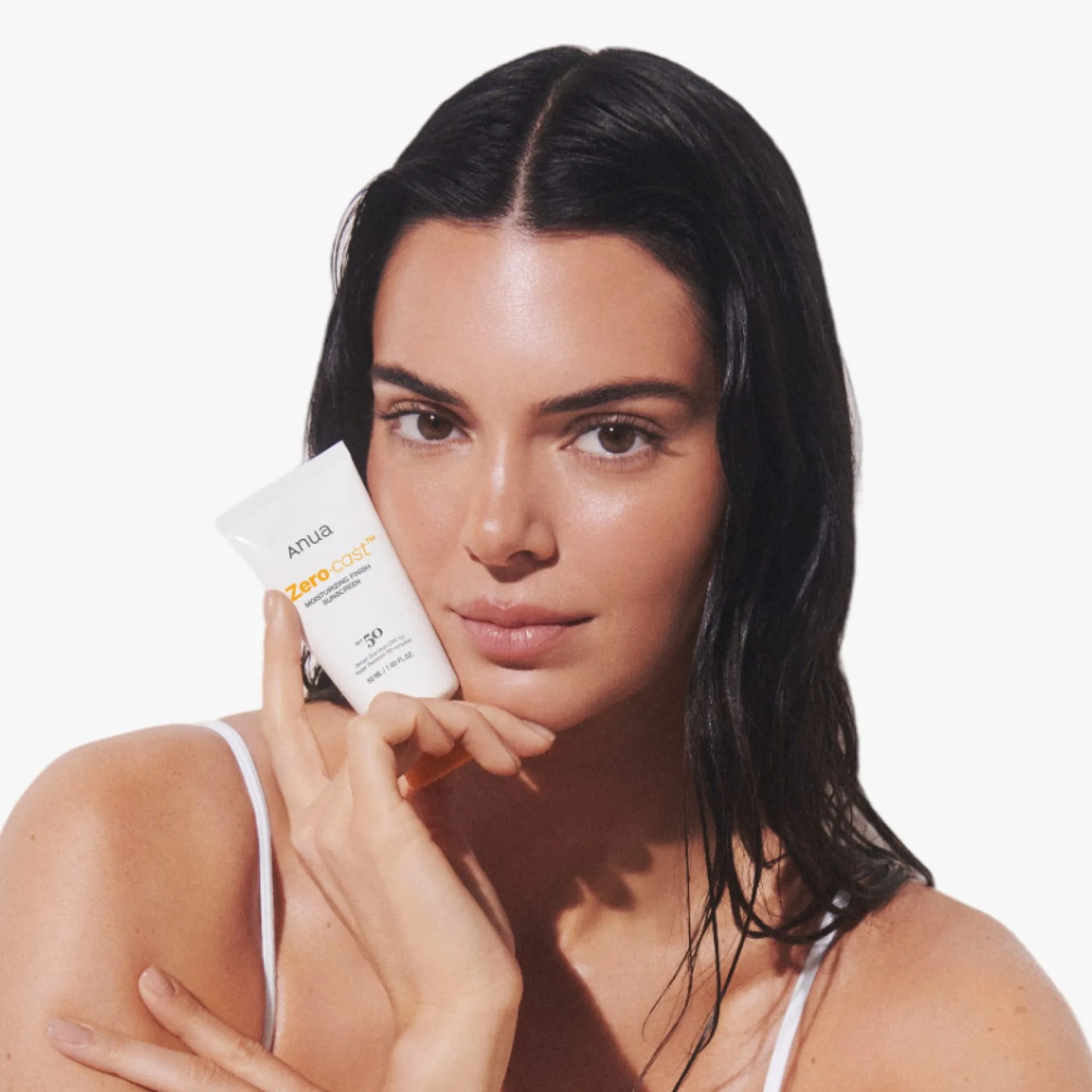
Zero-cast Moisturizing Finish Sunscreen
- Focus on hydration layers: essences, lightweight serums, and gel moisturizers.
- Use gentle chemical exfoliants (like PHA or low-concentration BHA) to refine texture.
- Seal with a mist or a light facial oil for that final reflective sheen.
What Is Honey Skin? The Art of a Warm, Nourished Glow
Honey skin, also known as glazed donut skin, takes inspiration from the rich, golden viscosity of honey. This finish prioritizes deep nourishment, emollience, and a warm, almost glossy radiance that looks healthy and supple. Unlike glass skin's cool translucence, honey skin feels more tactile and indulgent—perfect for dry, mature, or dehydrated skin types that crave intense moisture and a cushiony texture.
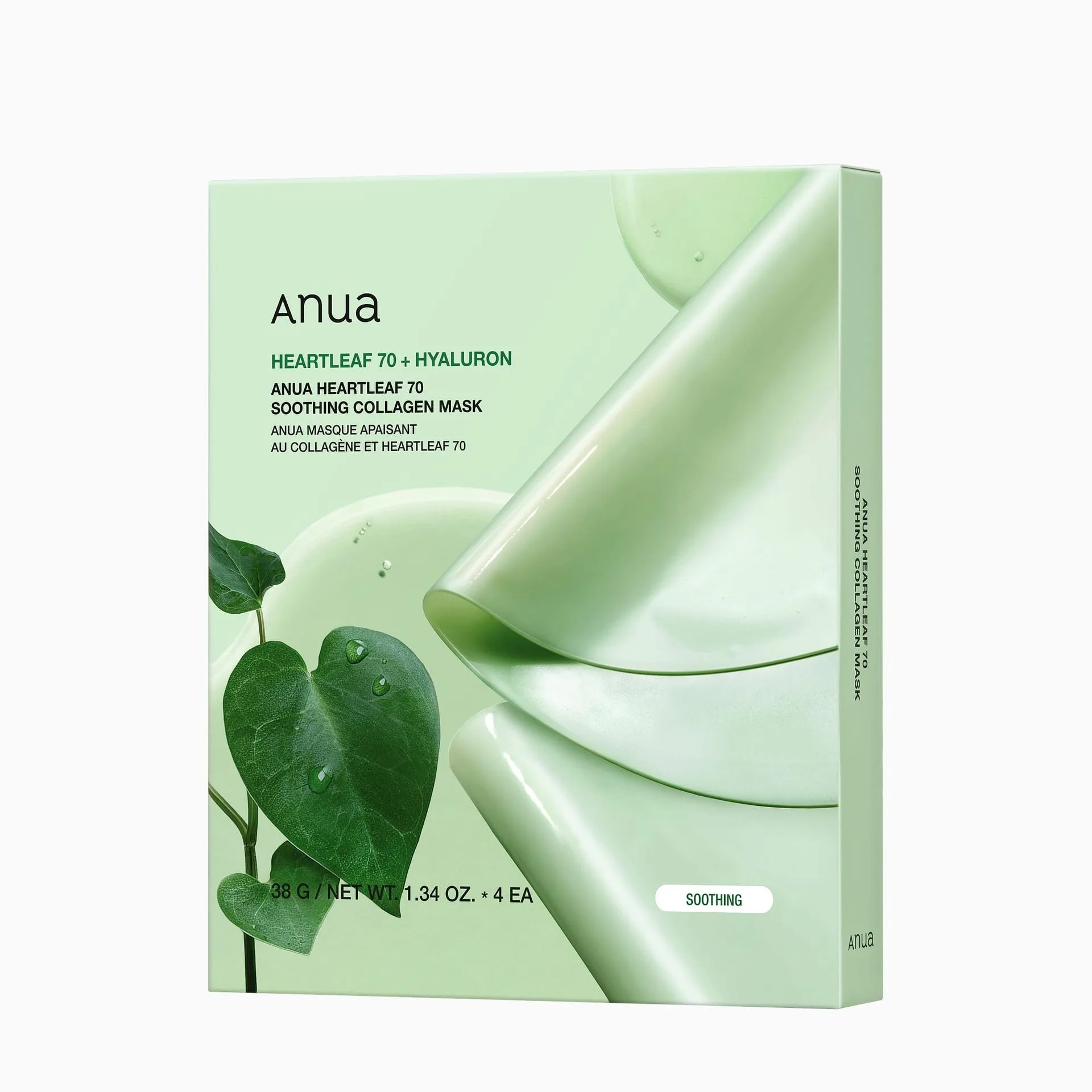
To achieve honey skin, you'll want to incorporate richer creams, facial oils, and honey- or propolis-infused products that deliver both hydration and lipid replenishment. The Redness Soothing Duo is a fantastic starting point for sensitive or reactive skin, as it combines calming ingredients with a nourishing base that builds that sought-after glow without irritation. Honey skin also benefits from sheet masks that deliver a concentrated dose of soothing and brightening ingredients, such as the Heartleaf 70 Soothing Collagen Mask, which calms inflammation while adding a dewy finish.
- Layer a hydrating toner, then a rich serum or ampoule with honey or propolis.
- Use a creamy moisturizer and finish with a facial oil for a glossy veil.
- Incorporate sheet masks 2-3 times a week for an extra boost of nourishment.
Glass Skin vs Honey Skin: Key Differences at a Glance
To help you decide which Korean skincare trend matches your preferences, here's a quick comparison of their defining traits. Glass skin is all about transparency and a mirror-like finish, while honey skin emphasizes a warm, golden glow that feels deeply nourished. Your skin type, desired level of dewiness, and tolerance for richer textures will guide your choice.
- Finish: Glass skin is translucent and reflective; honey skin is glossy and warm.
- Texture: Glass skin uses lightweight, gel-based products; honey skin relies on richer, oil-based formulas.
- Best for: Glass skin suits oily, combination, and normal skin; honey skin is ideal for dry, mature, and dehydrated skin.
- Key ingredients: Glass skin favors hyaluronic acid, niacinamide, and light humectants; honey skin thrives on propolis, honey, oils, and ceramides.
How to Achieve Glass Skin: A Step-by-Step Routine
Building a glass skin routine starts with a clean, smooth canvas. Begin with a double cleanse using an oil-based cleanser followed by a gentle foam to remove impurities without stripping the skin. Next, apply a hydrating toner or toner pad—the https://purebeautytools.store/products/heartleaf-77-clear-pad-51545Heartleaf 77 Clear Pad is a fantastic option because it gently exfoliates and soothes while prepping the skin to absorb subsequent layers. Follow with a lightweight hydrating serum, a gel moisturizer, and finish with a sunscreen that leaves a natural glow. The Zero-cast Moisturizing Finish Sunscreen is perfect for this step, as it provides broad-spectrum protection without interfering with the glass-like finish.
- Double cleanse to ensure a smooth base.
- Use a toner pad like the Heartleaf 77 Clear Pad for gentle exfoliation and hydration.
- Layer a water-based serum and a gel moisturizer.
- Seal with a lightweight, non-greasy sunscreen.
How to Achieve Honey Skin: A Step-by-Step Routine
For honey skin, the focus shifts to deep nourishment and a dewy, almost sticky glow. Start with a gentle cream cleanser to maintain the skin's lipid barrier. Then, apply a rich, honey-infused toner or essence. Follow with a nourishing ampoule or serum that contains propolis, honey, or ceramides. Lock everything in with a thick moisturizer and a facial oil. Sheet masks like the Heartleaf 70 Soothing Collagen Mask can be used 2-3 times a week to boost hydration and calm any redness. Finally, use a tinted moisturizer or a dewy sunscreen to enhance the golden finish without looking greasy.
- Use a creamy, non-foaming cleanser to preserve moisture.
- Apply a honey or propolis toner and a rich serum.
- Layer a thick moisturizer and a facial oil for a glossy veil.
- Incorporate soothing sheet masks for extra nourishment.
Both glass skin and honey skin celebrate a radiant, healthy complexion, but the right choice depends on your skin type and personal aesthetic. If you lean toward a lightweight, translucent glow that balances oil and hydration, glass skin is your match. If you crave a warm, deeply nourished finish that feels like a hug for your skin, honey skin awaits. Explore our curated collection of Korean skincare essentials to start your journey—whether you're aiming for glass-like clarity or a golden, glazed finish, we have the products to help you shine.