Tea lovers know that the vessel matters as much as the leaves. The debate between glass and ceramic teapots is a classic one, with passionate advocates on both sides. Glass teapots offer visual drama—watching leaves unfurl and colors deepen is part of the ritual. Ceramic teapots, on the other hand, promise superior heat retention and a timeless, handcrafted feel. Which one delivers the better cup? The answer depends on your brewing style, priorities, and even the type of tea you prefer.
In this guide, we’ll break down the key differences between glass and ceramic teapots across five critical factors: heat retention, flavor purity, aesthetics, durability, and ease of cleaning. By the end, you’ll know exactly which teapot deserves a spot on your kitchen counter. And if you’re looking to complete your tea setup, we’ll point you to a few essential accessories that elevate the entire experience.
Heat Retention: Ceramic Wins for Long Steeps
Ceramic teapots are the undisputed champions of heat retention. The dense, porous nature of fired clay absorbs and holds heat, keeping your water at a consistent temperature for the duration of a long steep. This is especially important for dark oolongs, pu-erh, and herbal infusions that benefit from extended brewing times. A ceramic teapot will keep your tea hot for 20–30 minutes after pouring, allowing you to savor multiple cups without reheating.
Glass teapots, by contrast, lose heat more quickly. Borosilicate glass—the type used in most quality glass teapots—is a poor insulator. While it heats up fast and responds quickly to temperature changes, it also cools down rapidly. This makes glass teapots ideal for delicate teas like green or white teas, which require precise, lower temperatures and shorter steeps. If you’re a fan of a quick, visually engaging brew, glass is your friend. For leisurely sipping sessions, ceramic is the better choice.
- Tip: For green teas, use a glass teapot and watch the leaves dance. For black or herbal teas, reach for ceramic to maintain heat.
Flavor Purity: Glass Offers Neutrality, Ceramic Adds Character
When it comes to flavor, glass teapots are completely neutral. They don’t absorb or impart any flavors, so every cup tastes exactly as the tea maker intended. This is a major advantage for connoisseurs who want to taste the subtle notes of a single-origin oolong or a delicate white tea. Glass also doesn’t retain odors, so you can switch from jasmine to Earl Grey without any lingering traces.
Ceramic teapots, especially those with a glazed interior, are also non-reactive and generally flavor-neutral. However, unglazed ceramic or clay teapots (like Yixing pots) are porous and will absorb the flavors of the teas brewed in them over time. This can actually enhance the depth and complexity of subsequent brews, creating a unique patina of flavor. If you’re a dedicated drinker of a single tea type, a ceramic teapot can become a personalized brewing vessel. For those who rotate teas frequently, glass or glazed ceramic is more practical.
- Tip: Use a glass teapot for tasting sessions to evaluate a tea’s true character without interference.
Aesthetics and the Tea Ritual
The visual appeal of a teapot is not just about looks—it’s part of the experience. Glass teapots offer a front-row seat to the brewing process. Watching the leaves expand, the water change color, and the steam rise creates a meditative, almost theatrical ritual. This is why glass teapots are so popular for tea ceremonies and social gatherings. They invite conversation and appreciation of the tea’s beauty.
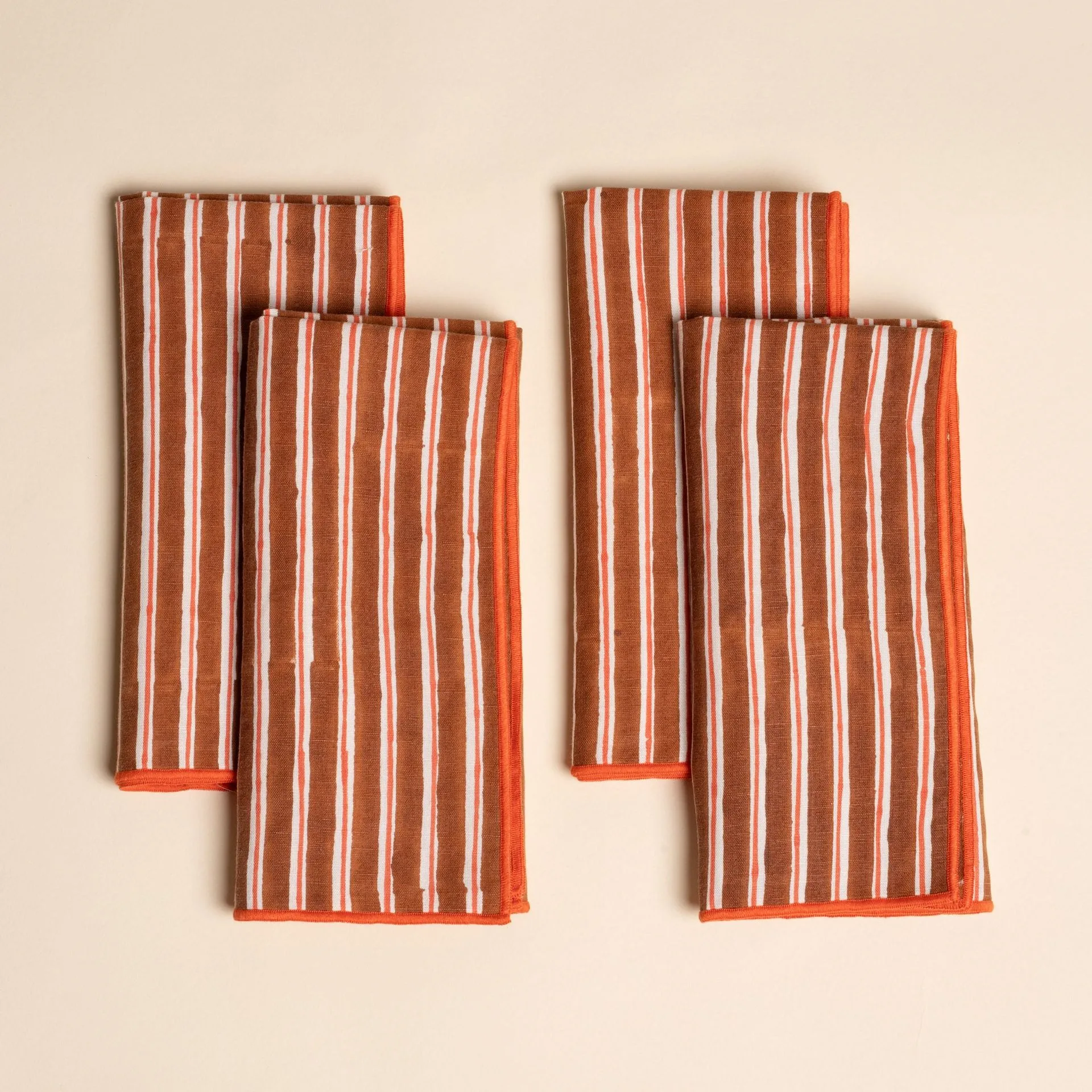
Ceramic teapots, on the other hand, bring warmth and artistry to the table. Hand-painted designs, glazed finishes, and organic shapes make each piece unique. A ceramic teapot can be a statement piece that ties your kitchen or dining room together. For example, pairing a ceramic teapot with a set of Mehak Napkins, Set of 4 adds a layer of texture and color to your table setting. The ritual of pouring from a ceramic spout—feeling the weight and heat in your hands—is deeply satisfying.
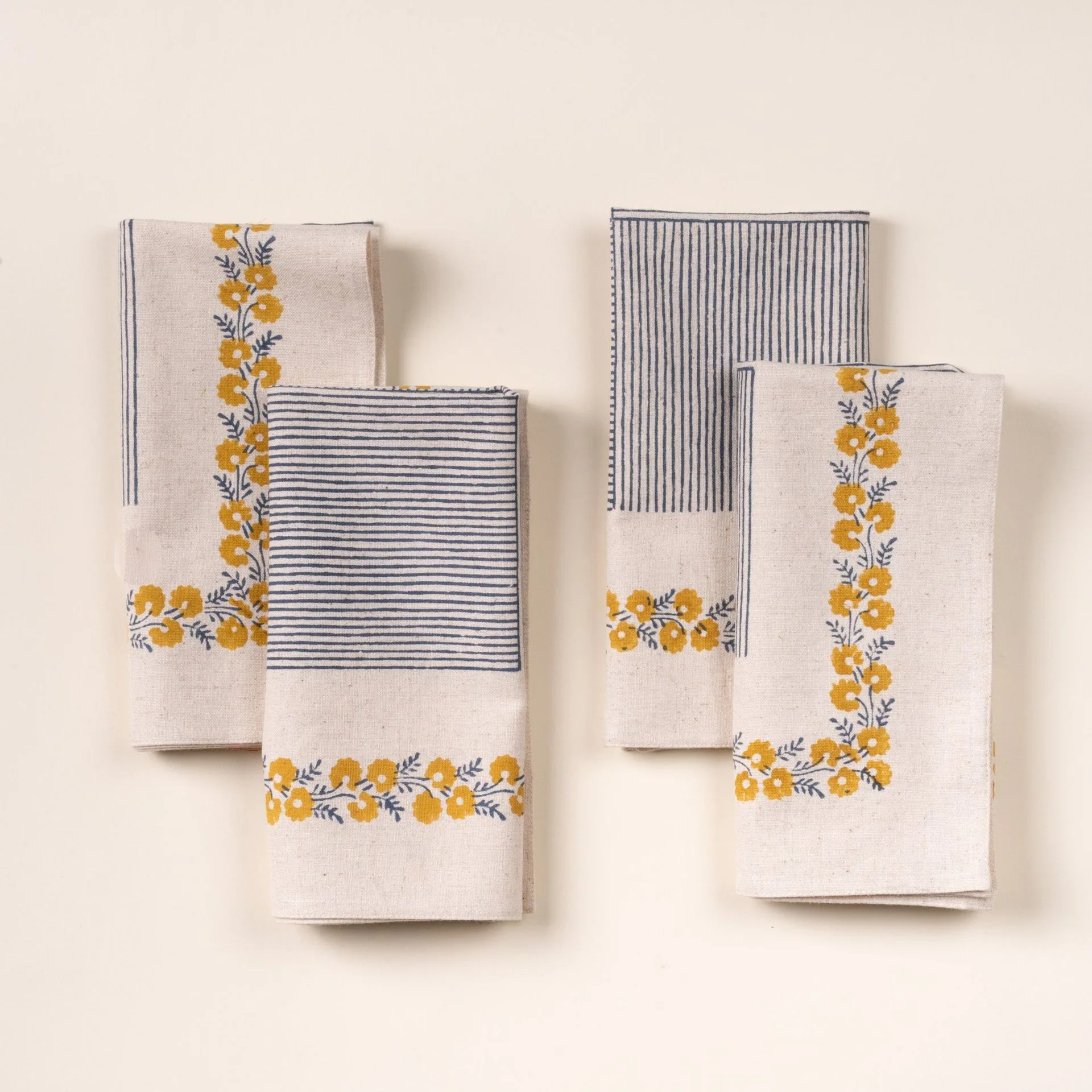
Mehak Napkins, Set of 4
- Tip: For a cohesive table, match your teapot’s color palette with your napkins and table linens.
Durability and Everyday Use
Durability is a practical concern for daily tea drinkers. Glass teapots, especially those made from borosilicate glass, are resistant to thermal shock and can handle boiling water without cracking. However, they are still fragile and can break if dropped or knocked against a hard surface. They also require careful handling when cleaning to avoid chips or scratches.
still
Ceramic teapots are generally more robust. High-fired stoneware or porcelain can withstand daily use and occasional bumps. But they are not indestructible—a hard fall can crack or chip the glaze. One advantage of ceramic is that it’s less likely to shatter into dangerous shards; a crack might render the pot unusable but won’t create a mess of glass pieces. For families with children or busy kitchens, ceramic might be the safer bet. If you’re brewing while wearing your East Fork Kids Apron, a ceramic pot’s stability is a plus.
- Tip: Always warm your ceramic teapot with hot water before adding boiling tea water to prevent thermal shock.
Cleaning and Maintenance
Cleaning a teapot is essential to prevent bitter residues and stains. Glass teapots are the easiest to clean because you can see exactly where the stains are. A simple soak with baking soda and warm water, followed by a gentle scrub, restores clarity. Glass is also dishwasher-safe, though hand washing is recommended to preserve the finish.
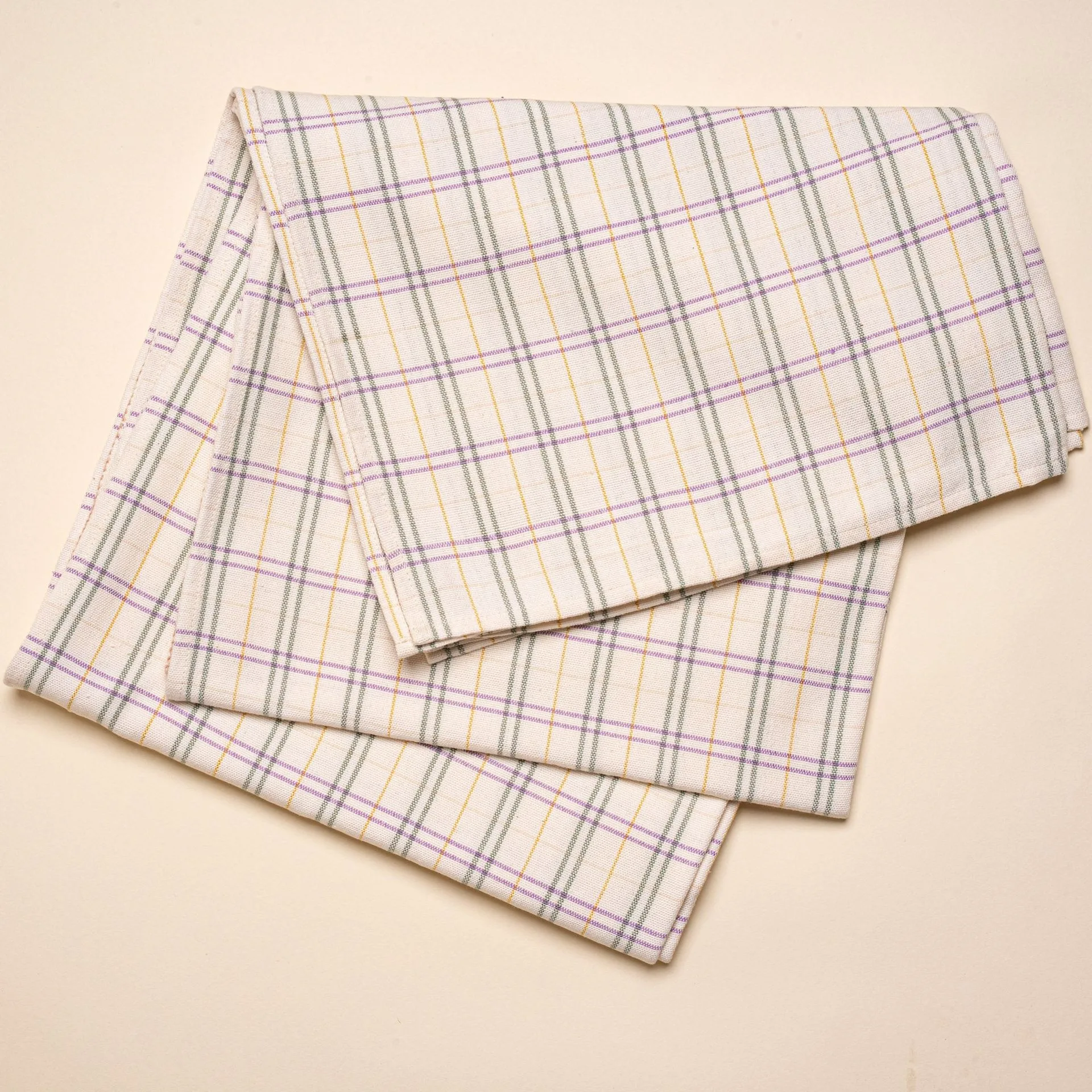
Ceramic teapots require a bit more care. Glazed interiors are non-porous and easy to wipe clean, but unglazed pots should never be washed with soap, as it can be absorbed and affect future brews. Instead, rinse with hot water and let them air dry. Stains on ceramic can be removed with a paste of baking soda and water. For both types, avoid abrasive scrubbers that can scratch the surface. If you’re pairing your teapot with a Sol Tea Towel, you have a perfect companion for drying and polishing.
- Tip: For stubborn tea stains in a ceramic teapot, fill it with warm water and a denture tablet—let it sit overnight, then rinse.
Whether you choose glass or ceramic, the best teapot is the one that aligns with your tea habits and aesthetic preferences. Glass offers clarity and neutrality, perfect for delicate teas and visual rituals. Ceramic delivers warmth, heat retention, and timeless artistry, ideal for long steeps and cozy moments. Whichever you pick, don’t forget to complete your setup with quality accessories. Explore our collection of handcrafted teaware and textiles to find the perfect match for your tea ritual.