When it comes to baking puddings, the choice of dish can make or break your dessert. Both glass and ceramic are popular options, but they behave differently in the oven and on the table. In this comparison, we'll explore the pros and cons of each material to help you decide which is better for your pudding recipes.
Whether you're making a classic bread and butter pudding, a rich chocolate self-saucing pudding, or a delicate crème caramel, the right dish ensures even cooking and a beautiful presentation. Let's dive into the key differences between glass and ceramic baking dishes.
Heat Conductivity and Distribution
Glass baking dishes are known for their excellent heat distribution. They heat up slowly but evenly, which is ideal for custard-based puddings that require gentle cooking. However, glass can also retain heat for a long time, which means your pudding may continue to cook even after you remove it from the oven. This can be a benefit for dishes that need to set, but it also requires careful timing.
Ceramic dishes, on the other hand, are also good at distributing heat evenly, but they typically heat up faster than glass. This makes them great for recipes that need a quick blast of heat, like a sponge pudding. Ceramic also retains heat well, but it tends to cool down faster once out of the oven, giving you more control over the final texture.
- For slow-cooked custards, glass provides gentle, even heat.
- Ceramic is better for recipes that need a quick temperature rise.
Durability and Maintenance
Glass baking dishes are generally more durable than ceramic when it comes to thermal shock. You can take a glass dish straight from the oven to the counter without worrying about cracking, as long as it's made from tempered glass. However, glass can chip or shatter if dropped, and it's more prone to scratching from metal utensils.
Ceramic dishes are heavier and more prone to chipping or cracking if subjected to sudden temperature changes. For example, placing a cold ceramic dish into a hot oven can cause it to crack. On the other hand, ceramic is more resistant to scratching and can handle a bit more rough handling. Both materials are dishwasher safe, but hand washing is recommended to extend their lifespan.
- Tempered glass resists thermal shock better than ceramic.
- Ceramic is more scratch-resistant but can crack with sudden temperature changes.
Aesthetics and Versatility
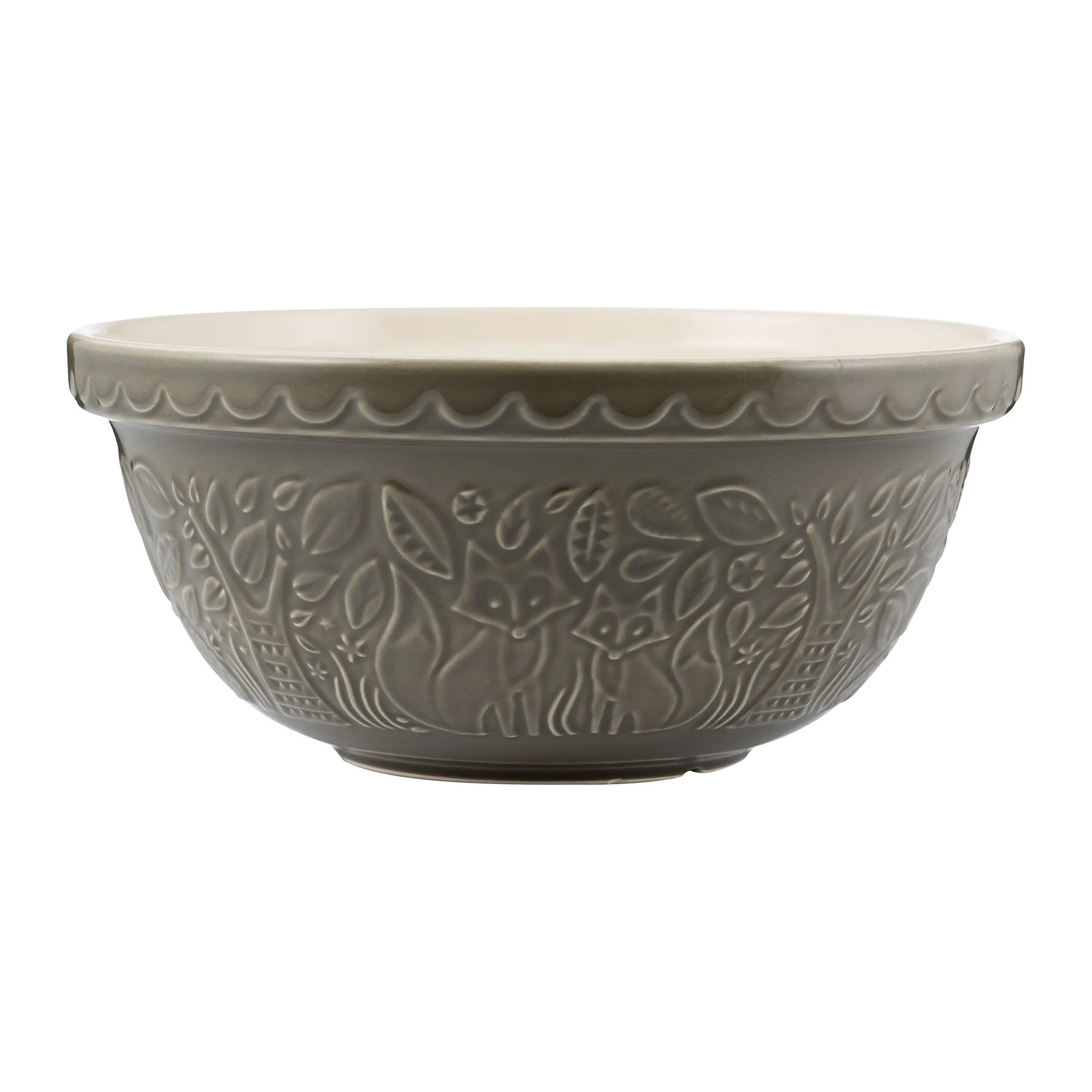
One of the biggest advantages of ceramic is its aesthetic appeal. Ceramic dishes come in a wide range of colors, patterns, and finishes, making them perfect for serving directly from oven to table. For instance, the Mason Cash In The Forest 29cm Cream Mixing Bowl isn't just for mixing—it can double as a charming baking dish for a rustic fruit crumble. Similarly, the In The Forest S18 Owl Stone Mixing Bowl 26cm adds a whimsical touch to any dessert presentation.
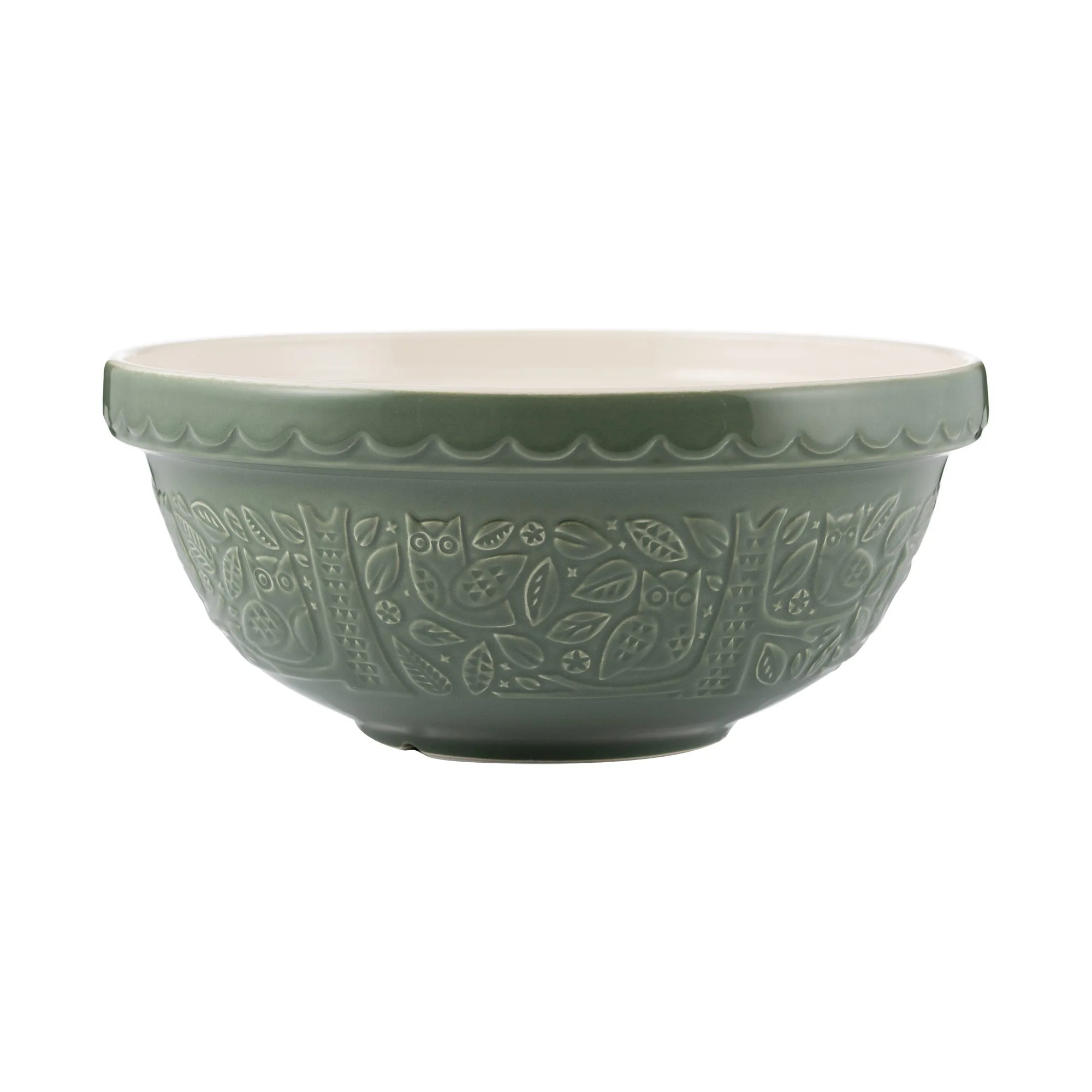
In The Forest S18 Owl Stone Mixing Bowl 26cm
Glass dishes, while often more utilitarian, offer the benefit of transparency. You can easily check the browning of your pudding's bottom or see how much sauce has formed without lifting the dish. Glass is also non-porous, so it won't absorb odors or stains, making it a practical choice for everyday baking.
- Ceramic dishes are ideal for oven-to-table serving with stylish designs.
- Glass lets you monitor browning and is non-porous for easy cleaning.
Which Material Is Best for Puddings?
The answer depends on the type of pudding you're making. For delicate custards and crème brûlée, glass is often preferred because it heats gently and allows you to see the perfect set. For heartier puddings like sticky toffee or bread pudding, ceramic's ability to heat quickly and retain warmth can create a lovely crust while keeping the inside moist.
If you're looking for a versatile option that can go from mixing to baking to serving, consider a ceramic dish that's also designed for mixing, like the Mason Cash Cane & Blue 13cm Lettered Cat Bowl—though it's marketed for pets, its sturdy construction could work for small single-serve puddings. For larger family-style puddings, a dedicated ceramic baking dish or a glass casserole will do the job.
- Choose glass for custards and recipes where you need to monitor doneness.
- Choose ceramic for puddings that benefit from a quick heat surge and a rustic presentation.
Ultimately, both glass and ceramic baking dishes have their strengths, and the best choice depends on your specific recipe and personal preferences. If you're ready to elevate your pudding game, consider adding a stylish ceramic piece like the Mason Cash In The Forest 29cm Cream Mixing Bowl to your kitchen arsenal—it's as beautiful as it is functional.