When it comes to packing your daily lunch or storing leftovers, the bowl you choose matters more than you might think. Glass and ceramic are two of the most popular eco-friendly options, but they have distinct characteristics that can make one a better fit for your lifestyle. In this buying guide, we'll break down the key differences between seal tight glass bowls and ceramic lunch bowls, so you can make an informed choice for your kitchen.
Whether you're a meal-prepper who needs stackable containers or someone who loves to reheat directly in the microwave, understanding the pros and cons of each material will help you choose a bowl that lasts for years and reduces your reliance on single-use plastic.
Durability and Longevity: Which Bowl Lasts Longer?
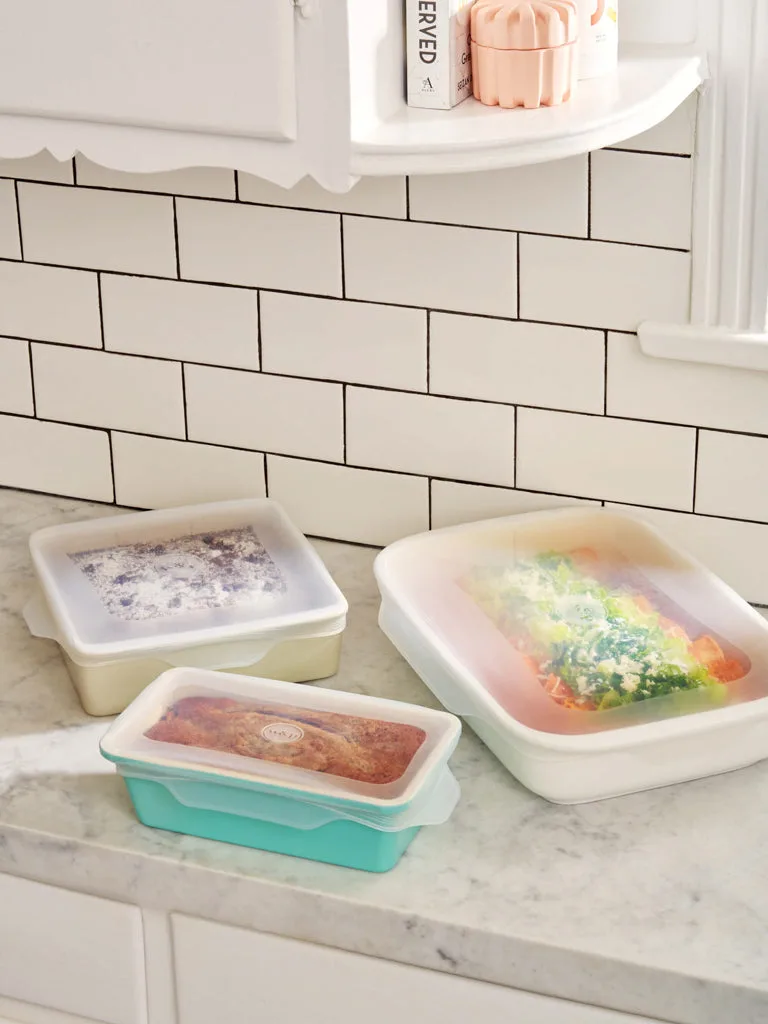
Durability is often the first consideration when investing in reusable kitchenware. Glass bowls, especially those made from borosilicate or tempered glass, are highly resistant to thermal shock. This means they can go from the freezer to the microwave without cracking, making them incredibly versatile for everyday use. A high-quality seal tight glass bowl can withstand years of daily use, provided you handle it with care.
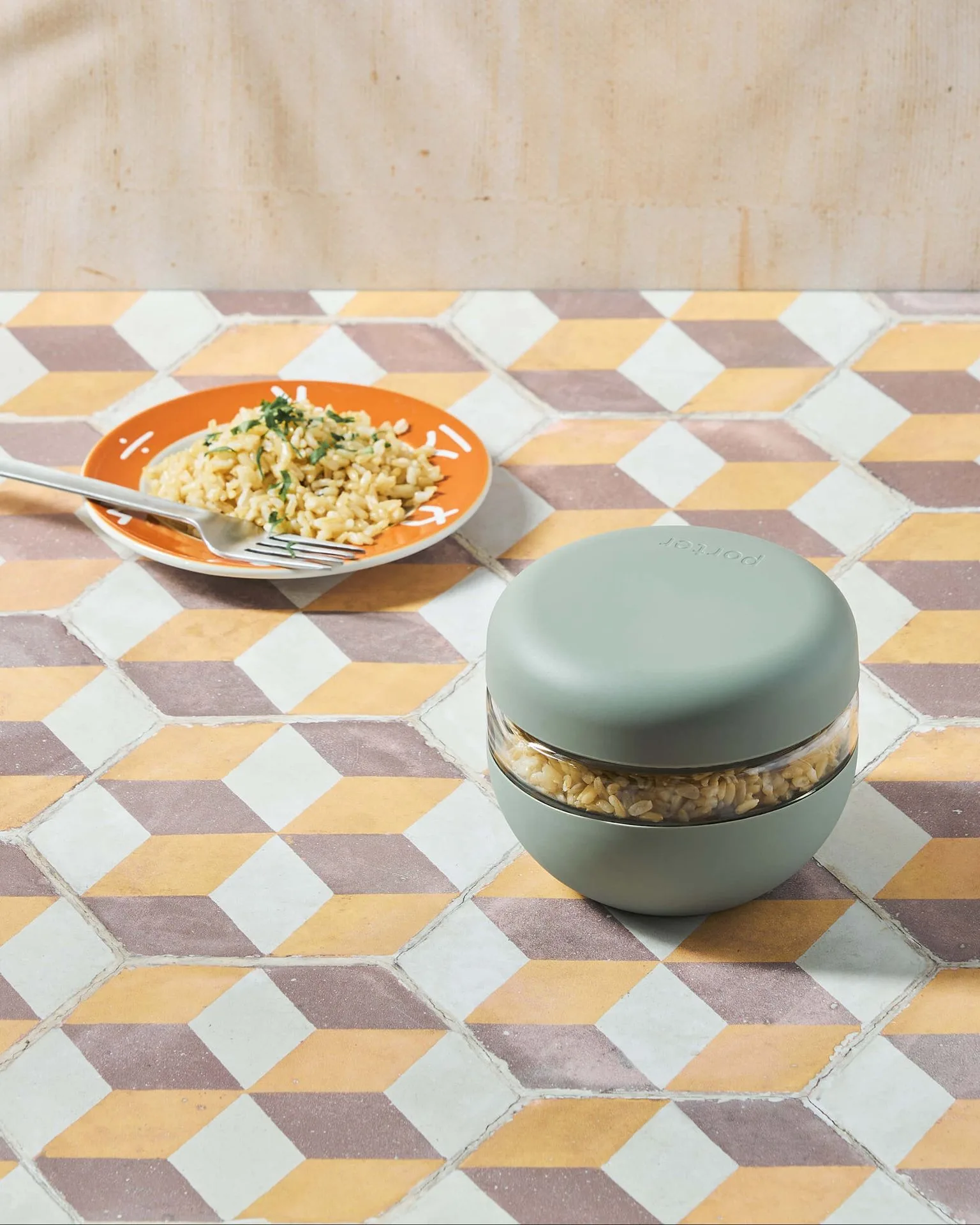
seal tight glass bowl
Ceramic lunch bowls, on the other hand, are more prone to chipping and cracking if dropped. However, they are generally more scratch-resistant than glass, which is a plus if you use metal utensils. Ceramic also tends to be heavier, which can be a drawback if you carry your lunch to work. But for home use, the weight can feel reassuring and sturdy.
- Glass: excellent thermal shock resistance, but can shatter if dropped.
- Ceramic: chip-resistant but may crack under sudden temperature changes.
- For on-the-go use, glass with a protective sleeve might be safer.
Heat Retention and Microwave Safety
If you love eating warm meals, heat retention is a crucial factor. Ceramic has superior heat retention properties, meaning your soup or stew will stay hot longer after being microwaved. This makes ceramic lunch bowls ideal for slow, leisurely lunches. However, ceramic can become very hot to the touch, so you'll need a trivet or a silicone sleeve.
Glass heats up quickly and evenly in the microwave, but it also loses heat faster than ceramic. For those who prefer to eat right away, glass is convenient. Both materials are microwave-safe, but always check the manufacturer's instructions. A seal tight glass bowl with a plastic lid may require you to remove the lid before microwaving to avoid warping.
- Ceramic: keeps food warm longer, but heats unevenly in some cases.
- Glass: heats evenly, but food cools down faster.
- Always use oven mitts when handling hot bowls.
Eco-Friendliness and Sustainability
Both glass and ceramic are made from natural materials and are fully recyclable at the end of their life. They are free from harmful chemicals like BPA, which is often found in plastic containers. Choosing either material is a significant step toward reducing kitchen waste.
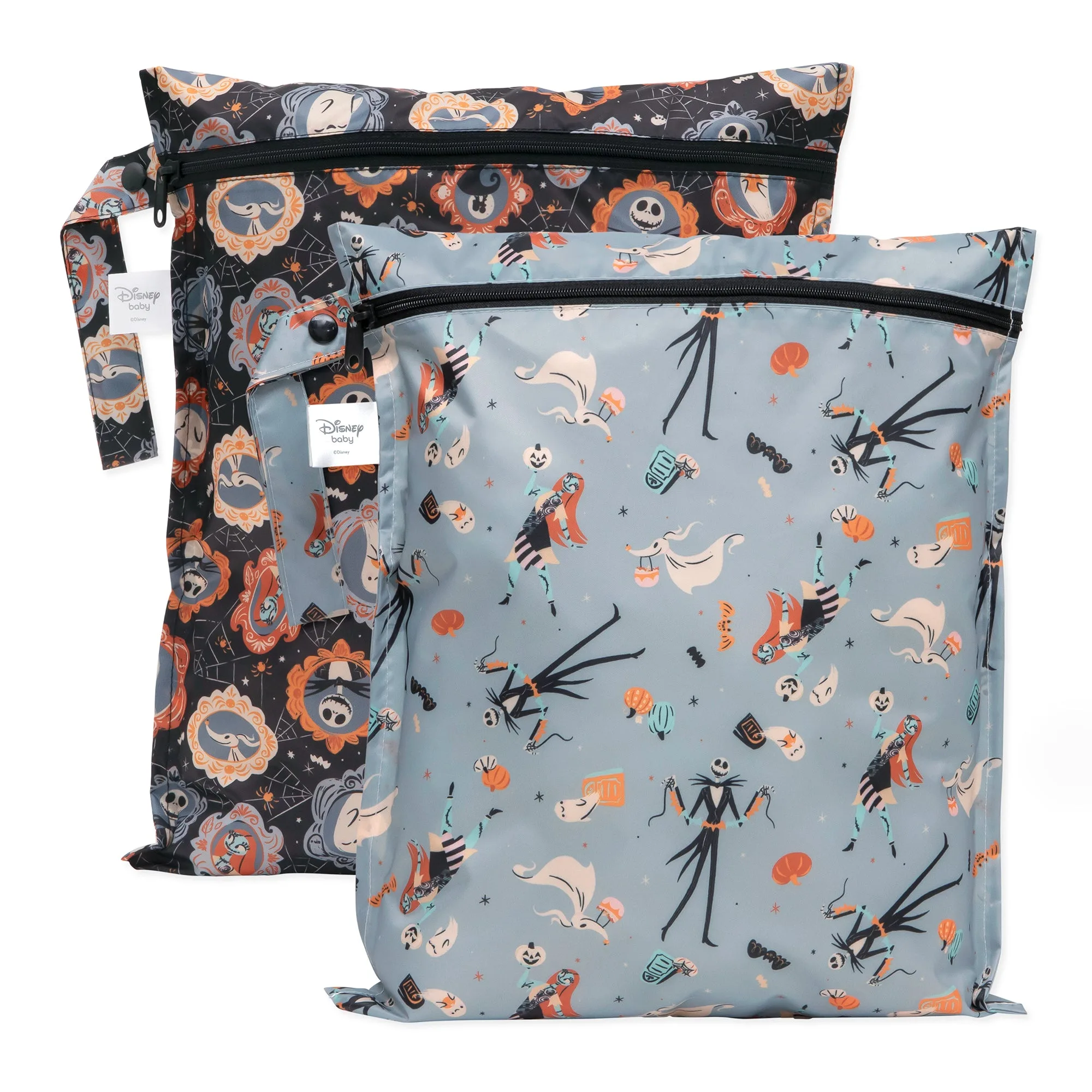
However, the manufacturing processes differ. Ceramic is fired at high temperatures, which can be energy-intensive. Glass production also requires significant energy, but glass can be recycled infinitely without losing quality. When you invest in a durable, reusable bowl, you're already making a sustainable choice. Pairing your bowl with other eco-friendly accessories, like our Reusable Bag for carrying your lunch, can amplify your zero-waste efforts.
Reusable Bag
- Both are recyclable and free from toxic chemicals.
- Glass can be recycled endlessly without degradation.
- Ceramic is often more locally sourced, reducing transportation emissions.
Design and Versatility in the Kitchen
From a design perspective, ceramic lunch bowls often come in a wider variety of colors and glazes, making them a beautiful addition to your table setting. They can double as serving dishes, adding charm to your dinner parties. Glass bowls, however, offer a sleek and modern look, and their transparency lets you see the contents at a glance—perfect for meal prep.
Glass bowls are also more versatile when it comes to cooking. You can use them for baking, mixing, or even as a double boiler. Ceramic bowls are generally not oven-safe unless specified, so if you need a bowl that can go from oven to table, glass might be the better choice. For a multi-purpose option, consider a set like the Plastic Lunch Bowl if you're open to a lightweight alternative, but for a truly eco-friendly choice, stick with glass or ceramic.
- Ceramic: aesthetic variety, great for serving.
- Glass: see-through convenience, oven-safe options.
- Consider nesting bowls to save space.
Maintenance and Cleaning Tips
Both glass and ceramic are dishwasher safe, but glass is generally easier to clean because it doesn't absorb stains or odors. Ceramic can be porous if not properly glazed, so it may retain the smell of strong spices like garlic or curry. To keep your ceramic bowls looking new, avoid using abrasive scrubbers.
Glass bowls are also less likely to stain from foods like tomato sauce or turmeric. For an eco-friendly cleaning routine, use a natural detergent and a soft sponge. If you're looking for a complete kitchen setup, you might also explore our Utensil Set to complement your new bowls.
- Glass: stain-resistant and easy to deodorize.
- Ceramic: hand-wash recommended for hand-painted designs.
- Avoid sudden temperature changes to prevent cracking.
In the battle of glass vs ceramic lunch bowls, there's no one-size-fits-all answer. If you prioritize durability, microwave convenience, and easy cleaning, a seal tight glass bowl is an excellent choice. If you value heat retention and aesthetic appeal, a ceramic lunch bowl might be more your style. Whichever you choose, you're making a sustainable decision that helps reduce single-use plastic. For a versatile and eco-friendly option, check out our Plastic Lunch Bowl—it's a great alternative if you're looking for something lightweight and break-resistant.