Meal prepping is a cornerstone of healthy eating, but the container you choose can make or break your food's freshness. Glass and stainless steel are the top contenders for eco-friendly, reusable storage—each with distinct advantages. In this guide, we compare glass vs stainless steel containers to help you decide which material preserves flavor, texture, and nutrients best for your weekly meal prep routine.
Whether you're packing overnight oats, storing leftovers, or taking lunch on the go, the right container keeps your food tasting fresh and prevents waste. We'll explore key factors like airtight seals, temperature retention, and material reactivity, plus highlight products from Kreatures of Habit that support your wellness journey.
Airtight Seals and Freshness Preservation
The primary goal of any meal prep container is to keep food fresh for days. Glass containers often feature silicone or BPA-free plastic lids that create a vacuum seal, locking out air and moisture. This is ideal for high-moisture foods like soups, salads, or overnight oats. Stainless steel containers, while durable, may not always provide the same airtight seal unless equipped with silicone gaskets. For maximum freshness, look for containers with leak-proof lids.
Both materials are non-porous, meaning they won't absorb odors or stains from pungent foods like garlic or tomato sauce. However, glass offers the advantage of transparency—you can see exactly what's inside without opening the lid, reducing exposure to air. If you prioritize visual meal planning, glass is a clear winner. For those who value lightweight portability, stainless steel with a reliable seal is a strong alternative.
- Glass containers with silicone lids provide superior airtightness for wet foods.
- Stainless steel containers are best for dry or low-moisture meals like grains and nuts.
Temperature Retention and Versatility
When it comes to reheating, glass containers are microwave and oven-safe (without lids), making them perfect for one-dish meals. You can prep a casserole, store it, and reheat it directly in the same container. Stainless steel, on the other hand, is not microwave-safe and can cause hot spots if used improperly. However, stainless steel excels at keeping cold foods cold—ideal for salads, yogurt, or chilled overnight oats.
For hot meals, glass retains heat evenly and doesn't leach chemicals, while stainless steel can be preheated or used with a thermal sleeve for insulation. If you often eat on the go and need to keep food hot or cold for hours, consider a stainless steel container with a vacuum-insulated design. For home meal prep where reheating is key, glass is more versatile.
- Glass: microwave, oven, and dishwasher safe—great for reheating leftovers.
- Stainless steel: best for cold storage and insulated options for travel.
Durability and Weight Considerations
Durability is a major factor for daily use. Stainless steel is virtually unbreakable, making it ideal for gym bags, backpacks, or outdoor adventures. Glass, while more fragile, is often thicker and tempered to resist thermal shock. Dropping a glass container can shatter it, but many brands now offer protective silicone sleeves. For long-term use, stainless steel wins on toughness, but glass can last for years with careful handling.
Weight is another trade-off. Glass containers are heavier, which can add bulk to your lunch bag. Stainless steel is lighter and easier to carry, especially for those who commute or travel. If you're looking for a lightweight, durable option for dry snacks or pre-portioned oats, stainless steel is practical. For home storage and meal prep where weight isn't an issue, glass offers better visibility and versatility.
- Stainless steel is shatterproof and ideal for on-the-go use.
- Glass is heavier but offers better clarity and heat resistance.
Eco-Friendliness and Material Safety
Both glass and stainless steel are eco-friendly alternatives to plastic, reducing single-use waste. Glass is made from natural materials (sand, soda ash, limestone) and is 100% recyclable without quality loss. Stainless steel is also recyclable and extremely durable, but its production has a higher carbon footprint due to mining and processing. Over a lifetime, both materials outlast plastic by years.
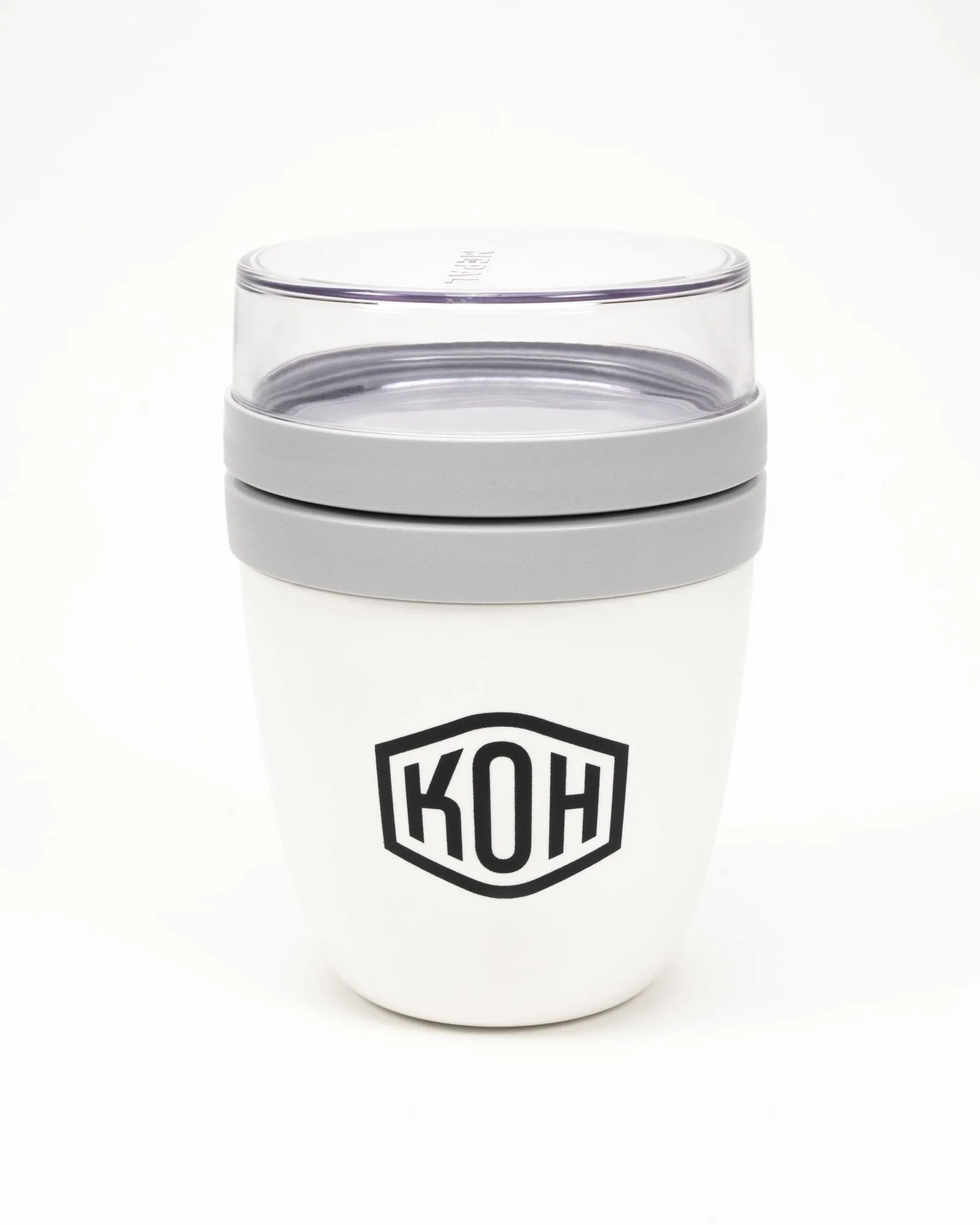
From a safety perspective, glass is non-reactive and won't leach chemicals into acidic foods like citrus or tomato sauces. Stainless steel is also non-reactive, though low-quality grades may contain nickel that can leach in small amounts. For peace of mind, choose high-quality, food-grade stainless steel (18/8 or 304) or borosilicate glass. Kreatures of Habit offers premium containers like the Kreature Kontainer and Kreature Kontainer - Glass, designed with safety and sustainability in mind.
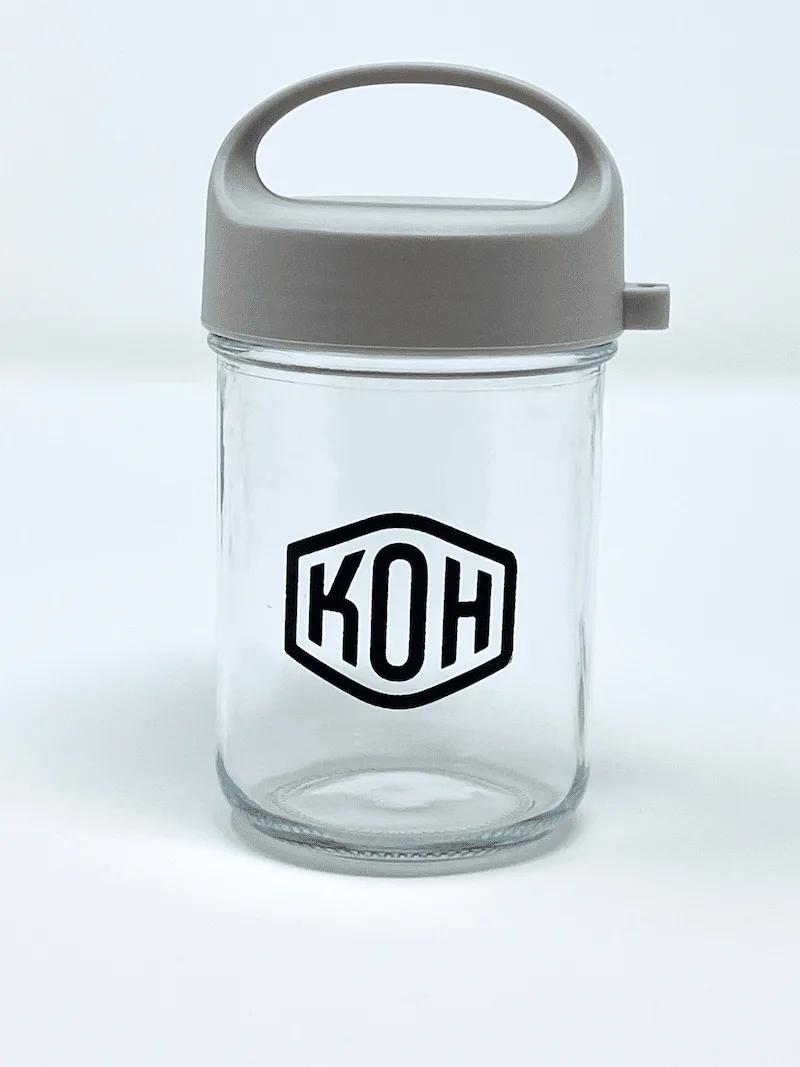
Kreature Kontainer - Glass
- Glass is non-reactive and safe for all food types, including acidic dishes.
- Stainless steel is durable but choose food-grade options to avoid metal leaching.
Practical Tips for Choosing Your Container
Your choice ultimately depends on your lifestyle and meal prep habits. If you prep large batches of soups, stews, or overnight oats, glass containers with airtight lids are ideal. They allow you to see portion sizes and reheat easily. For those who need lightweight, portable storage for dry ingredients or cold lunches, stainless steel is a smart pick.
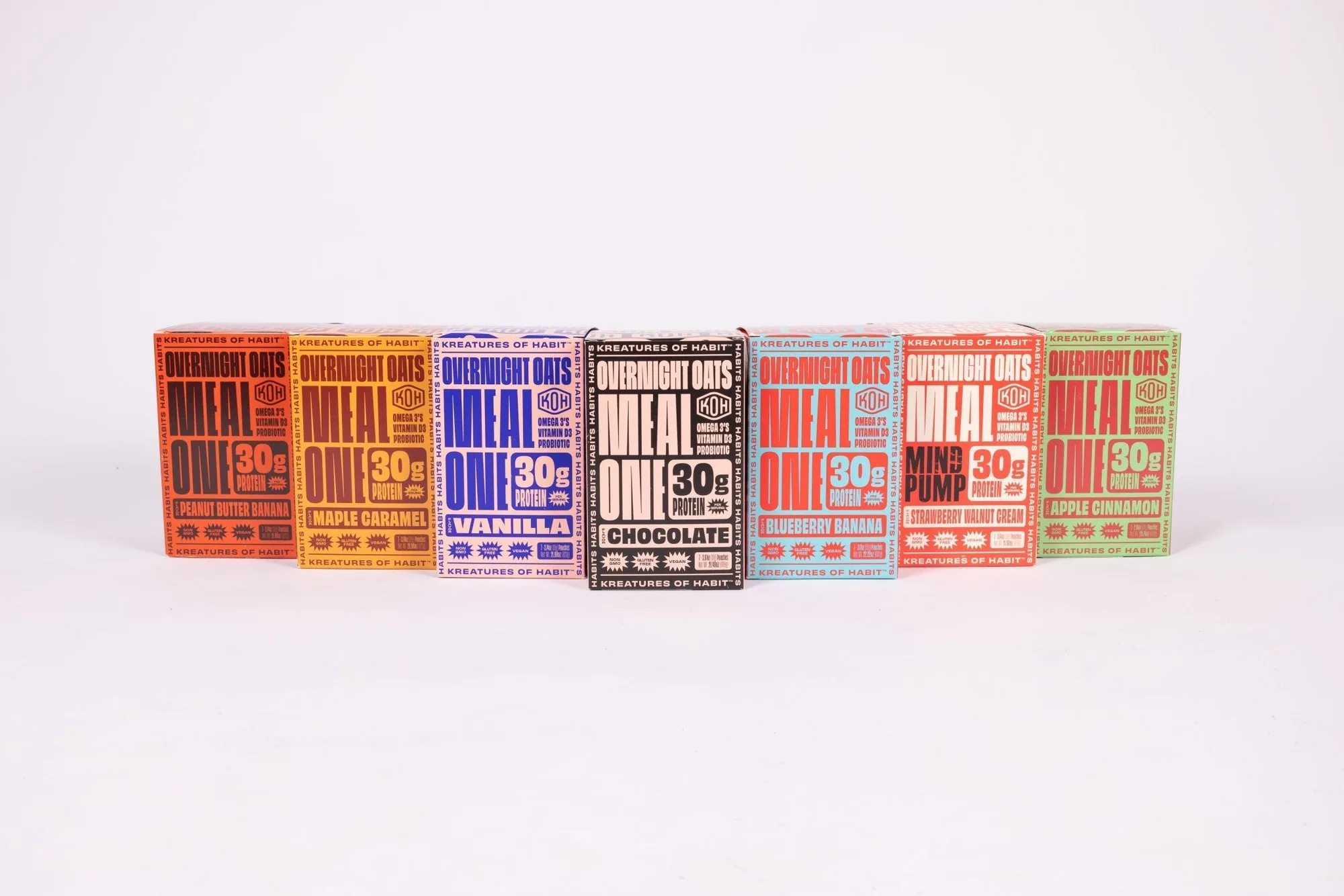
Consider mixing both materials: use glass for home storage and stainless steel for travel. This hybrid approach maximizes freshness and convenience. For example, store your Meal One High Protein Overnight Oats in a glass container for easy morning reheating, and pack a stainless steel container with nuts or fruit for a snack on the go. Kreatures of Habit also offers subscription services like Meal One: 2-Box Subscription to keep your pantry stocked with nutritious options.
- Use glass for wet, reheated meals; stainless steel for dry, cold meals.
- Combine both materials for a versatile, eco-friendly meal prep system.
Choosing between glass and stainless steel meal prep containers comes down to your priorities: glass offers transparency, heat resistance, and chemical safety, while stainless steel provides durability, lightweight portability, and excellent cold retention. For the best of both worlds, invest in high-quality options like the Kreature Kontainer or Kreature Kontainer - Glass from Kreatures of Habit. Start your eco-friendly meal prep journey today—explore our container collection to find the perfect fit for your healthy habits.