Quick answer
Most everyday glassware and lead-safe crystal can go in the dishwasher on a gentle cycle, but hand washing is safer for delicate stems, gold rims, and anything you want to keep scratch-free. Chips cannot be repaired at home—retire chipped glasses to avoid cuts. Hard water film is a mineral deposit, not etching, and usually lifts with a vinegar soak followed by a rinse.
Glassware care questions tend to come up at the same moments: after a dinner party when the sink is full, when a favorite glass develops a cloudy haze, or when you notice a small chip on the rim. The answers below cover the practical decisions—what can go in the dishwasher, how to hand wash without leaving streaks, how to deal with hard water film, and how to store glasses so they last.
The guidance is based on standard materials and finishes. Always check the specific care instructions that came with your glasses, since coatings, metallic rims, and very thin stems can have different limits.
Are wine glasses dishwasher safe?

wine glasses
It depends on the glass. Many modern wine glasses made from ion-toughened crystal are designed to be durable enough for a dishwasher, but the heat, detergent, and jostling can still dull the surface over time or weaken the stem. If your glasses are lead-safe crystal and the manufacturer allows it, use a gentle or crystal cycle, a low-temperature dry setting, and a detergent without abrasive particles. Skip the heated dry if you can—air drying is kinder to the bowl and rim.
Hand washing is the safer choice for very thin stems, hand-blown glasses, and any glass with a metallic rim or painted decoration. If you are unsure, treat the glass as hand-wash only. That single decision prevents most cloudiness, scratches, and stem breaks.
- Use a gentle cycle and skip heated dry for any glass you do put in the dishwasher.
- Load glasses so they do not touch each other or the dishwasher rack tines.
- Never put a chipped or cracked glass in the dishwasher—it can shatter mid-cycle.
How do I hand wash glasses without streaks or scratches?
Start with a clean sink. If there are food particles or grit, rinse the sink first—otherwise you are grinding debris into the glass. Use warm water, a small amount of mild dish soap, and a soft sponge or a dedicated bottle brush. Hold the glass by the bowl, not the stem, and support the base with your other hand. Wash the inside with the sponge, then the rim, then the outside. Rinse with warm water, not hot, to avoid thermal shock.
For stemware, wash one glass at a time and place it upside down on a clean towel or drying rack. If you dry with a cloth, use a lint-free microfiber towel and hold the bowl—never twist the stem, which is the weakest point. A final rinse in warm water with a splash of white vinegar can help prevent water spots if your tap water is hard.
- Wash the inside first, then the rim, then the outside to avoid transferring oils.
- Use a microfiber cloth and hold the bowl, not the stem, when drying.
- Let glasses air dry upside down on a clean towel or rack.
How do I remove hard water film from glassware?
Hard water leaves a mineral film that looks like a cloudy haze. It is a deposit on the surface, not etching, so it can usually be removed. Soak the glasses in a mixture of equal parts white vinegar and water for 15 to 30 minutes. For stubborn spots, add a tablespoon of citric acid powder per quart of warm water and soak a little longer. Then wash as usual with mild soap and rinse thoroughly.
If the film persists after a vinegar soak, it may be etching—permanent damage from repeated dishwasher cycles with high heat and harsh detergent. Etching cannot be reversed. To prevent it, use a rinse aid, reduce detergent amount, and hand wash when possible. A water softener or filtered water for the final rinse also helps.
- Soak in equal parts white vinegar and water for 15–30 minutes.
- For tough film, use citric acid powder in warm water.
- If film remains after soaking, it is likely etching and cannot be repaired.
Can I repair a chipped glass?
No. A chip is a break in the glass, and home repair methods like glues or resins are not food-safe and will not restore the strength of the rim. A chipped rim can cut your lip or hand, and the chip can grow with normal use. The safe choice is to retire the glass from drinking duty. You can repurpose it as a small vase, a candle holder, or a storage container for cotton swabs, but do not drink from it.
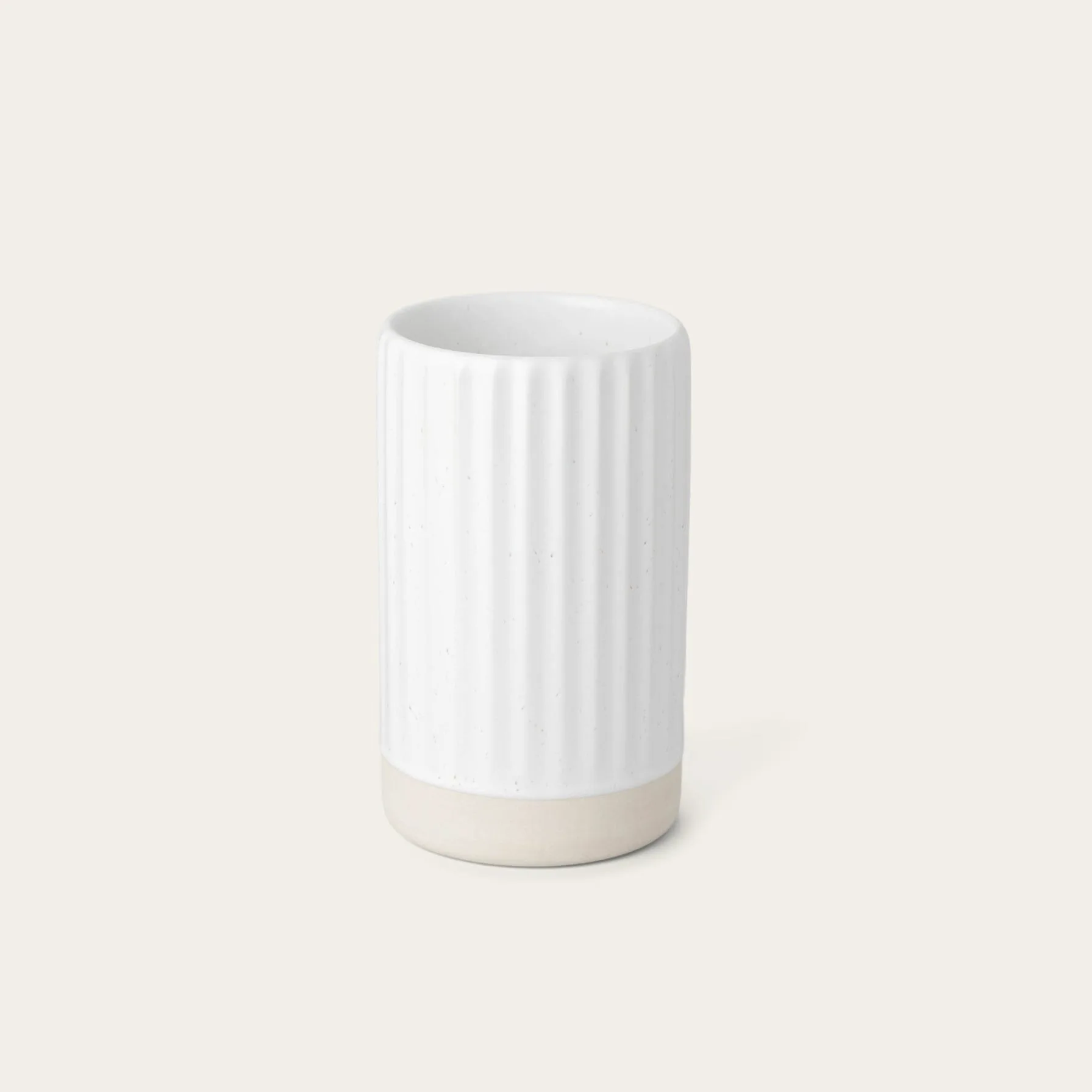
vase
If the chip is on the base and the rim is intact, you might use it for non-drinking purposes, but inspect it carefully for cracks that could spread. When in doubt, recycle it.
- Do not use glue or resin to repair a chipped drinking glass—it is not food-safe.
- Retire chipped glasses from drinking use to avoid cuts.
- Repurpose intact but chipped glasses as vases or organizers.
How should I store glassware to prevent chips and cracks?
Store glasses upright if they are stackable, or upside down on a shelf if they are not. Upside-down storage keeps dust out but can trap moisture if the glass is not fully dry. Make sure glasses are completely dry before storing. Avoid stacking glasses inside each other unless they are designed to nest—forcing them can crack the rim or the bowl. If you must stack, place a soft cloth or paper napkin between each glass.
For stemware, use a rack or shelf with enough height so the rim does not touch the shelf above. Keep glasses away from the edge of the shelf and from heavy items that could fall. If you have limited space, a stemware rack under a cabinet or a padded storage box works well. The goal is to prevent any glass-to-glass contact.
- Store glasses completely dry to prevent moisture and odors.
- Do not stack non-nesting glasses without a soft barrier between them.
- Keep stemware away from shelf edges and heavy items.
Do ion-toughened or lead-safe glasses need different care?
Ion-toughening is a strengthening process that makes glass more scratch-resistant and durable, but it does not make the glass unbreakable. You can still chip or crack it with a hard knock. Lead-safe crystal is formulated without lead, so it is safe for everyday use and for storing drinks. Both types benefit from the same basic care: gentle washing, no extreme temperature changes, and careful storage.
Some ion-toughened glasses are dishwasher safe, but repeated dishwasher cycles can still wear down the surface over years. Hand washing is the most reliable way to keep them clear. If you do use a dishwasher, follow the manufacturer's guidance for cycle and detergent.
- Ion-toughening adds durability but does not make glass unbreakable.
- Lead-safe crystal is safe for everyday use and storage.
- Hand washing is the safest way to maintain clarity and strength.
Glassware care quick reference
Dishwasher decision
Check the manufacturer's instructions. If allowed, use a gentle cycle, no heated dry, and a mild detergent. Hand wash delicate stems and metallic rims. When in doubt, hand wash.
Hard water film
Soak in equal parts white vinegar and water for 15–30 minutes, then wash and rinse. If film remains, it is etching and cannot be removed. Prevent etching with rinse aid and less detergent.
Chip repair
Do not glue or resin a chipped drinking glass. Retire it from drinking use and repurpose or recycle. Safety first—chips cannot be fixed.
Storage
Store glasses dry. Stack only if designed to nest, and use a soft barrier between non-nesting glasses. Keep stemware away from edges. Prevent contact to prevent chips.
Glassware built for real-life care
- https://fablezq.com/products/the-pinot-noir-glasses-acd90d137c2ef8cf8dd5387d-2580618Pinot Noir Glasses Pro: Made from premium crystal with a refined pulled stem, each wine glass is ion-toughened for superior strength, making it scratch-resistant and twice as durable. Ion-toughening helps these glasses resist scratches from washing and stacking, but they still need gentle handling to protect the stem and bowl.
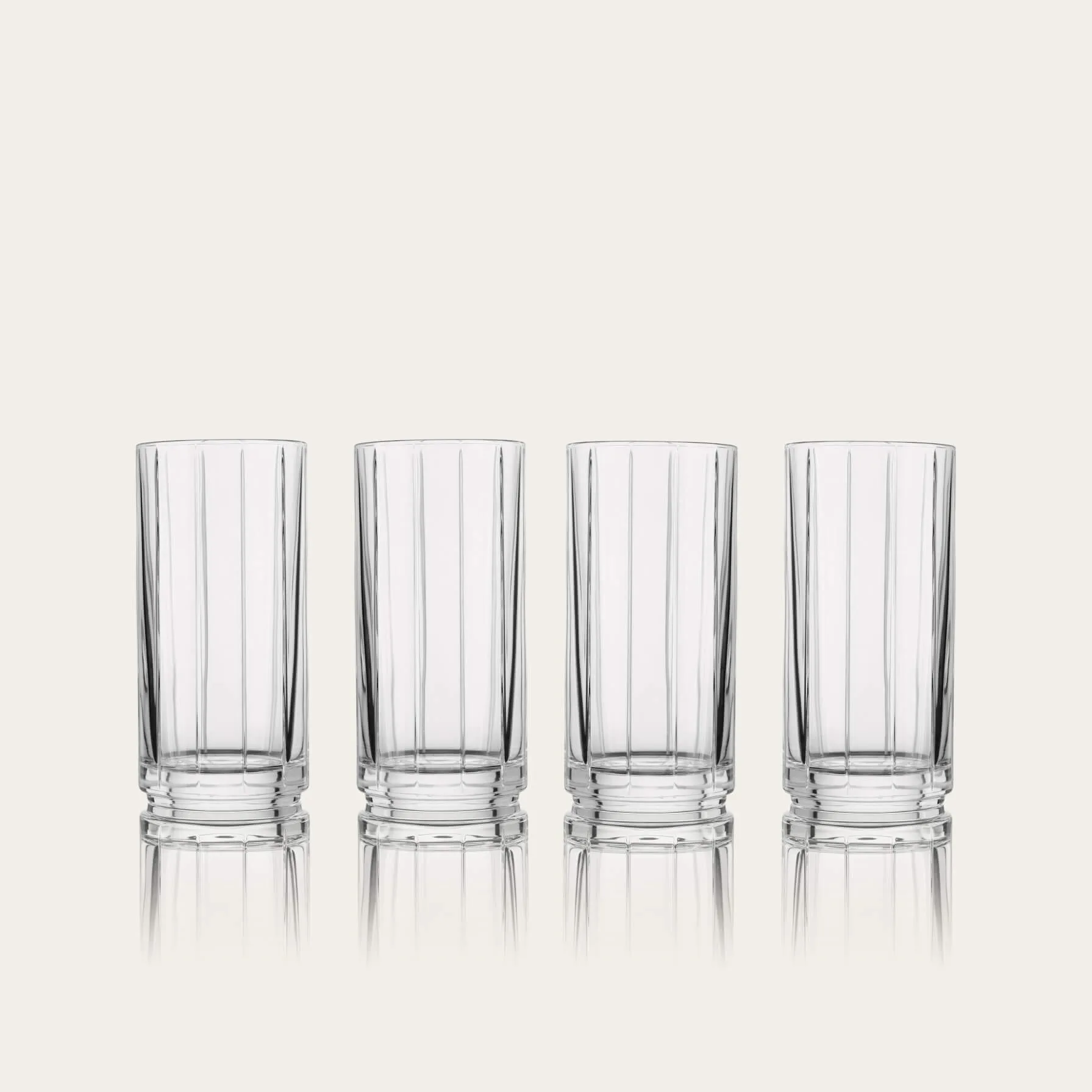
- Highball Glasses Pro: Scratch resistant, lead-safe, and long lasting. Crafted in Germany using an ion-toughening technique for durability. Comes in a set of 4. Stackable. Because they are stackable, you can store them without a barrier—but make sure they are completely dry before stacking to avoid moisture and cloudiness.
- Glassware Set Pro: Scratch resistant, lead-safe, and long lasting. Crafted in Japan using an ion-toughening technique for durability. The Tall Glasses nest neatly into the Short Glasses for easy storage. Comes in a set of 4 Tall Glasses and 4 Short Glasses. Nesting saves cabinet space, but always dry the glasses fully before nesting to prevent hard water spots and odors.
Good glassware care comes down to a few consistent habits: gentle washing, thorough drying, and careful storage. Answer the dishwasher question honestly for each glass, treat hard water film early, and never drink from a chipped rim. Those steps keep your glasses clear, safe, and ready for the next toast.