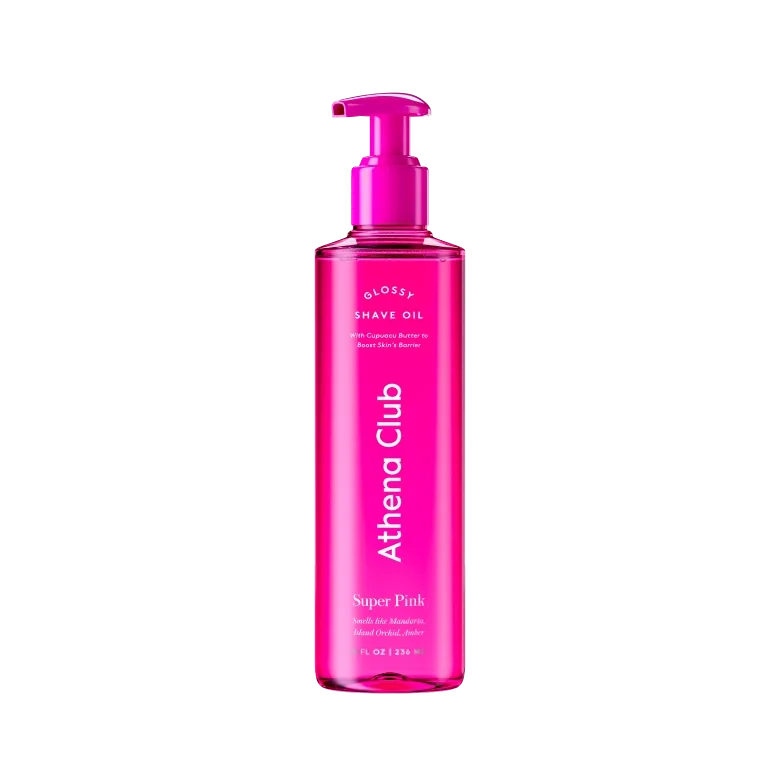
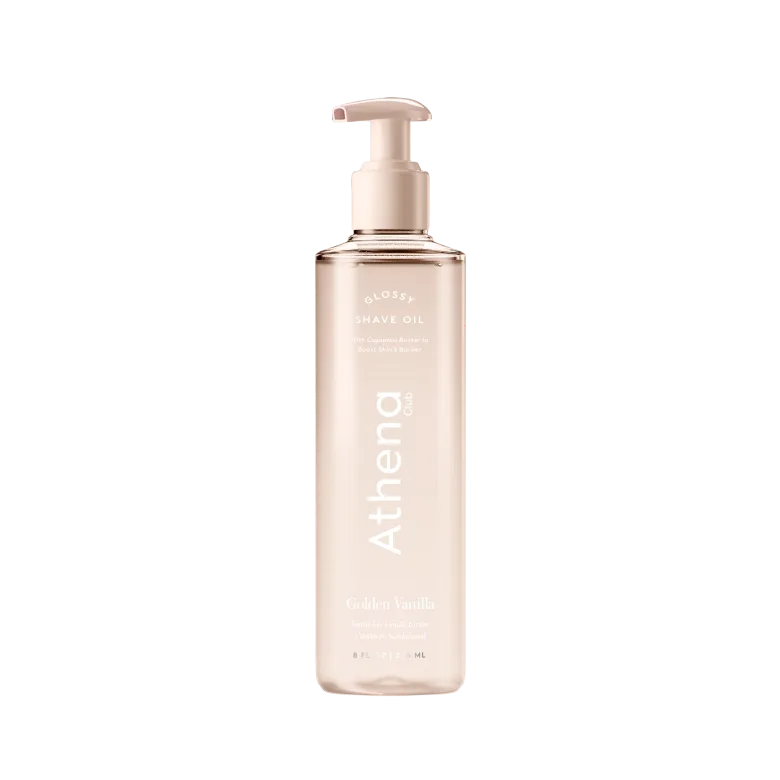
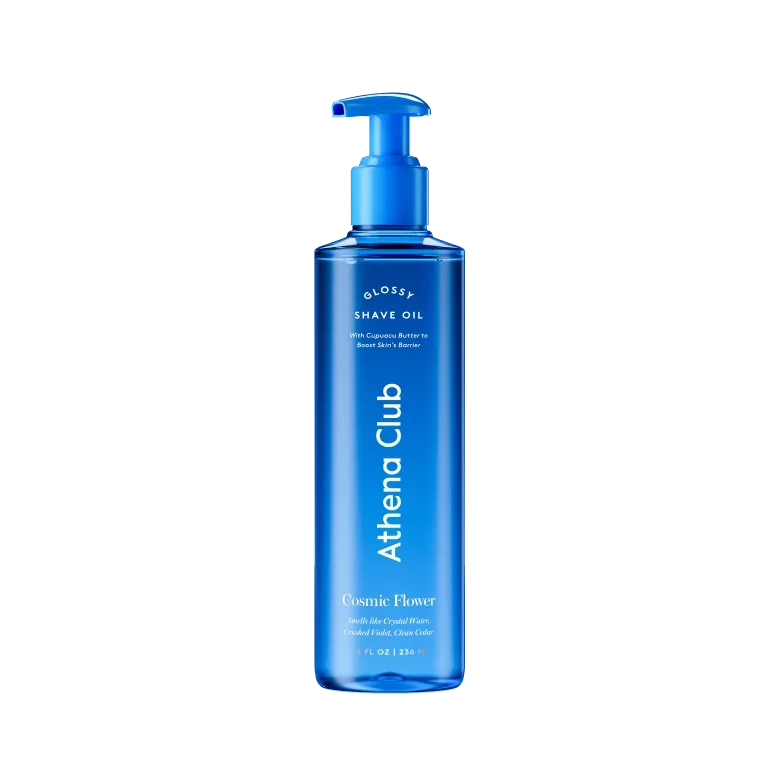
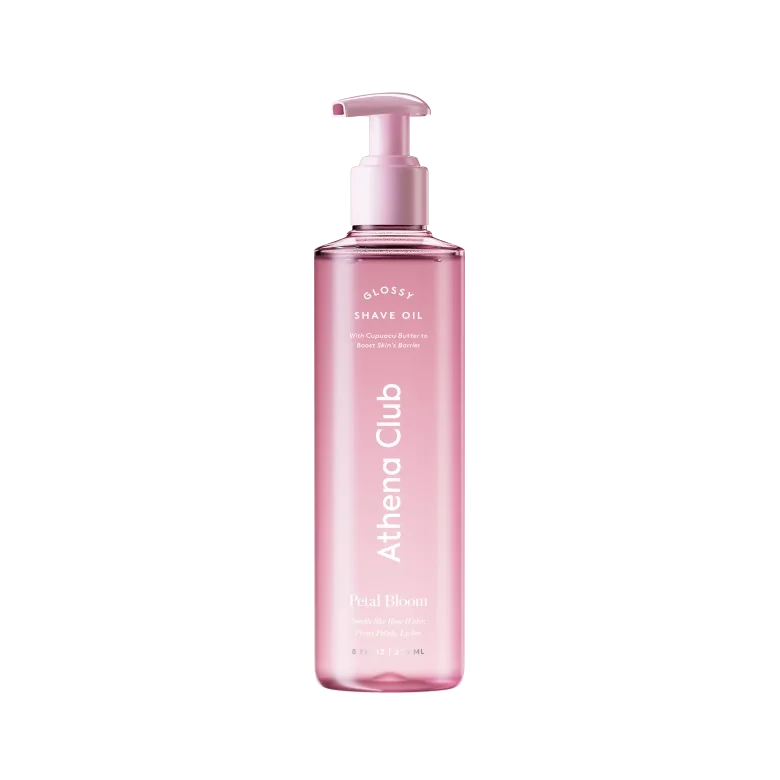
When it comes to shaving, the product you choose can make or break your experience. Two popular options are https://athenaclubhfr.com/products/glossy-shave-oil-101427https://athenaclubhfr.com/products/glossy-shave-oil-101428https://athenaclubhfr.com/products/glossy-shave-oil-101430glossy shave oil and traditional shave foam. Each has its own set of benefits and drawbacks, and the right choice depends on your skin type, hair texture, and personal preferences.
In this comparison, we'll break down how shave oil vs foam work, what makes each effective, and how to decide which one belongs in your shaving routine. Whether you're after a closer shave or less irritation, understanding these differences will help you make a smarter choice.
How Shave Oil Works for a Smoother Shave
Shave oil, especially a glossy shave oil, creates a thin, transparent layer on your skin that allows the razor to glide effortlessly. Because it's oil-based, it moisturizes while you shave, reducing friction and the risk of nicks and razor burn. This makes it a great option for people with dry or sensitive skin who need extra hydration during the process.
One of the biggest advantages of shave oil is that it lets you see exactly where you're shaving. Unlike foam, which can obscure your skin, oil gives you full visibility—useful for shaping delicate areas like eyebrows or bikini lines. However, shave oil can be less forgiving if you apply too little, and it may require a bit more care when rinsing your razor to prevent buildup.
- Apply a few drops to damp skin and spread evenly—less is more.
- Rinse your blade frequently to avoid oil residue clogging the razor.
Traditional Shave Foam: The Classic Cushion
Shave foam has been a staple in bathrooms for decades. It works by creating a thick, foamy lather that lifts hair away from the skin and provides a cushion between the blade and your face or body. This cushioning effect can help reduce irritation, especially for people with coarse or curly hair that tends to get caught on the blade.
Foam is easy to apply and widely available, but it often contains ingredients like alcohol or artificial fragrances that can dry out the skin. If you're prone to redness or breakouts, traditional foam might aggravate those issues. It also blocks your view of the skin, which can make precision shaving trickier. For many, the tradeoff is a familiar, foolproof experience that works well with standard razors.
- Look for foams labeled 'sensitive skin' or 'fragrance-free' to minimize irritation.
- Always wet your skin thoroughly before applying foam to help it spread evenly.
Shave Oil vs Foam: Key Differences at a Glance
The main difference between shave oil and foam comes down to how they interact with your skin and razor. Shave oil offers a closer, more lubricated shave with less product waste, while foam provides a thicker barrier that can be more forgiving for beginners. Shave oil is ideal for those who want a smooth shave with fewer passes, but it requires a bit more technique to avoid razor clogging.
When comparing shaving oil benefits vs shave foam alternatives, consider your skin type. Oily or acne-prone skin might prefer foam to avoid adding extra oil, while dry or sensitive skin often responds better to the moisturizing properties of oil. For the best shave product, some people even layer both—starting with oil for glide and finishing with foam for cushion—though this can be overkill for most routines.
- Shave oil: best for precision, dry skin, and a close shave.
- Shave foam: best for coarse hair, beginners, and those who prefer a traditional feel.
How to Incorporate Shave Oil into Your Routine
If you're ready to try shave oil, start by wetting your skin with warm water to open pores and soften hair. Apply a few drops of glossy shave oil directly to the area—no need for a brush or bowl. Shave in the direction of hair growth for the first pass, then reapply oil for a second pass if needed. Rinse your razor often to keep it gliding smoothly.
After shaving, follow up with a gentle moisturizer like Skin Perfecting Body Lotion to lock in hydration. Shave oil alone may not provide enough post-shave care for some skin types, so layering with a lotion can prevent dryness. For a complete shaving routine, consider pairing shave oil with a high-quality razor and blade refills to maximize comfort and results.
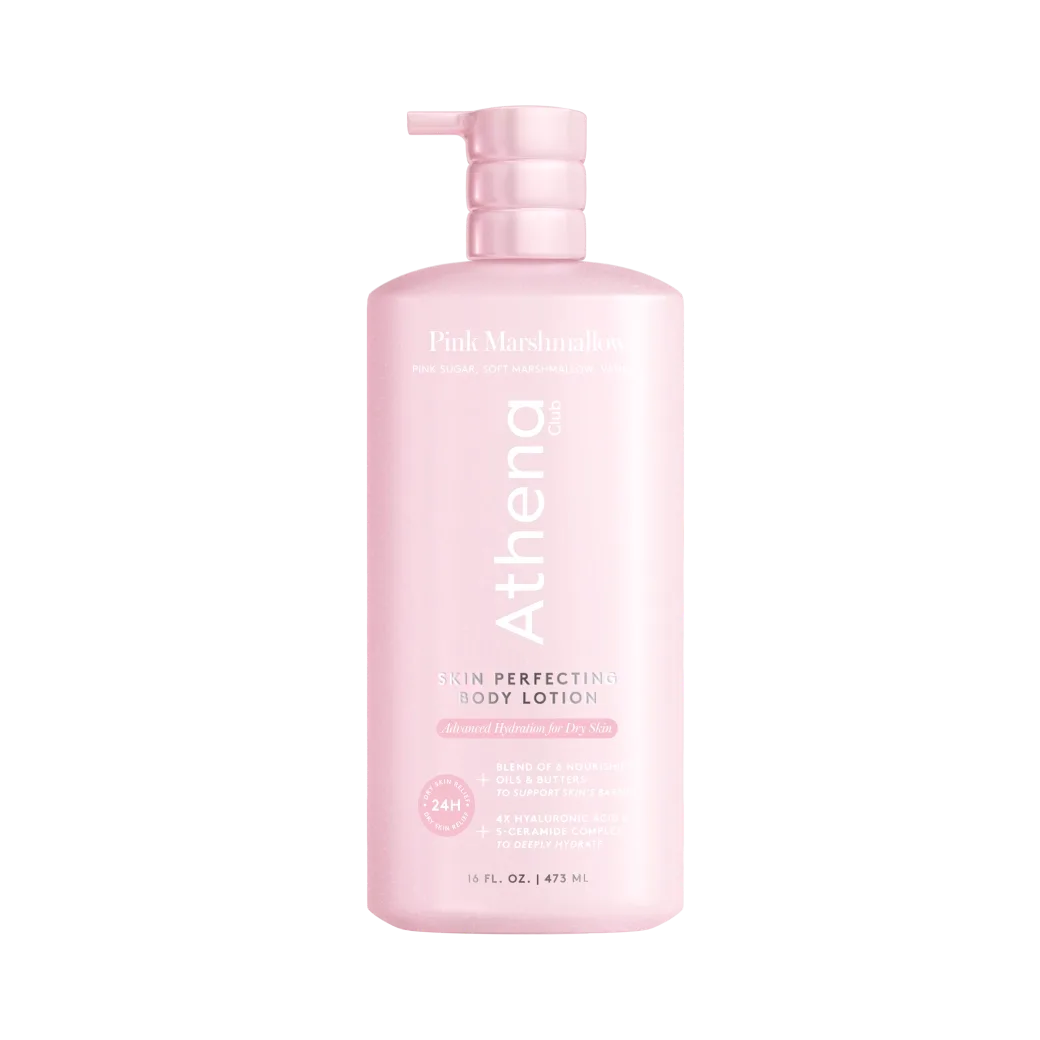
Skin Perfecting Body Lotion
- Store shave oil in a cool, dry place to maintain its consistency.
- If you experience irritation, try using less oil or switching to a fragrance-free option.
Choosing the Best Shave Product for You
There's no one-size-fits-all answer in the shave oil vs foam debate. The best shave product depends on your priorities: if you value a close, smooth shave with minimal irritation, shave oil is a strong contender. If you prefer a familiar, cushioned experience that's easy to apply, traditional foam might be your go-to.
For those with sensitive skin or a desire for a more sustainable routine, shave oil often wins out because you use less product per shave and can avoid aerosol cans. On the other hand, if you have very coarse hair or shave large areas like legs, foam's thicker lather might feel more comfortable. Try both methods to see which one your skin responds to best—your shaving routine will thank you.
Ultimately, both glossy shave oil and traditional shave foam have their place in a well-rounded shaving routine. Shave oil offers a closer, more moisturizing shave with better visibility, while foam provides a classic cushion that's easy to use. Consider your skin type, hair texture, and personal preferences to choose the option that gives you the smoothest, most comfortable shave every time.