Quick answer
A glow-in-the-dark planter made from terracotta, like the Witches Altar Planter, can last just as long as a regular ceramic pot if kept indoors and handled gently. Terracotta is porous and can crack in freezing temperatures, while glazed ceramic resists moisture better. For long-lasting indoor use with small plants like succulents, either option works fine.
Material differences and daily wear
The Witches Altar Planter is made from terracotta, a classic material that has been used for centuries. Terracotta is porous, which helps prevent overwatering by allowing excess moisture to evaporate through the walls. However, it can be brittle and may chip or crack if dropped or exposed to sudden temperature changes. Regular ceramic planters are often glazed, making them non-porous and more resistant to moisture damage, but they can still break on impact.
For indoor use with small plants like succulents or herbs, both materials hold up well. The key difference is that terracotta requires a bit more care when moving or cleaning, while glazed ceramic is more forgiving of occasional bumps. Neither is indestructible, so handling with care is important for longevity.
Glow-in-the-dark feature and durability
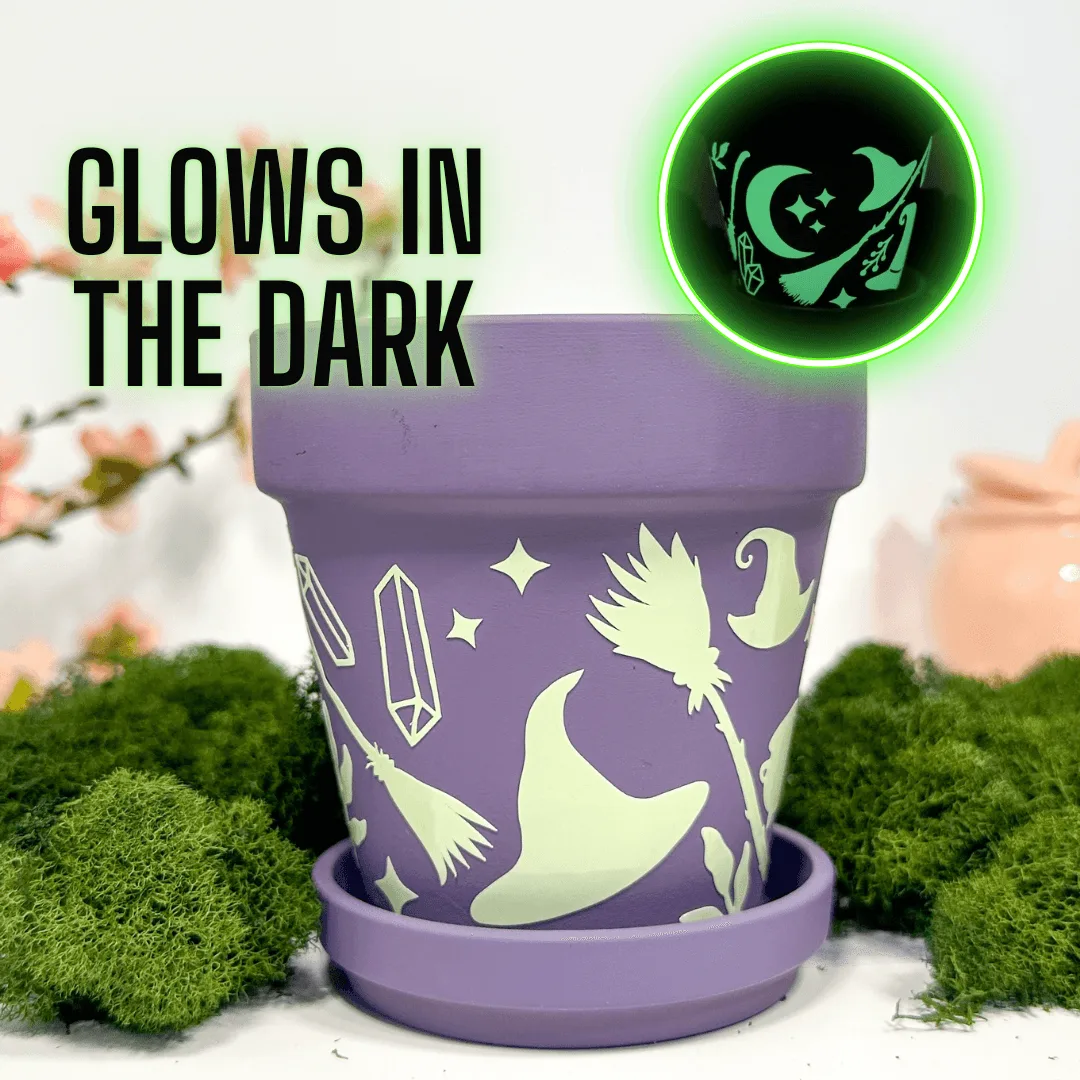
The glow-in-the-dark effect on the Witches Altar Planter is part of the paint or glaze applied to the terracotta. Over time, this finish may fade or wear off with frequent handling or exposure to direct sunlight. To preserve the glow, keep the planter out of harsh UV light and avoid scrubbing the surface with abrasive cleaners. A gentle wipe with a damp cloth is enough to keep it looking magical.
Regular planters without special finishes don't have this concern, so they may maintain their appearance longer with less maintenance. If you want the glow effect to last, treat the planter as a decorative piece rather than something you move around often.
Trade-offs to consider
- Terracotta vs glazed ceramic: Terracotta is porous and breathable, great for preventing overwatering, but it can crack in cold weather. Glazed ceramic is non-porous and more moisture-resistant, but may hold water longer and risk root rot if drainage is poor. Choose terracotta if you tend to overwater; choose glazed if you want a more durable surface.
- Glow finish longevity: The glow-in-the-dark paint adds a fun aesthetic, but it may fade over time with direct sun or abrasive cleaning. Regular planters keep their look longer with less care. If you want the glow to last, keep the planter out of direct sunlight and clean gently.
- Indoor vs outdoor use: Terracotta is best for indoor or sheltered outdoor spaces. Freezing temperatures can cause it to crack. Glazed ceramic is more frost-resistant if it's fully glazed. For outdoor use in cold climates, a glazed ceramic planter is the safer bet.
Product facts at a glance
- Witches Altar Planter (glow in the dark): Terracotta pot for indoor use; glow-in-the-dark purple finish with besoms, witch hats, stars and moon details. The terracotta material is breathable and helps prevent root rot, but the decorative glow finish may require gentle care to avoid chipping or fading.
- Shiba Crime Team Comfy Sweatshirt: Unisex heavy blend hooded sweatshirt; thick cotton-polyester blend; no side seams; kangaroo pocket. While not a planter, this sweatshirt offers cozy warmth and durability for lounging or gardening days. The thick fabric holds up to repeated washing.
Which planter fits your needs?
Best for
- Indoor herb or succulent growers who want a decorative, breathable pot with a fun glow effect
- Cottagecore or witchy decor enthusiasts who value unique aesthetics over maximum durability
Not for
- Outdoor use in freezing climates where terracotta may crack
- People who prefer low-maintenance planters that don't require special cleaning or UV protection