Quick Answer
Glucose oxidase stands apart from typical digestive enzymes like lactase because it targets glucose metabolism and pathogen defense, not food digestion. Choose glucose oxidase if you want support for blood sugar balance and immune function; choose lactase or other digestive enzymes if your main concern is breaking down specific foods.
What Makes Glucose Oxidase Different
Most enzyme supplements you see are digestive enzymes—they help break down proteins, fats, and carbohydrates in your gut. Glucose oxidase, also called notatin, works differently. It converts glucose into hydrogen peroxide and gluconic acid, compounds the body uses to fight pathogens and produce energy at the cellular level.
That means glucose oxidase isn't a digestive enzyme in the traditional sense. It's more of a metabolic and immune-support enzyme. If you're comparing it to lactase or protease, you're comparing two different jobs.
Glucose Oxidase vs. Lactase: The Trade-Off
Lactase helps people who are lactose intolerant digest dairy by breaking down lactose into simpler sugars. It works in the digestive tract and has little effect beyond that. Glucose oxidase, on the other hand, doesn't help with dairy at all. Its role is systemic: it supports glucose metabolism and produces antimicrobial compounds.
The trade-off is clear: if you need help digesting dairy, lactase is the right tool. If you're looking for enzyme support that goes beyond digestion—targeting glucose balance and immune response—glucose oxidase is the more relevant choice.
Glucose Oxidase vs. Other Digestive Enzyme Blends
Digestive enzyme blends typically include amylase, protease, and lipase to cover carbs, proteins, and fats. These are useful for occasional bloating or heavy meals. But they don't influence glucose metabolism or pathogen defense.
Glucose oxidase offers a different benefit. By converting glucose into hydrogen peroxide and gluconic acid, it supports the body's natural defense mechanisms and energy production. If your goal is digestive comfort, a blend is fine. If you want enzyme support for glucose control and immune function, glucose oxidase is the specific option.
How to Choose: Trade-Offs at a Glance
- Glucose Oxidase: Best for supporting glucose metabolism, energy production, and pathogen defense. Does not help digest food directly. If you want enzyme support for blood sugar and immunity, choose this.
- Lactase: Best for lactose intolerance and dairy digestion. Only works on lactose, not on glucose metabolism. If dairy is your issue, lactase is the specific enzyme.
- Digestive Enzyme Blends: Best for occasional bloating or heavy meals by breaking down proteins, fats, and carbs. No effect on glucose or pathogens. If you need general digestive support, a blend is the practical choice.
Product Facts
-
Glucose Oxidase - Loyalty Rewards: Glucose Oxidase (also called notatin) is an enzyme that converts glucose into hydrogen peroxide and gluconic acid – compounds the body uses to fight pathogens and produce energy at the cellular level. This supplement combines the enzyme with Raw Honey and Raw Bee Pollen, both high-quality sources of Glucose Oxidase. This combination offers a potent glucose control supplement that supports both metabolic and immune functions, making it a targeted choice beyond typical digestive enzymes.
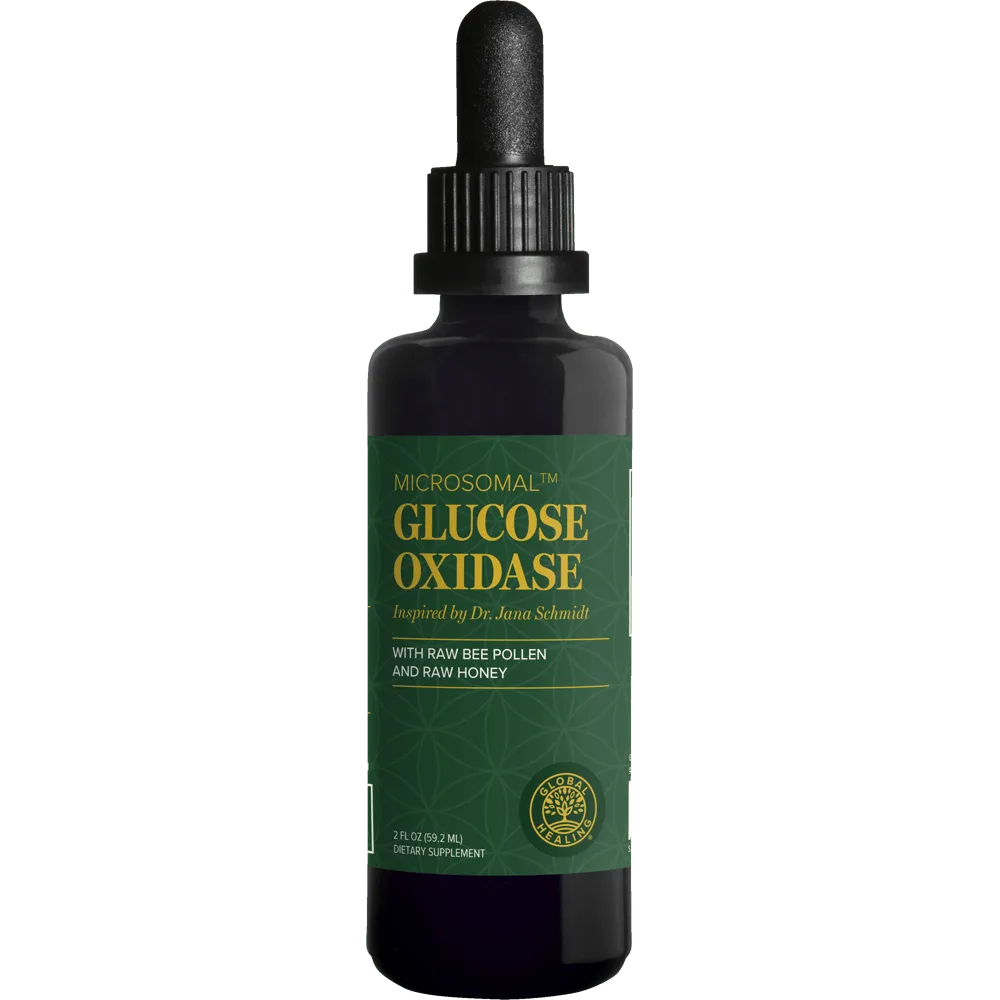
Glucose Oxidase - Loyalty Rewards
Who Should Choose What
Best for
- People looking for enzyme support beyond digestion, specifically for glucose balance and immune function.
- Those who want a supplement that combines glucose oxidase with raw honey and bee pollen for a natural approach.
Not for
- People with lactose intolerance who need help digesting dairy—lactase is the appropriate enzyme.
- Those seeking general digestive enzyme support for heavy meals—a digestive enzyme blend would be more suitable.