Quick answer
Most gluten-free gravy problems come from adding the mix to hot liquid all at once or guessing the water amount. Whisk the mix into cold water first, add it to gently simmering drippings, and stir constantly until the gravy thickens.
Why gluten-free gravy behaves differently
Gluten-free gravy mixes rely on starches rather than wheat flour, so they can clump the moment they hit hot liquid and can thin out if boiled hard. Treat the mix as a slurry, not a dry sprinkle, and keep the heat moderate.
The package directions are your baseline. Adding extra liquid to stretch the gravy or extra mix to hurry thickening changes the final consistency, so adjust in small amounts and give the gravy a minute to catch up before adding more.
When the problem is the drippings, not the mix
Very fatty pan drippings can make gravy taste greasy and feel slippery, while drippings with burnt bits can turn the whole batch bitter. Skim excess fat and leave the browned flavor behind, or start with a measured amount of broth and add drippings to taste.
If you are making turkey gravy gluten-free for a holiday meal, keep the gravy separate from flour-thickened stuffing and use clean utensils. Cross-contact at the table undoes the care you took in the pan.
Diagnose your gravy problem
- Symptom: dry lumps that won't whisk out: Likely cause: the mix was added dry to hot liquid. Corrective action: whisk the mix into cold water in a separate cup until smooth, then pour it into the simmering pan in a thin stream while whisking. If lumps remain after two minutes, strain the gravy through a fine-mesh sieve and return it to low heat. Stop whisking and strain if lumps persist; more stirring will not dissolve them.
- Symptom: gravy stays watery after simmering: Likely cause: too much liquid for the amount of mix, or the pan never reached a simmer. Corrective action: bring the gravy to a gentle simmer and stir for one to two minutes. If it is still thin, whisk a small additional amount of mix into cold water and stir it in, then simmer again. Add thickener in small increments; starch needs heat and a minute to fully thicken.
- Symptom: gravy turns gluey or too thick: Likely cause: the gravy was boiled hard or sat too long over high heat. Corrective action: lower the heat and whisk in a splash of broth or water until it loosens. Serve promptly rather than holding it at a rolling boil. If the texture stays pasty after thinning, start a fresh batch rather than serving it.
- Symptom: gravy tastes greasy or bitter: Likely cause: excess fat or scorched drippings. Corrective action: skim the fat, discard burnt bits, and rebuild the gravy with clean broth plus a spoonful of the good drippings. Taste before adding salt, since drippings are already seasoned. If the burnt flavor remains after rebuilding, choose broth-based gravy instead of the pan drippings.
Product facts
-
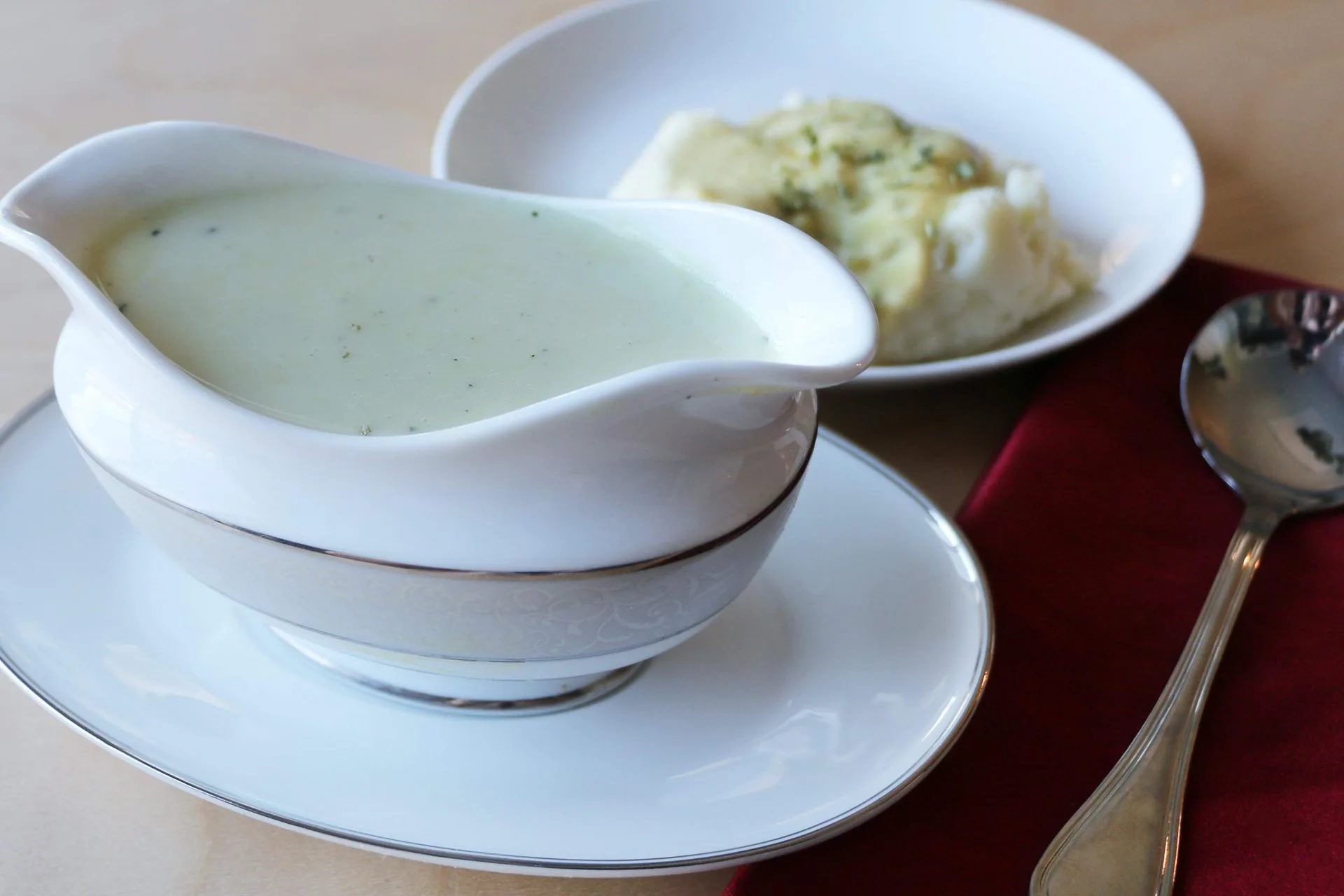
Gluten-Free Chicken or Turkey Gravy Mix (WS): Mom's Place Gluten-Free Chicken or Turkey Gravy Mix is manufactured on dedicated gluten-free and nut-free equipment in Utah, USA. That dedicated line matters when you are cooking for a gluten-free or nut-free household and want one less label to second-guess.
Gluten-Free Chicken or Turkey Gravy Mix (WS)