Quick answer
Cook gluten-free IsiBisi spaghetti in boiling salted water for 8–10 minutes, testing at 8 minutes for al dente. Pair it with light tomato sauces, olive oil and garlic, or creamy sauces that cling well to gluten-free pasta.
Why gluten-free pasta needs a different approach
Gluten-free pasta lacks the gluten network that gives traditional pasta its elasticity, so it can turn mushy if overcooked. IsiBisi spaghetti is made in a dedicated gluten-free facility in Italy, so you can trust its consistency, but you still need to watch the clock closely. Unlike wheat pasta, which has a wider window of doneness, gluten-free pasta can go from al dente to soft in under a minute. Always set a timer and start testing early.
Sauce pairings that work with IsiBisi spaghetti
Because gluten-free spaghetti has a slightly softer texture, it pairs best with sauces that coat rather than weigh it down. Light tomato sauces, like a simple marinara or fresh cherry tomato and basil, complement the pasta's mild flavor. Olive oil-based sauces with garlic and red pepper flakes let the pasta's texture shine. Creamy sauces, such as Alfredo or a mushroom cream, cling well but should be kept on the thinner side to avoid heaviness. Avoid overly chunky meat sauces that can overpower the delicate strands; if you use them, keep the pieces small.
Step-by-step cooking guide for IsiBisi spaghetti
- Boil water and season: Fill a large pot with water and bring to a rolling boil. Add a generous pinch of salt (about 1 tablespoon per 4 quarts). Use enough water so the pasta has room to move; a common mistake is using too little water, which makes the pasta stick together. Salt the water like you mean it—it's the only chance to season the pasta itself.
- Add pasta and stir immediately: Drop the IsiBisi spaghetti into the boiling water and stir gently for the first 30 seconds to prevent sticking. Set a timer for 8 minutes. Don't rely on the package time alone; gluten-free pasta can vary. Stirring right after adding the pasta is crucial to separate the strands.
- Test early and often: At 8 minutes, fish out a strand and taste it. It should be tender but still have a slight bite (al dente). If it's too firm, cook for another 30 seconds and test again. Avoid overcooking; gluten-free pasta can quickly become mushy. Start testing at 8 minutes—the perfect bite can happen fast.
- Reserve pasta water before draining: Before draining, scoop out about 1/2 cup of the starchy cooking water. This water helps sauces cling to the pasta. Drain the pasta in a colander, but do not rinse it; rinsing removes the starch that helps sauce adhere. Never rinse gluten-free pasta—the starch is your friend for sauce adhesion.
- Toss with sauce and serve immediately: Transfer the drained pasta to a warm bowl or back into the pot, add your sauce, and toss well. If the sauce seems thick, add a splash of the reserved pasta water to loosen it. Serve right away; gluten-free pasta can become gummy if it sits. Reserved pasta water is the secret to a silky, well-coated pasta dish.
Product facts
-
Gluten-Free IsiBisi Spaghetti Pasta - 14 oz: IsiBisi gluten-free spaghetti is made in a dedicated gluten-free facility in Italy. This means you can cook with confidence, knowing there's no risk of cross-contamination, and the Italian heritage suggests a quality pasta that holds up well when cooked properly.
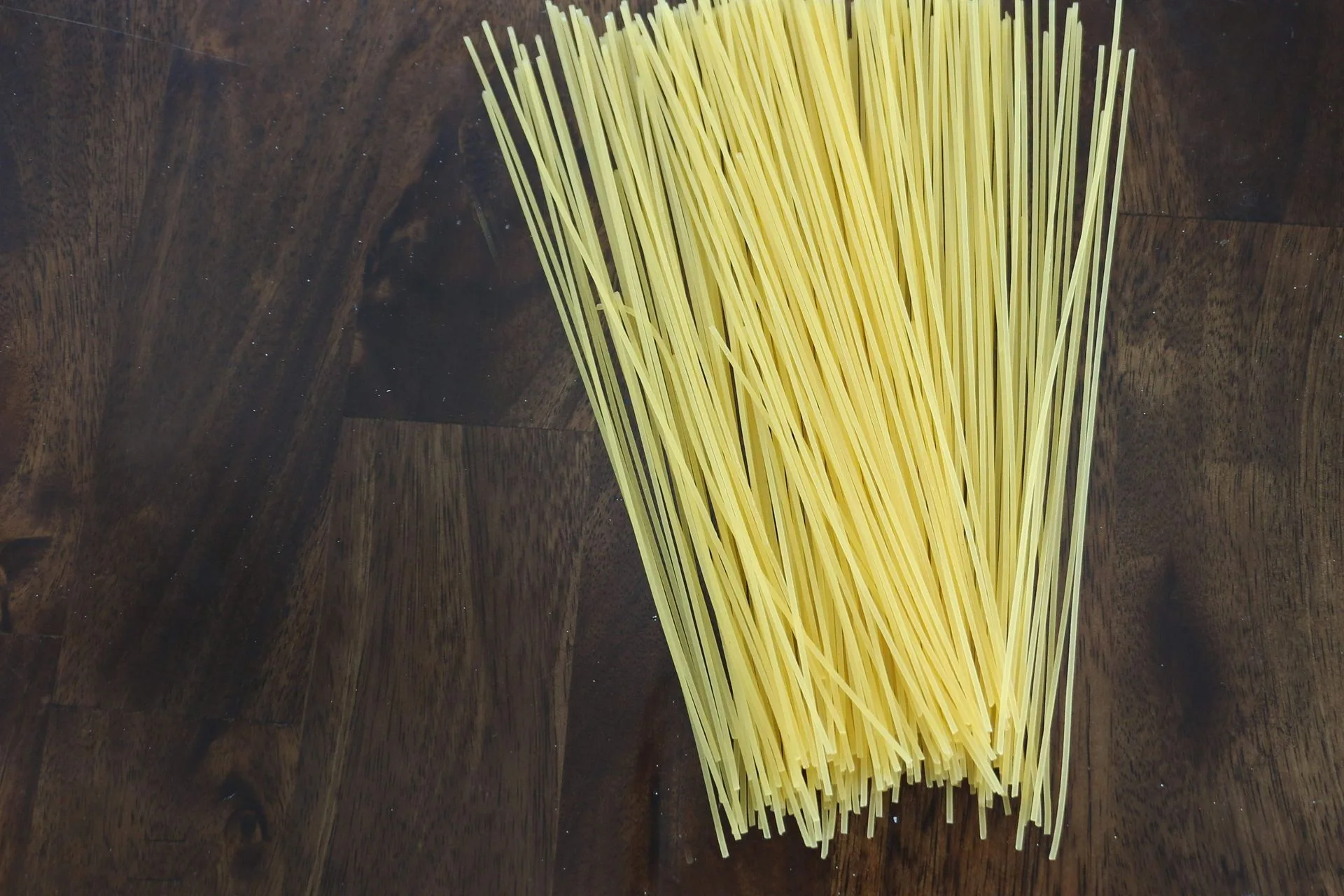
Gluten-Free IsiBisi Spaghetti Pasta - 14 oz