Quick answer
Cook gluten-free vanilla pudding mix by whisking it into cold milk, then heating gently while stirring until it thickens; if it stays thin, keep cooking and whisking rather than adding more mix. Once thickened, chill it fully before serving or using it in pies and cookies.
Why the milk and pan you choose change the result
Pudding thickens because the starch in the mix gelatinizes as it heats. That process depends on steady, gentle heat and constant contact with the milk, so a heavy-bottomed saucepan and a silicone whisk do more for your result than any last-minute fix.
Cold milk straight from the fridge is the safer starting point for most pudding mixes because it gives you time to whisk the powder smooth before the mixture warms. If you add the mix to hot milk, it can clump before you have a chance to break up the lumps.
When a loose pudding is actually fine
Some puddings are meant to be soft-set, especially when they will be layered into a pie or folded with whipped cream. A pudding that coats the back of a spoon but still looks slightly fluid may be exactly right for a banana cream pie or a trifle.
If you are serving it in a bowl and want a firmer set, give it the full chilling time before you decide something went wrong. Pudding firms noticeably as it cools, and judging it while it is still warm can lead you to overcook it.
Common questions about gluten-free vanilla pudding mix
How do I cook gluten-free vanilla pudding mix?
Whisk the mix into cold milk in a heavy-bottomed saucepan until no dry lumps remain. Set the pan over medium heat and stir constantly with a whisk, scraping the bottom and corners, until the mixture thickens and just begins to bubble. Remove it from the heat and pour it into a bowl or serving dishes. Keep the whisk moving the whole time; stopping is what causes scorching and lumps.
Why is my gluten-free pudding not setting?
The usual cause is undercooking. Starch needs enough heat to thicken, so if the pudding is still thin after several minutes of gentle bubbling, keep it over medium heat and stir for another minute or two. Also check that you used the milk quantity the package calls for; too much liquid will keep it loose. Judge the set after chilling, not straight off the stove.
Can I use a milk alternative?
The package directions are the safest guide. If you substitute a plant milk, choose one with a similar fat and protein profile to dairy milk and expect a slightly different set. Do not guess at the ratio; follow the package milk quantity and adjust only after a first batch. Test a small batch before making a pie for guests.
How long does it need to chill?
Pudding firms as it cools, so let it come to room temperature, then refrigerate it until fully cold before serving or layering. Press a piece of plastic wrap onto the surface if you want to prevent a skin from forming. Chill before you decide the texture is wrong.
What can I make with gluten-free vanilla pudding mix besides a bowl of pudding?
Use it as the filling for a gluten-free banana cream pie or coconut cream pie, or fold it into cookies and layered desserts. The mix is also a convenient base for a quick fruit parfait. Pair it with a gluten-free pie crust mix when you want a full dessert. If you are making a pie, plan the crust at the same time so the pudding has time to chill.
Why did my pudding turn lumpy?
Lumps usually form when the powder is added too quickly or the heat is too high. Start with cold milk, whisk the powder in thoroughly before turning on the heat, and keep the heat at medium. If lumps do appear, strain the pudding through a fine-mesh sieve while it is still hot. Straining hot pudding is a rescue, not a required step.
Product facts
-
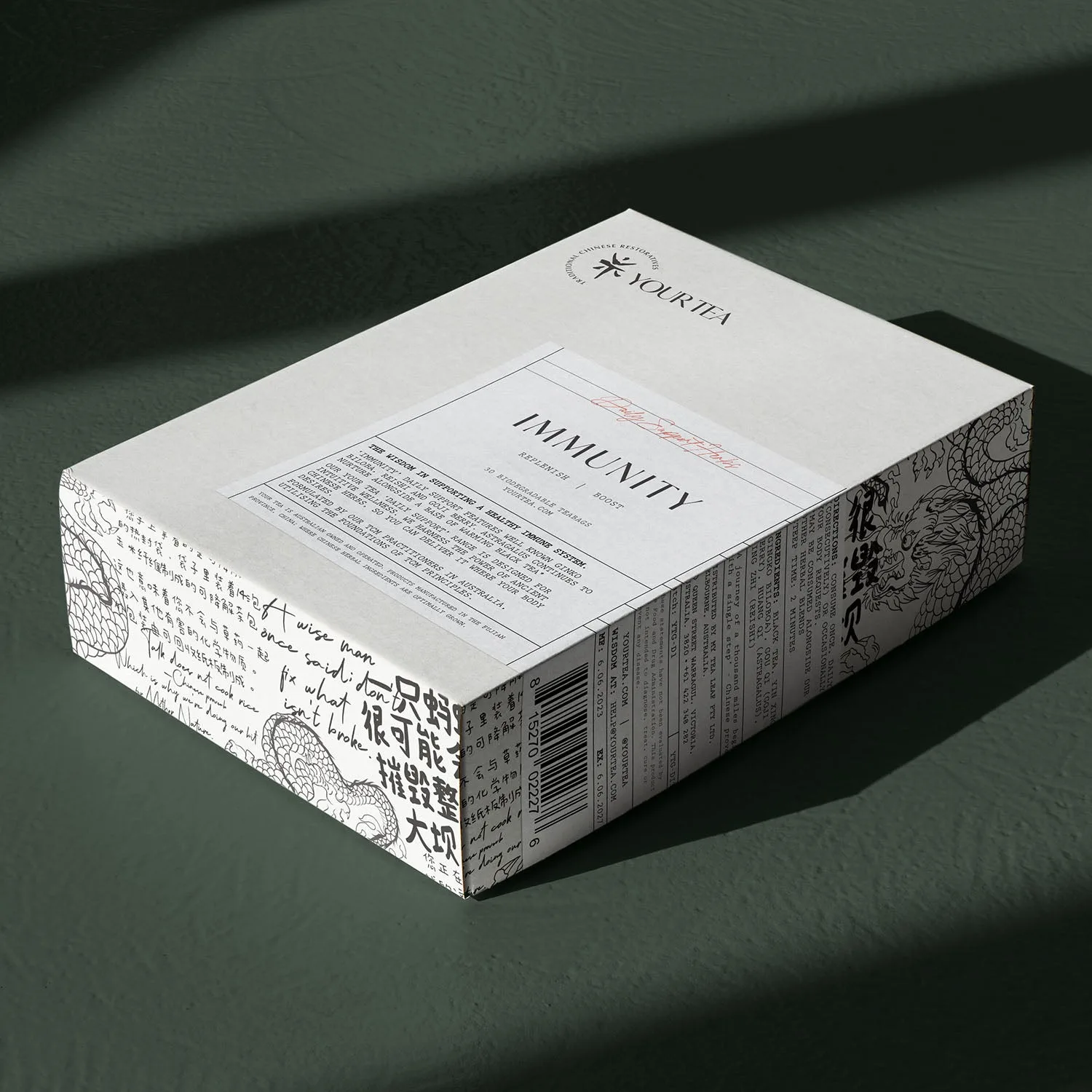
Gluten-Free Vanilla Pudding Mix: Mom's Place Gluten-Free Vanilla Pudding Mix is described as creamy in texture and packed with real vanilla flavor. That means it works as a standalone dessert without extra flavoring, so you can focus on getting the cook-and-chill steps right.
Gluten-Free Vanilla Pudding Mix
Gluten-Free Vanilla Pudding Mix