Quick answer
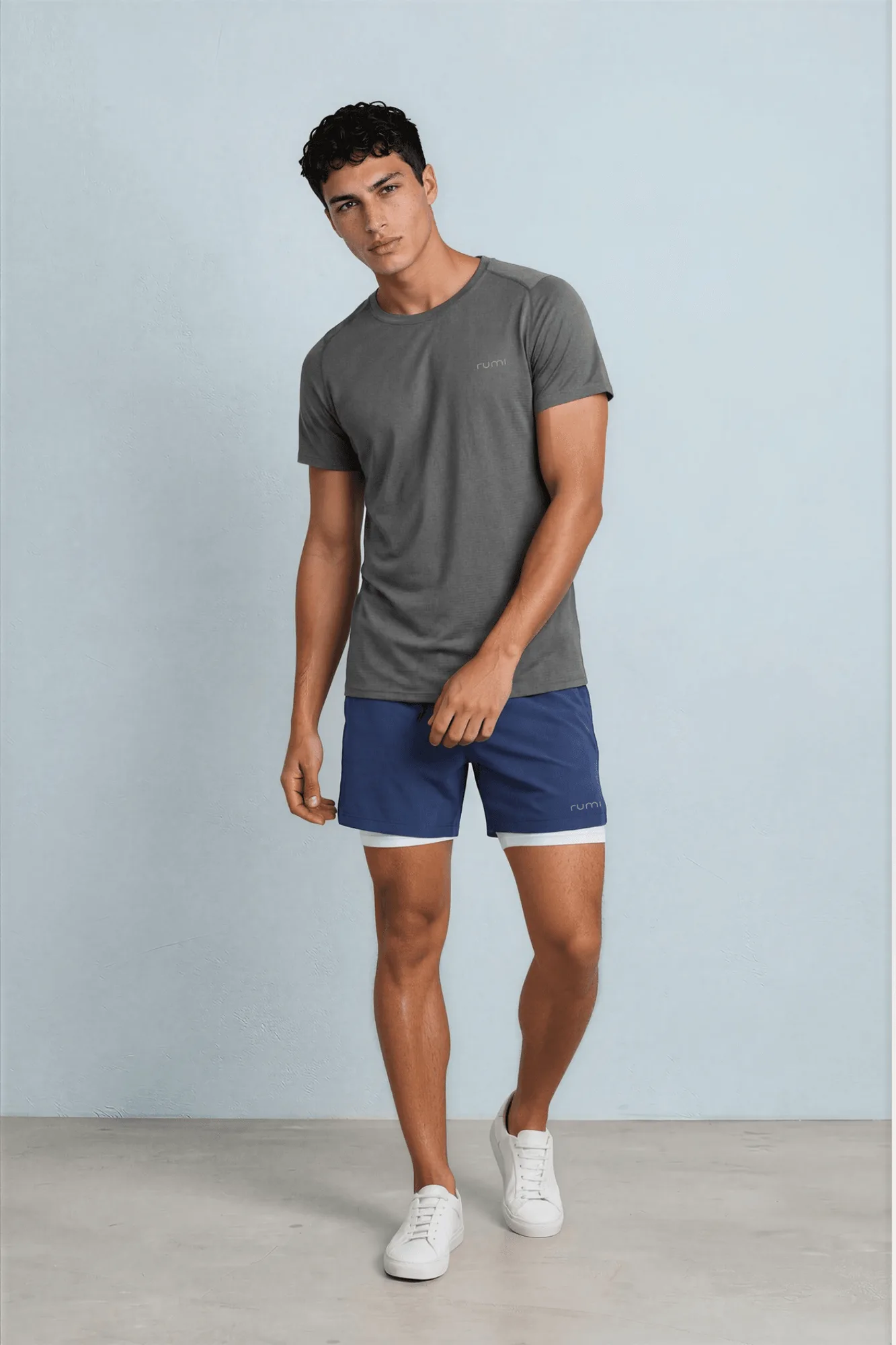
Choose M's Go Shorts for trail runs and warm-weather outdoor days that mix cycling, hiking, or paddling with running. Choose M's Pace Split Shorts for road sessions and high-pulse efforts where a split design and Pace-series feel matter more than all-round durability.
The real split: one short is built for range, the other for pace
The names tell you most of what you need to know. Go Shorts are designed for an active life across summer cycling, climbing, hiking, kayaking, and running, with a low-weight, durable construction. Pace Split Shorts belong to the Pace series, a collection made for high-pulse activities and tuned around how the fabric feels, how the fit moves, and how the shorts sound in motion.
That difference matters on the trail. A run that includes scrambling, stream crossings, or a long climb rewards a short that can handle varied movement and abrasion. A road interval session rewards a short that feels fast and unobtrusive. Neither short is wrong; they simply solve different problems.
Split running shorts vs regular shorts: what changes on the move
A split design, like the Pace Split Shorts, separates the leg panels so the short can open up as you stride. Regular shorts, like the Go Shorts, use a closed leg construction that gives more coverage and a more general-purpose silhouette. The trade-off is freedom of movement versus coverage and versatility.
If your runs are mostly on road and you want minimal interference at speed, the split construction is the point. If you want one short that works for a trail run, a bike ride, and a hike without feeling like race kit, the regular construction is the more practical choice.
Fabric and durability: where Go Shorts earn their place
Go Shorts are made with Prime Ripstop, a fabric choice that supports the low-weight, durable build Houdini describes for this model. That matters for trail use, where shorts meet rock, brush, and repeated wear. The Pace Split Shorts are presented around feel and movement for high-pulse activity, but the supplied catalog does not list a fabric name for them, so treat fabric durability as an open question rather than a claimed advantage.
In practice, if you plan to wear the same pair for climbing approaches and running, the Go Shorts' stated durability focus is the safer bet. If you keep running kit separate and want a Pace-series feel, the split short is the more focused tool.
Fit and sizing: check the options before you commit
Both shorts offer color and size selection, and neither catalog entry supplies a detailed size chart or inseam measurement in the facts provided. That means fit is the one thing you should confirm before ordering, especially with a split short where leg opening and liner (if any) affect how it feels at speed.
Use the size guide and, if you are between sizes, size for the activity: a looser fit is more forgiving for hiking and cycling, while a closer fit reduces movement in a split short during fast road running.
Trade-offs to weigh before you choose
- Trail versatility vs road focus: Go Shorts cover running plus cycling, hiking, climbing, and paddling. Pace Split Shorts are aimed at high-pulse activity. If most of your miles are road intervals or tempo, the Pace short is the more natural match; if your week mixes trail and outdoor cross-training, Go Shorts do more. Count how many non-running activities you would use the shorts for; two or more points to Go Shorts.
- Split freedom vs regular coverage: The split design of Pace Split Shorts opens up with your stride, while Go Shorts use a regular closed-leg build. Split shorts feel faster but offer less coverage; regular shorts feel more general-purpose. There is no universal winner, only a match to your run style. If chafing or coverage has been an issue on long trail days, favor the regular build.
- Stated durability vs unstated fabric: Go Shorts name Prime Ripstop and a durable, low-weight construction. The Pace Split Shorts catalog entry does not list a fabric name, so do not assume equal abrasion resistance. For rocky, brushy trails, that asymmetry favors Go Shorts. For repeated trail use, treat the Go Shorts' stated durability as the deciding factor.
- Price and value check: Both shorts are listed at a premium catalog price with a higher comparison price. Neither entry supplies enough specification detail to justify the price difference on fabric alone, so base the decision on use case rather than price. Confirm current price and return policy before ordering, since the catalog prices are high for either short.
Product facts
-
M's Pace Split Shorts: Part of the Pace series, a collection designed for high-pulse activities and tuned around fabric feel, fit, movement, and sound. If you want a short that disappears during fast road efforts, the Pace-series design intent is the clearest reason to pick it.
M's Pace Split Shorts
-
M's Go Shorts: Designed for an active life across summer cycling, climbing, hiking, kayaking, and running, with low weight and durable construction. One pair can cover trail runs and warm-weather outdoor days, which reduces the need for separate kit.

M's Go Shorts
Which short fits your running week?
Best for
- Trail runners who also cycle, hike, climb, or paddle in warm weather
- Runners who want one durable, low-weight short for mixed outdoor days
- Anyone who prefers regular coverage over a split leg opening
Not for
- Road runners who want a Pace-series feel and split-leg freedom at speed
- Runners who keep dedicated race kit separate from general outdoor shorts
- Shoppers who need a confirmed fabric specification before buying