Start with the clip you actually have
The Grapefruit French Barrette is a 3.25" x 2" fruit-shaped hair clip made from eco-friendly cellulose acetate, with a pink-and-orange citrus finish. That size is the key fact for styling: it is large enough to read as a deliberate accessory, so placement matters more than squeezing it into a tight style.
A French barrette works by pinning a section of hair flat against the head with a hinged clasp. The catalog does not include a hold rating, hair-type recommendation, or care instructions for this specific clip, so treat the guidance below as general styling method rather than a manufacturer guarantee.
What the catalog confirms
-
Grapefruit French Barrette: The Grapefruit French Barrette measures 3.25" x 2" and is made from eco-friendly cellulose acetate. The size tells you how much hair the clip is designed to gather visually; the material tells you it is a rigid acetate accessory rather than a soft fabric tie.
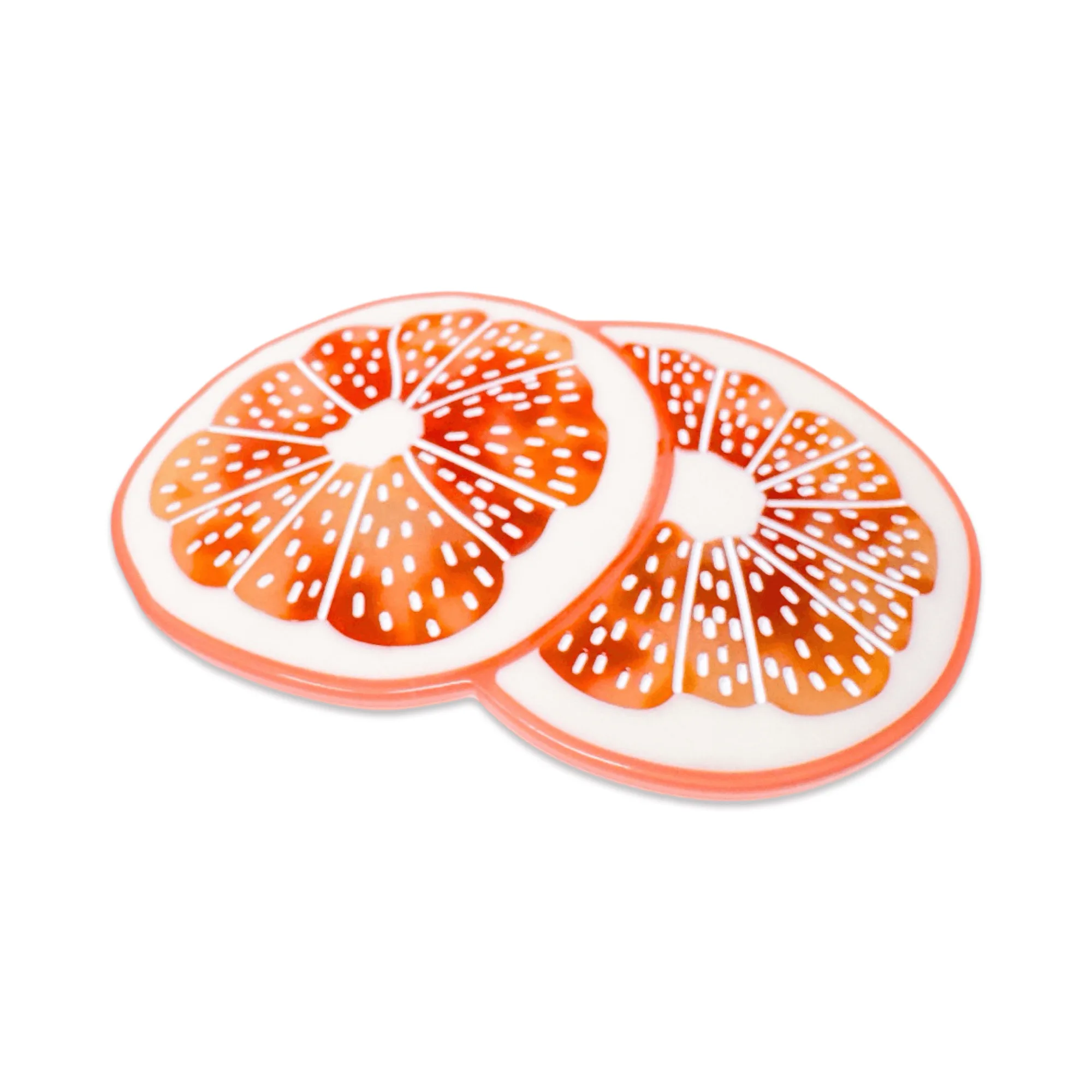
Grapefruit French Barrette
-
Grapefruit French Barrette: It features a citrusy burst of pink and orange in a fruit-inspired shape. The color and shape are the styling constraints: this is a statement piece, so it works best when the rest of the outfit gives it room.
How to wear a French barrette without it sliding
These steps apply to a standard French barrette like this one. They focus on section size and placement, which you can control, rather than on claims about the clip's grip.
- 1. Choose a section, not your whole head: A French barrette holds a gathered section. For thin hair, take a slightly wider section than feels necessary so the clasp has material to close around; for thicker hair, take a smaller section and use the barrette as a half-up accent.
- 2. Smooth the section before clipping: Comb the section flat against your scalp. Lumps and twists give the hinge uneven pressure, which is a common reason barrettes feel loose.
- 3. Place it where the head curves least: A barrette sits most securely on a relatively flat area, such as just above the ear or at the back of the head. Very curved or slippery spots give the clasp less to press against.
- 4. Close the clasp slowly and check the tension: Press the barrette closed until you feel it settle. If it springs open immediately, the section is too thick for that placement; if it closes with no resistance, the section is too thin.
- 5. Test with a gentle shake: Turn your head side to side before you leave. If the barrette shifts, reposition it rather than adding more product, which can make acetate slippery.
French barrette styling ideas for this grapefruit clip
The pink-and-orange fruit shape is the focal point, so build looks around it rather than competing with it.
- Retro half-up: Gather the top section of hair and clip it at the back of the head. This suits the barrette's retro fruit motif and keeps the clip visible from the front.
- Side-swept accent: Sweep hair to one side and place the barrette just above the ear on the opposite side. The 3.25" width makes this read as an intentional accessory rather than a hidden tool.
- Low and simple: For a quieter look, gather a small section at the nape and let the citrus color do the work. This is the easiest option for thin hair because the section is naturally compact.
- Pair with plain clothing: Because the barrette already carries two bright colors, solid tops and neutral tones keep the outfit from feeling busy.
A barrette for thin hair: what to expect
Thin hair is less about the clip and more about the section you feed it. A French barrette needs enough hair to create resistance at the hinge. If your hair is very fine, try a section that includes hair from slightly lower on the head rather than only the surface layer, and place the clip where the scalp gives it a flat backing.
The catalog does not confirm a minimum hair thickness or a slip-resistant coating for this barrette. If your hair is extremely slippery or very short, test the clip at home for an hour before relying on it for a full day.
Hair barrette care tips for cellulose acetate
Cellulose acetate is a plant-based plastic used for jewelry and hair accessories. The supplied record does not include specific cleaning or storage instructions for this barrette, so use conservative habits and avoid anything that could distort the shape.
- Wipe after wear: Remove hairspray, oil, and styling product residue with a soft dry or slightly damp cloth. Avoid soaking the barrette or the metal hinge.
- Keep it away from heat: Do not leave acetate clips on a radiator, in a hot car, or near a hair dryer. Heat can soften and warp plastic accessories.
- Store it unclasped or loosely closed: Constant spring tension can weaken a barrette over time. A small pouch or compartment keeps the fruit shape from being scratched by other accessories.
- Avoid alcohol and acetone: These solvents can dull or damage acetate surfaces. Stick to mild soap and water on a cloth when a dry wipe is not enough.
When this fruit hair barrette is the right pick
Choose the Grapefruit French Barrette if you want a visible, colorful accent for half-up styles, side-swept looks, or retro-inspired outfits. Its 3.25" x 2" size and cellulose acetate construction make it a statement accessory rather than an invisible styling tool.
Skip it if you need a clip for very thick hair that must hold all day, or if you prefer accessories that disappear into your hairstyle. The catalog does not provide a hold rating, care instructions, or hair-type guidance, so those decisions depend on your own test wear.