Two Card Decks, Two Different Jobs
When you want to build a daily self-reflection habit, card decks can provide structure and inspiration. Two popular options are gratitude cards and prompt cards. While both can support a reflective practice, they serve different purposes and work best for different mindsets.
Gratitude cards are designed to help you pause and notice what is already good in your life. Prompt cards, on the other hand, typically ask open-ended questions to explore thoughts, feelings, or ideas. Understanding the distinction helps you choose the tool that fits your current needs.
What Gratitude Cards Offer
-
Gratitude Cards: 60 cards to remind us of the many reasons we have to be thankful. The pack is designed to help us pause in our striving and, for a few moments, take on board some of what we have to be grateful for. The deck's focus is entirely on appreciation and gratitude, not on problem-solving or exploration. Each card gently redirects attention to what is already present and positive.
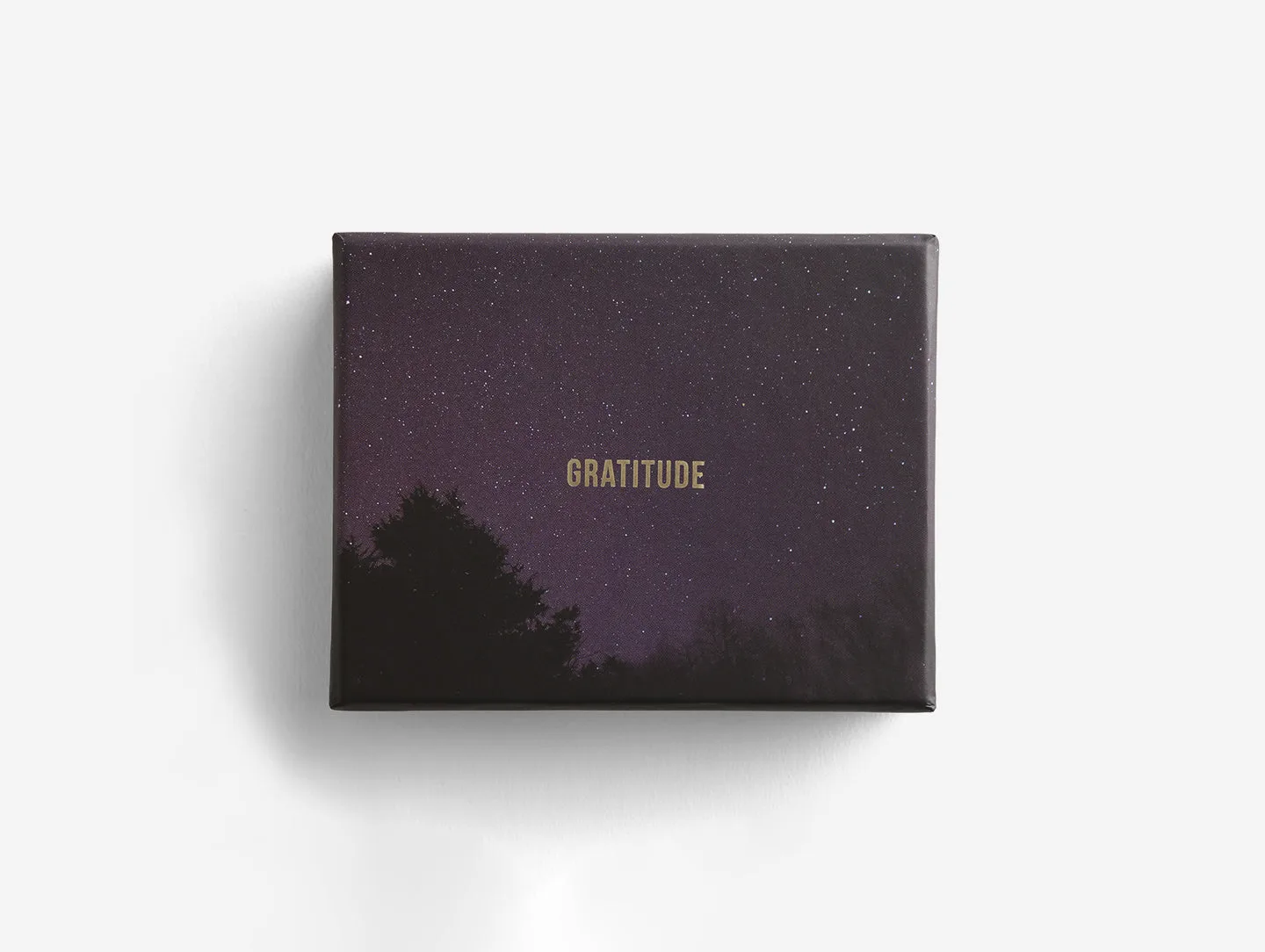
Gratitude Cards
-
Gratitude Cards: The cards are 100mm x 80mm, a comfortable size for handling. The set contains 60 cards. The physical size and quantity make it easy to use one card per day for about two months, or to draw cards at random during a weekly practice.
How Gratitude Cards Work in Practice
Using Gratitude Cards is straightforward: you draw a card, read the message, and spend a few moments reflecting on what you are grateful for. The deck's underlying philosophy is that we are experts at focusing on what is missing from our lives, and this practice offers a consoling, inspiring corrective to cynicism and sourness.
The cards do not ask you to write or answer open-ended questions. Instead, they provide a prompt for quiet appreciation. This makes them ideal for a quick, low-pressure ritual — perhaps at the start of the day or before bed.
Gratitude Cards vs. Prompt Cards: Key Differences
- Primary purpose: Gratitude Cards focus on appreciation and noticing what is already good. Prompt cards typically explore questions, ideas, or feelings.
- Mental effort required: Gratitude Cards require a receptive, appreciative mindset — minimal analysis. Prompt cards often ask you to think, write, or discuss, which demands more cognitive energy.
- Best time of day: Gratitude Cards work well at the end of the day to reflect on positives. Prompt cards may suit morning or creative blocks when you are ready to explore.
- Social use: Gratitude Cards can be used alone or shared quietly. Prompt cards are often designed for group discussion or journaling.
When to Choose Gratitude Cards
Choose Gratitude Cards if you feel overwhelmed by the need to fix or analyze everything. If your goal is to cultivate a sense of contentment and appreciation without adding another task, this deck fits that intention. It is especially helpful when you are prone to dissatisfaction or focusing on what is missing.
The trade-off is that Gratitude Cards do not offer open-ended exploration. If you are looking to solve a problem, generate ideas, or understand a complex emotion, a prompt card deck may serve you better. But for a gentle, grounding daily practice, Gratitude Cards deliver exactly what they promise.
What the Supplied Information Does Not Settle
The catalog does not include details about specific prompt card decks sold by The School of Life Shop, so a direct side-by-side comparison of card content or question styles is not possible here. However, the general distinction between gratitude-focused and prompt-focused decks is well established across the self-reflection card market.
If you are torn between the two, consider your current emotional state and your time budget. Gratitude Cards ask only that you pause and appreciate. Prompt cards ask you to engage and explore. Both are valid — the right choice depends on what you need today.