What This Comparison Covers
If you are choosing between green tea extract capsules and matcha powder, you are really deciding between convenience and a traditional tea experience. Both come from the same plant, Camellia sinensis, but they are processed and used differently. This comparison focuses on what the product label tells you and what it does not, so you can pick the form that fits your daily routine.
Green Tea Extract: What the Label Confirms
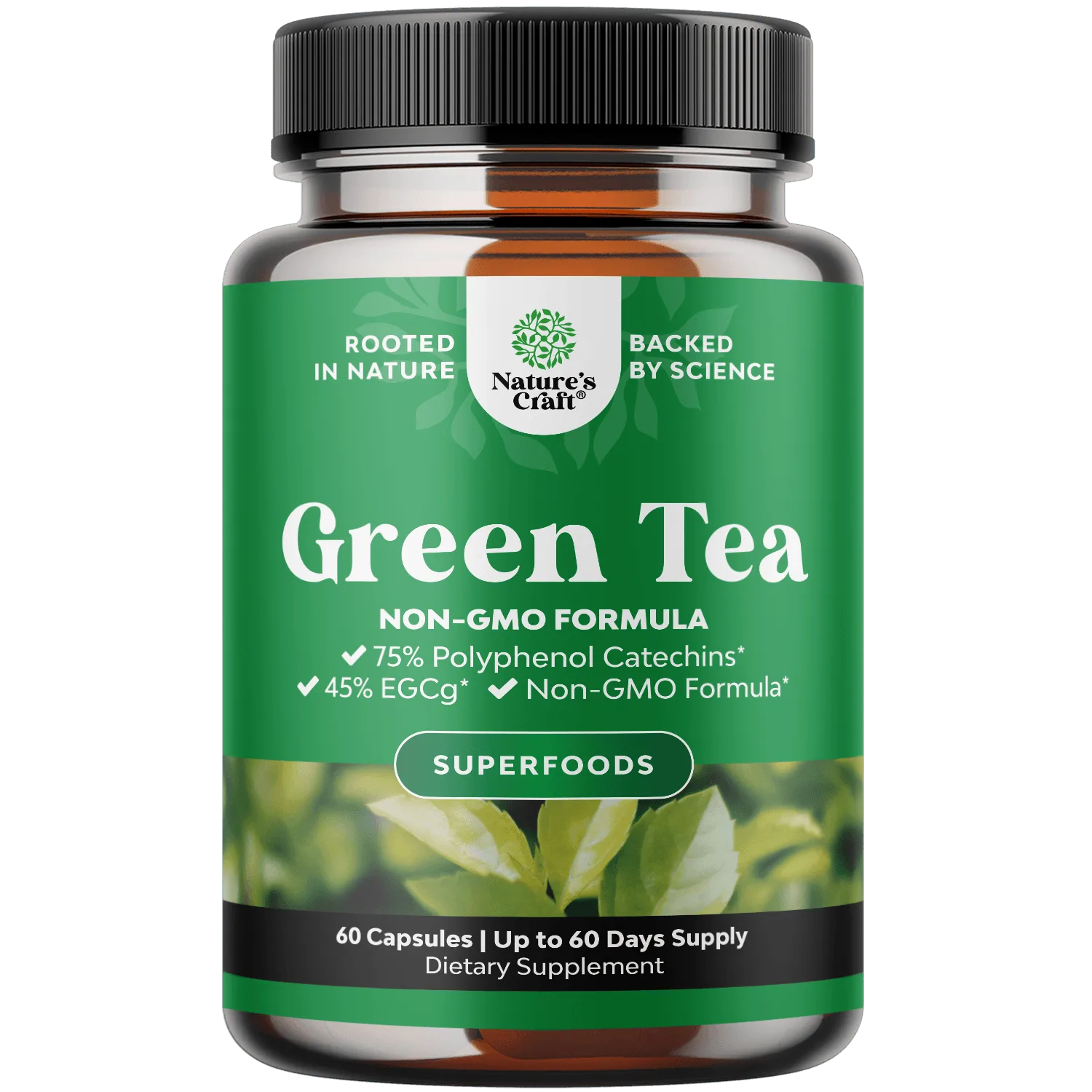
Our green tea extract supplement is sold as capsules. The product record states each serving delivers 500 mg of EGCG green tea extract, naturally containing Epigallocatechin Gallate (EGCG), caffeine, and other polyphenols. It is described as a gentle, natural source of vitality for women and men, supporting metabolic function and cellular health. The available variant is a 60-count bottle.
Matcha: What You Need to Know from General Knowledge
Matcha is a powdered form of green tea that you whisk with water and drink whole. It contains the same catechins, including EGCG, but the concentration per gram can vary by quality and harvest. Unlike the extract, matcha requires preparation and its caffeine content depends on how much powder you use. The label on a matcha product would list serving size and brewing instructions, but the exact EGCG amount is rarely stated.
How They Compare for Antioxidant Support
- EGCG content: The green tea extract provides a measured 500 mg of EGCG per serving. Matcha's EGCG content is not standardized on labels, so you get a variable amount depending on the powder and how much you use.
- Convenience: Capsules are ready to swallow with water, no measuring or brewing. Matcha requires a whisk, a bowl, and a few minutes of preparation.
- Caffeine and energy: Both contain caffeine naturally. The extract's label notes it supports physical and mental stamina. Matcha's caffeine is present but the amount depends on your serving size.
- Whole-leaf vs. concentrated: Matcha uses the entire ground leaf, so you get fiber and other plant compounds. The extract is concentrated into a capsule, so you skip the fiber but get a consistent dose of polyphenols.
Green Tea Extract Product Details
-
Green Tea Extract: Each serving delivers 500 mg of EGCG green tea extract, naturally containing Epigallocatechin Gallate (EGCG), caffeine, and other polyphenols. This is a specific, labeled amount of the key antioxidant, which lets you know exactly how much you are getting per dose.
Green Tea Extract
-
Green Tea Extract: Sourced from pure green tea leaf, these green tea pills offer essential plant-based nutrients to complement your active lifestyle. The source is the same plant as matcha, but the processing into a capsule provides a consistent, no-prep option.
What the Label Does Not Tell You
The green tea extract label does not specify a recommended time of day, whether to take it with food, or how long to use it for best results. It also does not compare its antioxidant capacity to matcha or any other food. For matcha, the label would tell you how to prepare it, but the exact EGCG per serving is usually missing. Neither product's label provides a standardized ORAC value or other antioxidant ranking.
The Honest Trade-Off
If you want a predictable, convenient EGCG dose without any preparation, the green tea extract capsules are the straightforward choice. If you enjoy the ritual of tea and want the whole leaf with fiber, matcha may feel more satisfying. Neither is inherently better; the right pick depends on whether you value measured consistency or the traditional experience.