Why taste a floral sample pack one blend at a time
A floral green tea sample pack lets you compare several blends side by side before committing to a wholesale order. The Green Tea, flower and green tea blends sample pack from Swachh Tea includes chamomile, tulsi, lemongrass, jasmine, lavender, rose, blue pea, mint, ginger, Kashmiri Kahwa, lavender chamomile, tulsi mint, lemon and orange green tea blends. That is a lot of cups, so the useful approach is a structured tasting rather than brewing a pot of each and hoping for the best.
The aim is not to declare one blend the winner. It is to record which flavours suit your menu, which ones need a lighter or stronger hand, and which ones your customers are likely to ask for again.
What the sample pack record confirms
-
Green Tea, flower and green tea blends sample pack.: The sample pack includes chamomile, tulsi, lemongrass, jasmine, lavender, rose, blue pea, mint, ginger, Kashmiri Kahwa, lavender chamomile, tulsi mint, lemon and orange green tea blends. Knowing the full flavour list lets you plan a tasting order that moves from delicate floral notes to stronger spice and citrus blends.
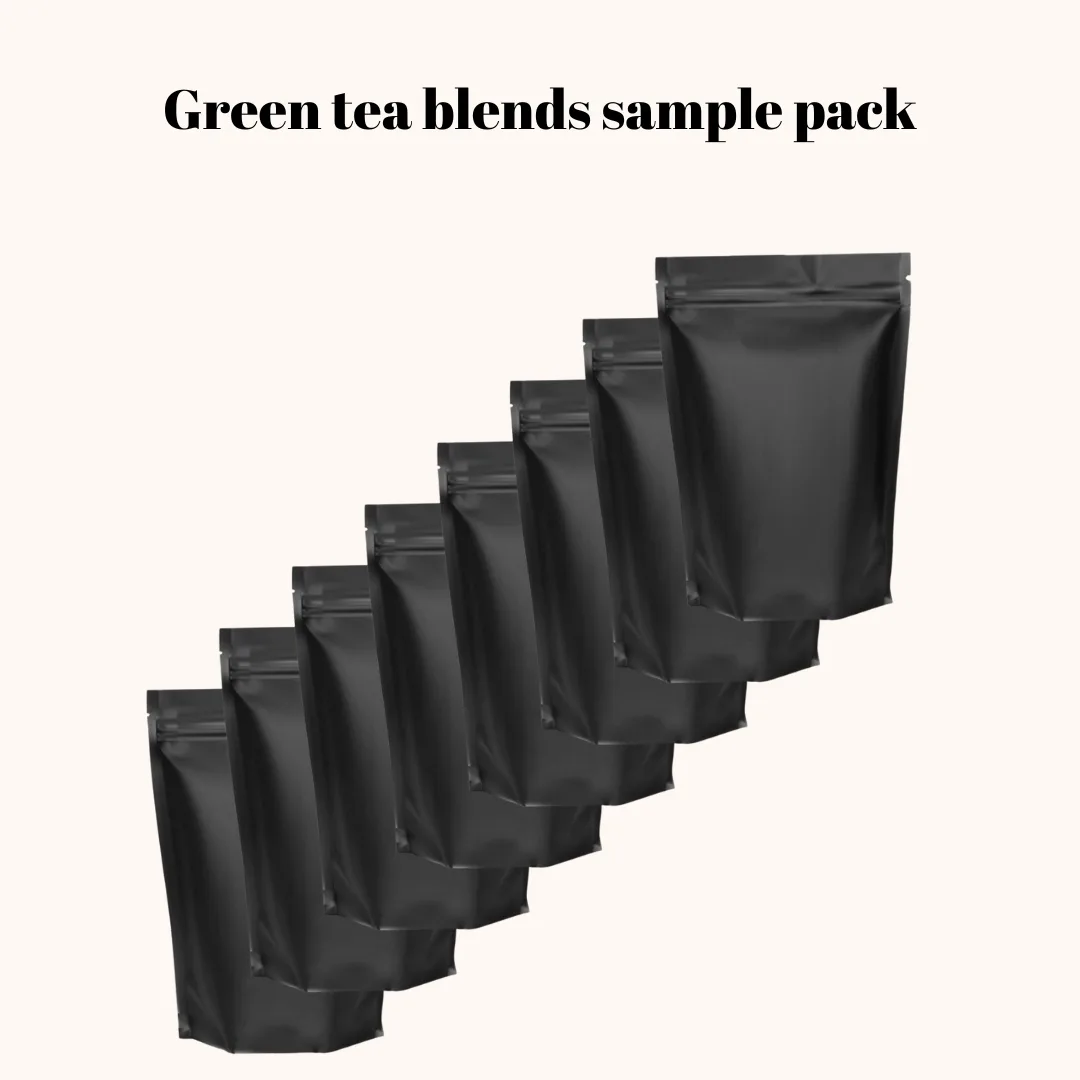
Green Tea, flower and green tea blends sample pack.
-
Green Tea, flower and green tea blends sample pack.: The blends are described as green tea leaves combined with carefully chosen botanicals. The green tea base is the constant across the pack, so differences you taste come mainly from the added flowers, herbs, spices or fruit.
Set up a tasting order that makes comparisons fair
Group the blends by the dominant note so your palate is not overwhelmed. Taste the lightest floral blends first, then move to herbaceous and citrus blends, and finish with the warming spice blends.
- Start with single floral blends: Chamomile, jasmine, lavender and rose green teas are the most delicate. Taste these before stronger flavours dull your ability to notice subtle aroma differences.
- Move to herbaceous and mint blends: Tulsi, mint, tulsi mint and lavender chamomile sit in the middle. Their flavours are more pronounced but still gentle enough to compare against the floral group.
- Try the citrus blends next: Lemongrass, lemon and orange green teas bring brightness. Tasting them after the floral group helps you judge whether the citrus is sharp, soft or balanced.
- Finish with spice and specialty blends: Ginger and Kashmiri Kahwa are the warmest, most assertive blends in the pack. Save them for last so they do not mask the lighter cups.
- Taste blue pea separately: Blue pea green tea is included for its visual appeal as much as its flavour. Note the colour in the cup as well as the taste.
How to taste each blend without guessing at brewing times
The supplied product record does not include preparation instructions, water temperatures or steeping times for these blends. That means you should not treat any single timing as a manufacturer instruction. Instead, use a consistent starting method and adjust based on what you taste.
- Use the same amount of leaf for every cup: Measure a consistent spoonful of each blend so differences in strength come from the blend, not from inconsistent quantities. The record does not specify a recommended amount, so choose one that suits your usual cup size and keep it constant across the tasting.
- Use the same water and the same vessel: Tap water, filtered water and mineral content all affect flavour. Keep the water source and the teapot or cup identical across the session so you are comparing the blends, not the equipment.
- Start with a short steep and taste: Begin with a brief infusion, taste, and extend the next cup if the flavour is too thin. Because the record gives no steeping time, treat the first cup as a checkpoint rather than a final recipe. Note how the colour and aroma develop as you add time.
- Taste the liquor on its own before adding anything: Milk and sugar change the cup. Taste each blend plain first, then try a second cup with any additions you normally serve so you know how the blend behaves in service.
- Record aroma, flavour and finish: For each blend, write down what you smell before sipping, what you taste first, and how long the flavour lingers. These notes are more useful for menu planning than a simple like or dislike.
What to look for in the main flavour groups
The pack covers several distinct directions. Use these checkpoints to decide which blends deserve a larger order.
- Chamomile and lavender: Look for a soft, floral aroma and a gentle finish. If the cup tastes flat, a slightly longer steep may help; if it turns bitter, shorten it. The record does not confirm any calming or sleep-related benefit, so judge these blends on flavour and aroma alone.
- Jasmine and rose: These are the most perfumed blends in the pack. Check whether the floral note reads as delicate or overpowering. A lighter leaf quantity often keeps floral blends from becoming soapy.
- Tulsi, mint and tulsi mint: Expect a fresh, herbaceous character. Tulsi can taste earthy or slightly clove-like; mint adds cooling. Compare the single tulsi and single mint cups against the tulsi mint blend to see whether the combination adds anything for your customers.
- Lemongrass, lemon and orange: Citrus blends should taste bright rather than sharp. Note whether the fruit comes through as fresh zest or as a sweeter, rounder note. This helps you decide whether they suit an afternoon menu or a morning one.
- Ginger and Kashmiri Kahwa: These are the warming blends. Ginger should feel pungent and direct; Kashmiri Kahwa is a traditional blend whose spice profile you should assess on its own terms. Both are likely to stand up better to milk or sweetener than the delicate floral cups, but confirm that in your own tasting.
- Blue pea: The butterfly pea flower is included for its colour as much as its flavour. Note the shade of the liquor and whether the taste is mild or grassy. The record does not confirm how the colour behaves with lemon or other additions, so test that separately if it matters for your service.
What the sample pack record does not settle
The supplied information does not include ingredient lists for individual blends, allergen statements, caffeine content, shelf life, storage instructions or preparation guidance. If you need any of these details for retail labelling or customer advice, check the packaging or ask Swachh Tea directly before you order larger quantities.
The record also does not state whether the blends contain added flavourings or only the botanicals named. Treat the flavour descriptions as a starting point for your own tasting, not as a complete ingredient specification.
Turning your tasting notes into a buying decision
After the session, rank the blends by how well they suit your menu rather than by personal preference alone. A blend that tastes subtle to you may be exactly what a customer looking for a light floral cup wants. A blend that feels strong may work better as a morning or after-meal option.
Use the sample pack to shortlist two or three blends for a larger order. The pack is a wholesale-oriented selection, so it makes sense to test demand with small quantities before committing to bulk. Keep your notes on steeping approach and leaf quantity so you can repeat the cup that worked.