Quick answer
Choose green tea if you want a gentle lift with caffeine and a clean, grassy or minty cup to anchor your morning or afternoon. Choose herbal tea if you want caffeine-free calm, especially in the evening or before sleep. Many tea drinkers keep both: a green tea for focus hours and a herbal blend for wind-down. The right pick depends on when you drink it, not on which is universally better.
The core difference: caffeine and plant base
Green tea is made from the leaves of the Camellia sinensis plant, so it naturally contains caffeine. Herbal tea is an infusion of herbs, flowers, spices, or roots and is naturally caffeine-free unless a caffeinated ingredient is added. That single difference shapes when each tea fits best. If you are sensitive to caffeine or drink tea after dinner, herbal is the safer default. If you want a mild energy lift without coffee, green tea is the practical choice.
Flavor and how to choose without tasting first
Green tea tends to taste vegetal, grassy, or lightly toasted, and it can turn bitter if you use water that is too hot or steep it too long. Herbal blends lean floral, sweet, spicy, or citrusy, and they are far more forgiving if you forget the timer. When buying online, read the ingredient list rather than the front label. A blend that lists mint, orange peel, or lavender tells you more about the cup than a vague 'wellness' claim. If you already know you dislike bitter greens, start with a flavored green tea or a herbal blend and adjust from there.
How to build a two-tea routine
You do not have to pick one side. A simple routine is a green tea with breakfast or early afternoon, then a caffeine-free herbal cup after dinner. Keep water just off the boil for green tea and use a shorter steep, around one to two minutes, then taste and adjust. For herbal blends, a longer steep of four to six minutes pulls out more flavor without turning bitter. Store both away from light and strong spices so the leaves do not pick up odors.
Trade-offs to weigh before you buy
- Caffeine lift vs caffeine-free calm: Green tea gives a mild lift that can help focus, but it is not ideal close to bedtime. Herbal tea is caffeine-free and better for winding down, but it will not wake you up. Match the tea to the time of day, not to a general 'healthiest' label.
- Flavor control vs forgiving steeping: Green tea rewards attention: too-hot water or a long steep turns it bitter. Herbal blends are more forgiving and still taste good if you walk away from the cup. If you want low-effort brewing, start herbal; if you enjoy dialing in a cup, green tea is more rewarding.
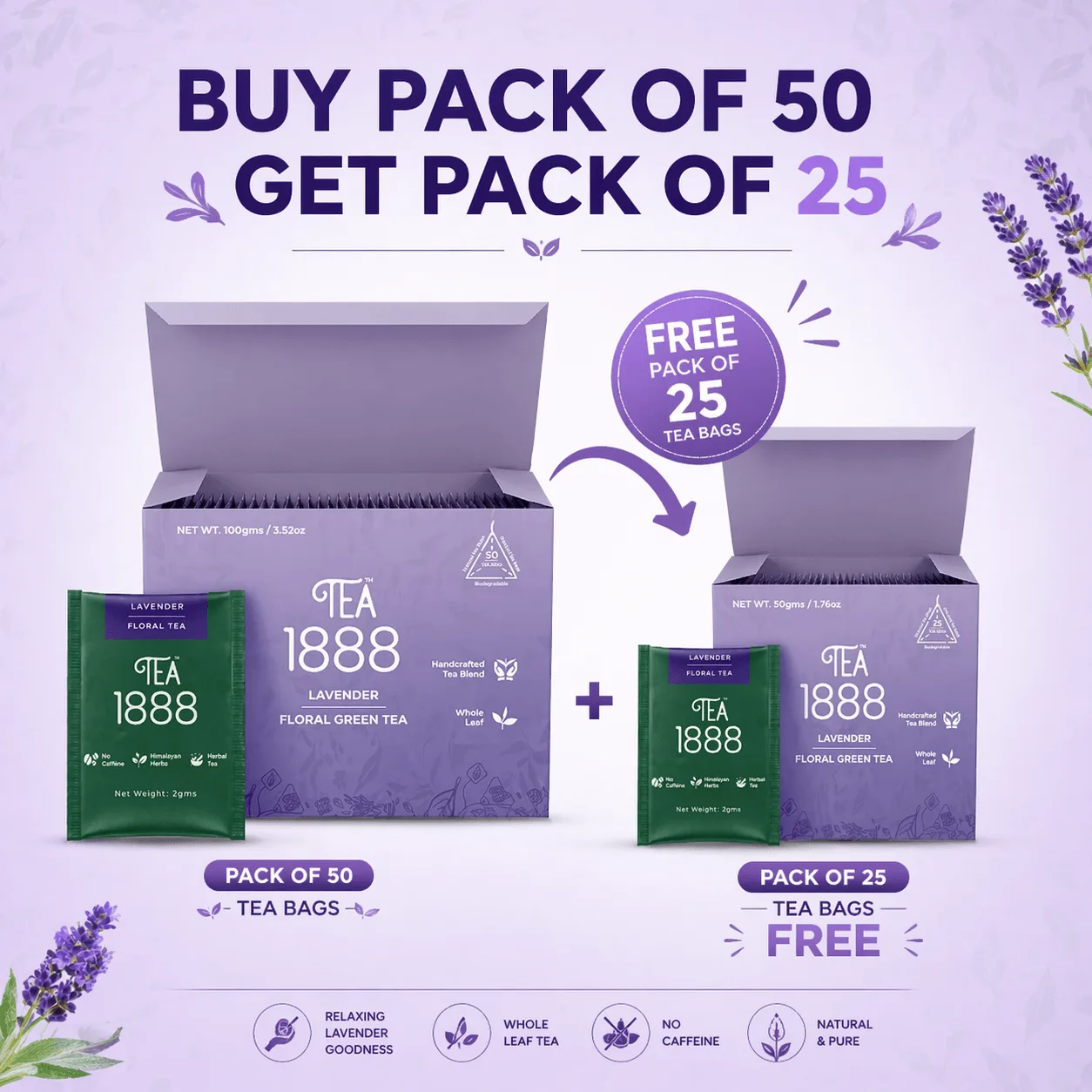
- Single-origin clarity vs blended flavor: A GI-tagged green tea like Kangra highlights regional character. Blended teas like Mint Green Tea or Chamomile https://tea1888eg.com/products/lavender-green-tea-d182b290c640a25f9cd4c3c5-771151Lavender Green Tea offer a consistent, flavored cup that is easier to enjoy without brewing skill. Choose origin if you want to taste the leaf; choose a blend if you want a reliable everyday flavor.
Tea1888 blends that show the difference
- Mint Green Tea: Mint Green Tea combines natural mint, peppermint and spearmint, premium green tea leaves, and orange peel for a crisp, uplifting brew that can be enjoyed hot. This is a green tea with caffeine, so it suits a morning or afternoon slot when you want freshness rather than a heavy roast.
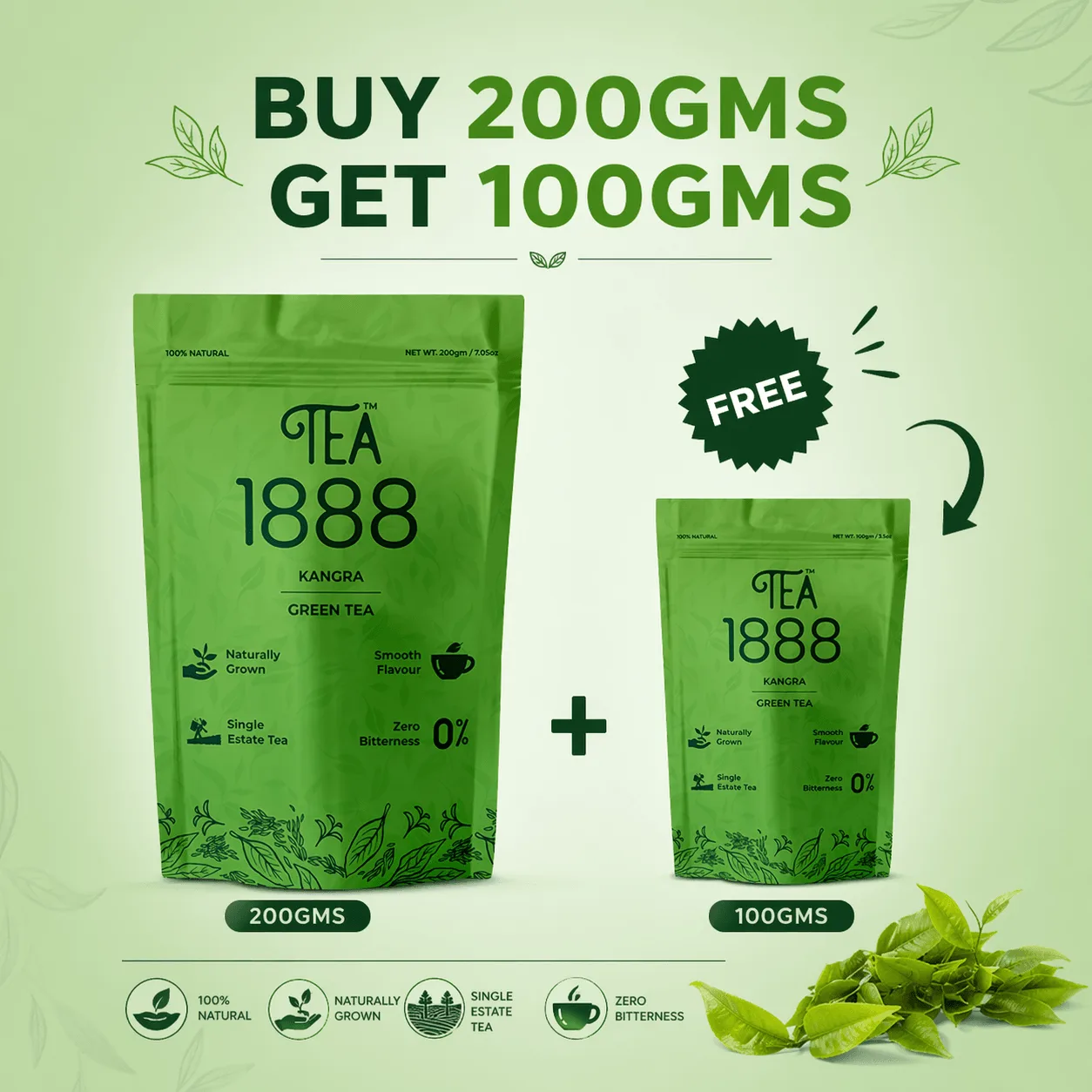
- Kangra Green Tea: Kangra Green Tea is handpicked from high-altitude gardens in Kangra Valley, Himachal Pradesh, and carries a GI (Geographical Indication) tag. If origin and heritage matter to you, this is a green tea with a traceable regional identity rather than a generic blend.
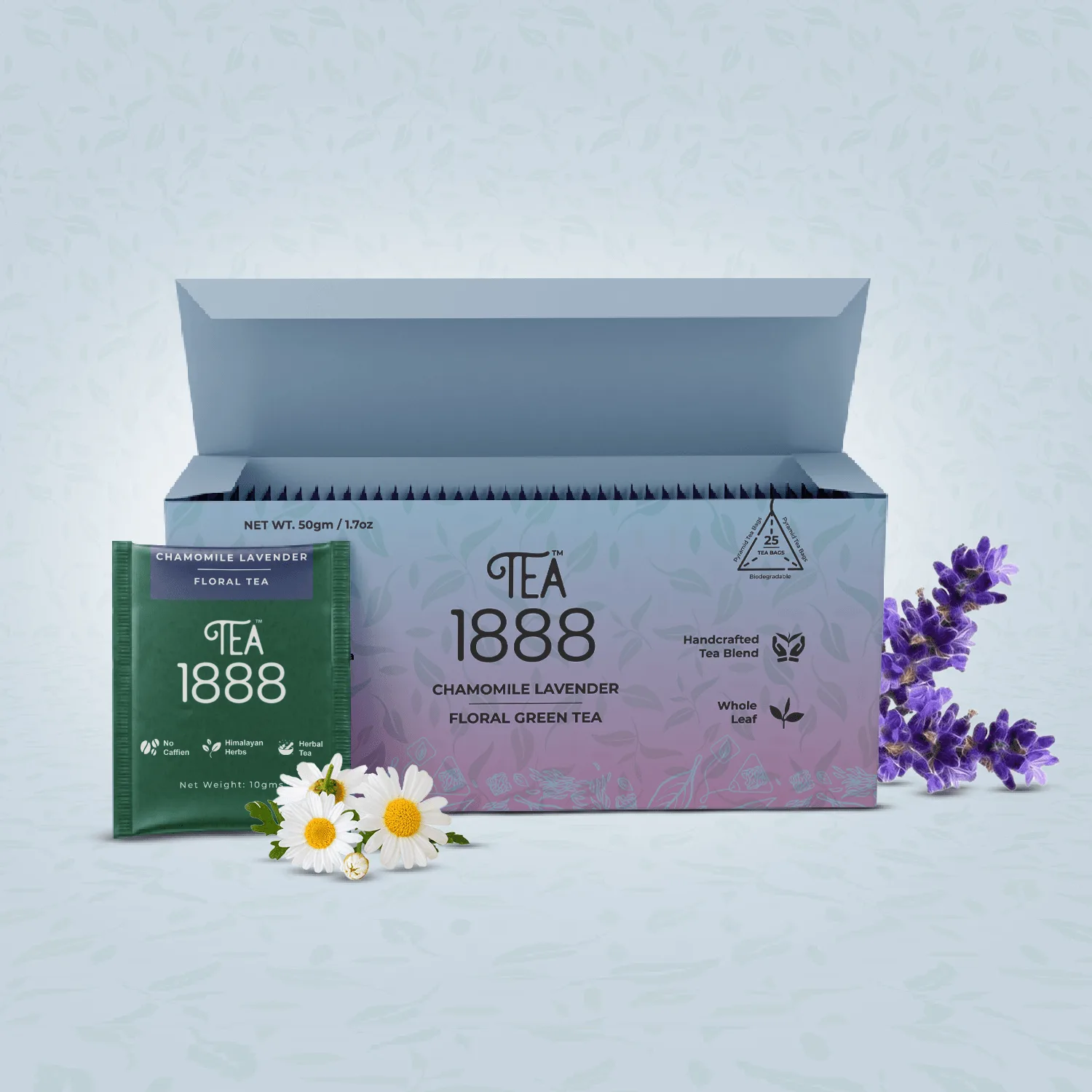
- Chamomile Lavender Green Tea: Chamomile Lavender Green Tea blends floral chamomile, lavender buds, and premium green tea, lightly balanced with natural stevia for gentle sweetness. It sits between the two categories: green tea base with calming florals, so it works in the late afternoon if you still want a little caffeine.
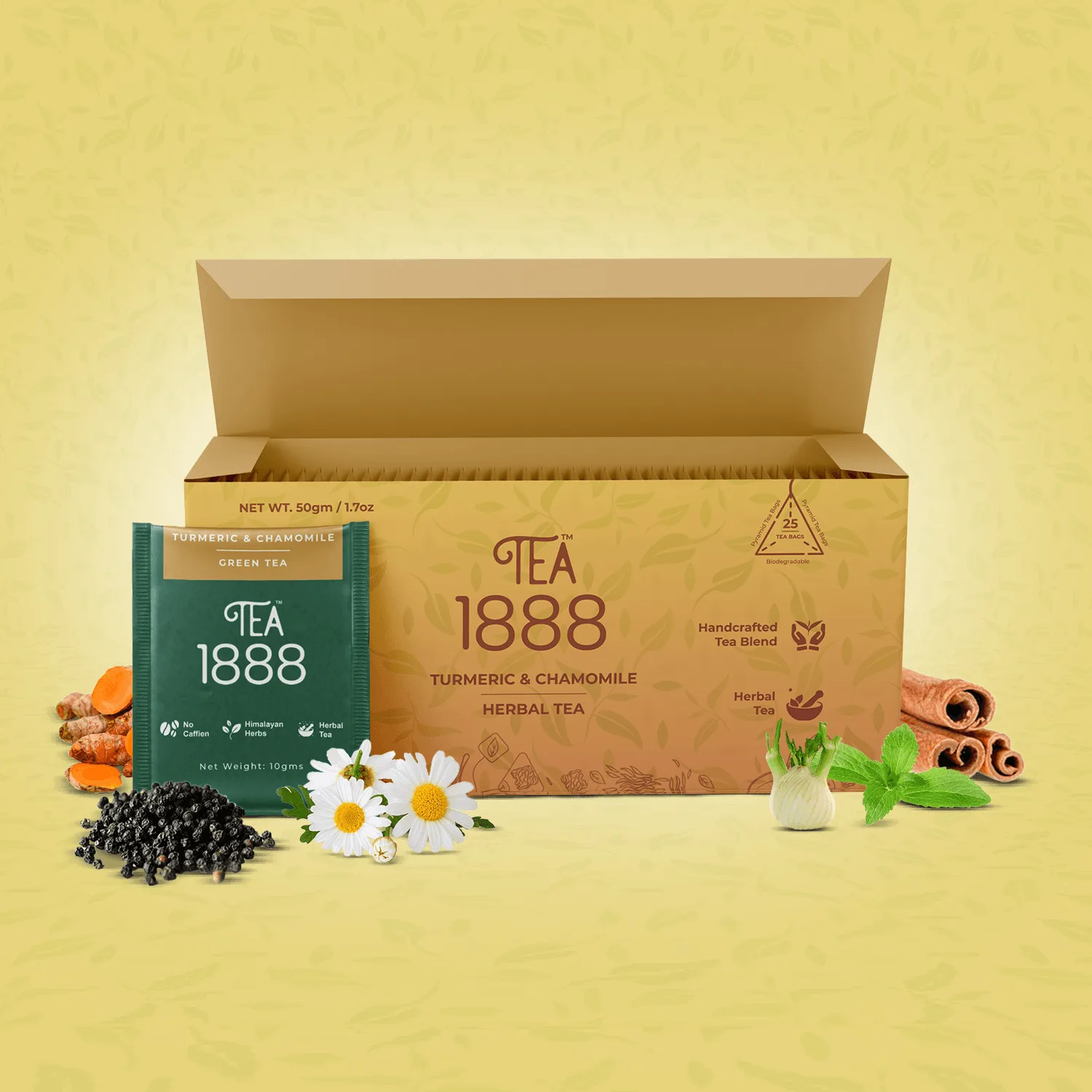
- Turmeric & Chamomile Herbal Tea: Turmeric & Chamomile Herbal Tea combines Himalayan turmeric, chamomile, warming cinnamon, digestive fennel, and black pepper. This is a caffeine-free herbal option, making it a practical evening or post-dinner cup when you want to avoid caffeine.
Which should you buy?
Best for
- Morning or early afternoon drinkers who want a gentle caffeine lift
- Anyone curious about Indian origin teas and willing to control water temperature
- People who enjoy minty, citrusy, or floral flavors in a green tea base
Not for
- Late-evening drinkers who are sensitive to caffeine
- People who want a completely caffeine-free cup every time
- Anyone who prefers a tea that cannot turn bitter if left to steep