Quick answer
Green tea and white tea come from the same plant, Camellia sinensis, but differ in processing and flavor. Green tea is more oxidized and has a grassy, slightly bitter taste, while white tea is minimally processed, yielding a delicate, sweet flavor. If you prefer a bolder cup with a moderate caffeine lift, choose green tea; for a lighter, more subtle brew with lower caffeine, white tea is your match.
When you're standing in the tea aisle, green tea and white tea can look almost identical. Both are celebrated for their health benefits and gentle flavors, but they are not the same. Understanding their differences helps you choose the right tea for your taste, caffeine tolerance, and wellness goals.
This comparison breaks down what sets these two teas apart, from harvest to cup, so you can make an informed choice—whether you're a seasoned tea drinker or just starting your loose leaf journey.
What Makes Green Tea Green?
Green tea is made from leaves that are harvested, then quickly heated—either by steaming or pan-firing—to stop oxidation. This process locks in the vibrant green color and creates a fresh, grassy flavor that can range from sweet to slightly bitter. Because green tea leaves are more processed than white tea, they tend to have a stronger taste and a higher caffeine content.
If you're looking for a morning pick-me-up or a tea that stands up well to food, green tea is a reliable choice. It's also a favorite for matcha lovers, as matcha is a powdered form of green tea.
- Green tea offers a moderate caffeine boost, making it a good substitute for coffee.
- Its bold flavor pairs well with savory dishes and citrus.
What Makes White Tea Delicate?
White tea is the least processed of all teas. The young leaves and buds are simply picked and allowed to wither and dry naturally. This minimal handling preserves a light, floral, and slightly sweet flavor with very low bitterness. White tea also contains less caffeine than green tea, making it a gentler option for those sensitive to stimulants.
Because white tea is so subtle, it's best enjoyed on its own or with a light touch of honey. It's also a great choice for afternoon sipping or as a calming evening ritual.
- White tea has a delicate flavor that's perfect for those who find green tea too bitter.
- Its low caffeine content makes it suitable for any time of day.
Health Benefits: Which One Packs a Stronger Punch?
Both green and white tea are rich in antioxidants called catechins, which are linked to various health benefits, including improved heart health and reduced inflammation. However, because white tea is less processed, it retains a higher concentration of these antioxidants. Green tea, on the other hand, contains a different balance of catechins and caffeine, which can boost metabolism and enhance mental alertness.
The 'better' tea depends on your wellness priorities. If you want maximum antioxidant power, white tea takes the lead. If you're seeking a gentle metabolism lift or a mental focus aid, green tea might be more beneficial.
- White tea offers higher antioxidant levels due to minimal processing.
- Green tea provides a caffeine-driven energy and focus boost.
Brewing and Storage Tips
To get the best flavor, brew green tea at around 175°F (80°C) for 2-3 minutes. White tea is even more delicate—use water at about 160°F (70°C) and steep for 3-5 minutes. Overheating or steeping too long can make either tea bitter.
Proper storage is essential to preserve freshness. Airtight, light-protected containers like ceramic canisters keep both teas at their peak. Avoid plastic or clear glass, which can allow light to degrade the leaves.
- Use a thermometer or let boiling water cool for a few minutes before pouring.
- Store loose leaf teas in a cool, dark place away from strong odors.
Green Tea vs. White Tea: The Tradeoffs
- Flavor: Green tea has a grassy, sometimes bitter taste that can be an acquired preference. White tea is delicate, sweet, and almost never bitter. Choose white tea if you dislike bitterness; pick green tea if you enjoy a more assertive brew.
- Caffeine Content: Green tea contains moderate caffeine, which can boost energy and focus. White tea has less caffeine, making it gentler on the system and suitable for later in the day. If you're sensitive to caffeine, white tea is the safer bet.
- Antioxidants: White tea retains more catechins due to minimal processing, offering a higher antioxidant punch. Green tea still provides a healthy dose and supports metabolism. For maximum antioxidants, go with white tea; for a metabolic lift, green tea works well.
Teas and Tools to Try
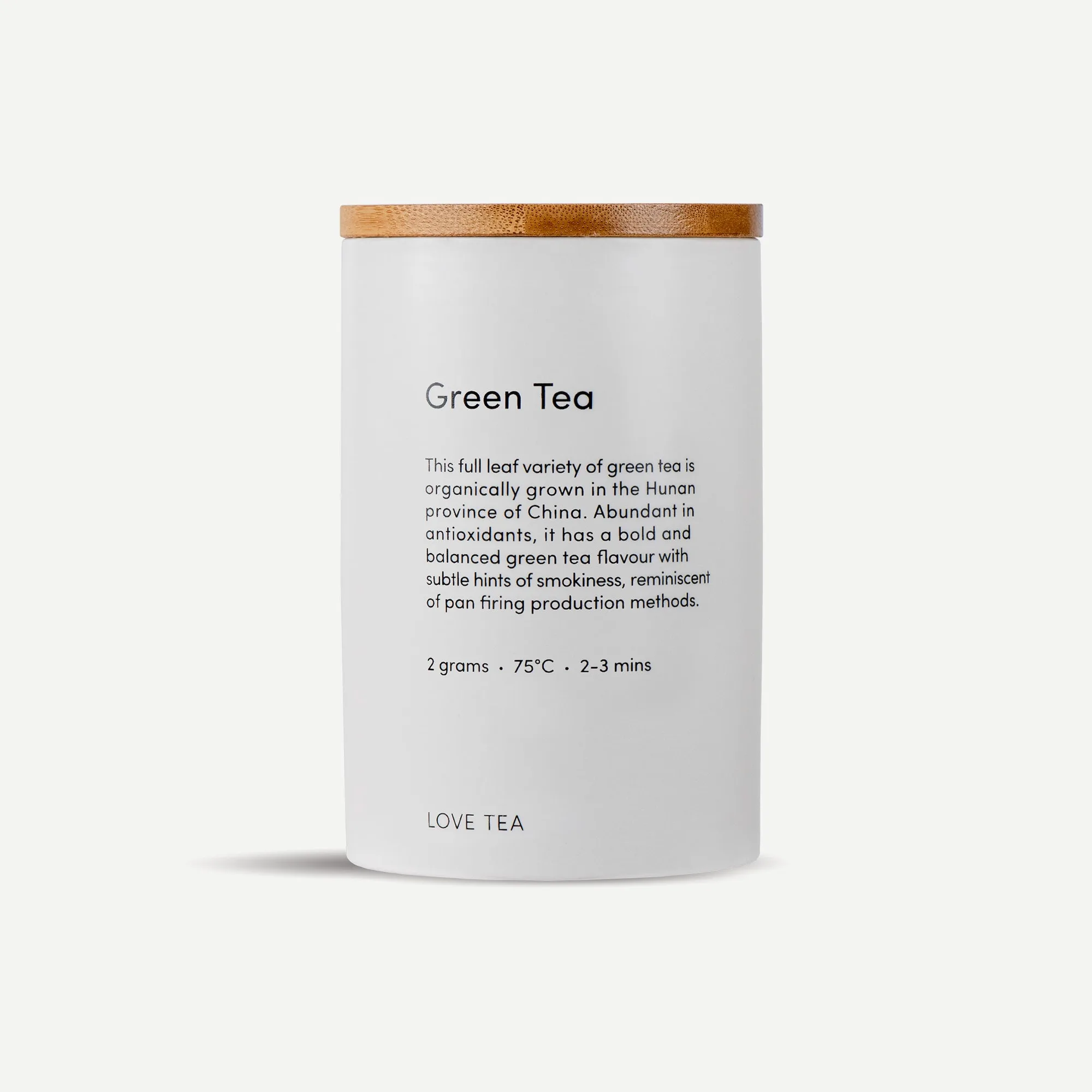
- Green Tea Canister: Love Tea ceramic tea canisters provide an elegant and practical storage solution for your chosen blend. They are designed to prolong the life of your tea, by providing an airtight seal and protection from light, and are also a perfect gifting option. This canister is supplied with your choice of 100g loose leaf tea or 20 pyramid tea bags. This full leaf variety of green tea is organically grown in the Hunan... If you're buying green tea, this canister keeps it fresh and comes with your choice of loose leaf or pyramid bags—perfect for trying green tea for the first time.
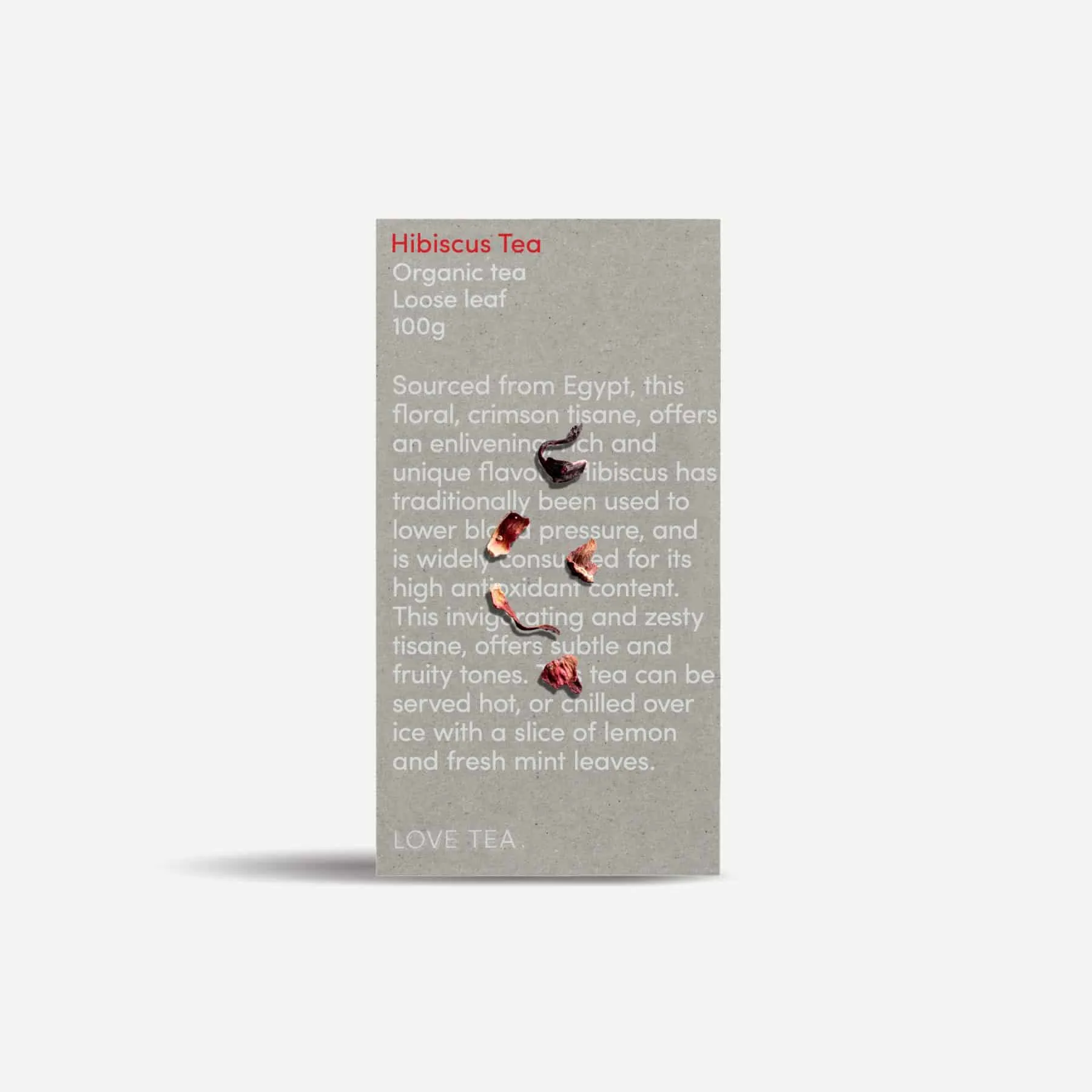
- Hibiscus Loose Leaf Tea: Sourced from Egypt, this floral, crimson tisane, offers an enlivening, rich and unique flavour. Hibiscus has traditionally been used to lower blood pressure, and is widely consumed for its high antioxidant content. This invigorating, zesty tisane, offers subtle fruity tones and can be served hot, or chilled over ice, with a slice of lemon and fresh mint. This blend is caffeine free. If you're comparing teas based on caffeine and flavor, hibiscus offers a caffeine-free, tart alternative to both green and white tea—great for evening or iced drinks.
Which Tea Should You Choose?
Best for
- Those who prefer a bold, grassy flavor and want a moderate caffeine kick to start the day.
- Anyone looking for a versatile tea that pairs well with food or can be enjoyed as matcha.
Not for
- People who are caffeine-sensitive or prefer a very mild, sweet tea—white tea is a better fit.
Both green and white tea are wonderful, healthful choices. Your pick comes down to personal taste and lifestyle. If you're still unsure, try both—start with a sample selection and see which one becomes your daily ritual. Whichever you choose, store it properly and brew with care to enjoy the best cup.