Quick answer
Greeting card etiquette comes down to timing, sincerity, and a blank interior that lets you write something personal. Send a card as soon as you know the occasion or news, keep the message short and specific, and don't stress about perfect wording. A card that arrives on time with a genuine note matters far more than a long, polished message.
Greeting cards are small, but the etiquette around them can feel surprisingly tricky. When exactly should a sympathy card arrive? Is it ever too late to send a thank-you note? And what do you actually write inside a blank card without sounding stiff?
This guide answers the most common greeting card etiquette questions in plain language. Each answer stands on its own, so you can jump to the situation you're facing. Along the way, we'll point to a few real card options from Fox & Fallow that make the practical side easier, like cards with blank interiors, foil detailing, and matching envelopes.
When should you send a greeting card?
Send a card as soon as you learn about the occasion or news. For birthdays, aim for it to arrive on or just before the day; for sympathy, send it within a week or two of hearing the news, but know that later is still better than never. For thank-you notes, the traditional window is within two weeks, though a thoughtful note sent a month later is still appreciated.
The key is not to let perfect timing stop you. A card that arrives a few days late with a sincere message carries more weight than a perfectly timed card with a generic printed sentiment. If you're unsure whether it's too late, send it anyway and acknowledge the delay briefly in your note.
- Birthday: mail 3–5 days before the date if you're posting it.
- Sympathy: send within 1–2 weeks; no strict deadline after that.
- Thank you: within 2 weeks is ideal, but still meaningful later.
- Holiday: send early enough to arrive before the holiday, not on the day.
What should you write inside a card?
Write a short, specific message that sounds like you. A good formula is: a greeting, a sentence or two about why you're writing, and a warm closing. For example, "Dear Maya, thinking of you as you start your new job. They're lucky to have you. Love, Sam." That's enough. The blank interior of a card is an invitation to be personal, not a test you can fail.
Avoid filling the whole card just because there's space. If you're stuck, mention a shared memory, a quality you admire in the person, or a simple wish. For sympathy cards, keep it even simpler: acknowledge the loss, share a brief memory if you have one, and offer practical help if you can. Don't try to explain or fix the grief.
- Use the person's name and sign off with yours.
- One or two sincere sentences beat a long, generic paragraph.
- For sympathy, avoid phrases like "at least" or "everything happens for a reason."
Sympathy card etiquette: what to do and what to avoid
Sympathy cards should be sent promptly, but there's no hard cutoff. If you missed the funeral or just learned of the loss, send one now. The person grieving will still be grieving weeks and months later, and a card that arrives later can be a comfort rather than an awkward reminder.
What you write matters more than the card design. Keep the focus on the bereaved person, not on your own discomfort. A simple "I'm so sorry for your loss. I'm here if you need anything" is perfectly appropriate. If you knew the deceased, a short specific memory is a gift. Avoid clichés, advice, and religious language unless you know it's welcome.
- Send within a week or two if you can, but later is still kind.
- Handwrite the note; a printed signature feels impersonal.
- Offer concrete help like "I can bring dinner on Thursday" rather than "let me know if you need anything."
Thank you card timing and rules
For most gifts and kind gestures, send a thank-you card within two weeks. For weddings, the traditional guideline is within three months, though sooner is better. For job interviews, send within 24 hours by email if that's the norm in your field, or a handwritten card if you want to stand out. The rule of thumb: the more formal the gesture, the sooner you should acknowledge it.
You don't need to send a thank-you card for every small favor, but you should for gifts, hospitality, interviews, and any significant help. A text or email can suffice for casual situations, but a handwritten card signals extra care. If you're thanking someone for a gift, mention the gift specifically and how you'll use it.
- Gifts: within 2 weeks.
- Wedding gifts: within 3 months, but sooner is better.
- Job interviews: within 24 hours.
- Hospitality: within a few days of returning home.
Birthday card etiquette: timing, messages, and who gets one
Send a birthday card so it arrives on or before the birthday. If you're mailing it, that means posting it 3–5 days ahead. If you're handing it over in person, the day itself is fine. For belated birthdays, send it anyway with a brief apology like "I'm sorry this is late—I was thinking of you on the day."
Who gets a card? Close friends and family, certainly. Beyond that, it's a personal call. Workplace birthdays are often handled with a group card, which is a nice way to include everyone without singling anyone out. If you're unsure whether to send a card to an acquaintance, a short note is rarely unwelcome.
- Mail 3–5 days before the birthday.
- Belated cards are still appreciated; acknowledge the delay briefly.
- For kids' parties, a card is optional but a nice touch alongside a gift.
How to choose a card that fits the occasion
The card itself should match the tone of the message. For sympathy, choose something understated; for birthdays, something cheerful. A blank interior gives you the most flexibility because you're not stuck with a printed sentiment that doesn't fit. Foil stamping and quality card stock add a sense of care without being flashy.
If you're sending multiple cards in a year, a boxed set keeps you stocked and ensures you always have the right envelope on hand. Look for cards made in Australia or from FSC-certified stock if sustainability matters to you. And check the envelope color—it's a small detail that makes the card feel more considered.
- Blank interiors work for almost any occasion.
- Keep a boxed set at home for last-minute needs.
- Match the envelope to the card's tone (cream and blush are versatile).
Quick reference: greeting card etiquette at a glance
When to send a sympathy card
Send within 1–2 weeks of learning the news, but later is still meaningful. Keep the message simple and focused on the bereaved. Don't let a delay stop you—send it now.
What to write in a blank card
Use a greeting, one or two specific sentences, and a warm closing. Avoid generic filler. Short and sincere beats long and formal.
Thank you card timing
Within 2 weeks for most gifts; within 3 months for weddings; within 24 hours for job interviews. Sooner is always better, but a late note is still welcome.
Birthday card timing
Mail 3–5 days before the birthday so it arrives on time. Belated cards are fine with a brief apology. Aim for arrival on or before the day.
Choosing a card
Pick a blank interior for flexibility, and match the envelope and design to the occasion's tone. Keep a boxed set on hand for last-minute needs.
Card details that make etiquette easier
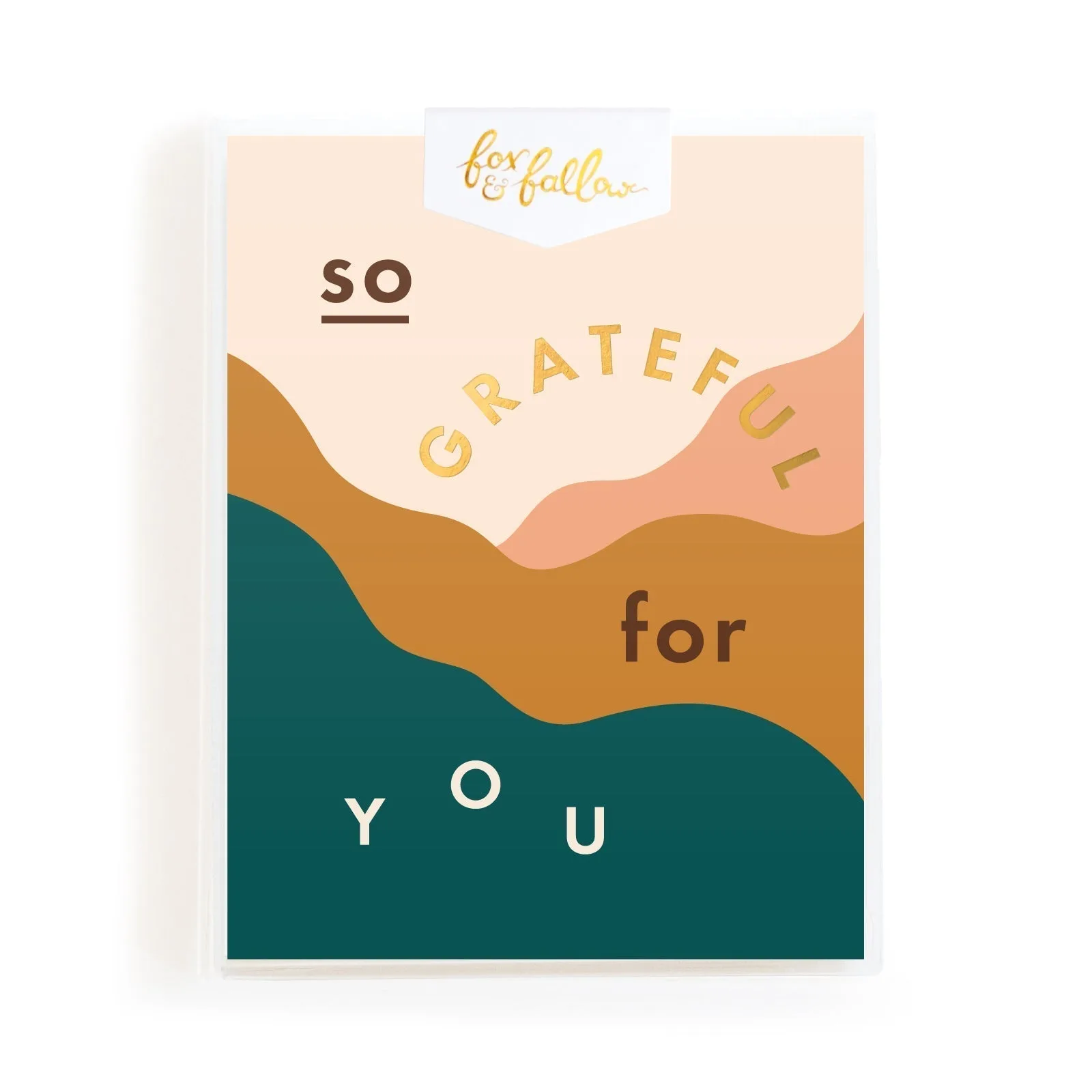
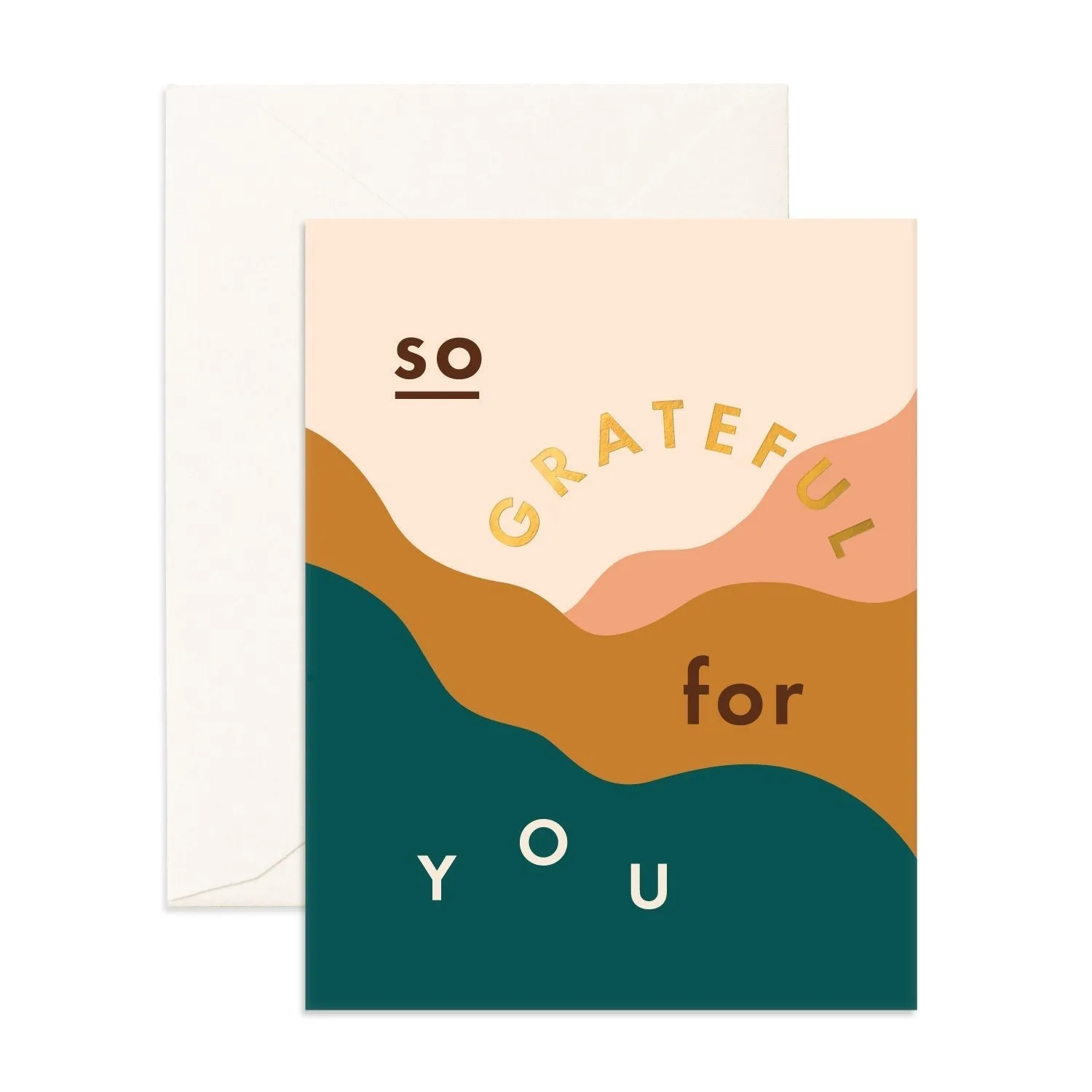
- https://foxandfallows.com/products/so-grateful-still-life-greeting-card-boxed-set-3326ad040e2b9a8e70d76365-2620835So Grateful Still Life Greeting Card Boxed Set: Includes 8 greeting cards and 8 matching envelopes, made in Australia from FSC-certified warm white uncoated card stock. A boxed set means you're never caught without a card for a thank-you, birthday, or sympathy note, and the FSC-certified stock is a thoughtful choice if you care about responsible sourcing.
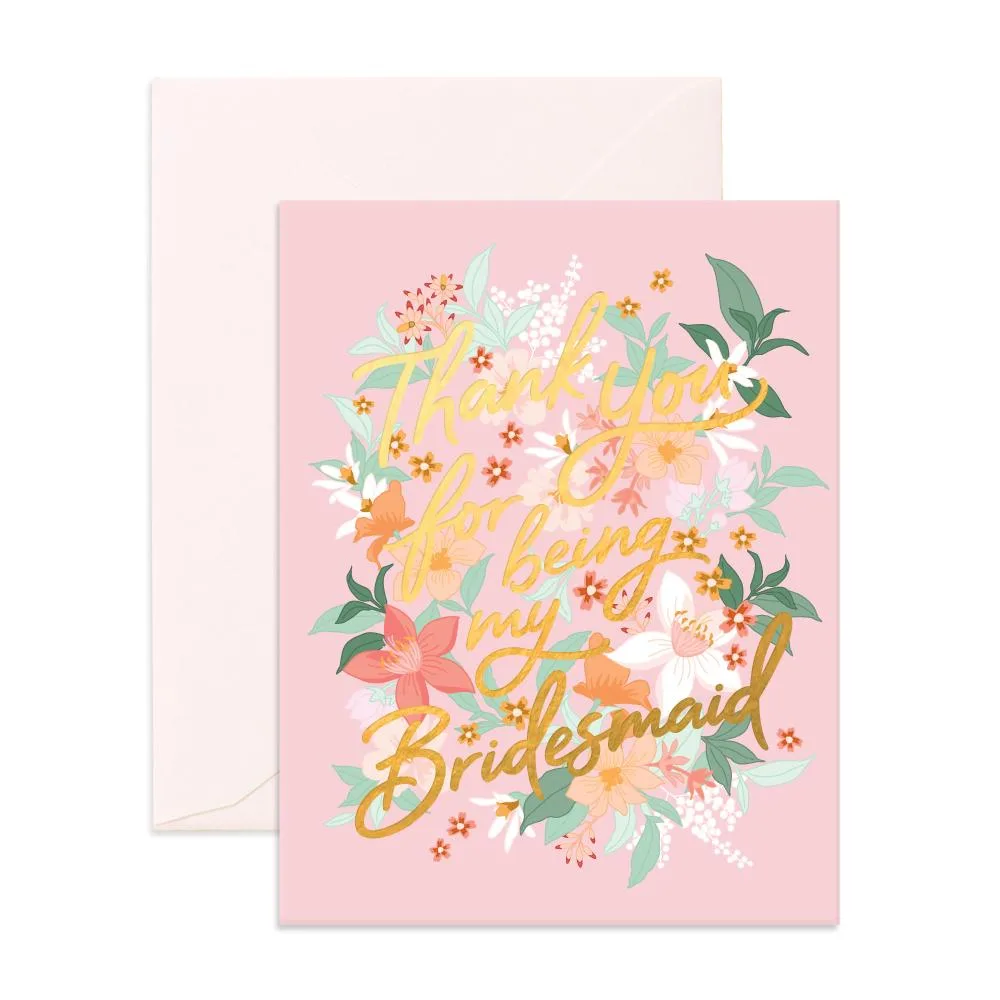
- Thank You Bridesmaid Bohemia Greeting Card: Features a blank interior, gold foil stamping, and a blush envelope; made in Australia. The blank interior lets you write a personal note to a bridesmaid or anyone you're thanking, while the foil and blush envelope make it feel special enough for a wedding-related thank-you.
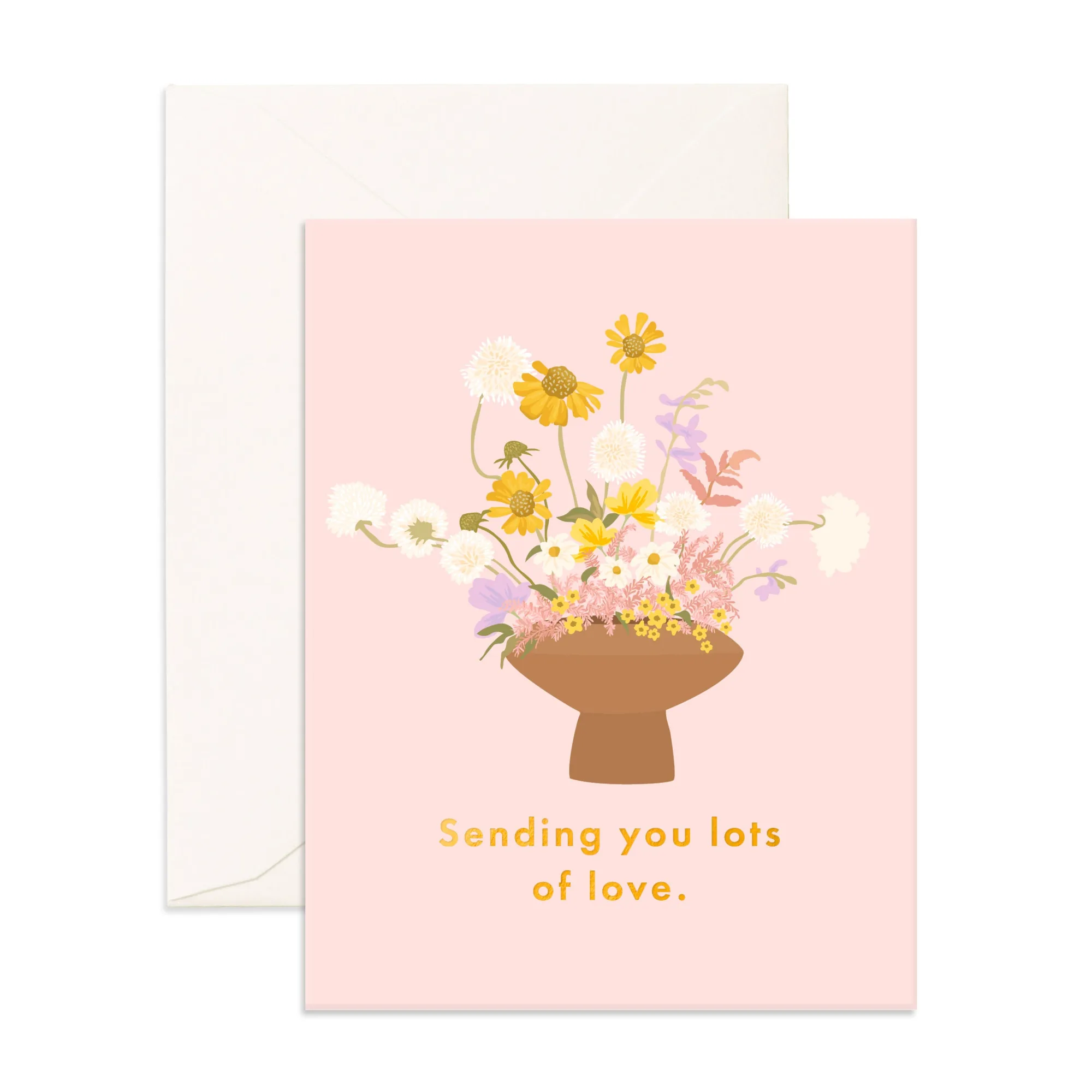
- Lots Of Love Vase Greeting Card: A foil greeting card with a blank interior and cream envelope, suitable for showing sympathy. Its understated design and blank interior give you room to write a sincere sympathy message without the card dictating the tone.
Greeting card etiquette is mostly about timing, sincerity, and a blank interior that lets you write something real. When in doubt, send the card—a few honest sentences on quality stock will always be appreciated more than perfect wording that never gets sent.